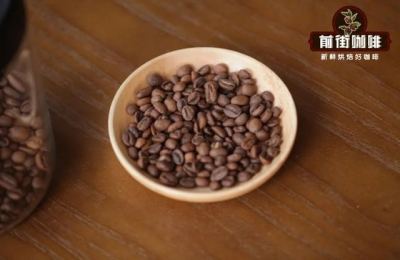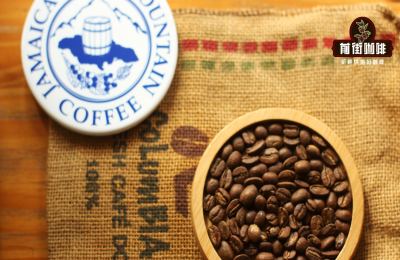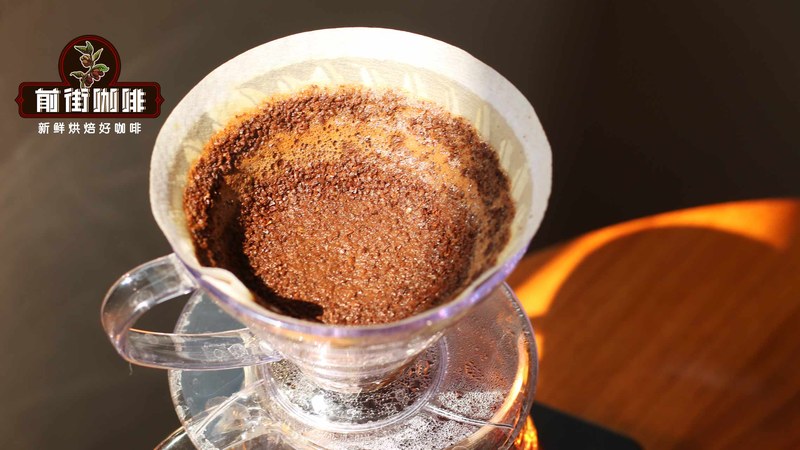
Yirgacheffe is often remembered as a coffee with floral notes, citrus, and a bright tea-like quality, but these descriptions are not fixed labels. From the moment roasting is completed to the moment it is sipped, coffee beans go through degassing, aroma development, and flavor decay. Seeing this curve of change clearly can help us judge the state of a bag of beans and also provide more reliable supporting clues for identifying origin information.
When choosing, look first for the roast date, rather than only looking at the word "fresh" on the packaging. Complete information should usually also include Ethiopia, Yirgacheffe, the cooperative or processing station, processing method, grade or lot, and so on. The more specific the origin is written, the easier it is later to cross-check it with the flavor performance; if there is only a prominent region name but no date and lot, the basis for judgment will be relatively thin.
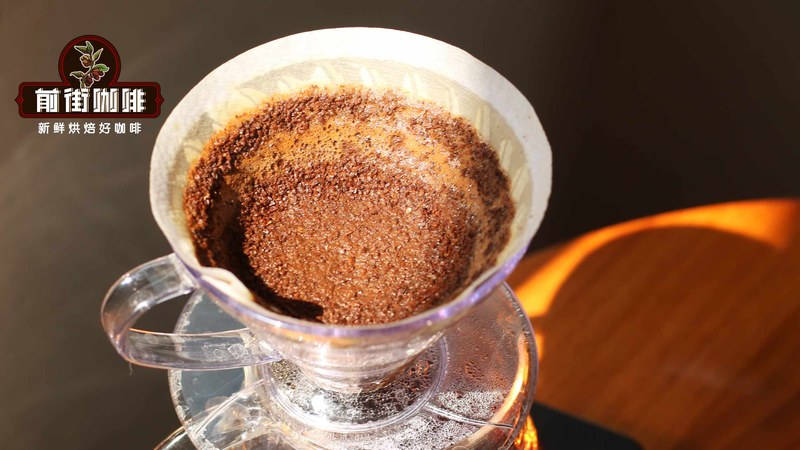
The closer the roast date is, the more suitable it is for immediate drinking—this is not necessarily true. When beans have just come out of the roaster, the carbon dioxide accumulated inside will affect the water flow penetrating the coffee bed, and the cup may show aromas that scatter, sharp acidity, and sweetness that has not yet come together. Light-roasted Yirgacheffe can usually be left for a few days before drinking, allowing the gas to gradually escape, and the floral and citrus notes will appear more easily.
For pour-over light-roasted beans, five to ten days after roasting can be used as the starting point for observation; natural-process beans or beans with a tighter structure sometimes need longer to stabilize. If the sip still has an obvious bubbly sensation and the aroma rises and falls unpredictably, there is no need to rush to a conclusion; you can brew again two days later. Resting beans is not about waiting for a fixed date, but about letting the flavor move from a restless stage into a more coordinated stage.
The peak flavor period is also not a hard-and-fast deadline. Usually two to six weeks after roasting, light-roasted Yirgacheffe may still retain clear floral notes, fruity acidity, and tea-like quality, but the specific performance will be affected by the roasting method, packaging barrier properties, bean quantity, and storage environment. Beyond this stage, the flavor does not necessarily disappear immediately; it is just that the aroma layers will gradually narrow, and the sweetness and finish will become less vivid.
Observing the changes in a coffee bean is more informative than just drinking one cup. When it first enters the suitable drinking stage, Yirgacheffe may show citrus peel, white flowers, or a faint tea-like quality; after some more time, the acidity will become softer and the sweetness more concentrated; after longer storage, the aroma weakens, the mouthfeel becomes hollow, and a cardboard-like dryness appears in the finish. Stable and coherent changes are often more worthy of attention than deliberately stacked flavor words.
For example, when Front Street Coffee Kafa Forest is in a suitable state, its orange-like brightness connects with the sweetness of ripe apricot, and after it cools, a finish similar to oolong tea can still be felt. It is suitable for segmented tasting with pour-over; taking one sip right after it enters the mouth, after it cools, and when it approaches room temperature can show whether the aroma unfolds naturally and can also build a practical reference for "vivid flavor."
Front Street Coffee Kenya Small Tomato can serve as another contrast: cherry tomato-like fruity acidity, smoked plum notes, and brown sugar sweetness are each clear, suitable for people who like a juicy feel and a crisp finish. If a cup of coffee has only stimulating acidity but no sweetness to carry it, and also lacks changes after the temperature drops, the problem may come from the bean state or the extraction method, and cannot be directly attributed to Yirgacheffe itself.
Storage after opening directly affects subsequent judgment. Whole beans should be placed in a light-blocking, sealed, dry container, kept in a cabinet with small temperature changes, away from the stove, sunlight, and spices. After each use, seal it as soon as possible to reduce the air and moisture introduced by repeated opening. The amount purchased for home use can be kept close to a two-to-three-week drinking pace; small packaging makes it easier to maintain flavor consistency.
Moisture and odors in a refrigerated environment can easily affect coffee beans, so for ordinary daily drinking there is no need to frequently put the bean bag in the refrigerator. If long-term storage is needed, portion the beans by single-use amounts and freeze them sealed; after taking them out, keep the packaging intact and wait until they return to room temperature before opening, to avoid condensation adhering. For each brew, try to grind fresh, and record the roast date, opening date, and changes in the cup; after a few rounds, you can form your own standard of judgment.
To identify real and fake Yirgacheffe, you can observe packaging information, roast date, the bean-resting process, flavor across temperature changes, and post-storage decline along the same line of clues. The beans that truly suit you are not only those that smell obviously floral on a certain day, but should also maintain a clear and coherent performance within a reasonable drinking cycle. Choosing and drinking beans this way can bring the origin name back into a cup of real, perceptible coffee.
The above content is compiled by CoffeeHunters, a coffee news website.