







Search Results for: dark roast brewing
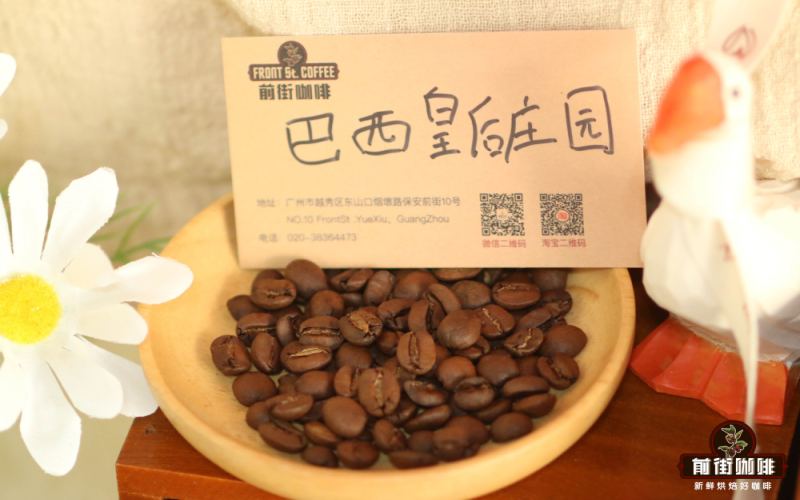
Dark Roast Coffee Bean Brewing Tutorial | Will Dark Roast Coffee Beans Taste Bitter as Hand-Brewed Black Coffee? Which Cocoa-Flavored Dark Roast Specialty Coffee Beans Are Recommended?
Traditionally, to highlight a rich and full-bodied coffee flavor, roasters commonly use dark roasting. The increased roast level promotes more caramelization of substances, so dark-roasted coffee typically carries abundant notes of chocolate, spices, caramel, cocoa, maple syrup, and the like. In terms of aroma, dark-roasted coffee has a hint of chocolate. [more…]

Why Does Hand-Brewed Dark Roast Coffee Taste Bitter? A Comprehensive Analysis from Roasting Principles to Extraction Parameters
Today, on pourover coffee menus, acidic beans dominate the mainstream, yet a group of veteran enthusiasts remains steadfastly devoted to the bitter flavors of dark-roasted coffee. Where exactly does this bitterness come from? How does the degree of roast influence the flavor trajectory of coffee? The nutty aroma, rich body, and bittersweet finish unique to dark-roasted beans are an experience that light-roasted beans find hard to replicate. Of course, a delicious cup of dark-roasted coffee also depends on proper brewing methods. Starting from the principles of roasting, this article analyzes the unique charm of dark-roasted bitter coffee, and using Golden Mandheling as an example, shares key parameters such as water temperature, grind size, dripper selection, and pouring technique, helping you brew a gentle, smooth dark-roast pourover at home. [more…]
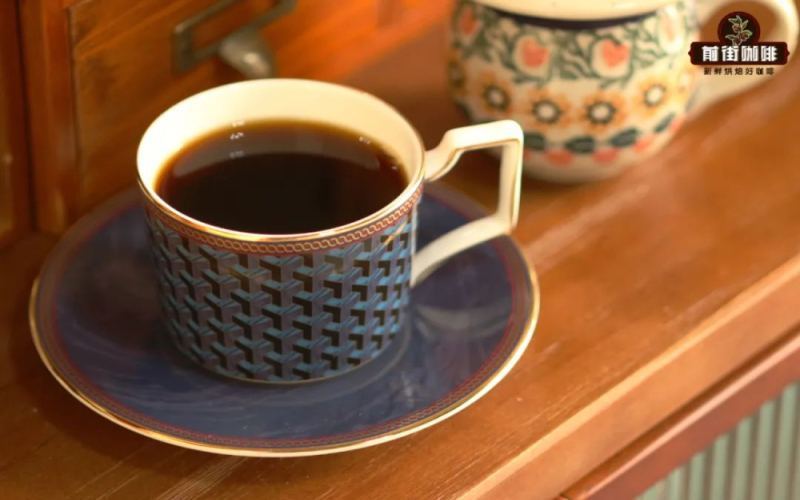
An Analysis of the Causes of Bitterness in Japanese-Style Dark Roast Coffee, and How to Brew Out the Sweet Finish of Dark Roast Beans
For those who encountered coffee around the turn of the millennium, black coffee often meant an lingering bitterness. This impression came from the dark-roasted beans popular in the last century, standing in sharp contrast to today's light-roast trend that pursues floral and fruity notes. So why exactly is dark-roasted coffee bitter, and what makes it so captivating? The answer lies in its aroma, body, and the sweet aftertaste that follows the bitterness. From Front Street's perspective, this article explores the unique charm of dark-roasted coffee and, addressing the challenges of dark-roasted beans being prone to over-extraction and their sweetness easily masked, offers a practical brewing strategy—including details such as the Kono dripper, coarse grinding, low water temperature, and a three-pour method—to help you brew the caramel sweetness and solid, full body of Golden Mandheling at home. [more…]
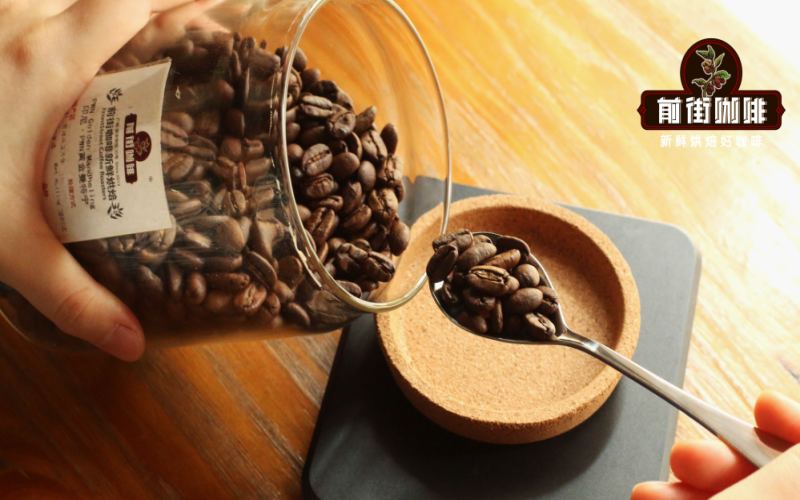
The Complete Guide to Grinding and Brewing Dark Roast Coffee Beans: A Detailed Explanation of Coffee-to-Water Ratio, Time, Dripper, and Pouring Techniques
Deep-roasted coffee beans are loved for their rich, full-bodied taste and complex flavors of chocolate, caramel, and spice. But brewing a delicious cup of dark roast coffee requires attention to every detail, from grind size and coffee-to-water ratio to dripper selection and pouring technique. Using the highly cost-effective Front Street Queen's Estate as an example, this article explains in detail the brewing parameters and techniques for dark roast coffee, including how to avoid a thin body by adjusting the ratio, how to judge the extraction state based on brewing time, why dark-roasted beans are better suited to the Kono dripper rather than the V60, and why you should avoid washing down the walls of the cup when pouring. Whether you are a beginner just getting into pour-over or a coffee enthusiast looking to refine your skills, this tutorial can help you more fully extract the rich flavors of dark-roasted beans. [more…]
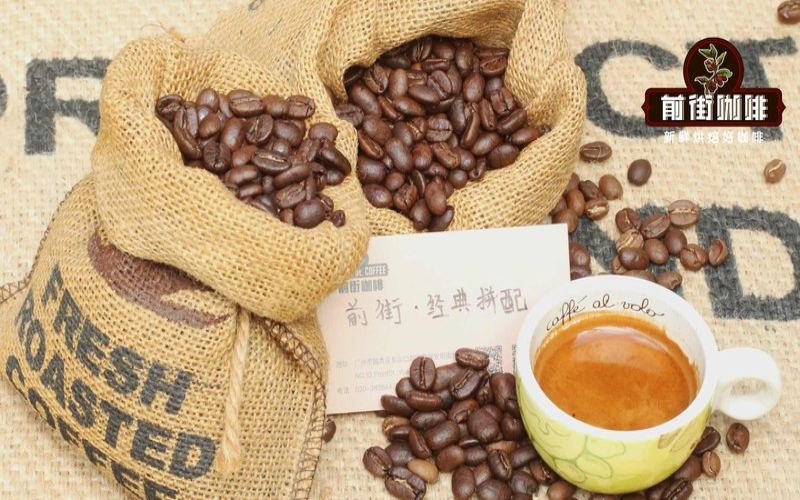
How to Choose Dark Roast Coffee Beans: From Roast Level to Everyday Brewing
The charm of dark roast coffee beans lies in their full body, deep aroma, and long finish. They often present notes of dark chocolate, roasted nuts, caramel, smoke, or spice, with acidity pushed to the background, making them suitable for pairing with breakfast in the morning or for making rich drinks with milk. If you prefer a solid, smooth coffee with a roasted feel, dark roast will be a good choice. [more…]
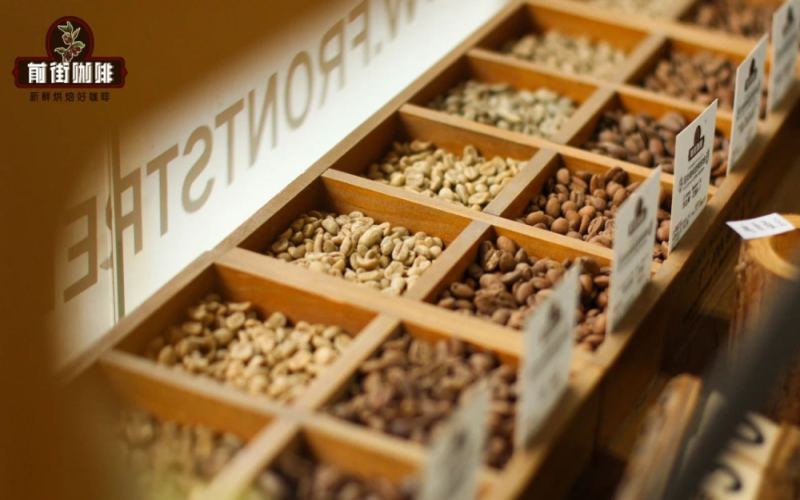
How to brew medium-dark roast pour-over coffee without bitterness? A flavor analysis of the acidity and bitterness differences between Yirgacheffe and Mandheling
Coffee beans must be roasted, ground, and brewed before they can present a cup of coffee with full aroma and rich flavor. Different roast levels bring entirely different flavor directions: the darker the roast, the higher the body, the lower the acidity, and the more pronounced the bitterness. This article starts with the characteristics of three types of beans—light roast, medium roast, and dark roast—to help you understand the relationship between roast level and flavor, and uses the light-roasted Front Street Yirgacheffe Gedingding and the dark-roasted Front Street Mandheling as examples to explain the approach to matching grind size and water temperature. It also shares four practical tips—low, gentle, slow, and coarse—so that medium-dark roasted coffee can also brew a soft and solid taste. [more…]
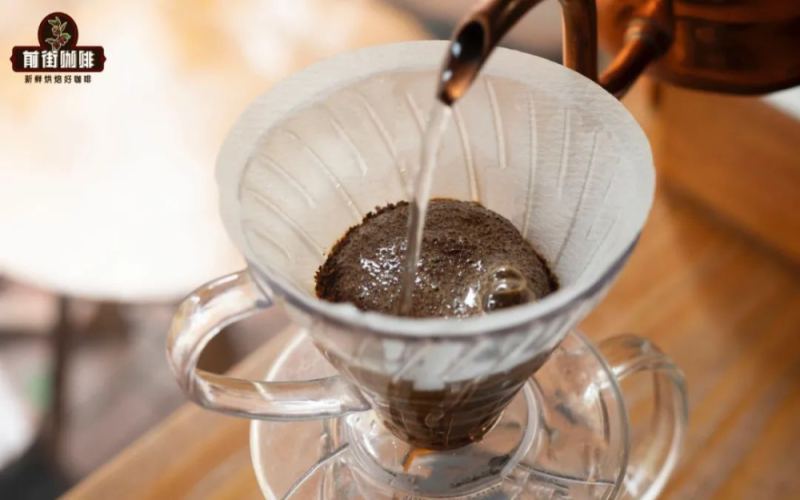
A Guide to Enhancing the Body of Dark Roast Black Coffee: Complete Techniques from Coffee-to-Water Ratio to Pouring Method
Many coffee enthusiasts often encounter the problem of a thin mouthfeel and lack of richness when brewing dark-roasted beans. Body refers to the sense of weight that the coffee liquid has in the mouth, and it is closely related to strength. Because dark-roasted beans have a loose texture, they are actually easier to brew into a thick mouthfeel. This article will systematically explain how to adjust parameters to enhance the body of dark-roasted coffee from four dimensions: coffee-to-water ratio, brewing time, dripper selection, and pouring technique. It also uses examples such as Front Street Coffee's Brazil Queen Estate coffee beans to help you identify the problem and brew a full, round dark-roast flavor. [more…]
Dark Roast Coffee Flavor Analysis: Taste Characteristics, Is It Suitable for Pour-Over? Plus Front Street Coffee Dark Roast Bean Recommendations and Brewing Tips
Is dark roast coffee actually good? Where does its rich, full-bodied taste come from, and is it suitable for pour-over brewing? This article starts with the classification of roast levels, sorting out the flavor differences among light, medium, and dark roasts, with a focus on how dark-roasted beans perform in pour-over, and offers adjustment ideas across four dimensions: coffee-to-water ratio, brewing time, dripper choice, and pouring technique. It also rounds up popular dark-roasted single origins such as Front Street PWN Golden Mandheling, Front Street Queen's Estate, Front Street Jamaica Blue Mountain No. 1, and Front Street Huila, as a reference for everyday bean selection. [more…]
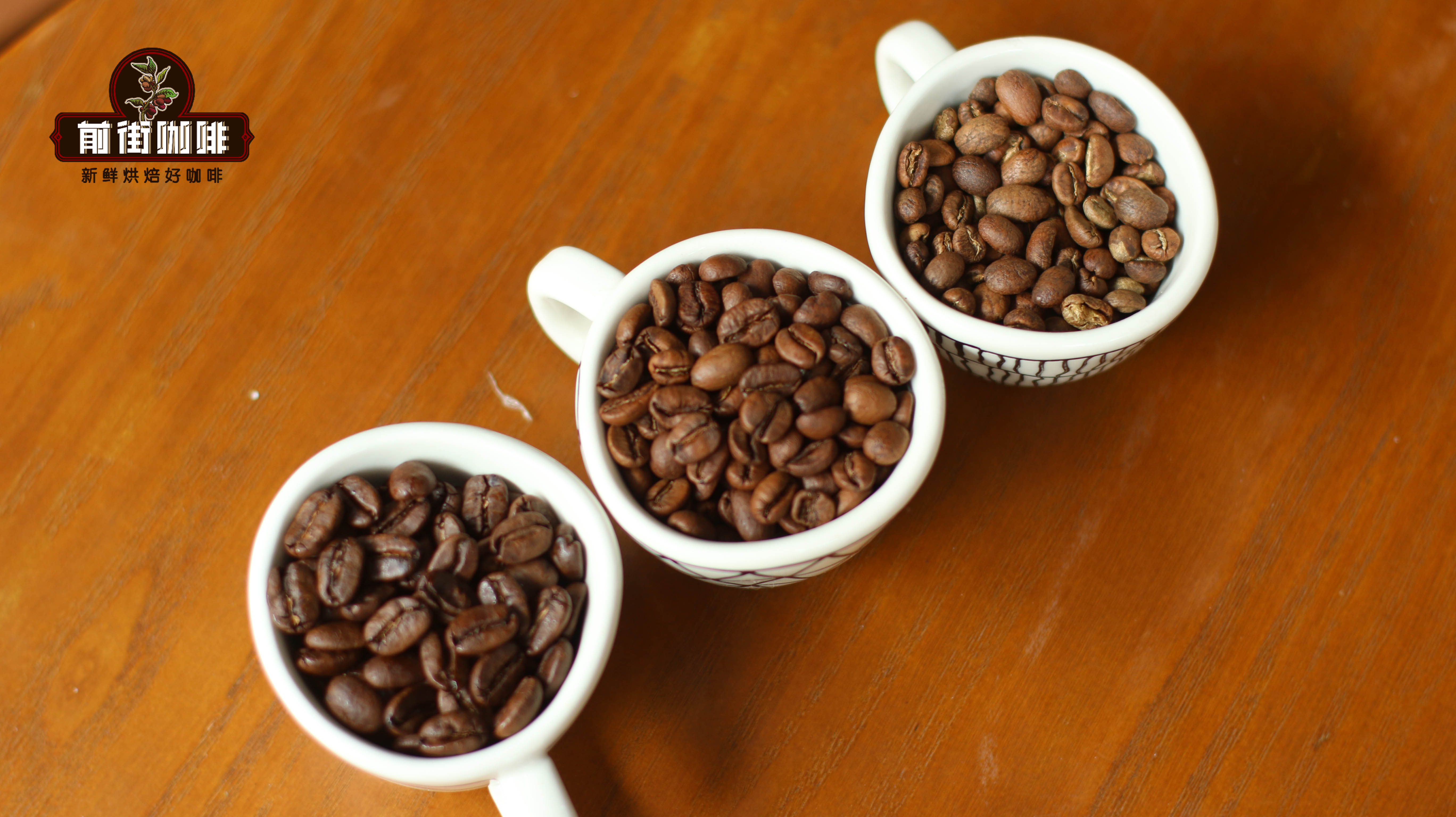
How to drink and brew dark roast coffee grounds and coffee beans? A detailed explanation of the high-concentration, low-extraction method and parameters that bring out a prominent sweet aftertaste
Deeply roasted coffee beans, due to sufficient caramelization, often present a richer mellow sweetness and caramel aroma. However, if brewed improperly, bitterness can easily overpower the sweet aftertaste. This article begins with the flavor characteristics of dark-roasted coffee and introduces how to better present the sweetness and sweet aftertaste of dark-roasted coffee through bean selection and brewing methods. It focuses on a Japanese-style high-concentration, low-extraction approach commonly used by Front Street Coffee, and provides specific brewing parameters and staged pouring steps for using Front Street Coffee Jamaica Blue Mountain No. 1 coffee, including coffee dose, coffee-to-water ratio, water temperature, grind size, dripper, and time, helping coffee enthusiasts brew a cup of dark-roasted coffee at home with moderate concentration and a pronounced sweet aftertaste. [more…]
Analysis of Flavor Differences Between Dark and Light Roasts of Kenyan Coffee and Practical Brewing with Pour-Over, French Press, and SOE
Kenyan coffee has always been known for its bright acidity, but historically there was also a mainstream practice of dark roasting. This article uses two Kenyan AA beans selected by Front Street Coffee—Karogoto and Asaliya—to compare the flavor and mouthfeel differences between dark roast and light roast, and documents in detail the brewing performance of pour-over, French press, and a dark-roasted Kenyan blend espresso. Starting from the roasting technology background of the second wave of coffee, the article also explains the origin of the saying "dark-roasted Kenya" and the changing logic of roast level choices in the specialty coffee era, providing coffee lovers with a reference that balances theory and practice. [more…]
A Curated Selection of Dark Roast Coffee Beans: A Comprehensive Analysis of Pour-Over Suitability, Parameter Settings, and Flavor Profile
Can dark-roasted coffee beans be used for pour-over? The answer is yes, but it requires a brewing approach completely different from that for medium-light roasts. Starting from the concept of body, this article sorts out the flavor differences among light, medium, and dark roast levels, and recommends popular dark-roast single origins such as Front Street PWN Golden Mandheling, Queen's Estate, Jamaica Blue Mountain No. 1, and Huilan. Then, focusing on four dimensions—coffee-to-water ratio, brewing time, dripper selection, and pouring technique—it breaks down one by one the parameter adjustment methods for pour-over with dark-roasted beans: how to avoid a thin mouthfeel, prevent under-extraction, choose a KONO dripper to extend immersion, reduce water flow washing against the cup wall, and other practical tips to help you consistently brew rich, full-bodied dark-roast coffee. [more…]
Medium-Dark Roast Coffee Beans Pour-Over Parameters Guide: A Complete Brewing Approach with Grind, Water Temperature, and the Kono Dripper
Pour-over coffee is not exclusive to light-roasted beans; medium-dark roasted coffee beans can also produce ideal flavors by adjusting parameters. Beans of different roast levels differ significantly in structure—medium-dark roasted beans are more porous and absorb water faster, so applying the brewing logic of light roasts can easily lead to over-extraction and bitterness. Drawing on Front Street Coffee's hands-on experience, this article systematically outlines the flavor characteristics of medium-dark roasted coffee and explains in detail the specific settings for grind size, water temperature range, coffee-to-water ratio, and dripper selection. Finally, it includes Front Street Coffee's standard three-pour brewing process and timing control to help you consistently reproduce a rich, sweet, and mellow medium-dark roasted pour-over at home. [more…]
Advanced Pour-Over Guide: A Breakdown of Grind, Water Temperature, and Pouring Techniques for Dark Roast Single-Origin Coffee
Many coffee enthusiasts hold a prejudice against dark roast beans, believing that the burnt bitterness masks the floral and fruity acidity that specialty coffee should have. However, dark roast beans are not doomed to taste bad—as long as you master the right brewing strategy, they can equally present a rich, full-bodied flavor with a long-lasting finish. Front Street Coffee will, drawing on years of experience, systematically sort out the key points for brewing dark roast single-origin coffee, from grind size, water temperature control, and coffee-to-water ratio to pouring technique. The article also uses [Front Street Jamaica Blue Mountain] as an example, providing specific parameters and operating steps to help you avoid over-extraction and bitterness, and unlock the chocolate, caramel, and lingering sweet aftertaste of dark roast beans. [more…]
Analysis of the Aroma and Rich Flavor of Dark Roast Coffee Beans: Blue Mountain vs. Mandheling and Front Street Golden Mandheling Brewing Guide
Many people's earliest memory of black coffee is often a cup of strong, bitter dark roast. Behind this bitterness lies not only the push of era memories and the need for alertness, but also a complex aroma woven from nuts, caramel, cream, and spices. Dark roast coffee is known for its rich body, bittersweet balance, and long-lasting sweet aftertaste, with Blue Mountain and Mandheling standing out as classic representatives. Front Street Coffee will guide you through the unique charm of dark roast coffee, and using Golden Mandheling as an example, share how to brew out the caramel sweetness and solid, full body of dark roast beans through a KONO dripper, coarse grind, low water temperature, and three-stage pouring—avoiding bitterness and off-flavors while presenting the complete profile of herbs, dark chocolate, and nuts. [more…]
Recommendations for non-acidic pour-over coffee beans | Is dark roast coffee suitable for pour-over black coffee? How to brew Bird of Paradise, Golden Mandheling, and Yunnan coffee beans so they taste good and not bitter?
For more specialty coffee knowledge, please follow our WeChat official account: FrontStreet Coffee. In yesterday's article sharing flavor descriptions, the section on "body" sparked a lively response among coffee friends, and a friend asked via the backend that the deep-roasted coffee he brewed had a mouthfeel compared to [more…]

Where Does the Bitter Flavor in Dark Roast Pour-Over Coffee Come From? A Full Analysis of Taste Description and Brewing Parameters
When the specialty coffee wave has made light-roast flavor descriptions flow as easily as reciting a menu, the tasting of dark-roast coffee often falls into the awkward position of having no words to describe it—nuts and chocolate seem to have become universal labels for bitter coffee, and a single word "mellow" is treated as the highest praise. In fact, the bitter flavor profile of dark-roast coffee is likewise composed of aroma and taste together, and tasting requires not only the tongue to perceive it, but also the nasal cavity to capture those overlooked layers of aroma. This article starts from the brewing practice of Front Street Coffee, systematically sorts out the flavor sources and mouthfeel expression of dark-roast coffee, and takes the most representative Front Street Indonesian Golden Mandheling as an example to break down in detail the grind size, water temperature, coffee-to-water ratio, and three-stage pouring technique, helping you brew a cup of sweetly fragrant, rich, and full-bodied dark-roast pour-over at home. [more…]
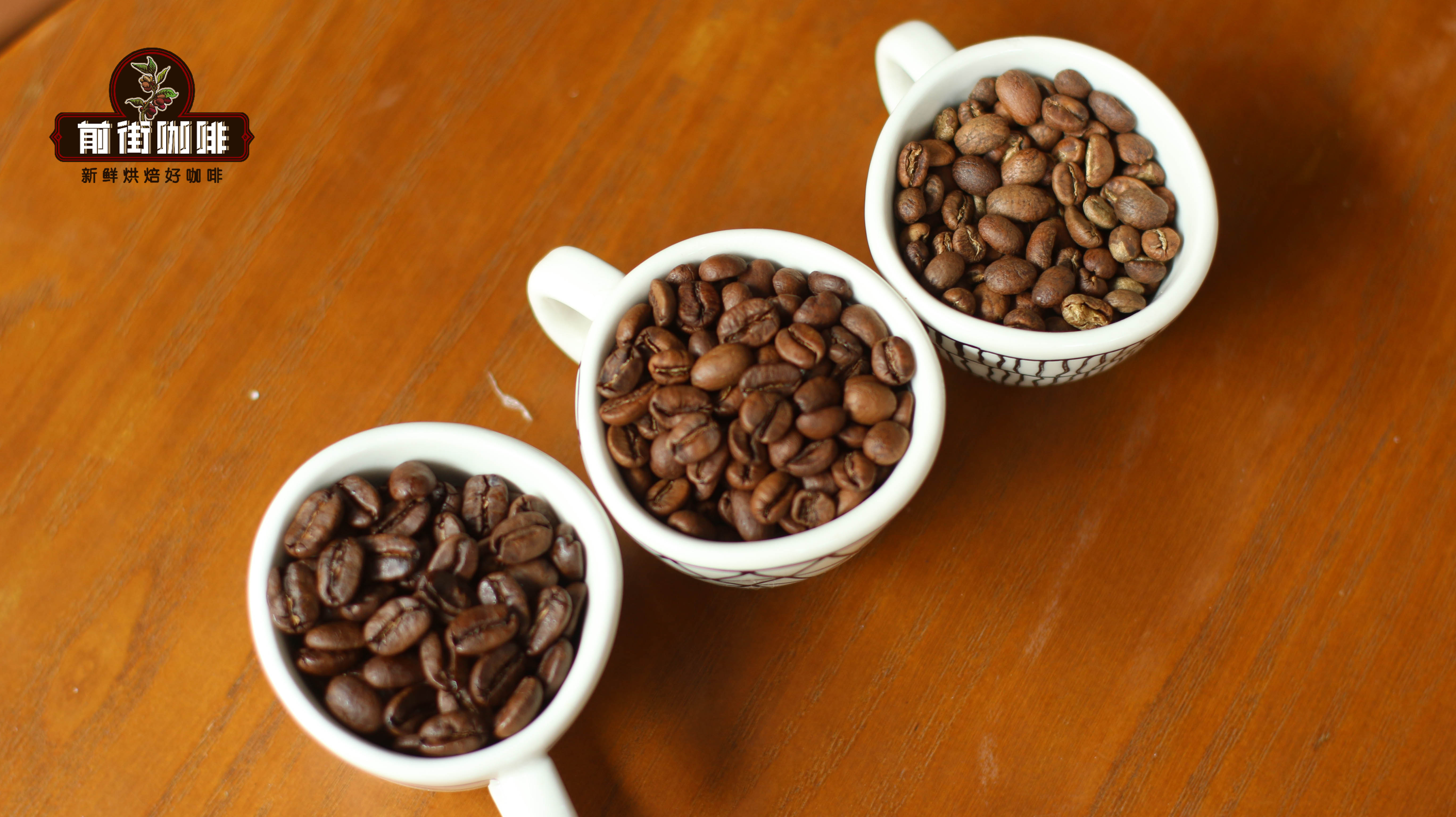
Jamaican Blue Mountain Brewing | Is deep-roasted coffee beans good for pour-over coffee? What are the high-quality pour-over dark-roast single-origin beans favored by seasoned coffee enthusiasts?
The roasting levels of coffee beans are divided into many types, and in specialized terminology the roasting levels mentioned can even be subdivided into eight stages, but in daily life we only need to summarize them into three: light roast, medium roast, and dark roast. Dark-roasted coffee beans can provide a large amount of mellow flavor and caramel aroma, because the longer the dark roasting time [more…]
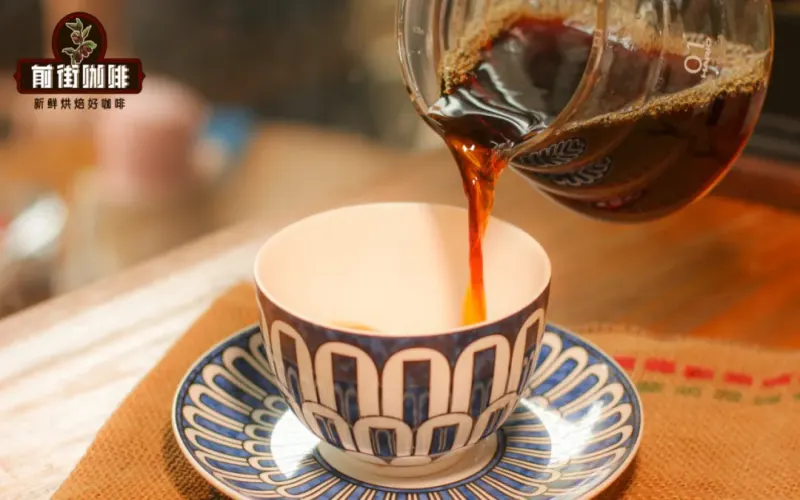
The Complete Guide to Pour-Over with Dark Roast Coffee Beans: Master Water Temperature, Grind, Dripper, and Pouring Rhythm for a Rich, Sweet Finish
Dark roast coffee beans have always had a loyal following thanks to their rich caramel-chocolate aroma, full and smooth body, and long, sweet finish. Yet getting a good cup out of dark roasted beans is no simple matter—their loose, porous structure means a moment's carelessness leads to over-extraction and bitterness. Drawing on their brewing experience with dark roast products such as Queen's Estate, Bird of Paradise, Blue Mountain No. 1, and PWN Golden Mandheling, Front Street Coffee breaks down the key parameters and techniques for pour-over dark roast beans one by one—from water temperature, grind size, and dripper selection to coffee-to-water ratio and the three-pour method—to help you reliably replicate a cup of dark roast coffee with prominent sweetness and a lasting finish in just two minutes. [more…]
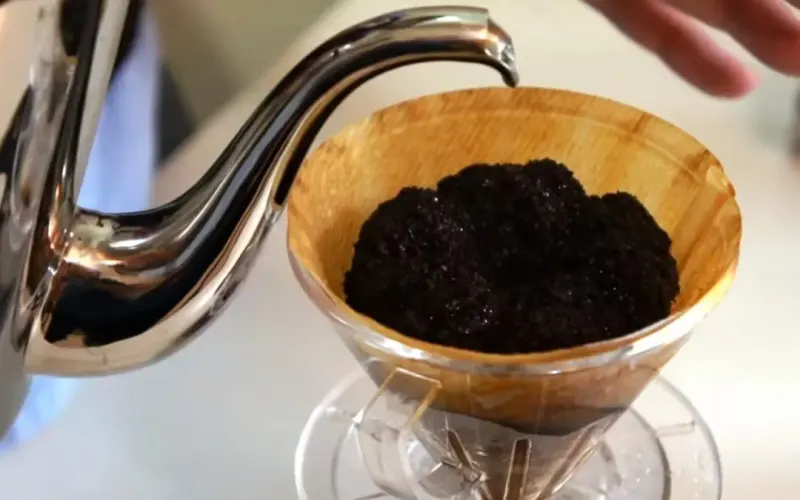
What Is High-Strength, Low-Extraction in Pour-Over Coffee? Japanese Dark Roast Brewing Principles and Practical Parameters Explained
Friends who enjoy Japanese-style dark roast coffee often notice a pattern: a large dose of grounds with a small amount of water produces a cup that is rich but not bitter. This approach has a professional name today—high concentration, low extraction. It is both a summary of past Japanese brewing traditions and an effective way to avoid the bitterness of dark-roasted beans. This article will start from the principles, explaining why Japanese brewing favors a large dose and a low extraction rate, and how doing so simultaneously enhances body and flavor intensity. Then Front Street will use PWN Golden Mandheling as an example to share a set of iced high-concentration, low-extraction practical parameters, including dose, ratio, grind, water temperature, and staged pouring, to help you easily recreate a classic dark roast flavor. [more…]
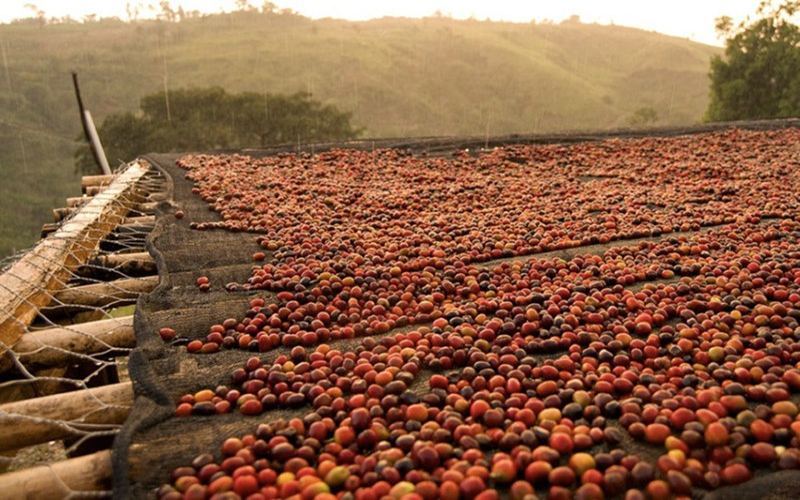
How to Choose Cold Brew Coffee Beans: A Flavor Guide from Light to Dark Roast
Cold brew coffee is left in the refrigerator to extract slowly; on the palate it is usually gentler than hot coffee, and its aromas also unfold in a different order. When choosing beans, the roast level is a very practical clue: light roasts lean toward bright fruit notes, medium roasts make it easier to taste sweetness and balance, while dark roasts bring cocoa, nuts and a rich body. First, decide which kind you want. [more…]