







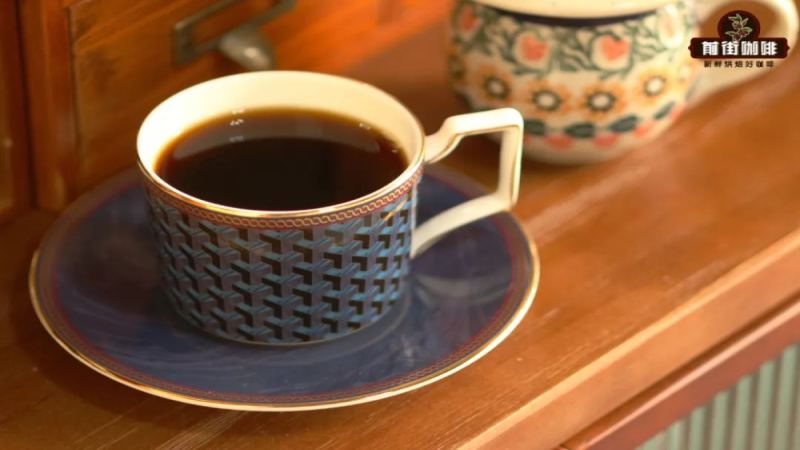
What Makes Deep Roast Coffee Taste Bitter and Sweet?
Deep roast coffee is roasted long enough to develop a bittersweet, full-bodied cup with aromas of nuts, caramel, cream, and spices. Blue Mountain and Mandheling are two classic examples, while Golden Mandheling shows how the style can still taste sweet rather than harsh. The bitterness many drinkers remember comes from that deep roast, not from black coffee itself.
Brewing Golden Mandheling with a KONO dripper, a coarse grind, lower water temperature, and a three-stage pour draws out caramel sweetness and body instead of burnt, astringent notes. The result leans toward herbs, dark chocolate, and nuts. This approach also explains why deep roast coffee remains a taste memory for drinkers born before 2000.
Many people's first memory of black coffee is often a cup of strongly bitter dark roast coffee. Behind this bitterness lies not only the push of era memories and the need for alertness, but also a complex aroma interwoven with nuts, caramel, cream, and spices. Dark roast coffee is known for its rich body, bittersweetness, and long-lasting sweet aftertaste, with Blue Mountain and Mandheling standing out as classic representatives. Front Street will guide you through the unique charm of dark roast coffee, and using Golden Mandheling as an example, share how to use a KONO dripper, coarse grind, low water temperature, and three-stage pouring to extract the caramel sweetness and solid richness of dark roast beans, avoiding bitter and harsh off-flavors, and presenting the complete flavors of herbs, dark chocolate, and nuts.
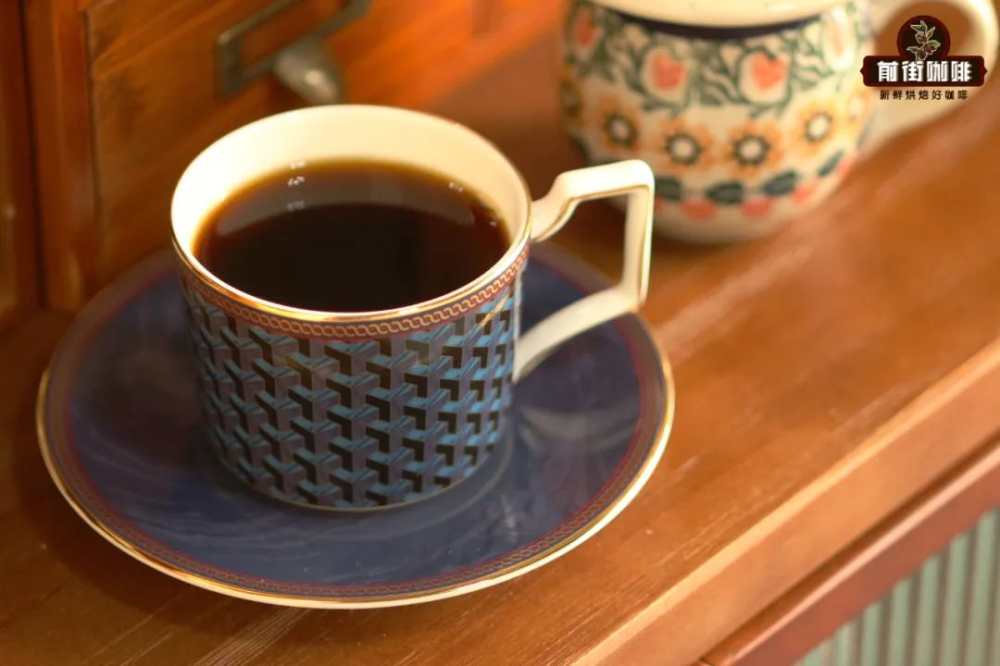
For more specialty coffee knowledge, please follow: Front Street Coffee (Frontsteet Coffee)
If you were born before 2000, your first impression of black coffee was probably uniformly bitter. Back then, if you wanted non-bitter coffee, basically only Nescafe 2-in-1 was available.
This single-flavor bitter coffee was actually brought about by the deep roast coffee beans that swept the scene at the end of the last century. It is completely opposite to today's sought-after light roast beans that emphasize floral notes and fruit acidity. Since it is so bitter, why do some people still favor it?
If you happen to have an older brother figure around you who prefers this kind of bitter coffee, try asking him. "Is this coffee bitter?" "Bitter!" "Then why do you like this bitter coffee?" "Hard to say, maybe I'm just used to drinking it." "I remember being drawn in by its aroma the first time. Although it tastes bitter, that bitterness is comfortable, hard to describe... Over time, I can't do without it." What this older brother said actually explains part of the reason some people love strong bitter black coffee—it is a taste memory belonging to an era. Back then, the taste of coffee was almost defined as "coffee flavor": bitter, smooth, and aromatic. People who liked this taste naturally became loyal coffee fans over time; those who did not like it simply had little connection with coffee.
Another reason is that coffee has long been treated as a functional beverage for refreshing the mind and waking one up. Many times people need it and rely on it, and in order to get the alerting effect, they are willing to make a small compromise in taste. Beyond the historical background, what Front Street will discuss next is what attractive charms dark roast coffee actually has.
-Coffee aroma-
The fascinating aroma of coffee originally referred to the scent given off by this cup of strong bitter dark roast black coffee. This type of aroma is a composite presentation of nuts, caramel, roasted chestnuts, cream, and spices. It is hard for people to resist the temptation of this aroma, and many friends, starting from smelling it, gradually came to like coffee step by step.
-Rich body-
Dark roast coffee has a mouthfeel that light roast beans find hard to match. Even today, many people still prefer Blue Mountain and Mandheling, largely because they can bring a richness and volume that other coffees do not have, letting the mouth and tongue feel an especially smooth and full texture.
-Sweetness-
That's right, even dark roast coffee has its own unique sweetness, namely sweetness within bitterness. Also taking dark roast Mandheling as an example, many people can easily identify the nutty bitterness and cocoa bitterness in the coffee. If you taste more carefully, you can also sense a caramel and maltose-like sweetness, which is exactly the "comfortable bitterness" the older brother mentioned.
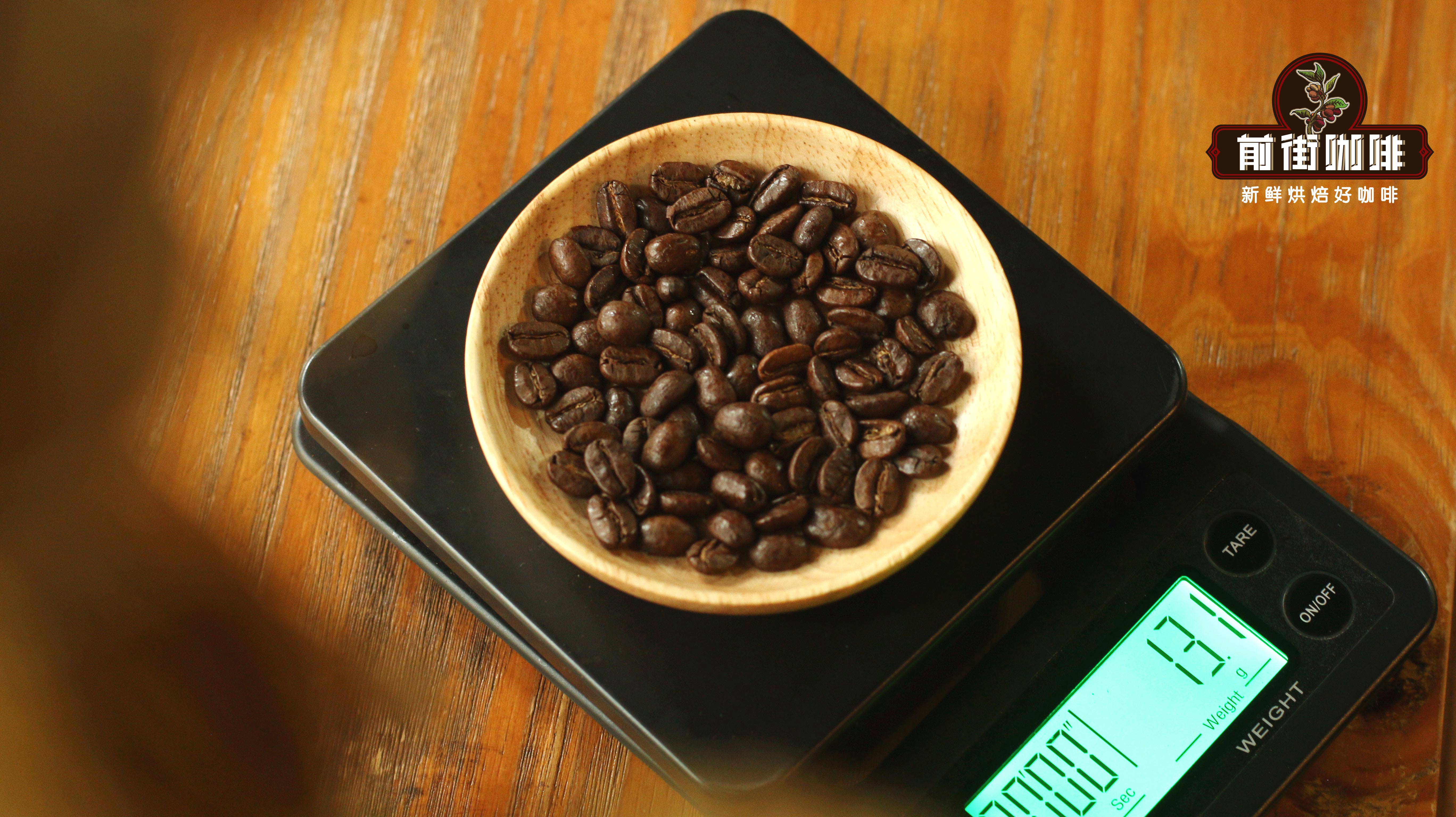
After the coffee is swallowed, the bitterness also dissipates, and sweetness follows. "Sweet aftertaste" is another important reason for liking bitter coffee, and it is also a characteristic that light roast coffee finds very hard to replicate.
The sweet-extraction approach for dark roast coffee beans
Friends who do not like acidity usually give priority to darker roast types when buying coffee beans, because such beans generally present roasting-type aromas like nuts, dark chocolate, almonds, and seeds, with a very low proportion of acidity, while sweetness stands out as cocoa, caramel, maple syrup, and similar notes.
But medium-dark and dark roast beans have been heated longer and more intensely, their texture is very porous, and they undergo more caramelization reactions than light roast beans, so under the same parameters, bitterness in the tail end is more easily released. Once the parameters are not controlled well, roasting-related bitterness tends to dominate, sweetness is masked, and the first sip may be so bitter it is hard to accept, while the astringency lingering in the throat also does not fade for a long time. Therefore, making dark roast coffee sweet is not only a required lesson for many beginners to improve their brewing skills, but also the key for experienced brewers to grasp coffee's balance.
In order to avoid extracting too many off-flavors while not losing mellow sweetness, Front Street uses a slow-flow KONO dripper, coarse granulated sugar grind, low water temperature (88°C), combined with a gentle small-circle pouring motion, and flushes the coffee grounds at a 1:15 coffee-to-water ratio, with the time controlled at around 2 minutes. Below, Front Street uses the store's dark roast representative, Golden Mandheling coffee beans, as the extraction subject to demonstrate the specific operation.
Extracting the sweetness of dark roast Golden Mandheling
Golden Mandheling coffee has a complex aroma. To taste the best flavor and mouthfeel, Front Street recommends choosing freshly roasted coffee beans for brewing. Coffee beans enter their best flavor period 4 to 7 days after roasting. Beyond this period (about a month and a half), the aroma gradually fades and produces woody defective flavors. Front Street believes that the freshness of coffee beans is especially important, so all shipped coffee beans are freshly roasted within 5 days. Adding logistics transit time, you can begin tasting as soon as you receive them.
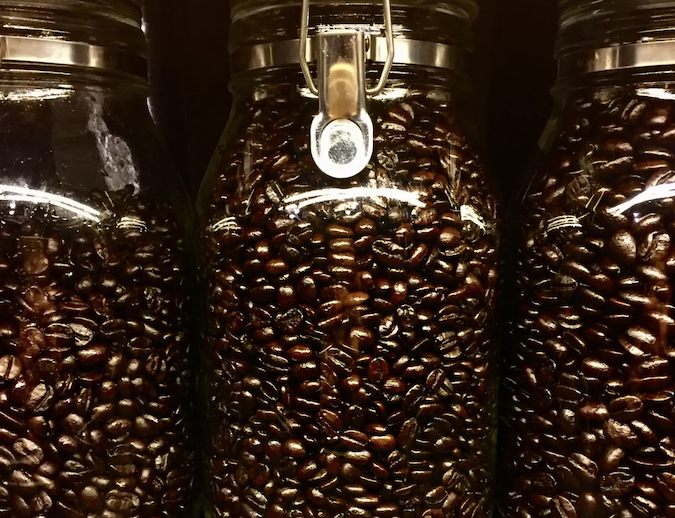
Front Street's brewing approach for each coffee bean is based on the characteristics the coffee shows during cupping. For example, the flavors of Golden Mandheling coffee include herbs, dark chocolate, caramel, nuts, pine wood, and so on. For such rich and full-bodied beans, the baristas at Front Street Coffee (FrontStreet Coffee) use a KONO dripper. KONO's ribs extend to less than half the height of the dripper. This design ensures that after the dripper is wet, it hugs the wall of the cup, restricting airflow, thereby increasing the water absorption time of the coffee grounds, making the extracted coffee more even overall, and enhancing the rich mouthfeel. In addition, the groove structure at the bottom of the KONO dripper is the key design that creates a siphon effect in the subsequent brewing.
Because dark roast coffee beans are relatively loose and highly absorbent, they can easily over-extract due to absorbing too much water, making the brewed Mandheling both bitter and astringent. Therefore, Front Street will adjust the grind coarser and brew with slightly lower-temperature water.
Suggested brewing parameters: Water temperature: 87–88°C Coffee grounds: 15 grams Coffee-to-water ratio 1:15 Grind: medium grind (70% passing rate on Chinese standard No. 20 sieve)
The brewing method uses three-stage pouring. Dividing into three stages can better show Golden Mandheling's rich mouthfeel and caramel sweetness. In the first stage, pour 30 ml for blooming. This pour should completely wet the coffee grounds to allow degassing and prepare for better extraction of flavor substances later; in the second stage, pour 100 ml, mainly to flush out Mandheling's golden foam and raise the coffee bed; in the final stage, pour 95 ml gently from the center, and after all the coffee liquid has filtered through, remove the dripper and gently swirl the coffee in the server to even it out.
The hand-brewed Front Street PWN Golden Mandheling coffee tastes very intense, giving off an aroma of spices and herbs, and overall showing a solid rich mouthfeel, along with caramel sweetness and flavors of chocolate and nuts.
The above content is compiled by CoffeeHunters, a coffee news website.


