







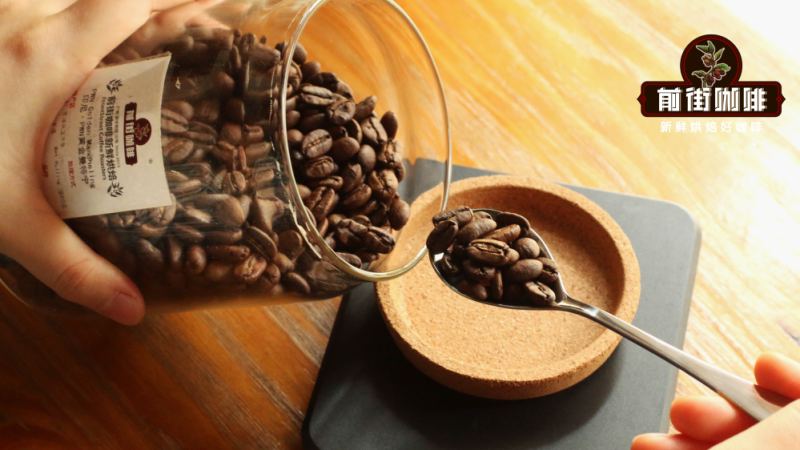
How to use a coffee pot style dripper for dark roast beans?
Dark roast coffee beans brew well at a coffee-to-water ratio between 1:14 and 1:15, with the final ratio held near 1:15 to keep the cup from tasting thin. A Kono dripper suits these beans better than a V60, and pouring should avoid washing down the dripper wall so the bed stays even.
Deeper roasting caramelizes more of the bean, producing chocolate, spice, caramel, cocoa, and maple syrup notes with low acidity and a slight chocolate bitterness. When making coffee in a pot or dripper, watch brew time to judge extraction: too fast means under-extraction, too slow means bitterness, so grind and pour need adjusting.
Deep-roasted coffee beans are loved for their rich, full-bodied taste and abundant flavors such as chocolate, caramel, and spice. But to brew a delicious cup of dark-roasted coffee, every step matters—from grind size and coffee-to-water ratio to dripper choice and pouring technique. This article uses the highly cost-effective Front Street Queen's Estate as an example to explain in detail the brewing parameters and techniques for dark-roasted coffee, including how to adjust the ratio to avoid a thin mouthfeel, how to judge the extraction state based on brewing time, why dark-roasted beans are better suited to the Kono dripper rather than the V60, and why you should avoid washing down the dripper wall when pouring. Whether you are a beginner just getting into pour-over or a coffee enthusiast looking to refine your skills, this tutorial can help you more fully extract the rich flavors of dark-roasted beans.
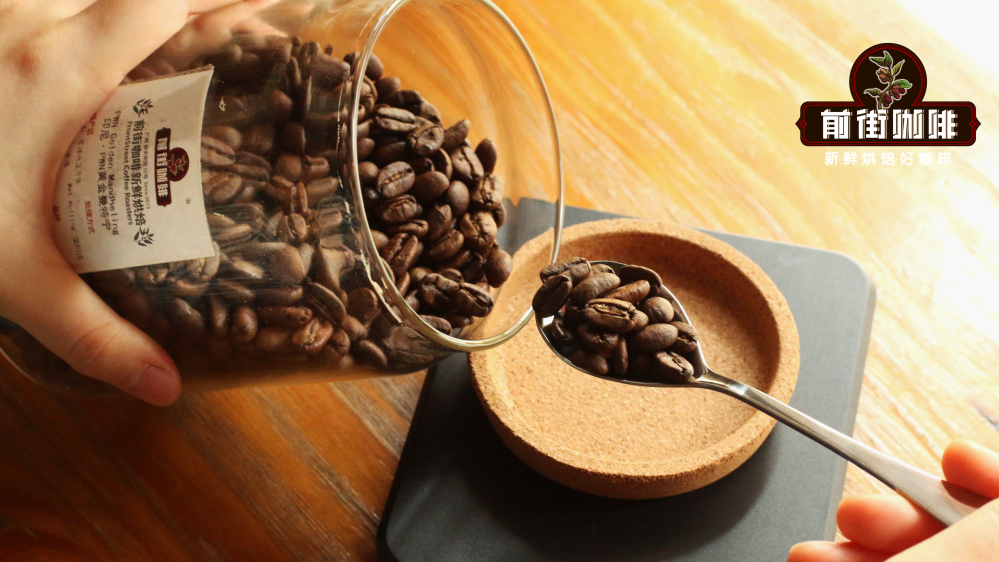
In the past, roasters usually chose dark roasting to bring out coffee's richness and intensity. As the roast level deepens, more components inside the beans undergo caramelization, so dark-roasted coffee often shows rich tones such as chocolate, spice, caramel, cocoa, and maple syrup.
In terms of aroma, dark-roasted coffee has a slight chocolate bitterness, relatively low acidity, prominent caramel aroma, and notes of spice, wood, and char. Common dark-roasted single-origin beans on the market include Indonesia's Front Street PWN Golden Mandheling, Brazil's Front Street Queen's Estate, Jamaica's Front Street Blue Mountain, and Colombia's Front Street Huila, all of which are popular choices.
How should dark-roasted coffee be brewed to taste good?
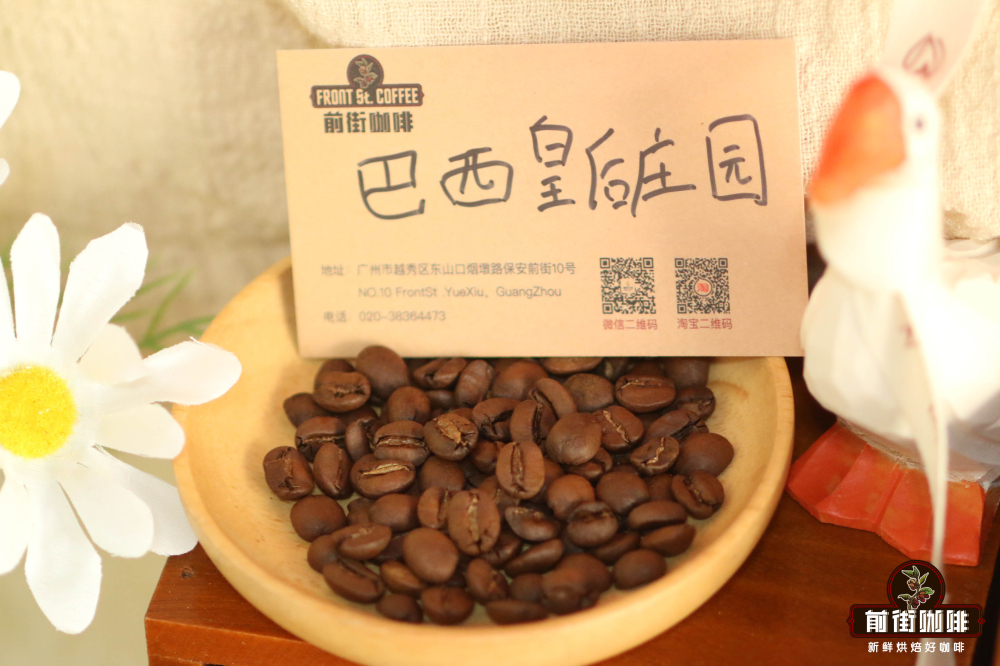
To explain the brewing steps more clearly, here we use the highly cost-effective everyday bean—Front Street Queen's Estate. It uses a medium-dark roast, retaining a sugarcane-like sweetness while also carrying flavors of roasted nuts, cocoa, and cream. The specific pour-over parameters are as follows:
1. Coffee-to-water ratio
When Front Street brews dark-roasted coffee, it keeps the coffee-to-water ratio between 1:14 and 1:15. If the ratio exceeds 1:15, too much water will dilute the strength, and the finished cup will easily taste thin. Therefore, keeping the final ratio stable at 1:15 is most appropriate.
Because everyone perceives mouthfeel, flavor, and strength differently, if you feel that coffee brewed at this ratio is still on the weak side and not full-bodied enough, you can also reduce the water to 1:13 or 1:14. Of course, the problem may also lie in timing control.
2. Brewing time
When Front Street brews dark-roasted coffee, the grind size reference is granulated sugar, corresponding to a 75% passing rate on the China No. 20 sieve, and the total brewing time for one pot of coffee should be controlled at about 2 minutes.
But if, after repeatedly adjusting the ratio, the dark-roasted coffee is still thin, then it is most likely under-extracted. At this point, pay attention to the brewing time: if you use more than 15 grams of beans but the brewing time is only about 1 minute 30 seconds, it is very likely that the grind is too coarse, causing the water to pass through too quickly.
In this case, you can grind finer and extend the brewing time to between 2:00 and 2:30, allowing the coffee grounds to be more fully extracted, and the mouthfeel will naturally become fuller.
3. Dripper choice
When Front Street brews dark-roasted beans, it does not use the common V60 dripper, but the Kono dripper. The reason is that the V60's flow-rib design makes water drain relatively quickly, making it more suitable for medium-light roasted coffee. Medium-light roasted beans need a finer grind to show more layered flavors; if the dripper extracts too slowly, it is instead prone to over-extraction, so the fast-draining V60 fits medium-light roasted beans better.
Dark-roasted coffee beans are looser in texture and have high extraction efficiency, so aromatic substances are released very easily. Therefore, a coarser grind than for medium-light roasts is needed to reduce extraction efficiency and avoid over-extraction. In this situation, if you then use a V60 dripper, which drains relatively quickly, it is very easy to cause under-extraction.
The Kono dripper's flow ribs are distributed only in the lower half, and this design can slow the drainage speed and effectively extend the immersion and extraction time of the coffee grounds. So when Front Street brews dark-roasted beans, it chooses the Kono dripper to make the extraction more complete and the mouthfeel fuller.
4. Pouring technique
The pouring technique mentioned here is not about whether to use a three-pour or one-pour method, but a reminder to avoid letting the water stream wash down the dripper wall as much as possible. If the water column hits the dripper wall directly during brewing, what problems will that cause?
Exactly! The water will flow straight down along the dripper wall, and what lands in the server is not extracted coffee liquid, but just plain hot water. In this way, it not only reduces the actual extraction but also dilutes the coffee liquid already in the server, so the mouthfeel naturally becomes thin. Therefore, when pouring in circles, try to avoid repeatedly washing down the dripper wall so that you can ensure a satisfying final taste.
The above content is compiled by CoffeeHunters, a coffee news website.


