







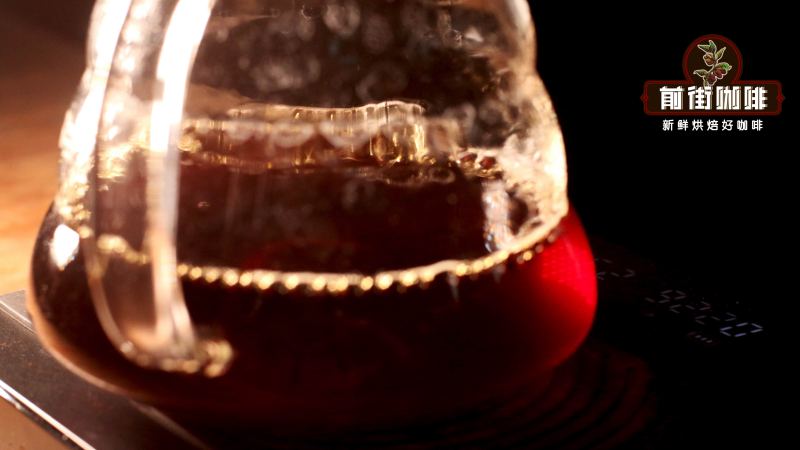
What Does Coffee Knowledge Say About Dark Roast Pour-Over?
Dark roast coffee can work well in a pour-over, but it needs parameter changes. Darker roasting drives caramelization further, leaving beans more porous, so they give up body and sweetness easily. The result is a heavier mouthfeel but less fruit acidity and floral aroma than a light or medium roast of the same origin.
Brewing adjustments center on four variables: coffee-to-water ratio, contact time, dripper choice, and pouring technique. A lower ratio and shorter, gentler pours limit over-extraction of the roast character. Popular dark-roast single origins include Golden Mandheling, Queen's Estate, Jamaica Blue Mountain No. 1, and Huilan, all roasted dark and suited to daily brewing.
Is dark roast coffee actually good? Where does its rich mouthfeel come from, and is it suitable for pour-over extraction? This article starts with the classification of roast levels, sorts out the flavor differences among light, medium, and dark roasts, focuses on analyzing the performance of dark-roasted beans in pour-over, and offers adjustment ideas around four dimensions: coffee-to-water ratio, brewing time, dripper selection, and pouring technique. It also compiles popular dark-roast single origins such as Front Street PWN Golden Mandheling, Front Street Queen's Estate, Front Street Jamaica Blue Mountain No. 1, and Front Street Huilan for daily bean selection reference.
For more specialty coffee knowledge, please follow the WeChat official account: Front Street Coffee (FrontStreet Coffee)
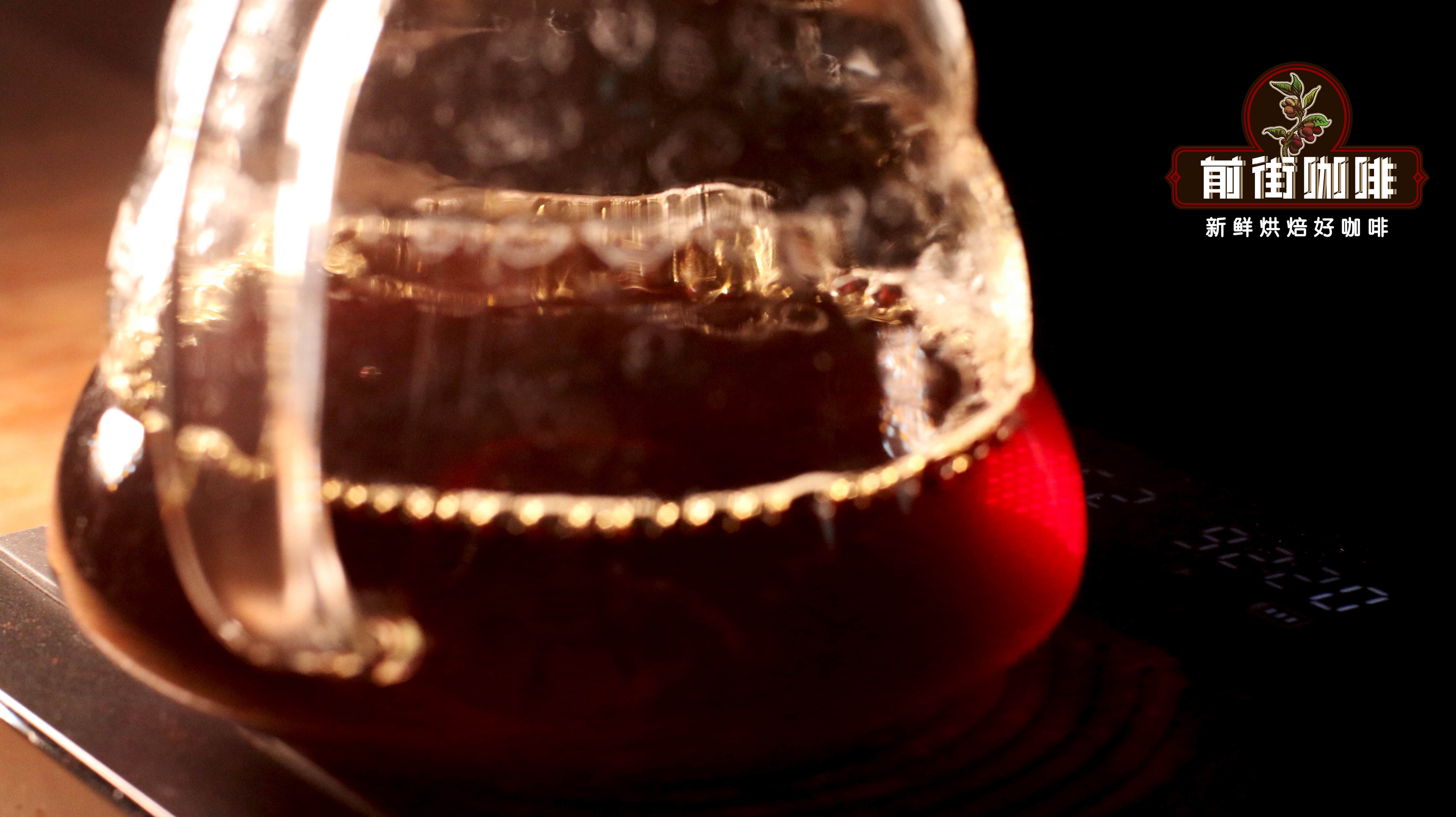
Let's clarify this concept first: so-called body refers to the sense of weight that the coffee liquid presents in the mouth—whether it feels light and airy or solid and heavy. It is somewhat related to the concentration of the coffee liquid; when concentration is lower, the mouthfeel is thinner, while higher concentration makes it feel fuller. Dark-roasted beans have a looser structure, making it easier to obtain a rich texture during extraction.
Therefore, if the dark-roast coffee you usually brew tastes thin, it is worth reviewing your brewing data, finding the root cause in the parameters, and making adjustments.
In the past, roasters often chose dark roasting to give coffee a rich, heavy mouthfeel, which also helped avoid defective flavors in the beans. Later, as the specialty coffee concept emerged, people turned to pursuing origin character and favored clean, bright flavors with prominent acidity and sweetness, so light roasting gradually became the trend. The darker the roast, the more complete the caramelization reaction; if you want to retain more fruit acidity and floral aroma, you need to use a lighter roast.
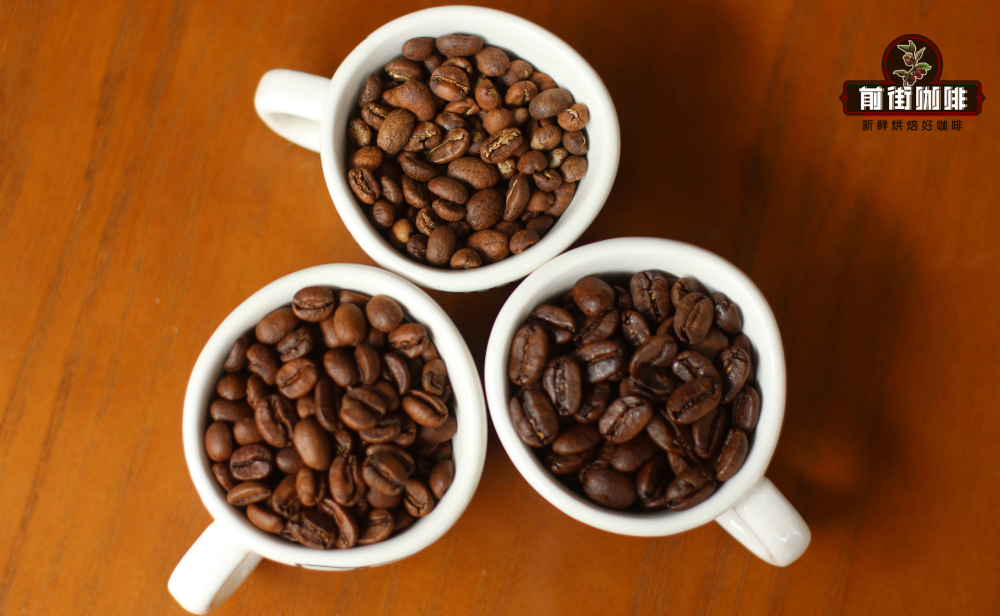
Common roast levels on the market can be roughly grouped into three categories: light roast, medium roast, and dark roast.
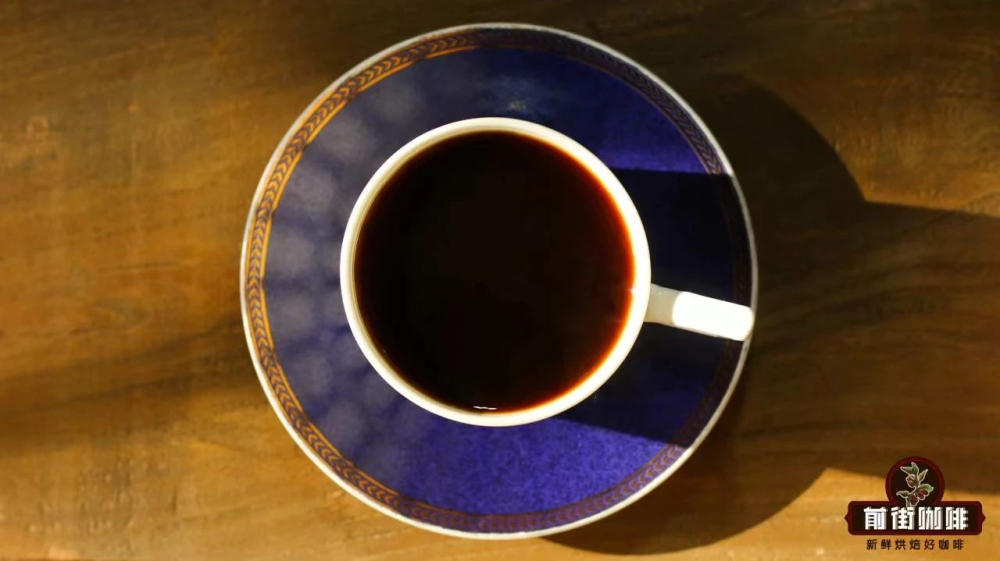
Light roast: prominent fruit character, with sweet-and-sour floral and fruity aromas, and relatively strong acidity. For example, Front Street washed Yirgacheffe Gedeb Cooperative coffee beans.
Medium roast: nutty character, mainly caramel, cocoa, and malt notes, while still retaining some acidity. For example, Front Street Bird of Paradise and Front Street 2013 Sun-Dried Red Cherry coffee beans.
Dark roast: slight chocolatey bitterness, low acidity, rich caramel aroma, accompanied by spicy, woody, and charred notes. There are many dark-roast beans to choose from; recommended are Front Street PWN Golden Mandheling coffee beans, Front Street Queen's Estate, Front Street Jamaica Blue Mountain No. 1, Front Street Huilan... these are all quite popular dark-roast single origins at Front Street.
1. Coffee-to-water ratio
2. Brewing time
3. Dripper selection
4. Pouring technique
The above content is compiled by CoffeeHunters, a coffee news website.


