







How does the roasting process shape brew flavor?
The roasting process determines how a coffee bean tastes once brewed. Darker roasts raise body, lower acidity, and increase bitterness, while light roasts keep the bean's original character and vivid acidity. This guide explains how to match grind size and water temperature so medium-dark roasted coffee, such as Mandheling, can be brewed with a soft yet solid mouthfeel.
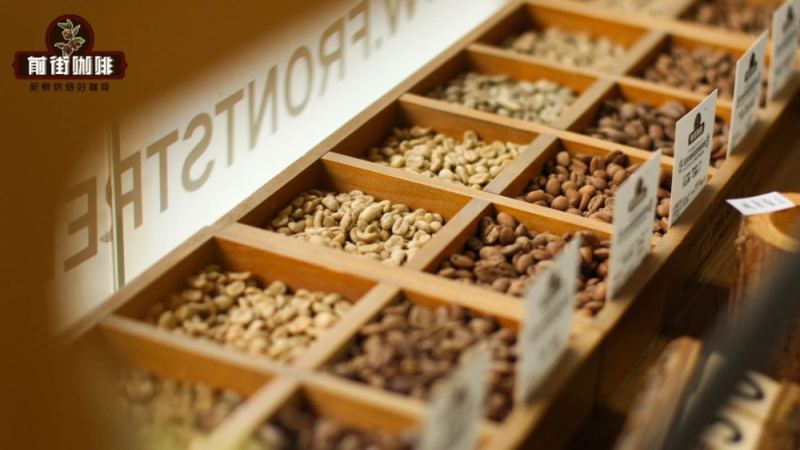
Front Street's light-roasted Yirgacheffe Gidding and dark-roasted Mandheling show how roast level changes flavor direction. Roast level is usually judged by the color of the bean's surface: light, medium, or dark. Four practical techniques, described as low, gentle, slow, and coarse, help balance extraction and reduce harsh bitterness in medium-dark roasts.
Coffee beans only reveal a full-bodied aroma and a rich mouthfeel after roasting, grinding, and brewing. Different roast levels bring completely different flavor directions: the darker the roast, the higher the body, the lower the acidity, and the more pronounced the bitterness. This article starts with the characteristics of three types of beans—light, medium, and dark roast—to help you understand the relationship between roast level and flavor. Using the light-roasted Front Street Yirgacheffe Gidding and the dark-roasted Front Street Mandheling as examples, it explains how to pair grind size with water temperature, and also shares four practical techniques—low, gentle, slow, and coarse—so that medium-dark roasted coffee can also be brewed with a soft yet solid mouthfeel.
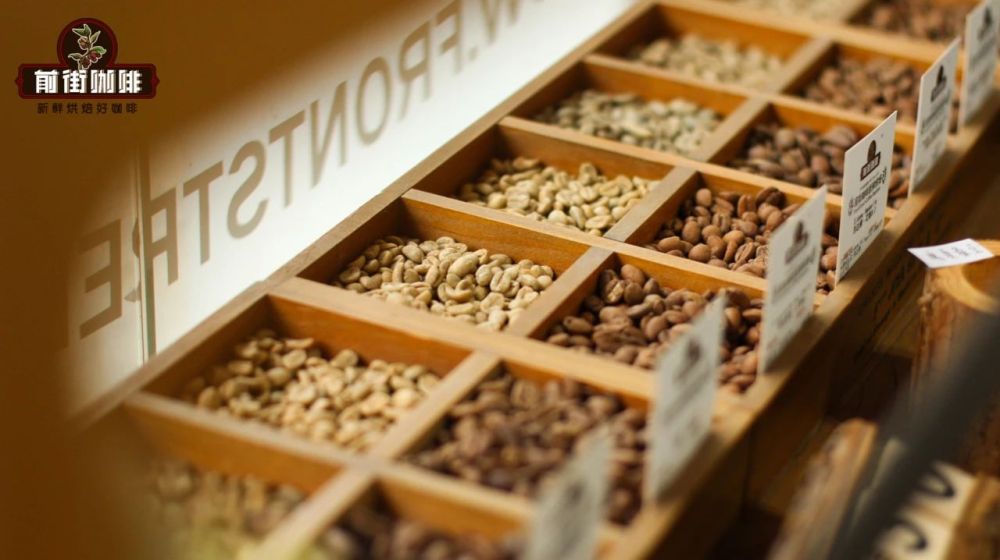
Green coffee beans must be roasted before they can be ground and brewed, and only then can they become a cup of sweet, delicious, and layered coffee. Beans of various roast levels have different expressions and can be roughly grouped into three major categories: light roast, medium roast, and dark roast. The darker the roast, the stronger the coffee's body, the lower the acidity, and the correspondingly higher the bitterness. Next, Front Street will take you through how to brew a cup of medium-dark roasted coffee and master the techniques all at once.
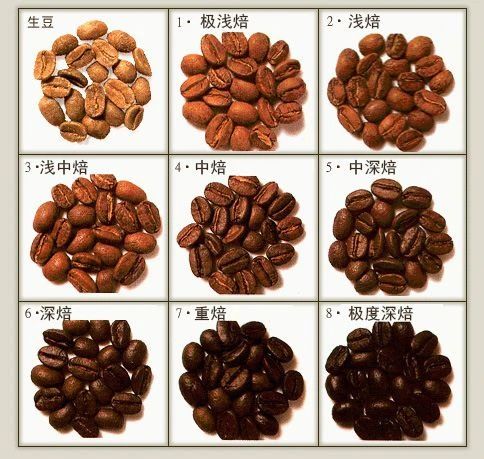
Roast level is usually judged by the color of the bean's surface: light, medium, or dark. Although this is not the most precise method, because some coffees are naturally darker or lighter in color, it is still the most convenient reference. When buying coffee, you should have your own expected characteristics for different roast levels.
Light roast preserves the coffee bean's original personality best
Light-roasted beans appear light brown or tan, have less oil after roasting, and among all roast levels have the most prominent and vivid acidity. When coffees from different origins are presented as light roasts, they best reflect the quality of that bean, and what you taste is almost entirely the coffee's original flavor. This is also why cupping usually uses light-roasted beans.
Medium roast balances acidity and body
Medium-roasted coffee shows a darker brown than light roast, and oil sometimes appears on the surface. This roast level allows the roaster to bring out the coffee's flavor and aroma while balancing acidity and body. In medium roast you can still taste the coffee's original flavor, but the vivid acidity is replaced by a full body due to the roasting process.
Dark roast shows full body and intense flavor
Dark-roasted beans appear dark brown or even nearly black, carry chocolate-like flavors, and show oil on the surface. Dark-roasted coffee is rich in oils, and when tasting it you almost only perceive the flavors produced during roasting. The vivid acidity of a light roast is replaced by the body of a dark roast. After dark roasting, the coffee's original flavor almost disappears, and it is very difficult to taste regional flavors or characteristics brought by batch processing.
Everyone prefers a different roast level, and different roast levels show different characteristics of coffee. Understanding these can help you better know coffees of different natures, whether you like light, medium, or dark roast. Why not try different coffees with different roast levels? Only after trying will you know what roast level suits you best.
Grinding coffee beans is the first step in brewing, and also a step where many people easily make mistakes—either too fine or too coarse—indirectly affecting the coffee's mouthfeel. To precisely control coffee powder coarseness, it is recommended to use an electric grinder with adjustable settings to accurately control the grind. Taking the small Fuji grinder as an example, the best coarseness for pour-over coffee powder is between settings 3-4, and fine granulated sugar can be used as a reference.
Taking the small Fuji grinder as an example, the best coarseness for pour-over coffee powder is between settings 3-4, with a sieve pass rate of 80%
Simply put:
Light-roasted Front Street Yirgacheffe Gidding: needs a fine grind, water temperature 90-91°C
Dark-roasted Front Street Mandheling: needs a medium-coarse grind, water temperature around 88°C is enough
Different brewing methods and habits each have their own suitable grind coarseness. Divided by brewing method, Espresso is suitable for a fine grind, filter pour-over and siphon are suitable for a medium grind, and a French press is suitable for a coarse grind. If you look at the length of time the coffee powder soaks in water, the longer the time, the coarser the grind particles should be; the shorter the time, the finer the grind particles should be. However, this is only a general principle. In daily practice, you might as well try more, and you will surely find the brewing method and habits that suit you best.
If the grind is uneven, fine particles are extracted by water faster than coarse particles, making extraction time difficult to control: in the same amount of time, fine particles are over-extracted due to soaking too long, while coarse particles are under-extracted due to soaking too little. Coffee like this definitely will not taste good.
Below are four techniques to share.
First: low (low temperature)
For medium-dark roasted beans, it is recommended to brew at 86 to 88°C. Lowering the water temperature a little can slow the extraction speed and reduce the extraction of bitter substances.
Second: gentle (the water flow should be gentle)
Pour the water gently to reduce the impact of the water flow on the coffee bed. Control the water level height in the dripper, and after blooming, slowly pour water from a lower height, then let the coffee powder in the dripper seem as if it is being soaked. This can slow the extraction rhythm and easily produce coffee with a soft mouthfeel and solid flavor.
Third: slow (slowly in circles)
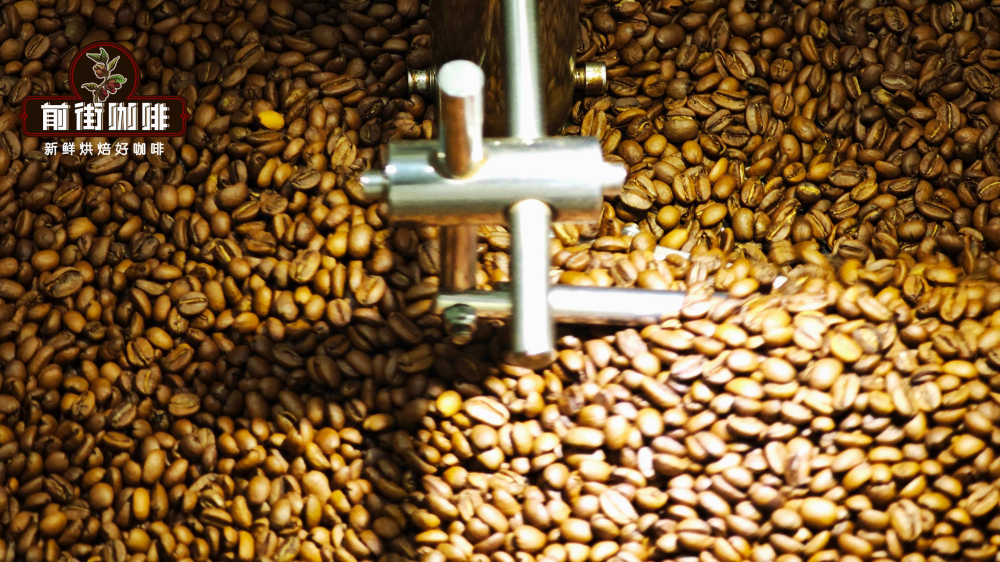
Slowly pour water onto the coffee bed from the inside out and then from the outside in. Pouring in circles too quickly increases the stirring effect of the water flow on the coffee, and easily makes medium-dark roasted beans taste more bitter. Minimize agitation of the coffee bed and let the coffee's flavor be extracted as much as possible through soaking. This can effectively control bitterness and astringency.
Fourth: coarse (coarse grind)
A coarse grind can reduce the contact area between coffee powder and water, making it harder for the coffee to bring out bitter, harsh, and astringent flavors from high-temperature water right at the start of brewing. Then, combined with slow brewing, the extraction time is extended, the water temperature in the later stage drops, and the flavor and mouthfeel substances are slowly brought out.
Looking purely from the principle of extraction, the cell expansion of light-roasted beans is relatively smaller than that of dark-roasted beans, and their water absorption is weaker. When water meets the cells, it takes more time to extract the desired substances. Basically, light roast can be ground fine, and dark roast can be ground coarse. If your coffee becomes bitter and astringent, you can try adjusting the extraction method for medium-dark roasted beans through the points above.
The above content is compiled by CoffeeHunters, a coffee news website.


