For more coffee origin information and coffee knowledge, please followCoffeeHuntersToutiao account
In yesterday's article sharing flavor descriptions with everyone, the section on "body" sparked a lot of feedback from coffee friends, and a friend asked in the backend that the dark roast coffee he brews tastes relatively thin—what methods can be used to improve the body of the coffee?
Let's revisit the basics: body refers to whether the coffee liquid feels light or thick in the mouth. This has a certain relationship with the concentration of the coffee liquid—the lower the concentration, the thinner it is, and the higher it is, the thicker it becomes. Dark roasted coffee beans, due to their relatively loose texture, are more likely to produce a thick mouthfeel when brewed.

So, if the dark roast coffee you usually brew tastes on the thin side, you can observe the brewing parameters to find out where the problem lies and make adjustments.
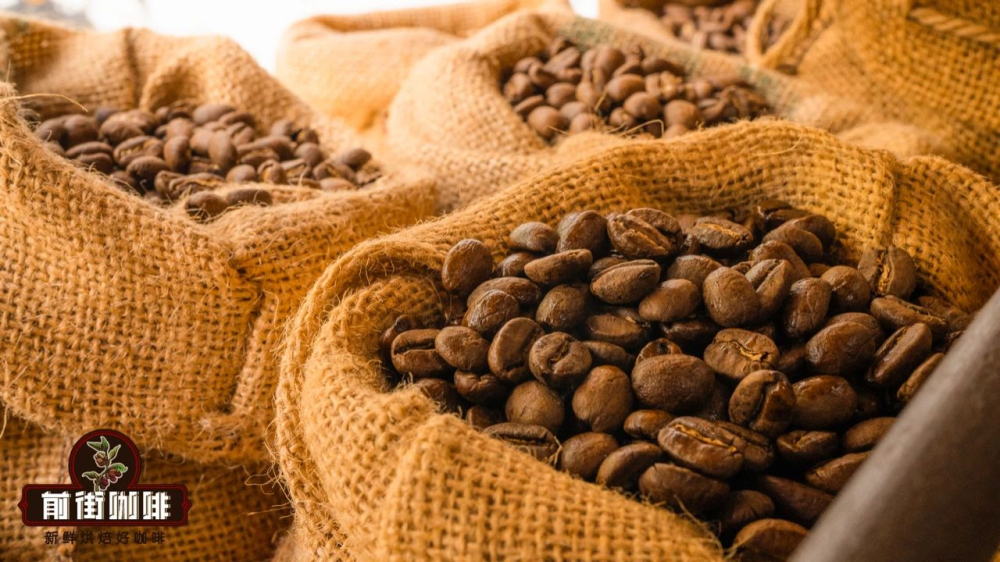
Traditionally, to highlight a rich and full-bodied coffee taste, roasters generally adopted dark roasting, which also made it less likely to taste defective flavors in the coffee. With the introduction of the specialty coffee concept, everyone began to emphasize unique regional flavors and advocate for coffee with a clean taste and prominent sweet-and-sour flavors, thus light roast coffee gradually became popular. Deeper roasting promotes more caramelization of substances, so if you want to retain more fruit acidity and floral aromas, you would use a relatively lighter roast level.
The coffee bean roast levels we commonly see on the market can be roughly and simply divided into three categories: light roast, medium roast, and dark roast.
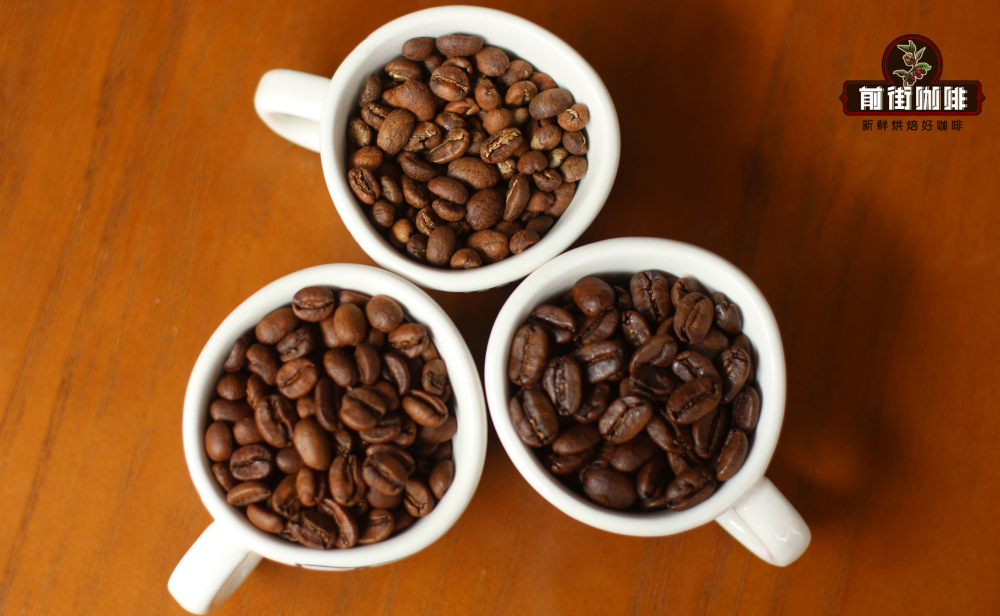
Light roast: Rich fruity notes, with sweet-and-sour floral and fruity acidity, and a relatively strong acidity can be felt. For example, Front Street Coffee Washed Yirgacheffe Gedeb Cooperative coffee beans.
Medium roast: Nutty notes, mainly caramel, cocoa, and malt aromas, while still retaining some acidity. For example, Front Street Coffee Bird of Paradise, Front Street Coffee 2013 Sun-Dried Red Cherry coffee beans.
Dark roast: Carries a slight chocolate bitterness, lower acidity, strong caramel aroma, with spice, woody, and charred notes. There are many dark roasted coffee beans; recommended ones includeFront Street Coffee PWN Golden Mandheling coffee beans,, Front Street Coffee Queen's Estate,Front Street Coffee Jamaica Blue Mountain No. 1, Front Street Coffee Huila... all are popular dark roast single-origin coffees from Front Street.

1. Coffee-to-water ratio
When brewing dark roast coffee, Front Street adjusts the ratio to the 1:14–1:15 range. Once the water amount exceeds a 1:15 ratio, it will dilute the concentration, and the brewed taste will easily become thin. Therefore, controlling the output ratio at 1:15 is most suitable.
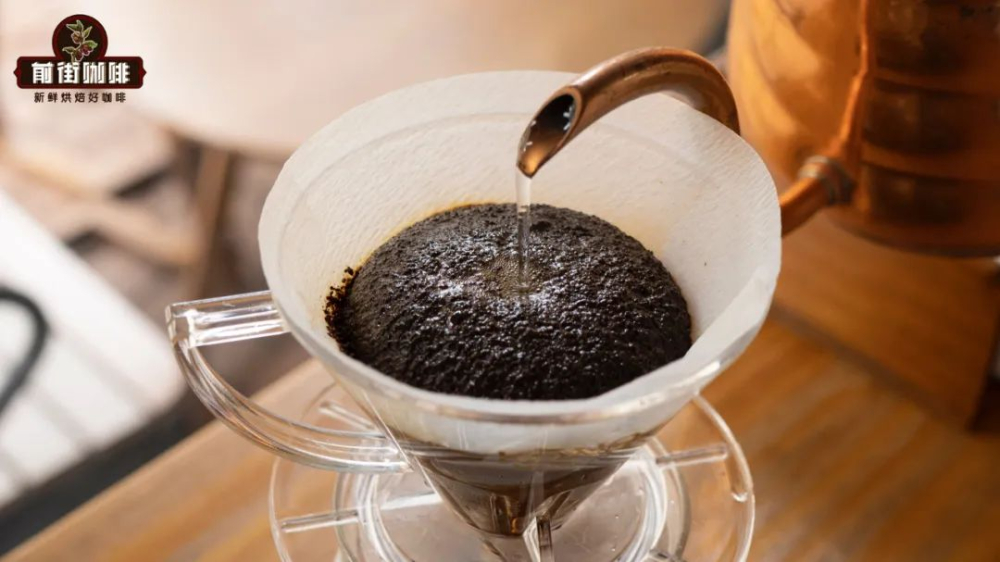
Because everyone's perception of body, taste, and concentration is different, if you feel this ratio is still too weak, the mouthfeel is thin, you can reduce the water ratio to 1:13–1:14, which is also fine. Or alternatively, there may be a problem with timing control.
2. Brewing time
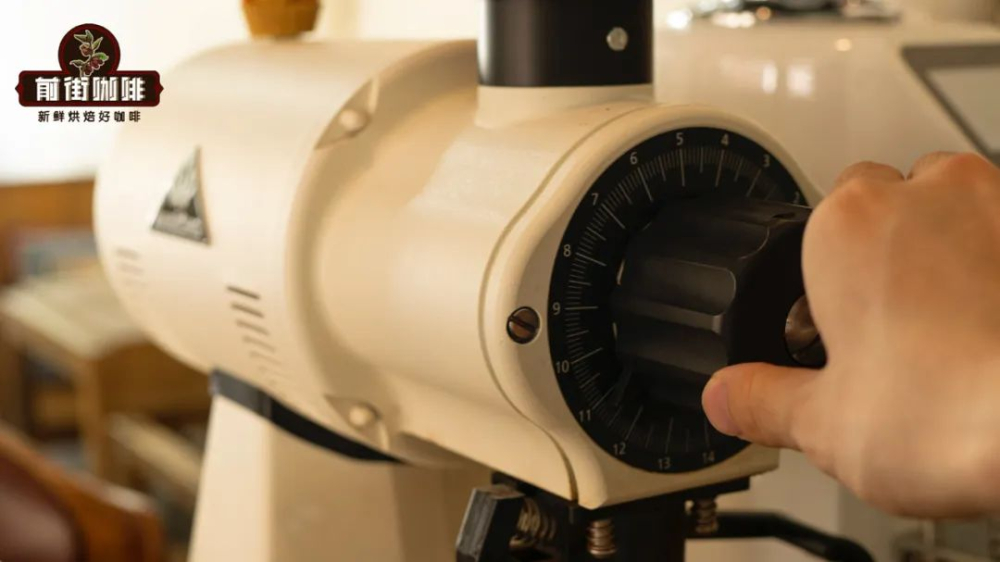
Even if you've changed the ratio several times and the brewed dark roast coffee is still thin, then it's most likely under-extraction. At this point, you can observe the brewing time. If you used more than 15g of beans and the brewing time is around 1 minute 30 seconds, then it's very likely the grind is too coarse, causing the water to flow through too quickly.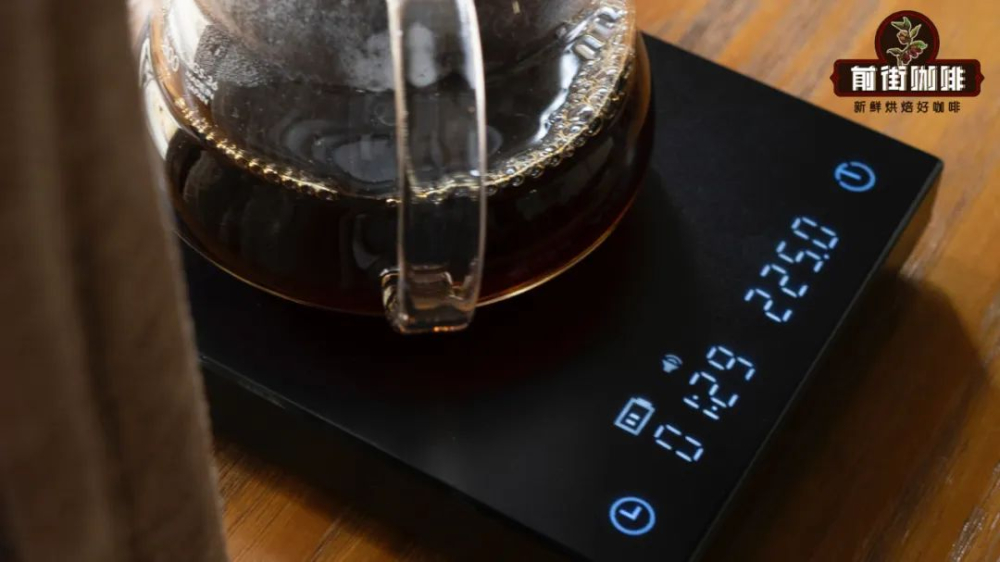
In that case! We can adjust to a finer grind and control the brewing time to the 2:00–2:30 range, allowing the coffee to be more fully extracted, and the mouthfeel will naturally become fuller~
3. Dripper choice
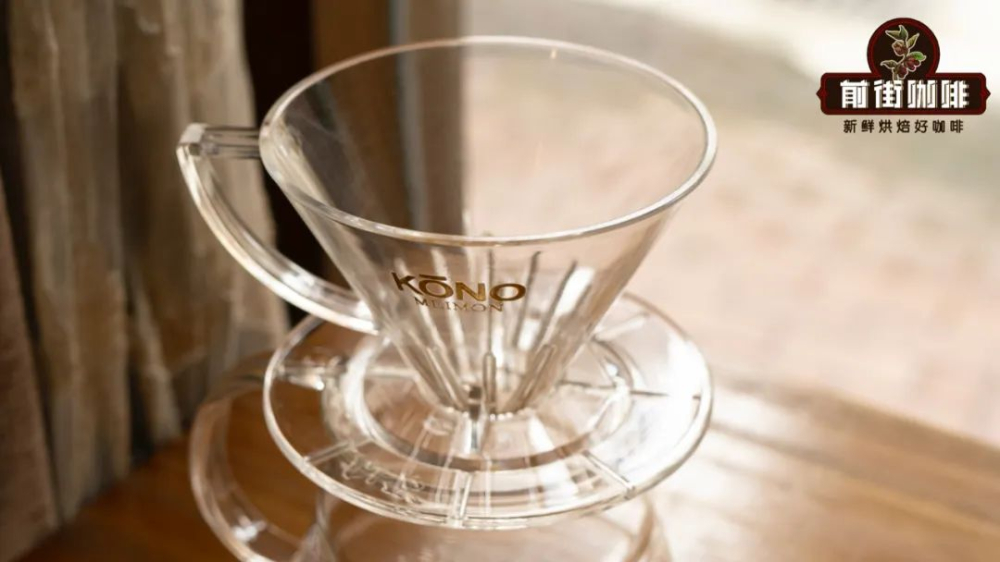
When brewing dark roast beans, Front Street does not use the common V60 dripper, but rather the Kono dripper. This is because the V60 dripper's flow-rib design makes the water flow through relatively quickly, making it more suitable for medium-light roast coffee. They need a finer grind to bring out more layers of extracted flavor; if the dripper's extraction speed is slow, over-extraction easily occurs. That's why it's said that the fast-flowing V60 dripper is more suitable for brewing medium-light roast coffee beans.
Dark roasted coffee beans have a looser texture and higher extraction efficiency (aromatic substances are easily extracted), so a coarser grind than for medium-light roasts should be used to reduce its extraction efficiency (to prevent over-extraction). At this point, if a fast-flowing V60 dripper is used, under-extraction easily occurs.
The Kono dripper's flow ribs are distributed only in the lower half. This design is intended to slow down the water flow and effectively extend the soaking and extraction time of the coffee grounds. That's why Front Street uses the Kono dripper as the extraction tool for brewing dark roasted coffee beans, so that the extraction is more complete and the mouthfeel can be thicker.
4. Pouring technique
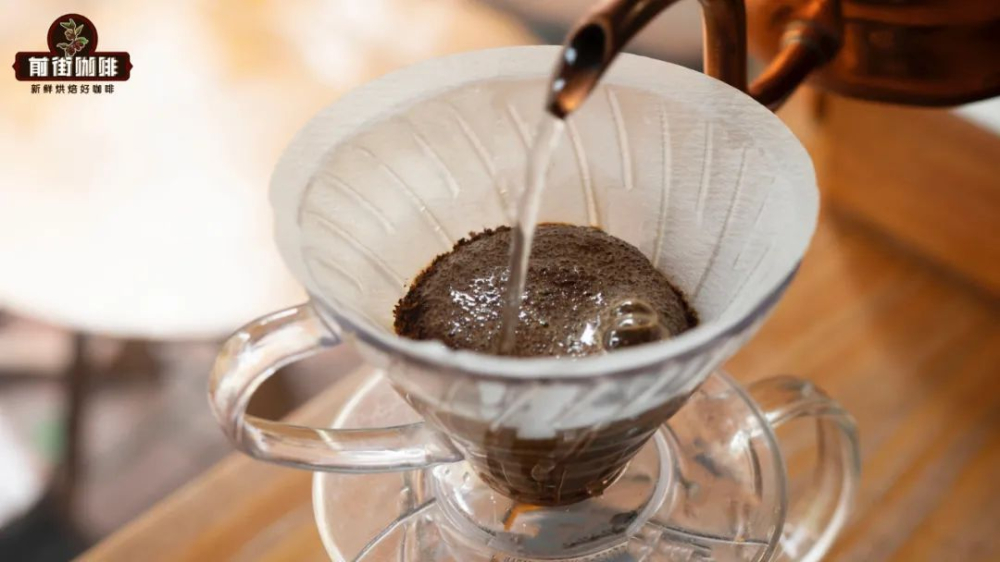
The pouring technique here does not refer to whether you use a three-pour or one-pour brewing method, but rather to paying attention to avoiding rinsing water against the wall of the dripper as much as possible when pouring. What problems arise if the water stream hits the wall of the dripper during brewing?

That's right! The water will flow directly down along the wall of the dripper, and what lands in the server is not extracted coffee liquid but plain hot water, reducing extraction while diluting the other coffee liquid in the server, thereby making the mouthfeel thin. So when pouring in circles, try to avoid repeatedly rinsing the wall of the dripper, to ensure a satisfying final taste~
The above content is compiled by CoffeeHunters, a coffee news website.