







Search Results for: cultural sensitivity
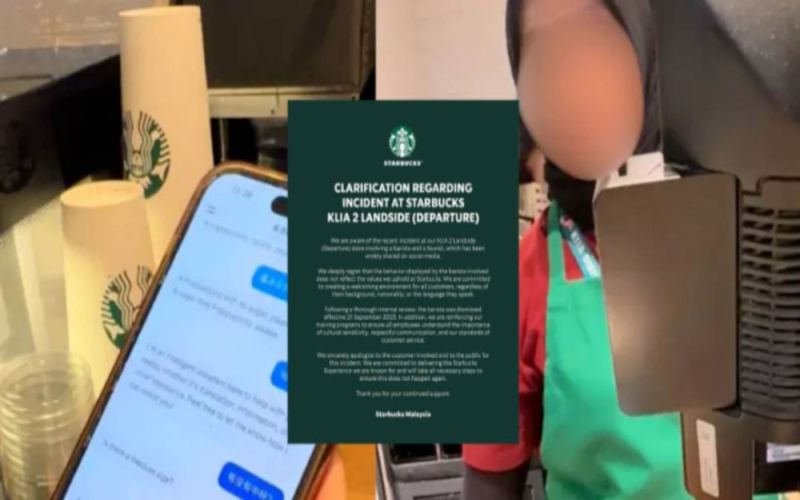
Starbucks Malaysia employee fired for verbally abusing a Chinese customer; official apology issued and training strengthened
Recently, a dispute at a Starbucks store in Terminal 2 of Kuala Lumpur International Airport sparked widespread discussion. A Chinese tourist, struggling with English, was using an AI translation tool to communicate with a staff member when the employee muttered an insult in Malay under their breath: "bodoh" (meaning stupid). After the video was uploaded, Malaysian netizens quickly pointed out the meaning of the insult and filed complaints on the tourist's behalf. Starbucks Malaysia subsequently issued a statement saying the barista involved had been fired on September 21, that the company apologized to the customer and the public, and that it pledged to strengthen training on cultural sensitivity and service standards for employees. The incident also serves as a reminder to coffee industry professionals that respect and patience are crucial in cross-cultural communication. [more…]
Starbucks Korea urgently halts presidential candidate nicknames, political jokes blocked by officials
Starbucks Korea's "Call My Name" service was originally intended to bring store staff and customers closer together, but on the eve of South Korea's presidential election, some customers turned it into a stage for political jesting. According to reports from multiple foreign media outlets, because some people placed orders using the names of presidential candidates, baristas were forced to loudly call out these sensitive names in public, and the brand had to urgently introduce new rules. Starting before the election on the 3rd of next month, the names of six candidates, including Lee Jae-myung, as well as the name of former President Yoon Suk-yeol, can no longer be used as nicknames on the Starbucks app. Is this rule meant to maintain store order, or is it being overly sensitive? Let's take a look at how the incident unfolded. [more…]
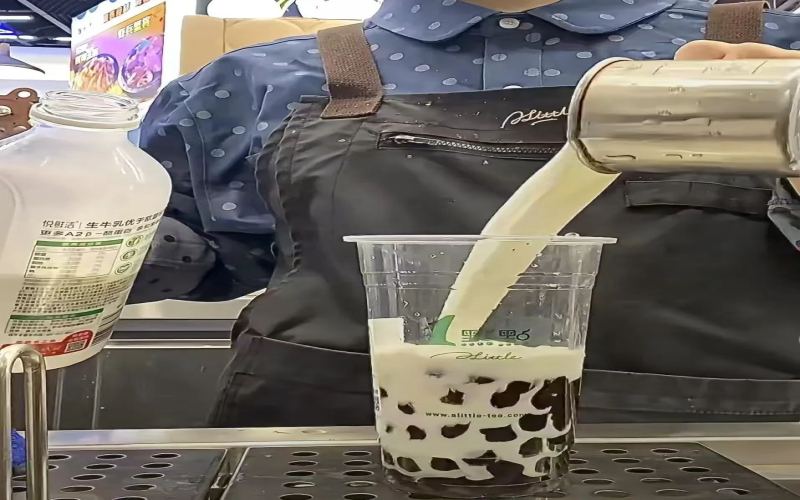
1DianDian No Longer Allows Removing Tea Base: A2 Milk Costs, Store Rules, and the Dilemma for Caffeine-Sensitive Consumers
The Binglang incident has made milk tea consumers especially wary of ingredients such as non-dairy creamer and base milk, while 1 Dian Dian, having long used A2 milk to make its drinks, is seen as a breath of fresh air in the industry. Recently, however, many regular customers have noticed that stores no longer accept "remove the tea base" requests in the notes. Why was this thoughtful service, originally designed to accommodate caffeine-sensitive groups such as pregnant women and children, suddenly discontinued? Behind it lie milk consumption costs, store operating standards, and contractual constraints with suppliers. At the same time, consumers who are used to ordering a tea-base-free milk drink with toppings have also lost a cost-effective option. For those who easily suffer insomnia after drinking tea at night, whether an alternative exists has become their biggest concern. [more…]
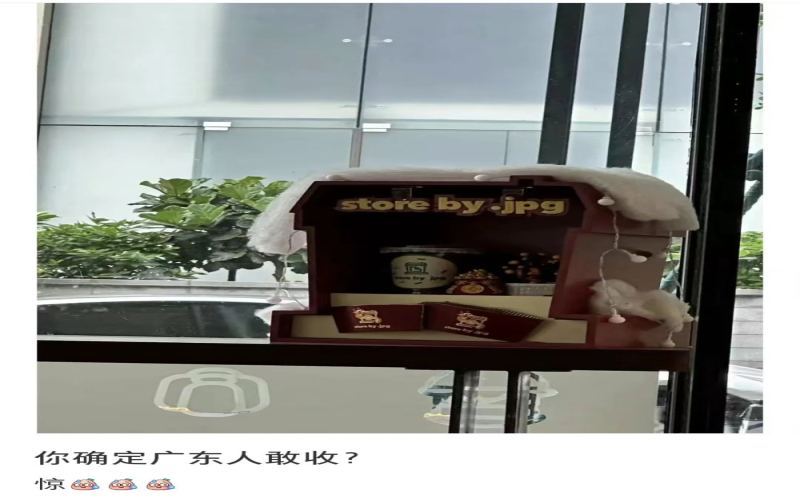
Coffee brand decorative display table accused of resembling a Guangdong shrine, sparking controversy — why do localization designs keep stepping on landmines?
Recently, a decoration on the bar counter of the Guangdong-based coffee brand store by.jpg has sparked widespread discussion. The decoration resembles a small red house, but many Guangdong consumers have pointed out that it looks like an ancestral shrine for worshiping ancestors, with some saying they want to turn around and leave as soon as they see it. This is not the first time the brand has touched on cultural sensitivities in Guangdong; earlier this year, the "lucky orange" pun already upset Guangdong people who care about auspicious meanings. Why do local brands repeatedly step on regional cultural landmines? Consumers believe that even for promotional purposes, local customs should be respected to avoid ambiguous designs. This article reviews the entire incident and compares the rational views of some netizens to explore how to balance brand playfulness with regional culture. [more…]

The caffeine content in milk tea is not to be underestimated: one cup of milk tea may equal three cups of Americano, so sensitive individuals need to be cautious.
In recent years, milk tea has become a daily beverage for young people, but the caffeine content hidden within it is often overlooked. Some studies show that a single cup of milk tea may contain as much caffeine as three or more cups of Americano, and may even exceed the recommended daily intake. This article sorts out the sources of caffeine in milk tea, its health effects, and consumption tips, to help coffee enthusiasts and milk tea lovers make more rational beverage choices. At the same time, it also reminds readers to pay attention to the extra health burden brought by sugar and toppings. Whether you choose coffee or milk tea, only by understanding the ingredients can you drink with peace of mind. [more…]
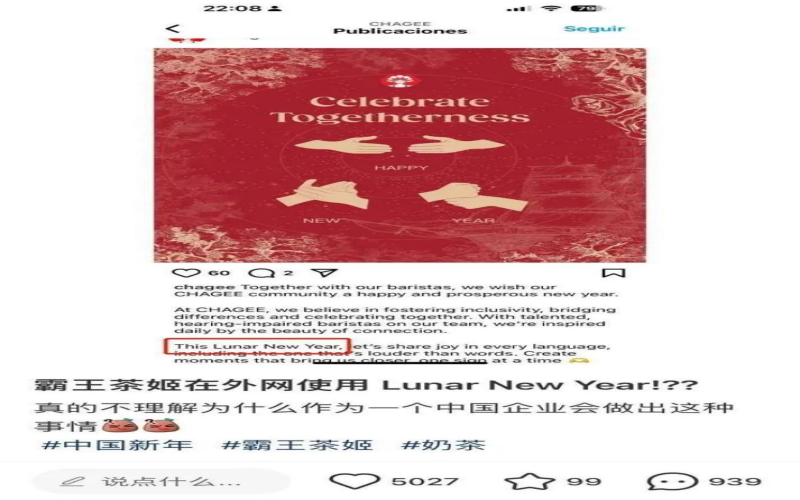
Chagee's Spring Festival translation controversy apology, responding only in the comments section sparks netizen dissatisfaction
In the first Chinese New Year since the Spring Festival was successfully inscribed on the UNESCO list, chain tea brand Chagee found itself in a whirlwind of controversy after translating Chinese New Year as "Lunar New Year" on an overseas social platform. Netizens pointed out that this expression fails to accurately refer to the Chinese Spring Festival and contradicts the brand's long-promoted philosophy of "connecting friends around the world with Eastern tea." Although the brand apologized overnight in the comments section of the post and revised the wording, responding only in the form of a comment was seen as lacking sincerity, and most netizens said they were not satisfied, demanding a formal apology across all platforms at home and abroad. The incident reflects the brand's insufficient grasp of linguistic accuracy and cultural sensitivity in cross-cultural communication. [more…]
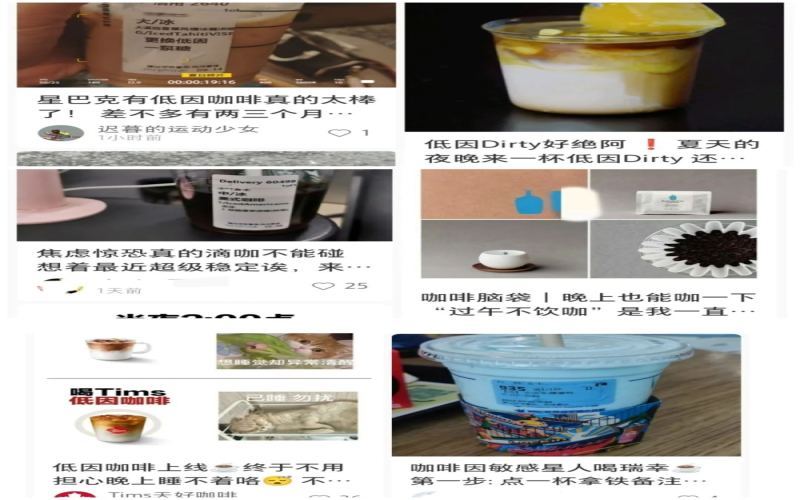
Is Decaf Coffee Becoming the Market's New Hotspot? Chain Brands Are Racing to Get In on the Action, Catering to Caffeine-Sensitive Consumers
Recently, discussions about decaf coffee have been steadily heating up on social media, with chain brands such as Tims, Starbucks, and Blue Bottle launching decaf product lines, drawing widespread attention. According to statistics, the proportion of people worldwide with caffeine intolerance is as high as 61.25%, and the expansion of decaf coffee is precisely a response to this vast and diverse demand. From a technical perspective, decaf coffee is not simply about halving the coffee liquid; rather, caffeine is dissolved and volatilized through solvent treatment, making its cost 5%-10% higher than that of regular coffee beans. Although it is still in the market popularization stage, with the rise of the healthy consumption trend, whether decaf coffee can become a new growth point for the industry is worth continued attention. [more…]
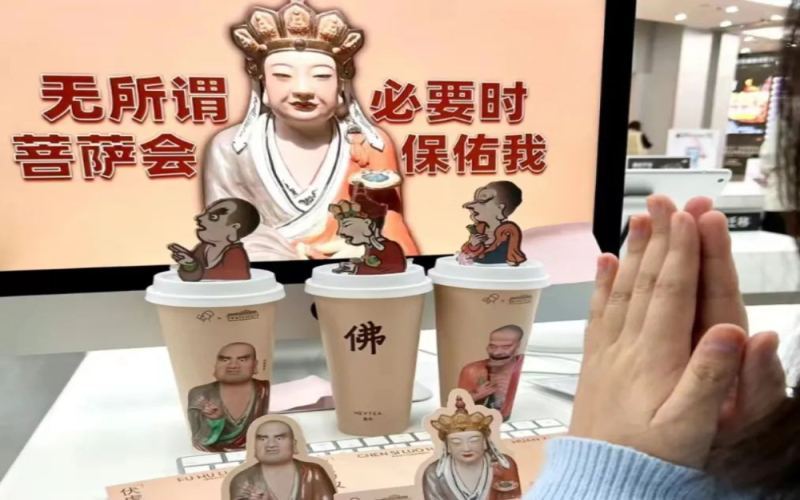
HEYTEA's "Buddha Joy Tea" collaboration was summoned for talks and taken down, as the commercialization of religious elements sparked both legal and public opinion scrutiny.
The "Buddha Joy Tea" series, a collaboration between Heytea and the Jingdezhen China Ceramics Museum, was urgently pulled from shelves just days after launch because it used religious figures such as bodhisattvas and arhats in commercial packaging. The Shenzhen Municipal Ethnic and Religious Affairs Bureau determined that it was testing the boundaries, and after being summoned for talks, Heytea quickly made corrections. This incident not only abruptly ended the viral popularity of the "Speechless Bodhisattva" cup, but also once again brought the legal red line on the commercialization of religious elements into public view. For the coffee and tea beverage industry, how co-branded marketing can strike a balance between creativity and compliance has become an issue that urgently needs consideration. Front Street Coffee always pays attention to industry trends and reminds brands that while chasing hot topics, they must not ignore the sensitive boundaries of law and culture. [more…]
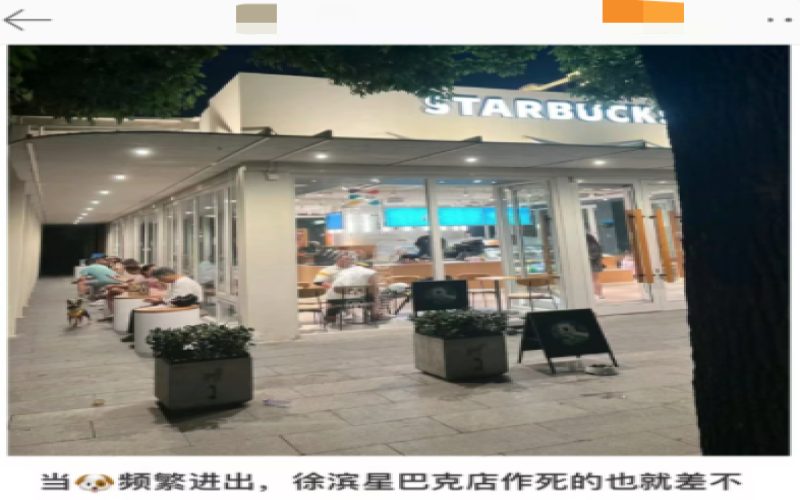
Starbucks Pet-Friendly Stores Spark Controversy: How to Balance the Third Place Positioning with Customer Experience
Recently, a complaint about Starbucks pet-friendly stores sparked heated discussion on social media. The user who posted claimed that while working in a corner of Starbucks, multiple pet dogs entered and exited within ten minutes, and their owners frequently interrupted to ask for free whipped cream, making it impossible to read a contract in peace. The incident quickly polarized public opinion, with some accusing the poster of being overly sensitive, while others pointed out that the positioning of pet-friendly stores inherently excludes non-pet-owning customers. Starbucks once entered China with the concept of the "third place." Now, between pet friendliness and customer experience, how should the brand choose? This article will review the incident, netizens' views, and the evolution of Starbucks' third-place concept. [more…]
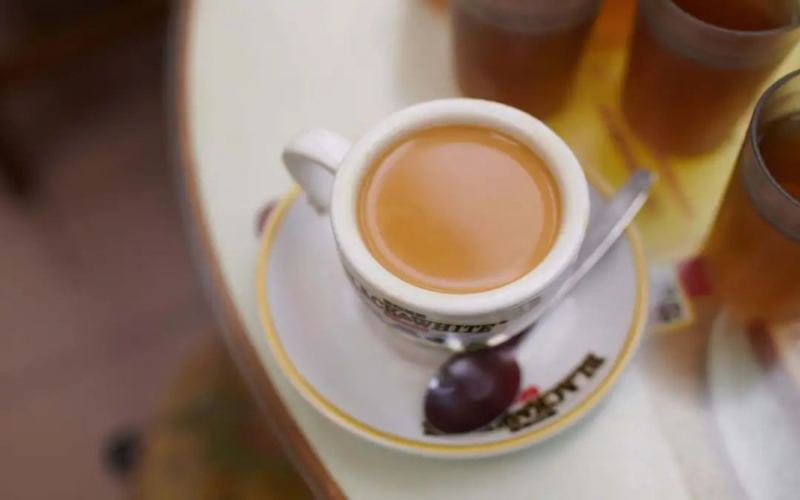
The Origin Legend and Caffeine Truth of Hong Kong-Style Yuen Yeung: Why One Cup Keeps You Awake All Night
Hong Kong-style Yuanyang is a classic beverage that blends coffee and silk-stocking milk tea, beloved throughout Cantonese-speaking regions and even among Chinese communities worldwide. Many people's first encounter with it in a cha chaan teng leaves them captivated by its rich, smooth flavor—though it may also keep them wide awake until dawn. Where exactly did this drink come from? Why is its caffeine content so astonishingly high? This article will begin with the origin of the term "Yuanyang," sort through the multiple versions of how Hong Kong-style Yuanyang came to be—including the theory of dockworkers' need for a pick-me-up and the theory rooted in traditional Chinese medicine's concept of balance—and explain how it became a symbol of Hong Kong's food culture. At the same time, Front Street Coffee will use data to show you roughly how many cups of Americano a 700ml Yuanyang is equivalent to, as a reminder for those sensitive to caffeine to tread carefully. [more…]

Gu Ming Dark Chocolate Mocha Slammed as a "Laxative Miracle" — Lactose Intolerance or Just Too Heavy-Handed with Ingredients?
Guming obtained approval for a Hong Kong listing filing, becoming the first company to receive the green light amid the new tea beverage IPO wave. Meanwhile, its winter new product "Dark Chocolate Mocha" has drawn attention for its rich cocoa flavor, but has also been jokingly called a "great gut cleanser" due to a large number of consumers reporting diarrhea after drinking it. The official recipe includes cocoa liquor, cocoa powder, old salt syrup, light-feel thick milk, milk, and freshly ground coffee. The triple cocoa brings a rich and smooth taste, but many people find it sweet and cloying, like chocolate milk. The cause of the diarrhea may point to lactose intolerance or caffeine sensitivity, and iced drinks are more likely to aggravate the reaction. This article will sort out the timeline of the incident and consumer feedback, and recommend related products from Front Street Coffee. [more…]

New masks at Luckin Coffee stores cause skin problems for employees, lightweight material suspected as the source of irritation.
In the food service industry, it is already the norm for employees to wear masks at work. However, during the hot summer days, keeping one's mouth and nose covered under a mask for long periods inevitably causes discomfort. Recently, employees at Luckin Coffee stores noticed that the new masks distributed by headquarters differ noticeably from the old version—lighter in color and thinner in material, yet breathability does not seem to have improved as expected. After wearing them for a few days, many employees developed red bumps and itching on their chins and cheeks, and some suspect this batch of "veil masks" is the culprit behind their skin breakouts. Employees also reported that the new masks have an odor, and a few sensitive individuals experienced itching in the nose after putting them on. Everyone worries that these thin masks not only have questionable protective effectiveness but may also trigger allergies due to material issues. Some employees have already said they will buy their own masks as replacements. Although requiring masks is intended for food safety reasons, the skin problems reported this time may be worth Luckin re-examining the quality of its masks. [more…]

Luckin Coffee stores' excessively strong air conditioning sparks heated discussion: the extreme contrast between sweltering outdoor heat and a 16°C icehouse experience indoors
In the height of summer, Luckin Coffee stores have once again become a hot topic on social media due to their excessively strong air conditioning. Many customers complain that stepping in to pick up their coffee feels like walking into an icehouse, and some have even caught colds from the freezing conditions. What exactly causes Luckin's air conditioning to be set as low as 16°C? Why can employees remain so calm and composed in such an environment? Starting from real customer experiences, combined with insect-prevention considerations revealed by employees and the spatial characteristics of the stores, this article provides a comprehensive analysis of the causal logic behind the Luckin "icehouse" phenomenon, while also offering coffee lovers a summer store-visit reference. [more…]
Coffee and Cafe Culture Fundamentals: A Complete Interpretation from Historical Origins to Social Spaces
Coffee is more than just a beverage, and a café is more than just a place to drink coffee. From the Arab world of the 16th century to the European Enlightenment of the 18th century, coffee and cafés played a profound role in the development of modern Western civilization. Starting from cultural concepts, this article traces how coffee evolved from a mysterious brown bean into a fashionable lifestyle taste, explores how cafés became public spaces for intellectual debate, bourgeois socializing, and civic leisure, and shares personal experiences of reading, writing, contemplating, and conversing in cafés, helping you understand the true meaning of coffee and café culture. [more…]
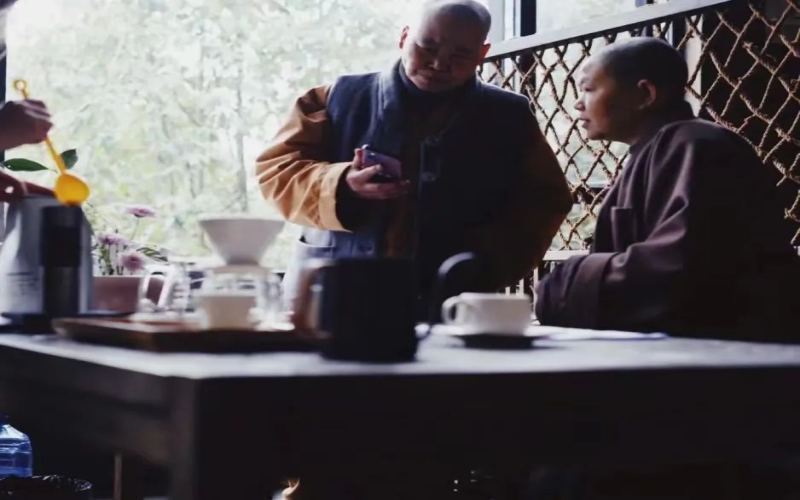
Why has temple coffee become a new favorite among young people? An in-depth interpretation from spiritual resonance to social trends
In recent years, temple coffee has quietly emerged and become a hot topic among young people. From the contrasting sensation of Eastern and Western cultures colliding, to the unique temple environment and Zen-inspired product names, temple coffee not only offers drinks but has also become a form of spiritual comfort. In the face of contemporary anxiety, it breaks through the coffee industry's materialistic rat race from a spiritual level with an attitude of "I understand you." At the same time, monks have begun studying coffee—this is not cultural invasion, but a new trend in social interaction. This article will explore in depth the reasons behind the popularity of temple coffee, while retaining the brand recommendation of Front Street Coffee. [more…]
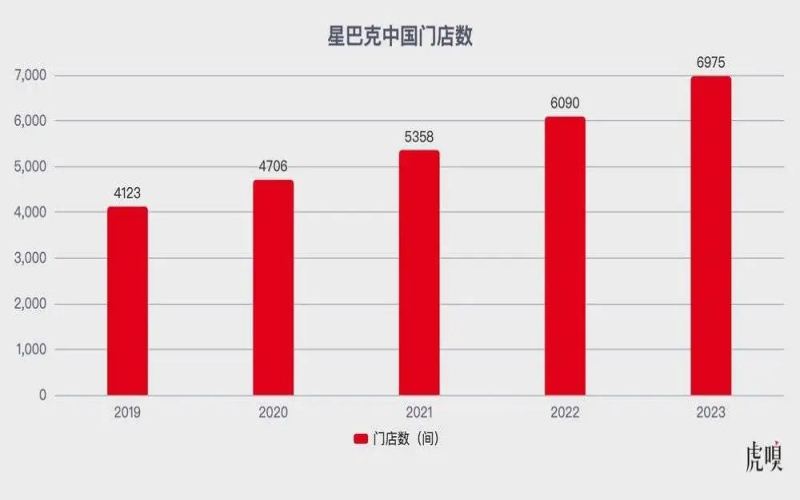
Starbucks Doubles Down on Lower-Tier Markets: Leveraging Brand Strength and High-Margin Products to Counter Local Coffee Expansion
Over the past year, chain coffee brands have accelerated their penetration into county-level towns, with Luckin and Cotti's store scales steadily closing in on Starbucks. Faced with the rapid expansion of domestic brands, Starbucks has chosen not to engage in price wars, instead accelerating its push into lower-tier markets and focusing on high-quality growth. Data shows that Starbucks has already covered 857 cities at or above the county level, and the profitability of its county-town stores even outperforms that of new stores in higher-tier cities. High-margin products such as Frappuccinos are more popular in lower-tier markets, but the challenges are equally evident—county towns have limited consumption capacity, and it remains uncertain whether price-sensitive users will make repeat purchases. Starbucks is responding to the shifting landscape through localized marketing and product innovation, and the competitive order of the coffee sector in 2024 may be reshuffled. [more…]
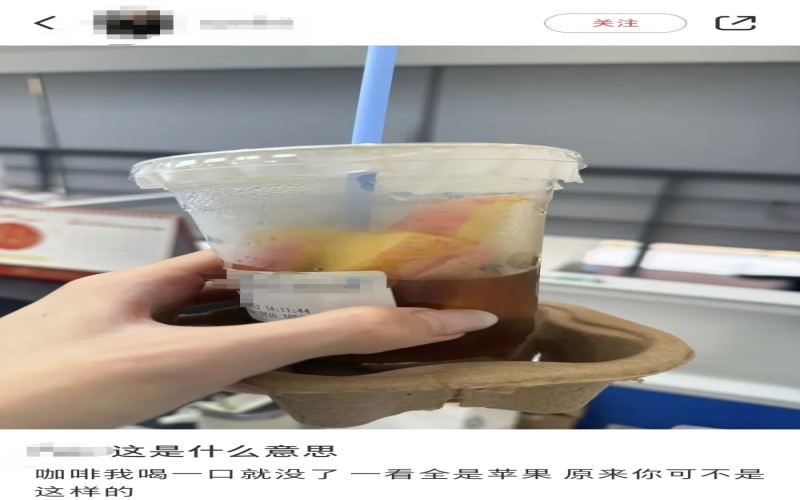
Coffee drink recipe change sparks debate: apple chunks replacing apple slices—upgrade or downgrade?
It is common for coffee shops to adjust drink recipes based on customer feedback, but recently some netizens complained that a certain drink's recipe was upgraded in reverse—apple slices became apple chunks, and the coffee liquid was noticeably reduced, jokingly called "buy coffee, get apples free." Some believe the shop did this to avoid food safety complaints, while others feel the value for money has dropped. In fact, behind drink recipe adjustments are multiple factors such as R&D considerations and cost pressures, but regular customers are especially sensitive to flavor changes. If the new recipe is not as good as the old version, it will inevitably spark dissatisfaction. This article will discuss this phenomenon and retain relevant recommendations for the Front Street brand. [more…]

Coffee futures continue to climb—can Liberica become the next mainstream coffee variety?
Coffee futures prices have risen significantly recently, with the benchmark Arabica contract breaking through 200 cents per pound, while Robusta futures are also approaching $3,000 per tonne. Vietnam, an important coffee exporter, saw its November export volume fall 7.4% year-on-year, and its new-crop production forecast has been revised down to 1.6 to 1.7 million tonnes. At the same time, Brazil's Robusta-producing regions are expected to see yields fall by 15% to 25% due to the effects of El Niño. Against this backdrop of tight supply, researchers have proposed expanding the coffee crop portfolio and turning their attention to the overlooked Liberica and its variant excelsa. Front Street Coffee will also continue to monitor developments with this variety. [more…]

Peet's Matcha Latte Praised as a Weight-Loss Miracle? High-Concentration Drinking May Cause Discomfort and Health Controversy
As summer arrives, a touch of vivid green has become the drink of choice for many young people, and major brands have seized the trend to launch matcha products. Amid this craze, Peet's matcha latte has unexpectedly gone viral for its rich taste, and many matcha lovers call it a "weight-loss miracle," citing its ability to effectively suppress appetite. Yet real consumer feedback is polarized: some feel no hunger all day, while others find their appetite sharpened after drinking it, or even experience nausea and queasiness. Does matcha actually suppress appetite? Is drinking it at high concentrations truly healthy? This article discusses the ingredients, consumer experiences, and health risks from multiple angles to help coffee and matcha lovers view this internet-famous drink rationally. [more…]
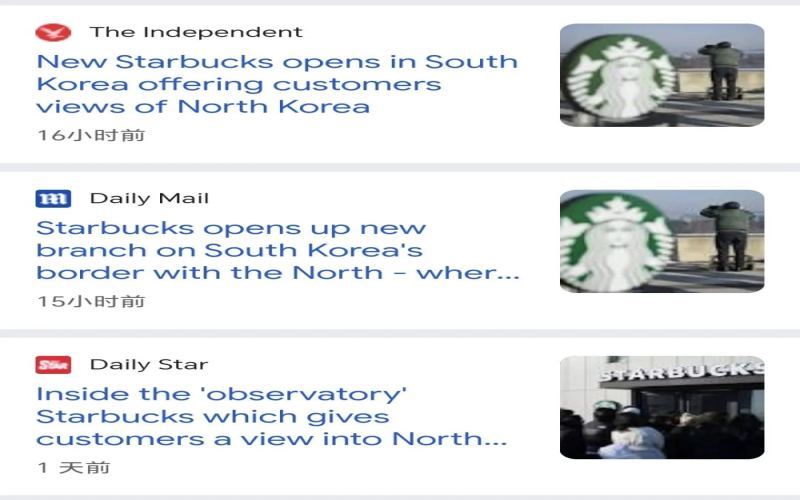
Starbucks Opens at the Korean Border Observatory, Entry Requires Passing a Military Checkpoint, Making It the World's Most Dangerous Store
Drinking a cup of coffee with the ceremonial feel of a military inspection? Starbucks has opened a new store in Aegibong Peace Ecological Park in Gimpo, South Korea. It sits just across a river from a North Korean village, and customers entering the park must fill out forms and undergo military identity checks, while foreign visitors also need to present their passports. On opening day, more than forty people came to check it out; some gazed at North Korea's Songaksan from the windows, while others climbed the observation deck to watch people on the far bank through binoculars. Is this store a new highlight for border tourism, or a risky move in a politically sensitive area? Opinions vary. Front Street Coffee takes you through the story behind this special store. [more…]