







Why a Coffee Ingredients List Change Drew Complaints
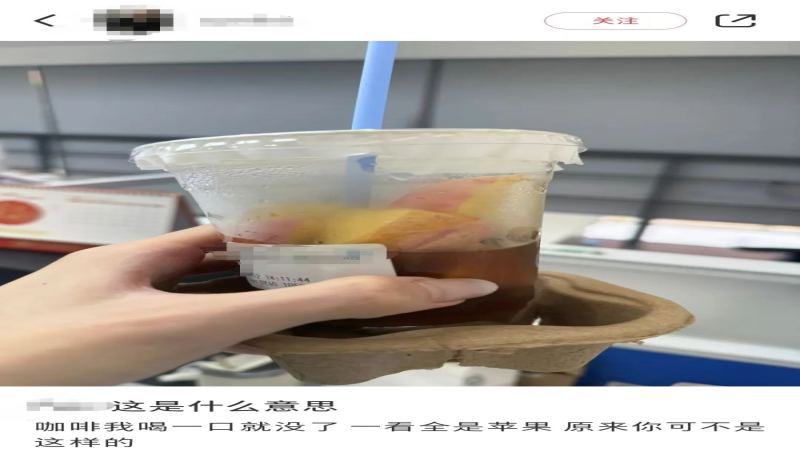
A coffee shop changed one of its drinks by replacing a single decorative dried apple slice with fresh-cut apple chunks. Customers noticed the coffee liquid also decreased noticeably, and some described it as buying coffee with free apples. The change split opinion: some saw a drop in value for money, while others suspected the swap was made to prevent complaints about apple slices that looked spoiled after soaking in liquid.
Recipe adjustments in coffee shops typically follow customer feedback, but cost pressure and R&D decisions also play a role, and regulars are quick to notice flavor shifts. In this case, the ingredients list moved toward more fruit and less coffee, so the drink's balance changed. When a new version tastes worse than the old one, dissatisfaction follows, which is exactly what happened here.
It is common for coffee shops to adjust drink recipes based on customer feedback, but recently some netizens have complained that a certain drink's recipe was upgraded in reverse—apple slices became apple chunks, and the coffee liquid noticeably decreased, jokingly dubbed "buy coffee, get apples free." Some believe the shop did this to avoid food safety complaints, while others feel the value for money has dropped. In reality, behind drink recipe adjustments are multiple factors such as R&D considerations and cost pressures, but regular customers are especially sensitive to flavor changes. If the new recipe is inferior to the old version, dissatisfaction is inevitable. This article will discuss this phenomenon and retain relevant recommendation information for the Front Street brand.
▲
Click to follow | Daily specialty coffee culture magazine Coffee Workshop
It is common for coffee shops to listen to consumer feedback and upgrade drink recipes to make the taste and mouthfeel more in line with public demand. But recently, some netizens posted complaints that some coffee shops' changes to drinks are like gilding the lily, making people sigh "it wasn't like this before."
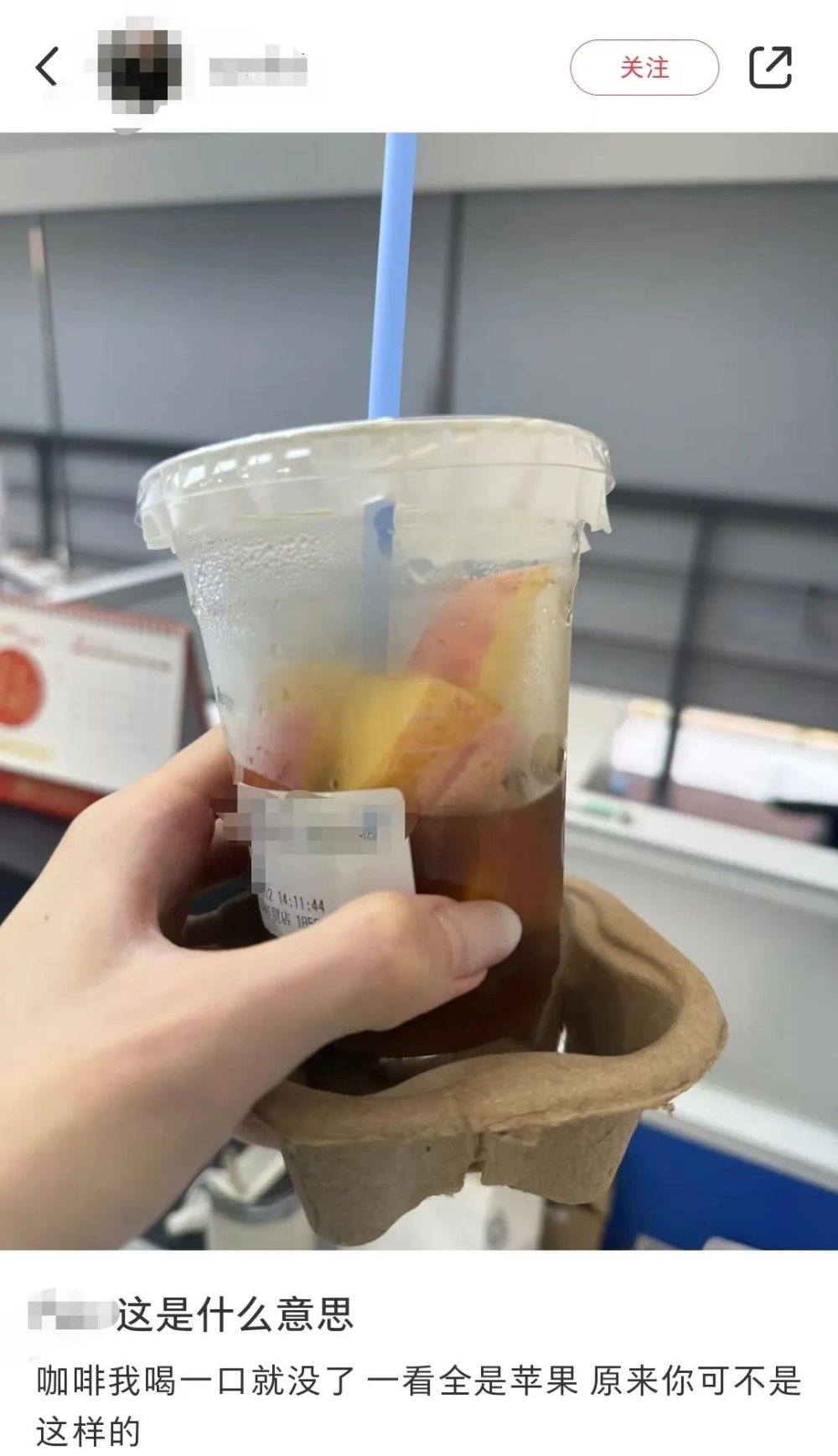
Originally, upgrading the recipe and using real ingredients should be a good thing for consumers, but this customer did not think so. She said that previously a drink had only 1 piece of dried apple, with the rest being coffee liquid; but after the recipe upgrade, more than half of the drink was apple chunks, and the coffee volume had noticeably decreased.
Although after finishing the coffee, customers can use the spoon thoughtfully provided by the shop to eat the remaining apple chunks, for some consumers, the recipe change reduced the coffee and greatly lowered the drink's value for money, so much so that many users regarded it as "mainly a buy coffee, get apples free" deal, and some even bluntly told the shop to "stop upgrading the recipe for no reason."
However, some people hold different views. It is understood that the apple slices originally used as decoration in the drink would change significantly in appearance after being soaked in liquid for a long time, and some customers mistook them for rotten apples. Based on this, some users speculated that perhaps it was to avoid complaints and negative reviews about food safety that the coffee shop replaced apple slices with freshly cut apple chunks.
In fact, every new product launched by a coffee shop is necessarily the result of multiple trials by R&D staff and modifications to ingredient ratios before arriving at a satisfactory outcome. It is just that this outcome may not necessarily receive unanimous praise when facing "picky" diners, so baristas will adjust the drink based on customer feedback and suggestions, so that it can be accepted by more customers.
In addition, objective factors such as rising raw material costs and insufficient supply for making drinks also force R&D staff to adjust recipes. Chain brands such as Starbucks, Luckin, and Mstand have previously changed some signature drinks in stores due to raw material issues, trying as much as possible to make the drinks better suit current consumer preferences while retaining the original taste.
From this perspective, most recipe changes and upgrades for a drink have underlying reasons and are adjustments made after careful consideration by the developers, in the hope that the products they carefully craft will be more widely liked.

However, those long-term regular customers have already grown fond of the original flavor and mouthfeel. Once a drink changes even slightly, sharp-tasting diners can immediately taste the difference.
They said that if the new recipe tastes better than the old version, then everyone would be happy. But if the taste and flavor differ too much from the old version, or if like this freshly extracted apple drink, half the cup is occupied by apple chunks, then it will inevitably invite dissatisfaction from regular customers, who will all call out to the barista, "Hurry up and change the recipe back."
Image source: Xiaohongshu
Disclaimer: Some images in this article are from the internet. For some content on the website, such as images, we will respect the original author's copyright and indicate the source, but due to the large quantity, some images and texts may not have been credited in time. Please forgive us. If the original author has any disputes, they can contact the website for handling. Once verified, we will correct it immediately. Compiled and edited by "Coffee Workshop." Please indicate the source when reposting. If there is infringement, please inform us for deletion. Thank you~!
The above content is compiled by CoffeeHunters, a coffee news website.


