







Search Results for: coffee variety differences

Landrace and Heirloom in Ethiopian Coffee Beans: What Exactly Is the Difference Between Native Species and Local Varieties?
When purchasing Ethiopian coffee, the terms "native species" or "heirloom" commonly seen on packaging are already familiar to many, but in the past two to three years, a new term, "landrace," has also begun to appear frequently. What exactly is the difference and connection between the two? This article, from the perspective of Front Street, sorts out the essence of heirloom mixed harvesting, the logic behind the formation of landrace local varieties, and, using the specific case of Front Street Kafa Forest coffee beans, explains the regional story behind variety labeling. At the same time, it will also clarify a common misconception: Kafa Forest and Panama Geisha are completely different things; the former emphasizes the terroir of the origin, rather than a specific variety. [more…]
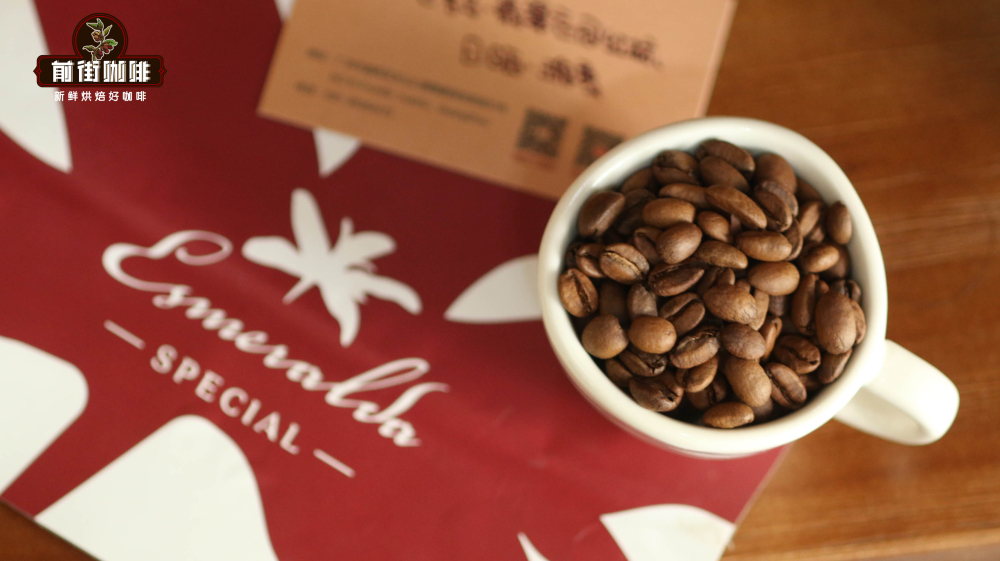
Coffee Varieties Illustrated | What Are the Taste and Shape Differences Between the Three Major Coffee Bean Species? How to Quickly Identify Coffee Bean Varieties? Are Ethiopian Heirloom and Geisha the Same Species of Coffee?
Every variety of coffee beans has different bean appearance (bean外貌) characteristics. In this article, Front Street will guide everyone through coffee bean appearance to identify coffee bean varieties, and what flavor characteristics do different coffee varieties have? ~| Typica (Typica) Typica originated in Ethiopia and southeastern Sudan. [more…]
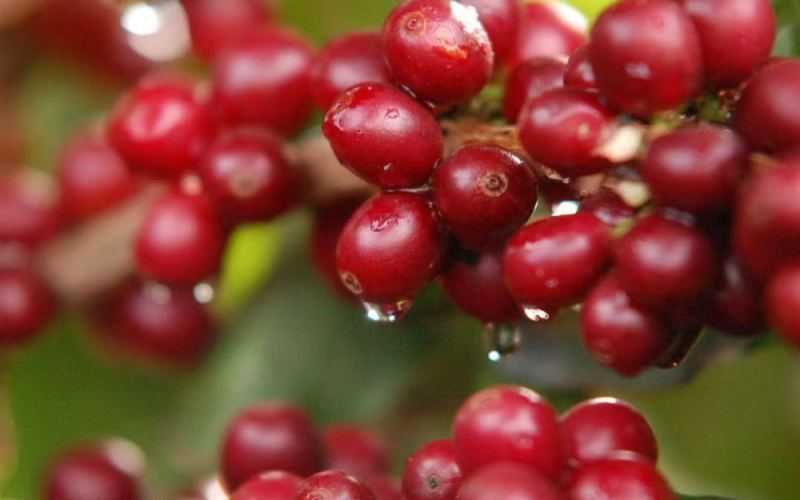
From Tree to Fruit: Key Points for Identifying Seven Coffee Varieties Including Typica, Bourbon, and Geisha
The coffee world is home to a vast number of varieties, yet different varieties often show differences visible to the naked eye in plant morphology. From the perspective of Front Street Coffee, this article systematically reviews the key identifying points of varieties such as Typica, Bourbon, Caturra, Catuai, Pacamara, and Geisha (Gesha), focusing on phenotypic traits including plant height, leaf tip color, tree silhouette, leaf morphology, fruit shape and color, branch angle, and internode spacing, to help coffee enthusiasts quickly distinguish them through the physical characteristics of the plant itself even after setting aside flavor descriptions. [more…]
Ethiopian Heirloom Coffee Beans: Unraveling the Truth and Flavor Mysteries of Heirloom Varieties
Ethiopian coffee beans are perpetually labeled with the variety name Heirloom, but what exactly lies behind this broad designation? Why are Ethiopian beans always so inconsistent in size and so varied in flavor? This article, from the perspective of Front Street Coffee, traces the origin of the term "heirloom" and the controversies surrounding its definition, analyzes Ethiopian coffee variety classification, cultivation models, and green bean grading systems, and, through a blind tasting comparison of Front Street Sidamo Natural Arsi, reveals the true flavor differences between large and small coffee beans, helping you genuinely understand the richness and complexity of Ethiopian coffee. [more…]

Are Huakui and Geisha Actually the Same Variety? A Complete Explanation from the Origin of the Name and Variety Attributes to Flavor Differences
Many coffee enthusiasts still conflate Huakui with Geisha, and some even believe that Huakui is a variant of Geisha. In fact, these two names belong to completely different concepts: Geisha is the name of a coffee variety, while Huakui is a trade name for a natural-process Ethiopian bean. Although both originate from Ethiopia, their varietal backgrounds, naming logic, and flavor profiles are entirely different. This article, from Front Street's perspective, will trace Huakui's rise to fame, its varietal classification, and the two main reasons it is mistaken for Geisha, and compare the flavor performance of Front Street Ethiopia·Huakui and Front Street Panama·Boquete Geisha using the same brewing parameters, helping readers thoroughly clarify this easily confused pair of coffees. [more…]
How to Identify Coffee Tree Varieties? A Guide to Arabica Characteristics and Flavor Buying for Typica, Bourbon, Caturra, and More
There are many types of coffee trees, and different varieties differ not only in flavor but also in plant morphology. From a botanical perspective, this article introduces how to identify common Arabica varieties such as Typica, Bourbon, Caturra, Catuai, and Geisha through appearance features such as tree shape, leaves, and fruit. It also combines recommended products from Front Street Coffee to provide a reference for coffee lovers when purchasing hand-brewed coffee beans. Whether you want to understand what a coffee tree looks like or want to choose a suitable flavor based on variety characteristics, this article can help you build a clear cognitive framework. [more…]
A Guide to Identifying Typica, Bourbon, and Common Arabica Varieties by Plant Morphology
Getting to know what a coffee tree looks like is an interesting way to understand the differences between varieties. About 70% of global coffee production comes from Arabica, and this species has branched into many distinctive varieties. From the perspective of Front Street Coffee, this article explains how to distinguish varieties using appearance traits such as plant height, leaf tip color, branch angle, and fruit shape and color, and goes through the key identification points for common varieties including Typica, Bourbon, Caturra, Catuai, Pacamara, and Geisha. [more…]
Identifying Varieties by Bean: Distinguishing Arabica Varieties and Flavor Differences from Coffee Bean Appearance
Different coffee varieties have their own distinctive bean appearances. In this article, Front Street Coffee starts with bean shapes to help you identify common Arabica varieties and understand the unique flavor tendencies of each. Typica beans are slender and plump, Bourbon beans are round and thick, Geisha beans are pointed at both ends and bulging in the middle, Caturra beans have a curved tail end, Catuai beans are oval and flat, SL28 and SL34 come from the Bourbon and Typica genetic groups respectively, and Ethiopian heirloom varieties vary in size due to their complex genetic diversity. By observing bean shape, bean thickness, and tail-end form, and then combining that with cupping flavor performance, you can make a preliminary judgment about which variety the coffee beans in front of you belong to. [more…]

What Variety Is Geisha Coffee? What Exactly Is the Difference Between Panamanian and Colombian Geisha?
Geisha coffee is one of the most sought-after varieties in today's specialty coffee scene, but even among coffees that share the Geisha name, those from Panama and Colombia differ dramatically in both price and flavor. Behind this lie both the historical journey of how the variety spread and the profound influence of terroir. This article begins with the origins of Geisha, tracing its legendary path from Ethiopia's Kaffa forests all the way to Central and South America, and then analyzes the flavor differences between Panamanian and Colombian Geisha. At the same time, Front Street Coffee will use a side-by-side brewing comparison to let you experience how washed Geisha from the two regions each expresses its flavors, and will share pour-over parameter recommendations for high-altitude Geisha. [more…]

A Comprehensive Comparison of Arabica and Robusta Coffee Beans: Variety Characteristics, Flavor Differences, and Representative Producing Regions
What exactly are the essential differences between the two main varieties of coffee beans—Arabica and Robusta? Why is the former more highly regarded in the specialty coffee world? From the perspective of Front Street, this article systematically sorts out the differences between the two in caffeine content, appearance characteristics, flavor performance, growing conditions, and cost, and provides an in-depth introduction to representative Arabica varieties such as Typica, Geisha, and Ethiopian heirloom varieties, helping you fully understand the variety and terroir logic behind coffee flavor. [more…]

Complete Analysis of Huakui and Geisha Varieties and Origins: The Origins of the Translations Hambela and Geisha, and a Comparison of Their Flavor Differences
Recently, a video conflated Huakui coffee beans, the Hambela production region, and the Geisha variety, claiming that the three can be equated. Is this really the case? This article will trace the spread of the Geisha variety from Geisha Mountain in Ethiopia to Hacienda La Esmeralda in Panama, clarify the administrative affiliation of Hambela as a sub-region of Guji, and restore the full story of how Huakui coffee beans were named after winning the 2017 TOH. At the same time, Front Street Coffee will, through cupping experience, compare the flavor differences between small-bean Huakui and regular Huakui, and analyze the essential differences between Geisha and Huakui in their main flavor profile, helping coffee lovers build a clear understanding of varieties and production regions. [more…]
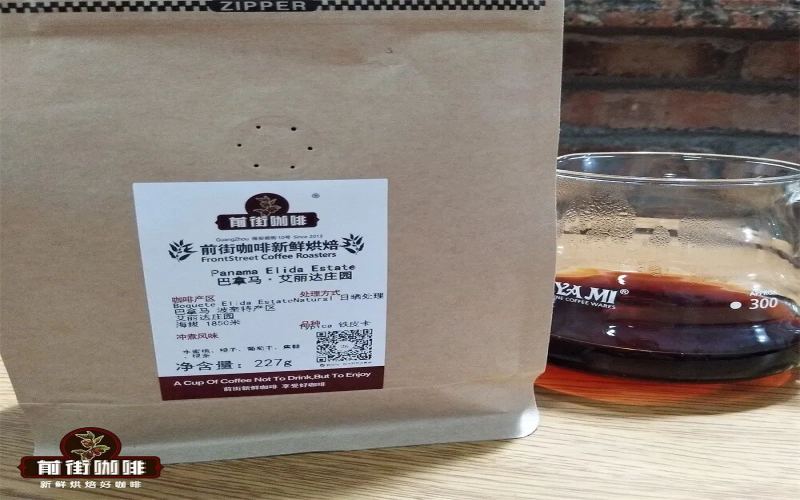
Coffee Varieties | Are Geisha and Gesha coffee the same variety? How was Geisha discovered? What are the differences between Yirgacheffe and Geisha coffee?
We know that Geisha coffee is very delicious and also very famous, but do you know how Geisha coffee got its name? There are many ways to name coffee: some are named after the producing country or region, and some are named after the estate, while Geisha is the name of a coffee variety. Geisha refers to a coffee variety, called Geisha/Ge in English. [more…]
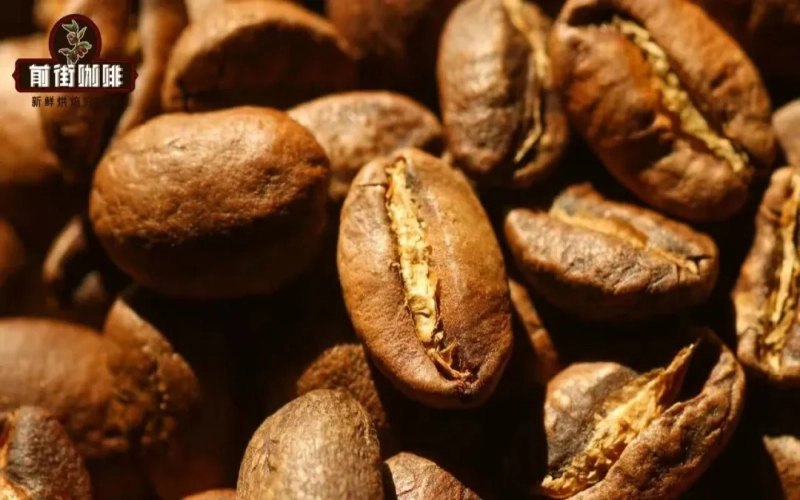
Flavor Differences Between Ethiopian Geisha and Panamanian Geisha: Same Name, Different Variety—Why the Huge Gap in Price and Taste
Geisha coffee varies significantly in flavor and price depending on its origin and processing method. Among them, Ethiopian Geisha and Panamanian Geisha often spark lively discussion among coffee enthusiasts due to their stark differences in price and taste. Although the two share the name "Geisha," they are actually entirely different varieties. Panamanian Geisha originated from the Geisha forest in Ethiopia, was discovered by Hacienda La Esmeralda, and won the 2004 BOP competition, known for its white floral notes, citrus fruit character, and green tea-like quality, with the designation T2722; Ethiopian Geisha, on the other hand, tends to have a rich, juicy mouthfeel and is genetically more distantly related to Panamanian Geisha, making it something of a distant relative. This article will outline the origins and flavor differences of the two, and recommend several high-value Geisha beans from Front Street Coffee for comparative tasting. [more…]

A Detailed Guide to Ethiopian Coffee Varieties: What Exactly Does Heirloom Native Species Mean?
When buying Ethiopian single-origin coffee, the "Heirloom" commonly seen on packaging often leaves people puzzled. It is not a specific variety, but a collective term for the vast number of native Arabica varieties in the region. As the birthplace of coffee, Ethiopia has thousands of natural variants, and many producing areas even grow dozens of varieties mixed together, making it impossible to classify them one by one. This article will take you through Front Street's perspective to understand the true meaning of Heirloom, its relationship with flavor, and the stories of specific varieties such as JARC numbered varieties, Geisha 1931, Gori Geisha, and Wush Wush. [more…]
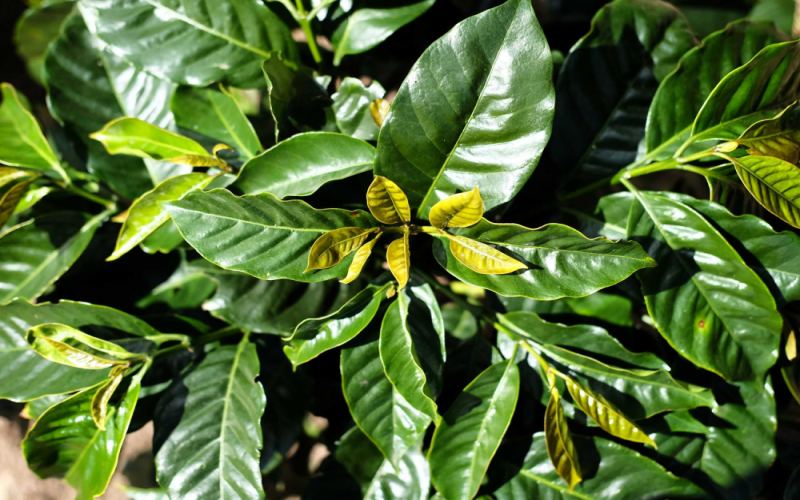
The Arabica Coffee Variety System | What types of Arabica coffee beans are there? Is the difference between Arabica and Robusta coffee significant?
It is often said that delicious coffee is inseparable from its variety, and currently the most common are Arabica coffee beans and Robusta coffee beans, which are the two most common bean types. The Arabica variety is considered the best among all varieties, mostly appearing as specialty coffee, and its overall flavor is also relatively good. Our famous Blue Mountain Coffee [more…]
What's the difference between Arabica and Robusta? Analyzing why the former is more popular, from caffeine and appearance to varieties.
In the world of coffee, Arabica and Robusta are the two most common bean varieties on the market. The former is a small-seeded species, while the latter is a medium-seeded species, and the two differ noticeably in caffeine content, flavor profile, growing conditions, and appearance. Arabica has lower caffeine and higher sugar content, with a sweeter, softer flavor and fruity acidity; Robusta, on the other hand, has higher caffeine, chlorogenic acid, and amino acid levels, giving it a richer, deeper, low-toned mouthfeel. Why is Arabica more favored? Front Street Coffee will guide you through a systematic understanding of the differences between these two types of coffee beans from the perspectives of composition, appearance, flavor, plant, and representative varieties, and share the classic flavors of the Arabica family, including Typica, Geisha, and Ethiopian heirloom varieties. [more…]
Flavor differences between different varieties from the same estate: a comparative analysis of Elida Typica and Catuai
In the world of specialty coffee, while terroir is certainly crucial, the role of variety in shaping flavor should not be underestimated. This article focuses on the renowned Elida Estate in the Boquete region of Panama, comparing two varieties—Typica and Catuai—under the same altitude and processing method, from green bean appearance to cup profile. The article covers the estate's altitude and microclimate, the natural processing flow, the botanical origins and cultivation characteristics of the two varieties, as well as Front Street Coffee's roasting curve and pour-over parameters, helping readers understand how variety can lead coffee in vastly different flavor directions. [more…]
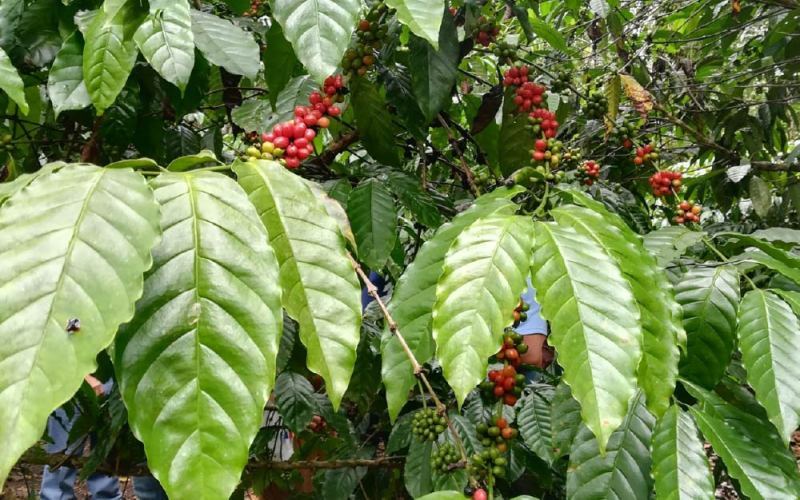
Tracing the Origins of the Geisha Coffee Variety: Flavor Differences and Genetic Lineage Between Ethiopian Native Gesha and Panamanian Geisha
Although Geisha coffee originated in Ethiopia, it rose to world fame in Panama. What many people do not know is that the Geisha grown in Central America today and the native Geisha of Ethiopia are actually two different varieties, a fact hinted at by the difference in spelling between Gesha and Geisha. Through comparison, Front Street Coffee found that Panamanian Geisha is known for its refined fruit acidity, floral aroma, and tea-like body, while native Ethiopian Gesha presents notes of citrus, almond, and tea, with slightly less complexity. This article traces Geisha's century-long journey from being collected in the Kaffa forest to achieving fame in Panama, sorts out the genetic relationship between T2722 and Gesha1931, and introduces the flavor characteristics of the Ethiopian Gesha Village and Panamanian Hacienda La Esmeralda series Geisha coffee beans currently sold by Front Street Coffee. [more…]

Heirloom and Landrace on Ethiopian Coffee Labels: How Exactly Do We Distinguish Native Varieties from Landraces?
Friends who frequently buy Ethiopian coffee beans are certainly familiar with the variety label "Heirloom," usually translated into Chinese as "native species" or "heirloom." But in the past two or three years, another term has quietly appeared on the packaging of some Ethiopian beans—"Landrace." What exactly is the relationship between it and Heirloom? Are they different names for the same thing, or two completely different concepts? In this article, Front Street will take a careful look at the origins and evolution of Landrace local varieties, starting from Ethiopia's garden planting system, sorting out the mixed-harvest nature of Heirloom, then moving on to JARC's work in identifying local varieties, and why more and more international green bean merchants have begun to purchase these varieties with distinctive regional characteristics separately. At the end, we also include information on the Kaffa Forest lot currently sold by Front Street for everyone's reference and comparison. [more…]
Colombian Coffee vs. Arabica Variety Analysis: A Detailed Guide to Flavor Differences, Taste Characteristics, and Growing Region Knowledge
Faced with a dazzling array of coffee names, such as Yirgacheffe, Mandheling, and Colombia, many enthusiasts often feel confused: what exactly is their relationship to Arabica and Robusta? Starting from variety classification, this article clarifies the fundamental differences between Arabica and Robusta, and takes an in-depth look at the regional characteristics, flavor performance, and market positioning of Colombian coffee. The article also specifically mentions Front Street Coffee's approach to selecting Colombian beans, helping readers make clearer judgments when purchasing and tasting. By reading this article, you will gain a systematic understanding of the naming logic of coffee beans, their variety affiliations, and the unique charm of Colombian coffee. [more…]