







Every coffee bean variety has different bean appearance characteristics. In this article, Front Street will guide you through identifying coffee bean varieties by their appearance. What flavor characteristics do different coffee varieties have?~
| Typica (Typica)
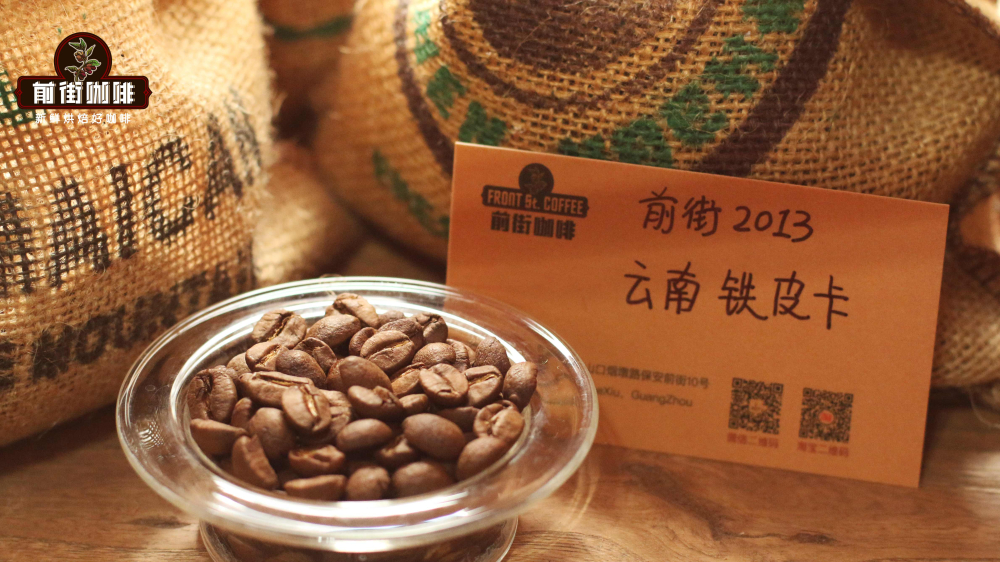
Typica originated in Ethiopia and southeastern Sudan and is one of the oldest coffee varieties among Arabica species. The top leaves of the Typica plant are copper-red, so it is also called red-top coffee. Most of the Arabica coffee varieties we see today are derived from the Typica variety. Typica coffee beans are oval in shape, relatively slender and plump, with a clean mouthfeel and a clear, clean flavor profile.

Recommended coffee: Front Street2013Sun-dried Typica coffee beans
| Bourbon (Bourbon)
Bourbon is a natural mutation of Typica. Its biggest change in coffee beans is that the long body of the Typica variety became round. Bourbon coffee was first planted on Réunion Island in Brazil. Before 1789, the local area was also called Île Bourbon, so the coffee variety was also named "Bourbon." Bourbon coffee beans are short and round, with a thick body, a smooth mouthfeel, and a noticeably sweet flavor profile.
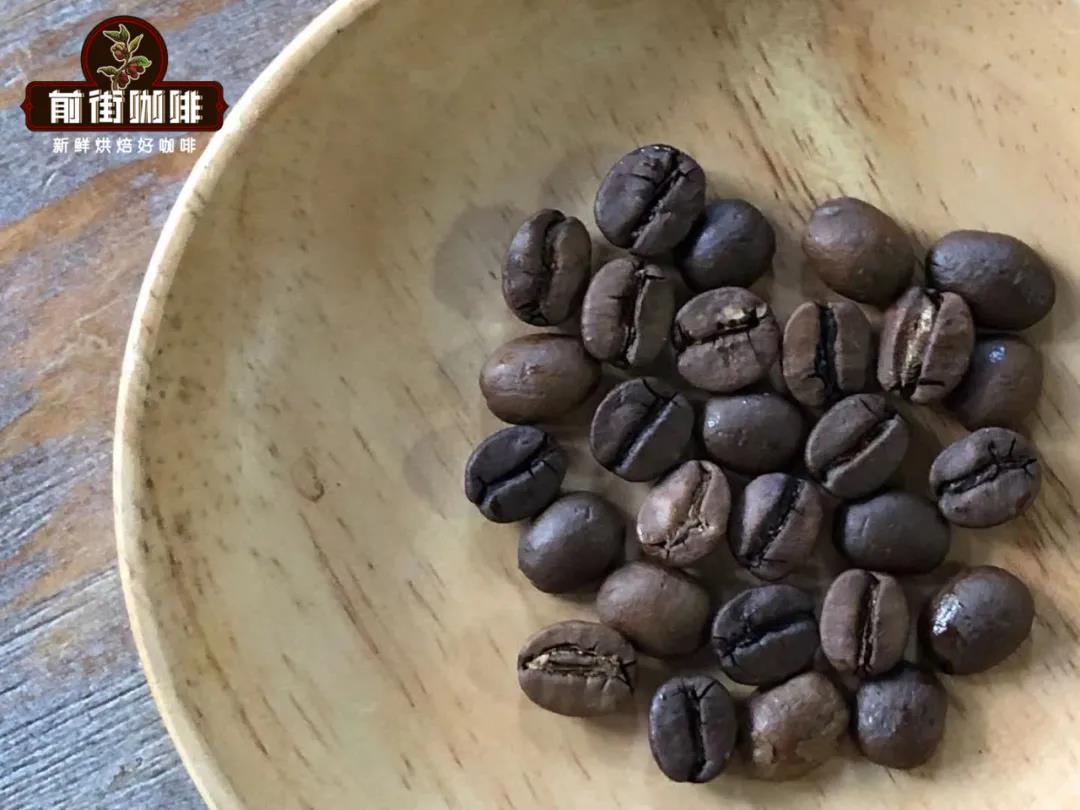
Recommended coffee: Front Street Brazil Cerrado coffee beans
| Geisha (Geisha)
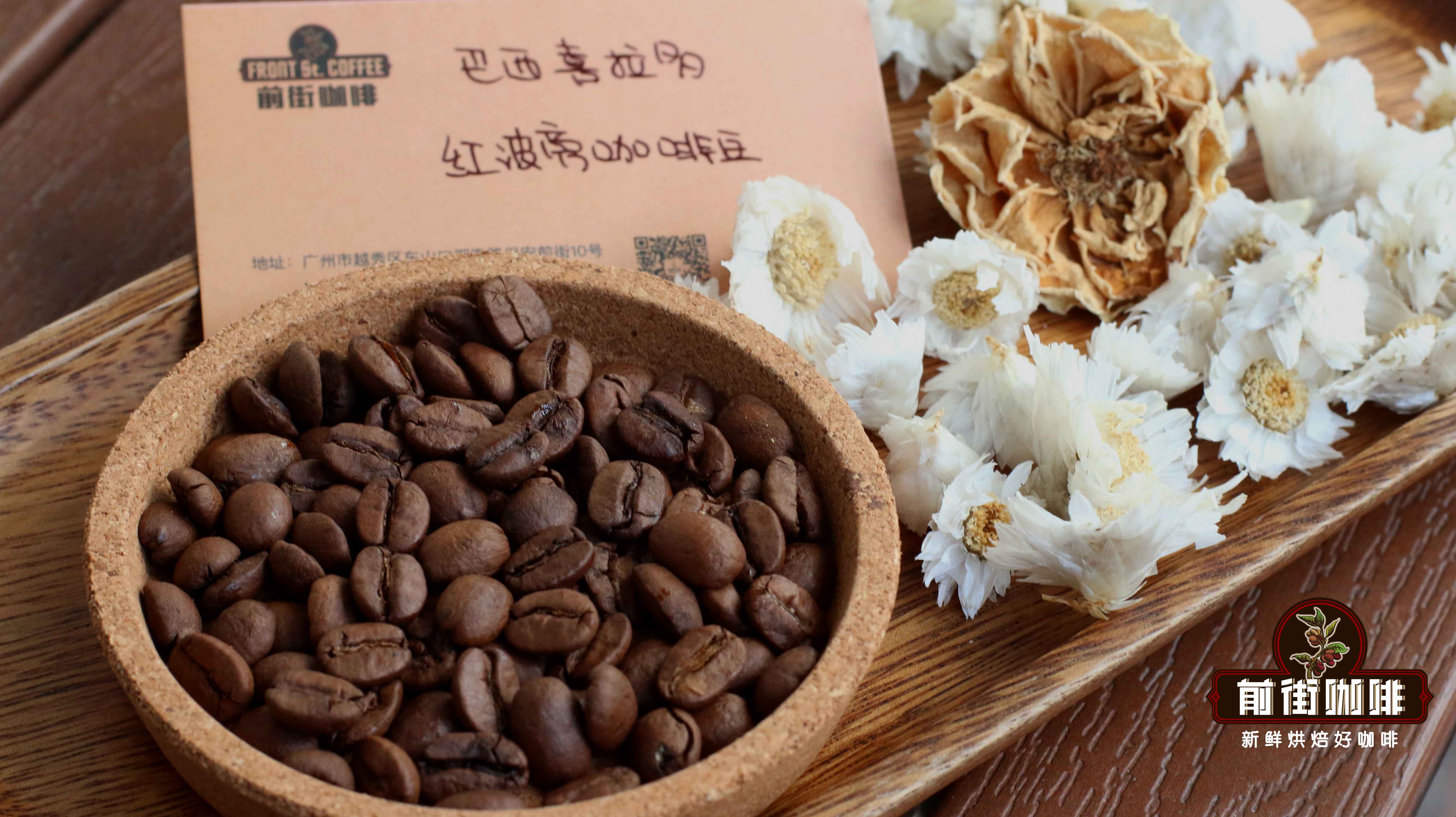
Geisha comes from the Gesha forest in Ethiopia. Compared with other varieties, the biggest characteristic of Geisha coffee is its extremely low yield. Its shape characteristics are that the coffee tree has long branch nodes and long distances between nodes, and the coffee tree produces few flowers and few fruits. Geisha coffee beans are slender, pointed at both ends, and plump and full in the middle.
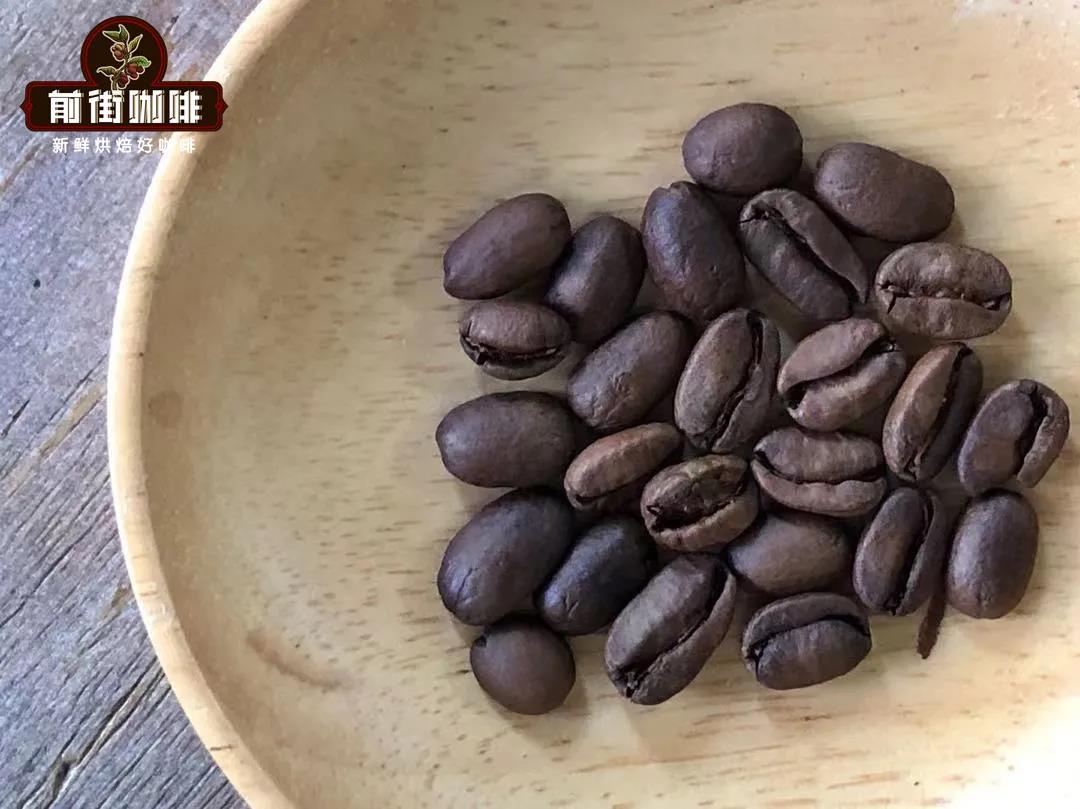
If you want Geisha coffee to have a delicate floral aroma and citrus flavor profile, the temperature of the growing region must not be too low and cause frost, the growing altitude must be high enough, and the temperature difference between day and night must be large enough to give the Geisha coffee tree enough time to accumulate nutrients.
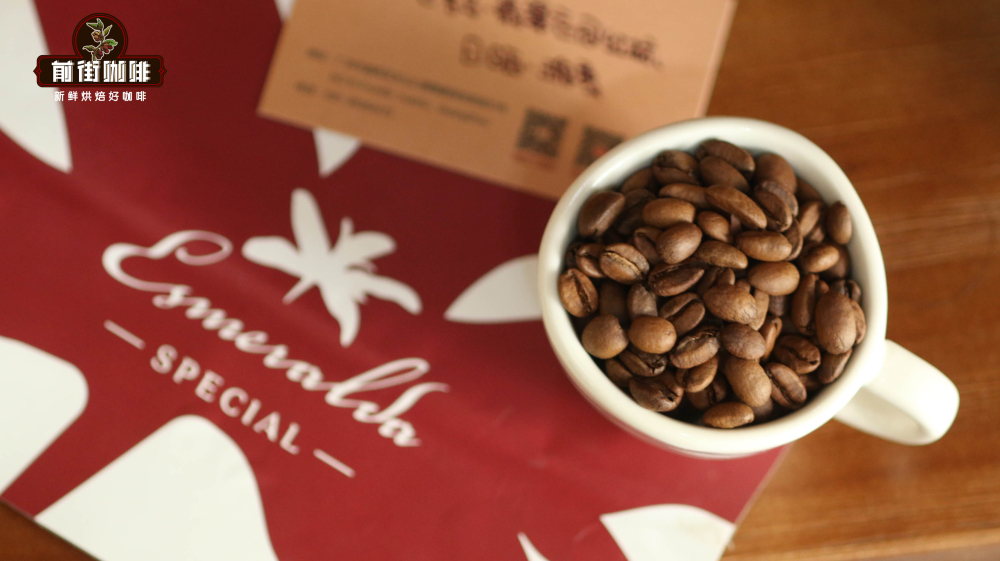
Recommended coffee: Front Street Emerald Red Label Geisha coffee beans
| Caturra (Caturra)
Caturra is a natural mutation of the Bourbon variety. The Caturra plant has very close branch intervals, and the fruit size is smaller than Bourbon, which allows more fruit to be produced in the same space, and the yield of coffee fruit is also greatly increased. Caturra coffee beans are round and long, with a curved tail end, a bright and clean mouthfeel, and a noticeably sweet flavor profile.
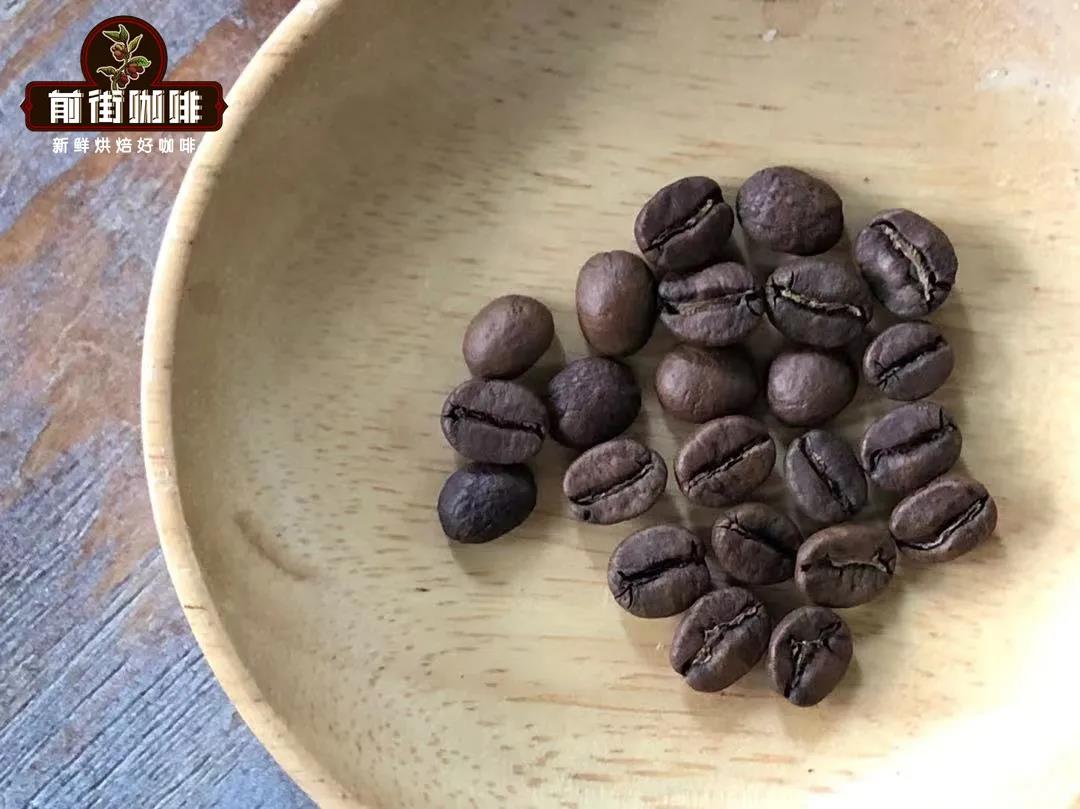
Recommended coffee: Front Street Colombia Huila coffee beans
| Catuai (Catuai)
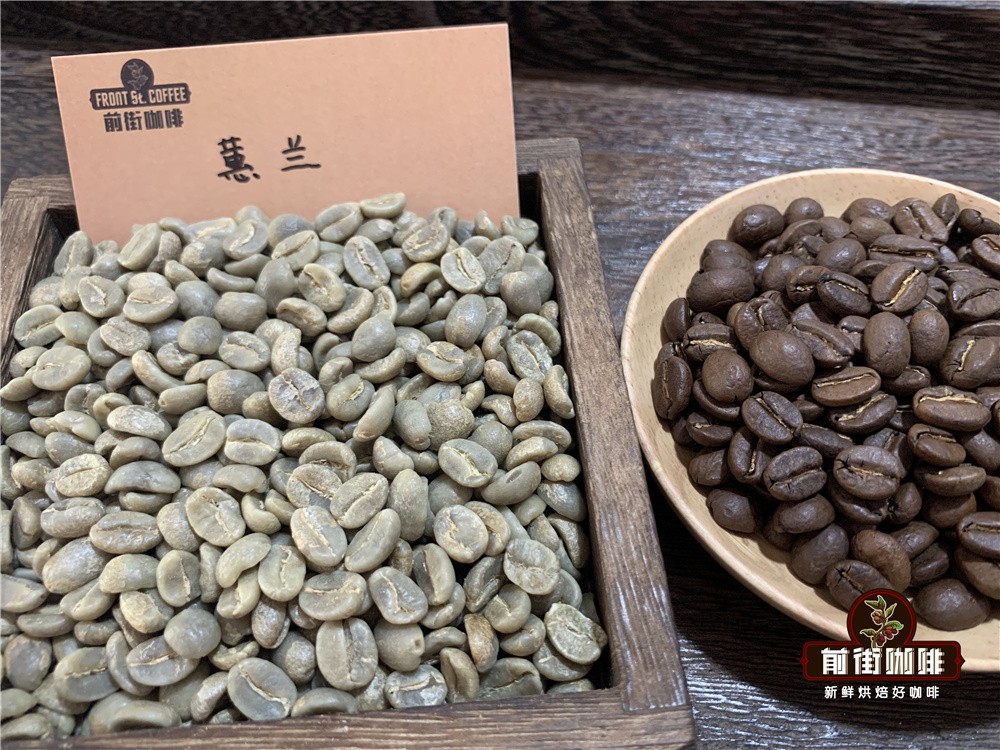
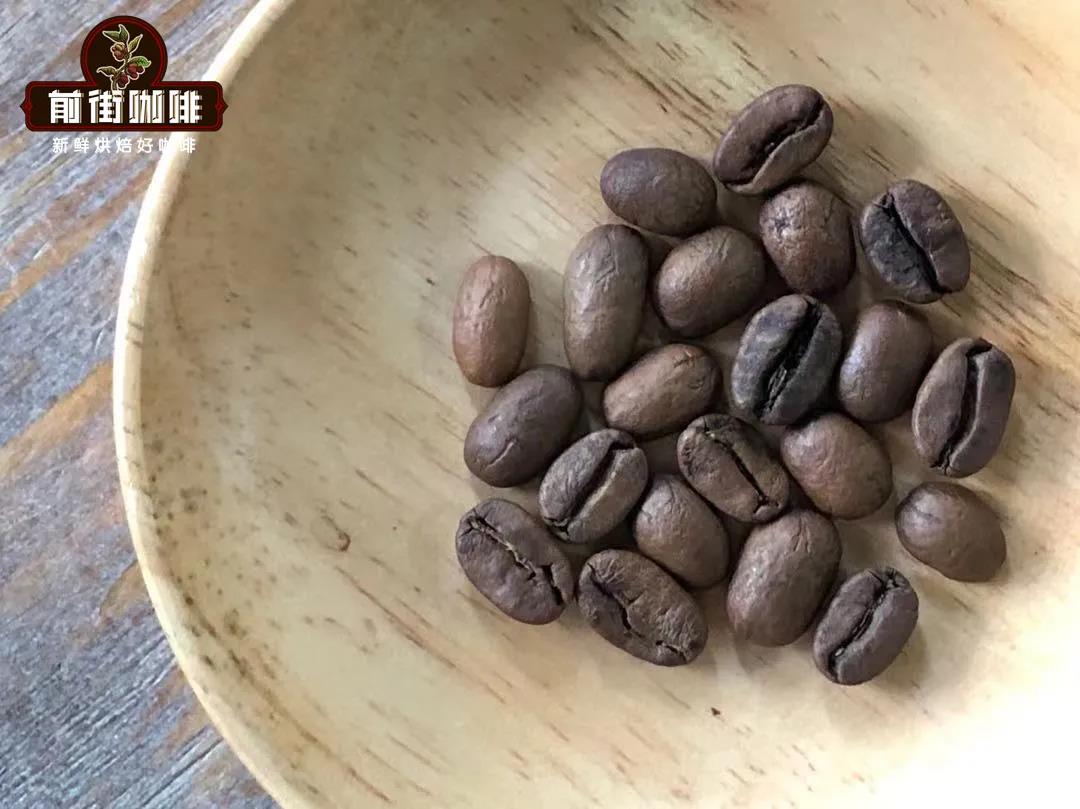
Catuai is a manually cultivated hybrid of Caturra and Mundo Novo. Catuai inherits Mundo Novo's attributes of high yield, strong disease resistance, and excellent cup quality, and inherits Caturra's attributes of small size, high-quality acidity, and suitability for sun-drying. Because the plant is relatively small, it can be planted at twice the density. Catuai coffee beans are oval and flat, with a relatively slender tail end, soft acidity, a clean mouthfeel, and rich fruity aroma.
| SL28 & SL34
Between 1935 and 1939, the Scott Laboratories used SL as a prefix for the coffee varieties it selected and cultivated. The laboratory selected 42 varieties from different origins and studied their yield, quality, drought resistance, and disease resistance. After numbering and screening them one by one, SL-28 and SL-34 were finally obtained.
(SL28)
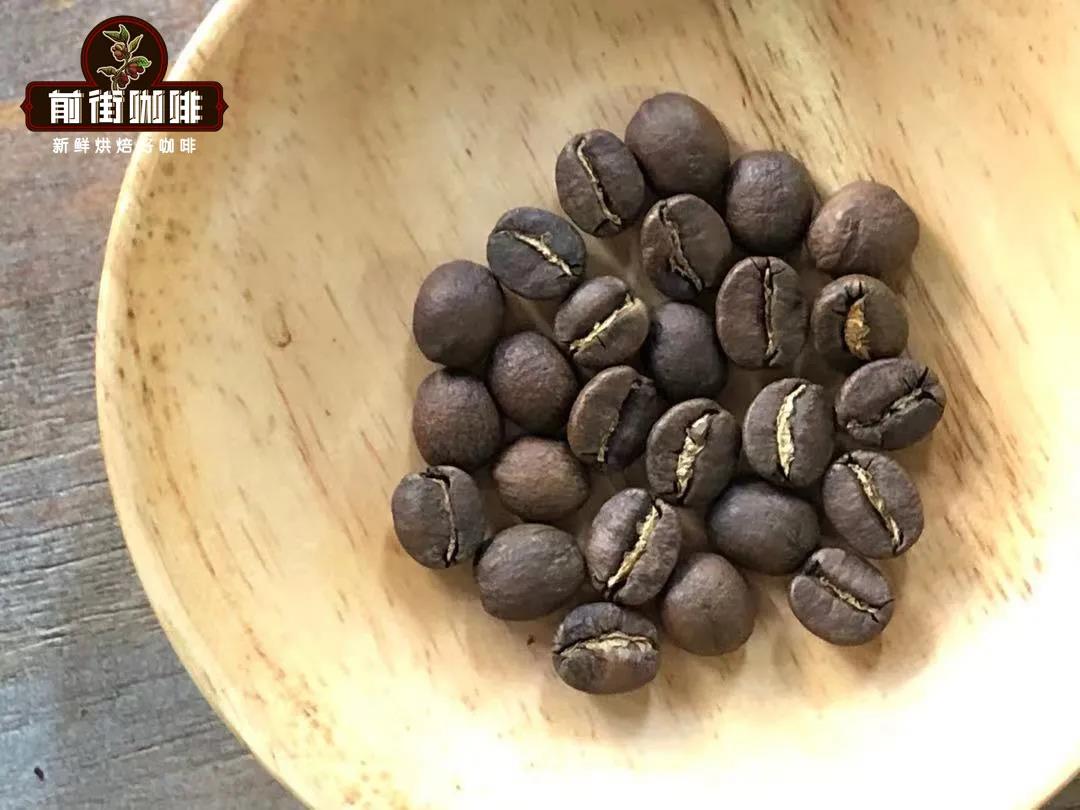
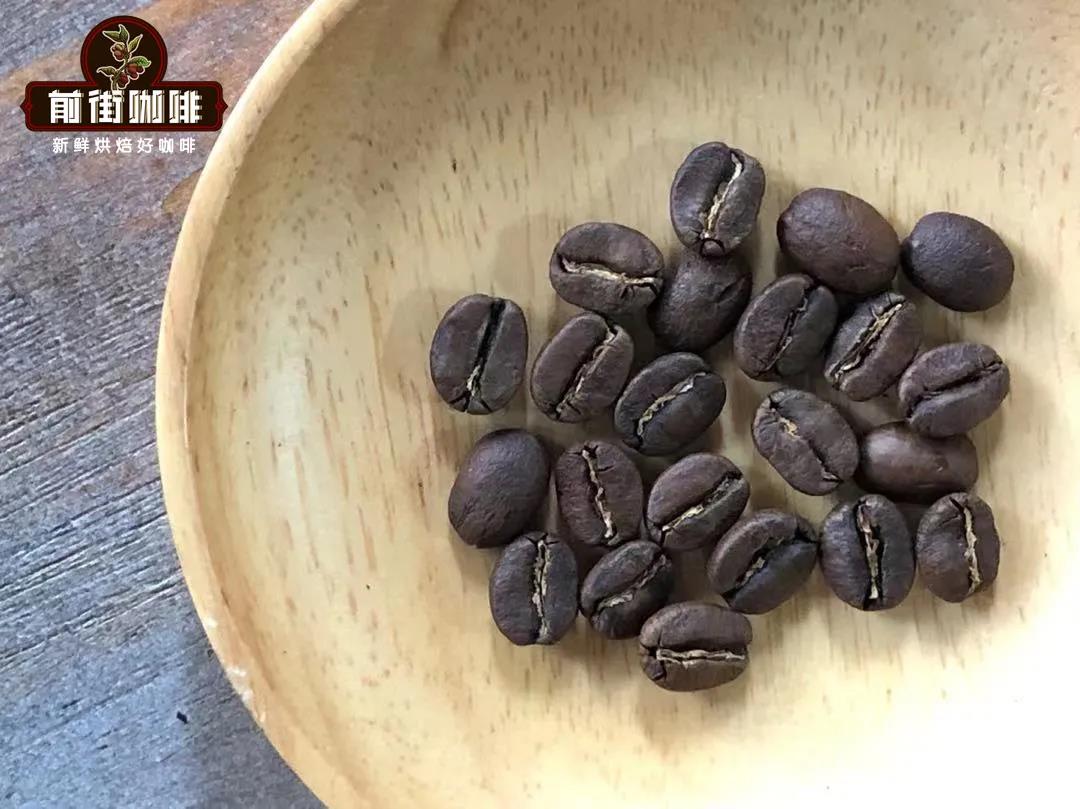
SL28 comes from the Bourbon genetic group. Its beans are short and round, with a thick body, and a flavor profile of elevated acidity and noticeable sweetness. SL34 comes from the Typica genetic group. Its beans are oval and, when viewed from the side, are not as plump as the Typica variety and appear relatively flat. It has a flavor profile of balanced, full acidity and sweetness with a caramel aftertaste.
(SL34)
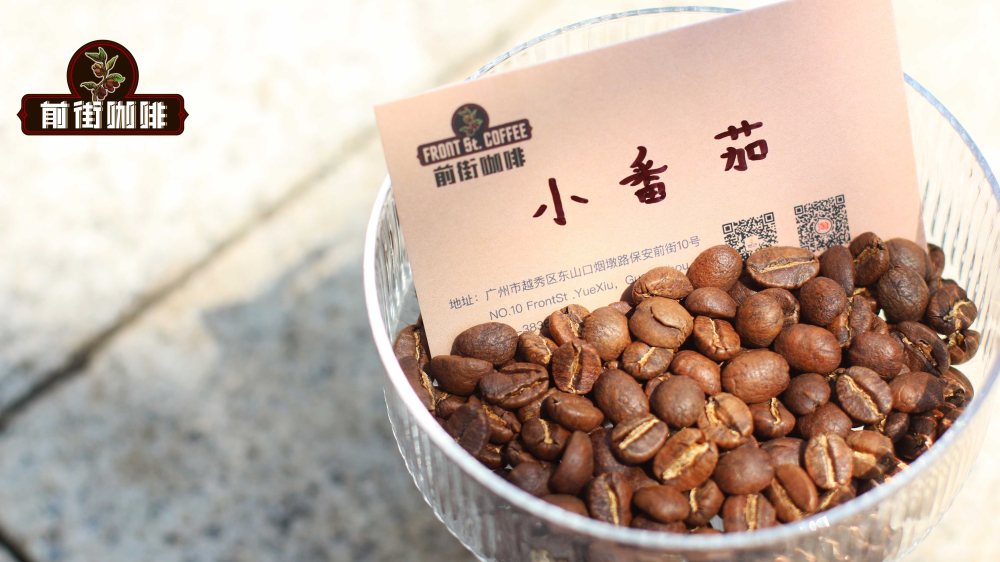
Recommended coffee: Front Street Little Tomato coffee beans
| Ethiopian Heirloom (Heirloom)
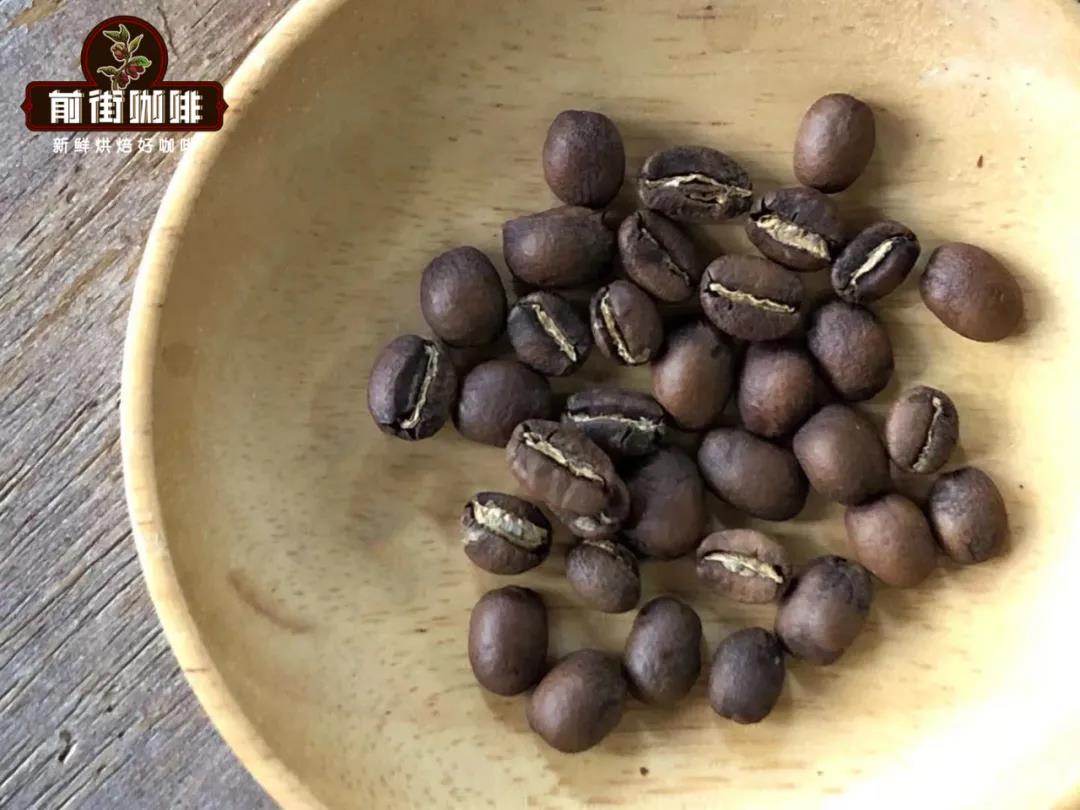
Most Ethiopian varieties are named this way. The real reason is that there are simply too many varieties in Ethiopia. It is like a natural gene bank of Arabica. On the one hand, there are so many varieties that identification and classification are difficult. On the other hand, the Ethiopian government, out of consideration for protection, is unwilling to disclose information about these varieties, so they are collectively called Ethiopian Heirloom.
Precisely because the varieties are so diverse, they are grown and harvested together, so Ethiopian heirloom beans vary in size. Most coffee beans of this variety show flavor profiles of floral and fruity aroma and citrus acidity.
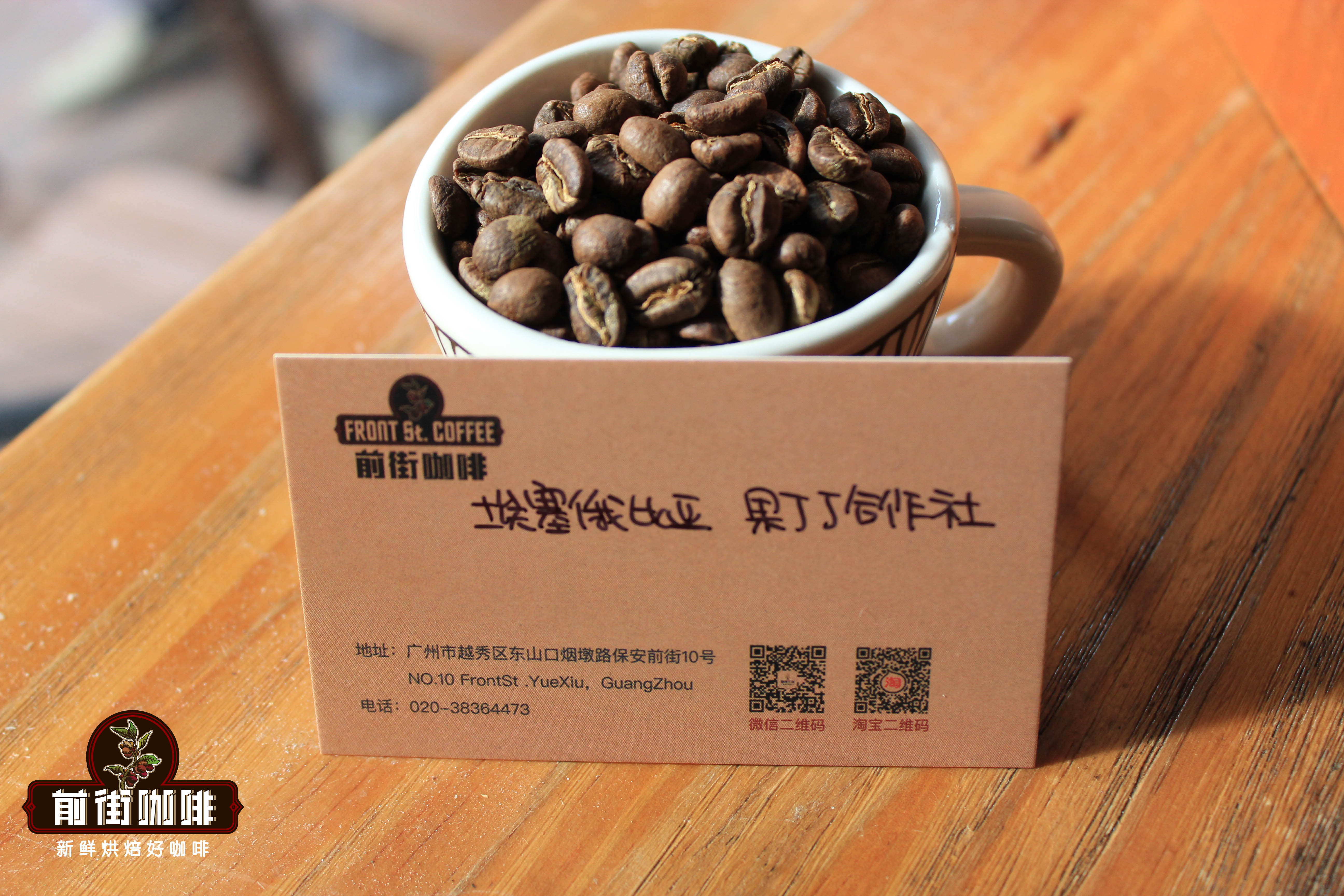
Recommended coffee: Front Street Gutingting coffee beans
At present, you can already purchase Front Street Coffee single-origin coffee beans and espresso blend coffee beans at the Tmall "Front Street Flagship Store," with 60 kinds of coffee beans from around the world, freshly roasted and shipped within 24H.
Tmall link: https://qianjieshipin.tmall.com
Or you can search directly on Taobao "Front Street Flagship Store"
The above content is compiled by CoffeeHunters, a coffee news website.

