








We know that Geisha coffee is very delicious and famous, but do you know how Geisha coffee got its name? There are many ways to name coffee—some are named after the producing country or region, some after the estate, and Geisha is the name of a coffee variety. Geisha refers to a coffee variety, called Geisha/Gesha in English. Because it happens to share the same name as "Geisha" in Japanese, some people call the Geisha variety "艺妓" (the Chinese translation of the Japanese word for geisha), while in China, people transliterated the name Geisha into "瑰夏."
Geishais found everywhere, for example: Panama, Ethiopia, Colombia, Costa Rica, and even Yunnan, China has Geisha coffee. Are these coffees all the same variety? Or is there some difference? Geisha coffee originated in Ethiopia and became famous at Hacienda La Esmeralda in Panama. So what is the difference between Geisha coffee and Ethiopian Yirgacheffe coffee?

The Discovery of Geisha
The Geisha variety was discovered in 1931 in the Geisha forest of Ethiopia, then sent to a coffee research institute in Kenya; in 1936 it was introduced to Uganda and Tanzania, in 1953 to Costa Rica, and in Panama in the 1970s, Mr. Francisco Serracin received seeds from CATIE in Costa Rica and began growing Geisha coffee. In fact, Daniel cup-tested batch after batch according to different harvest lots and noted the flavor of each batch before he noticed that one particular batch had a somewhat unique flavor. The only way to find the difference was to compare batch by batch.
After identifying the batch, he then traced back to find the harvest date and harvest area of that batch at the estate, and once again comprehensively reviewed the batch data. Finally, he determined the exact harvest location of the batch and traced the confirmed position of the harvest site. After confirming the location, he began observing the appearance of the coffee trees, leaves, and fruit one by one, and that was how Geisha was discovered. It was not as the outside world rumored—simply put, it was through several times more effort and persistence than others that this legendary variety came to be known.
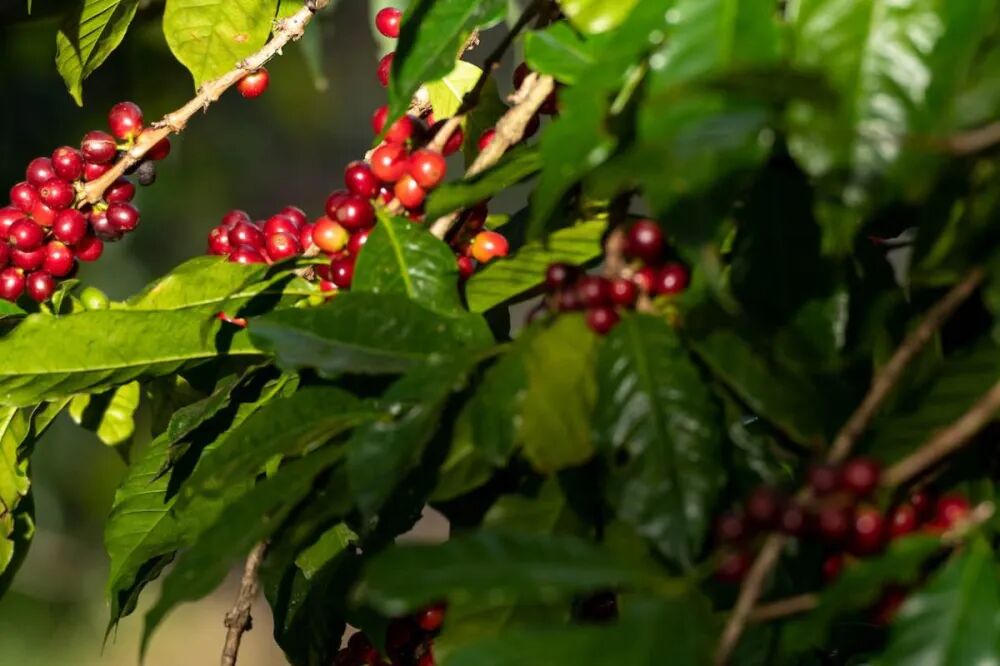
Geisha coffee went from an unknown plant to worldwide fame, and has also been introduced and planted by various estates in many coffee-producing countries. This journey has truly not been easy. Ethiopia is a landlocked country located in the Horn of Africa, and is also one of the most populous countries in the world.
Ethiopia is revered as the birthplace of coffee—the Arabica species—and possesses rich native varieties and a broad gene pool, with many varieties found nowhere else in other countries. Most Ethiopian coffee is grown by smallholder farmers on their own small estates or in wild or semi-wild environments. Nearly 15 million people across the country participate in the coffee bean growing and processing industry. As the birthplace of the Arabica coffee variety, the history of coffee consumption can be traced back as far as the 10th century. The first African nomadic peoples who consumed coffee fruit (coffee cherries) mixed coffee beans, oil, and spices to make a food that refreshed the body and replenished energy.

EthiopiaYirgacheffe
Yirgacheffe coffeeThe producing region is a specialty coffee region in Ethiopia, and also a famous coffee region. YirgacheffeYirgacheffeis located in Ethiopia on the African continent. Yirgacheffe is a small town within Gedeo. In "Yirgacheffe," "Yirga" means "to settle down," and "cheffe" refers to wetland, so Yirgacheffe means "let's settle down in this wetland." Yirgacheffe's altitude is quite high, reaching 1700-2200 meters, with low average temperatures. Coffee grows and matures over a longer period, thus absorbing more aromatic substances, and the flavor of the coffee fruit becomes more intense.
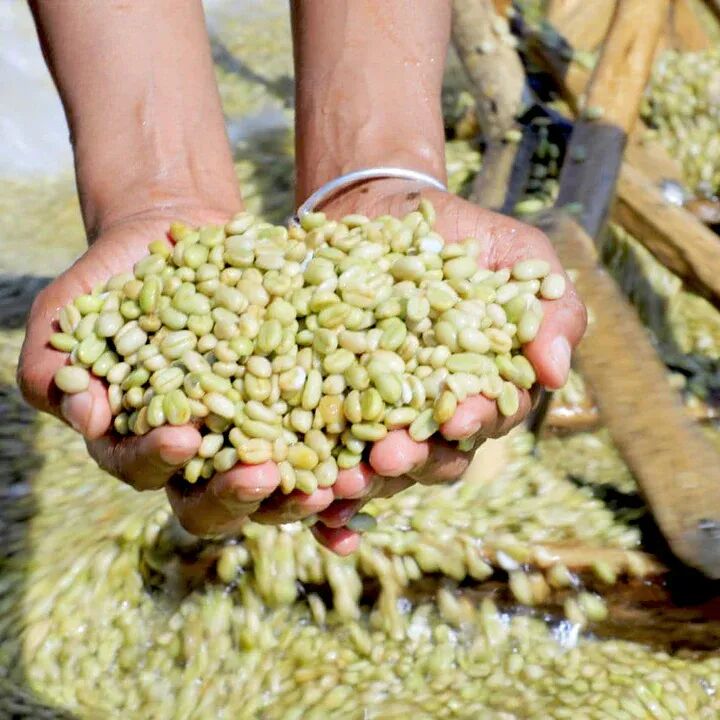
The Yirgacheffe region is mainly dominated by smallholder farming. Farmers plant coffee trees in their backyards. Since coffee cannot bring income year-round, it is mixed-planted with other crops, which also appropriately provides some shade for the coffee trees. When the harvest season arrives, farmers bag the ripe coffee cherries and sell them to cooperatives for processing, and later the green coffee beans are sold under the cooperative's name. This is why we often see coffee beans named after cooperatives.
The Yirgacheffe region currently has 28 member cooperatives, and many of them are already familiar to us, such as the Gotiti Cooperative, the Worka Cooperative, and the Konga Cooperative. Here we must mention the washed processing technique of Yirgacheffe cooperatives. Front Street believes that a large part of Yirgacheffe's flavor is due to washed processing.

Front Street's coffee beans from the Yirgacheffe region were initially mainly processed by the most traditional natural method, and only later was the washed processing method introduced. For example, Front Street Red Cherry uses the natural processing method with ripe coffee cherries. This Front Street naturally processed Yirgacheffe coffee has slightly larger beans. Coffee from this processing plant is considered a representative of high-quality Yirgacheffe, and its flavor always carries classic floral notes and lemon flavors.
Front Street has sourced more than a dozen coffees from Ethiopia. Because the coffee flavors of Ethiopia's various producing regions are all different, and in order to let coffee friends taste more of the coffee flavors from Ethiopia, the birthplace of coffee, Front Street has sourced quite a few coffee beans from different producing regions.

Although Geisha coffee came from Ethiopia, what is the difference between it and Yirgacheffe coffee?
First, the varieties are different.
Geisha coffee is a coffee of the Geisha variety. The Geisha variety was discovered in 1931 in the Geisha forest of Ethiopia, and was later sent to a coffee research institute in Kenya. During this period, the Geisha variety was also introduced to Uganda and Tanzania. In 1953, Costa Rica also introduced Geisha. It was not until the 1970s that Geisha seeds took root in Panama. It can be said that the Geisha coffee we drink today has been extremely hard to come by.

Yirgacheffe is a producing region in Ethiopia. Most of the coffee produced there is local native variety, also called Heirloom native variety. Generally, the beans can be seen to vary in size and shape because they may contain multiple varieties. This is because Ethiopia is a treasure trove of coffee bean genes, with far too many variety types, making identification and classification very difficult. In addition, the local government, for protection reasons, chose not to disclose information about these varieties, so they are collectively called native varieties.
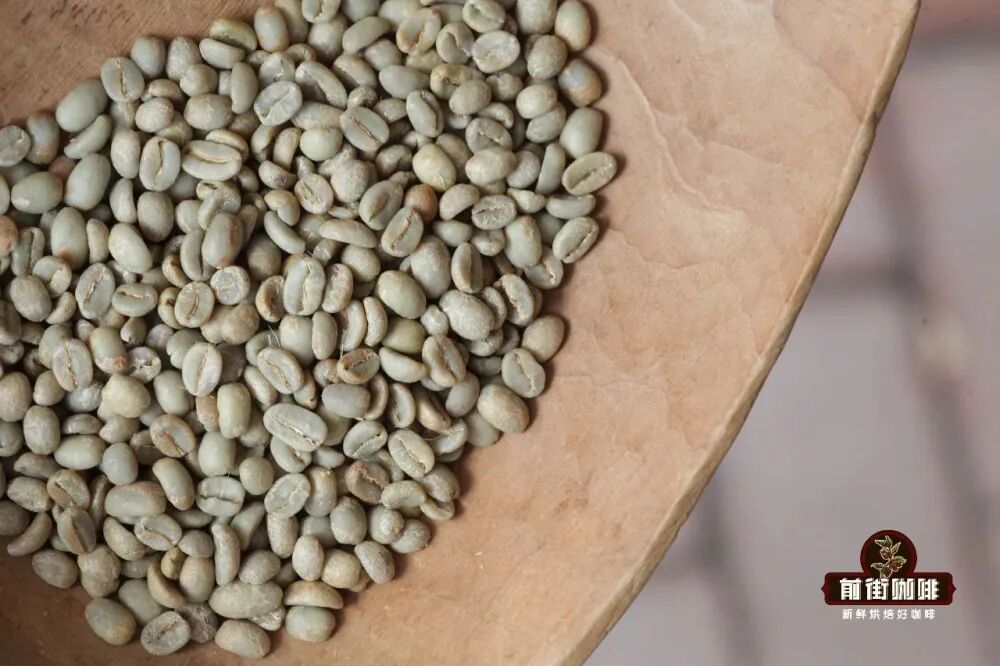
In addition, the flavor of Geisha coffee in Ethiopia and in Panama is also different, mainly affected by the growing environment and climate. Although Ethiopia is the birthplace of coffee and is also very suitable for coffee growth, Geisha variety coffee has extremely picky requirements for its growing environment: it needs both shade trees and high altitude, fertile volcanic soil, forest cultivation, rainfall and sunlight, meticulous manual management... it can be said that none can be missing. It is precisely because Panama's environment and farm owners possessed all the above conditions that the internationally renowned Geisha flavor could be grown today.
Panama
Panama is located in Central America, and beside it are also countries producing high-quality coffee—Costa Rica on the left, and Colombia on the right. The local mountain range runs horizontally from east to west. Cold air flows through the central mountain range and gathers above 6,500 feet in altitude, creating a unique microclimate in the Boquete and Candela regions. The temperature here is comfortable and the rainfall abundant, very suitable for the growth of various plants.
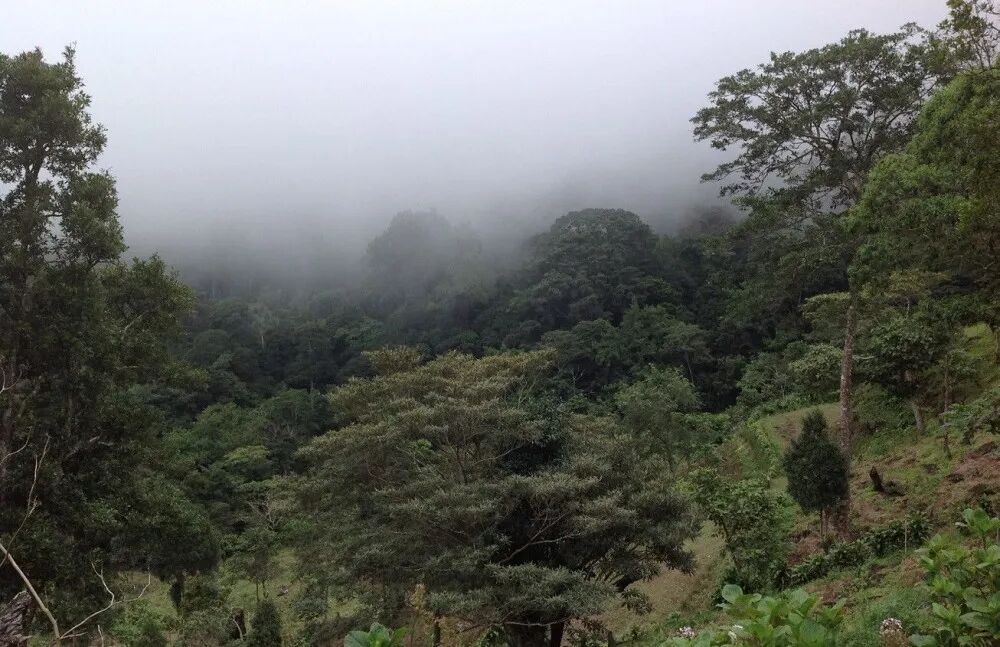
Geisha coffee trees need to grow in an environment with clouds and mist or shade from other plants, and cannot be directly exposed to the sun.Boquete producing regionis often covered by clouds and mist among the mountains, humid during the day, cool at night, and together withBarú Volcanobringing fertile soil, these are all favorable conditions for growing high-quality coffee like Geisha.
The higher the altitude of cultivation, the longer the Geisha coffee fruit takes to mature, the more nutrients it absorbs, and the richer and more unique its flavor expression. Geisha grown at high altitude has intense floral aromas, full juice-like body, bright acidity, smooth mouthfeel, and such rich flavor layers that it is far superior to batches grown at low altitude.
Hacienda La Esmeralda
Hacienda La Esmeralda in Panama is both the discoverer of the Geisha coffee variety and its promoter.
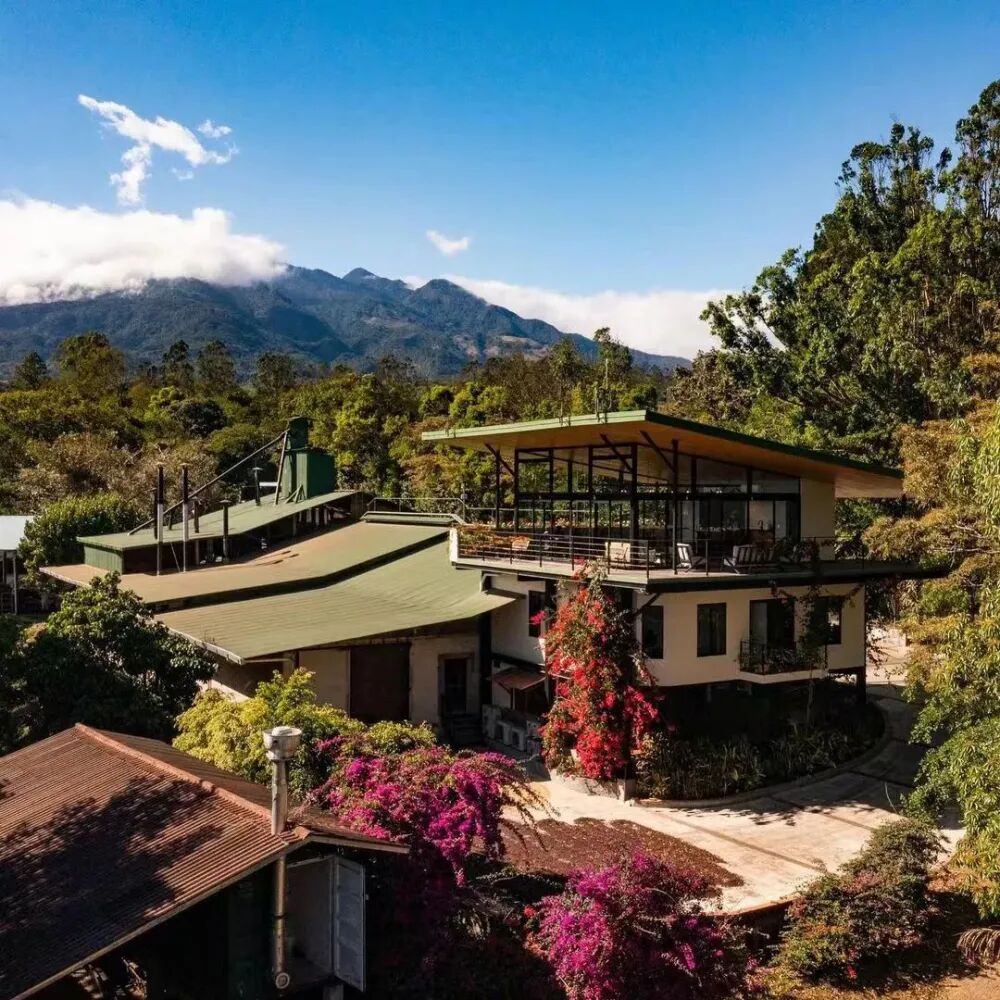
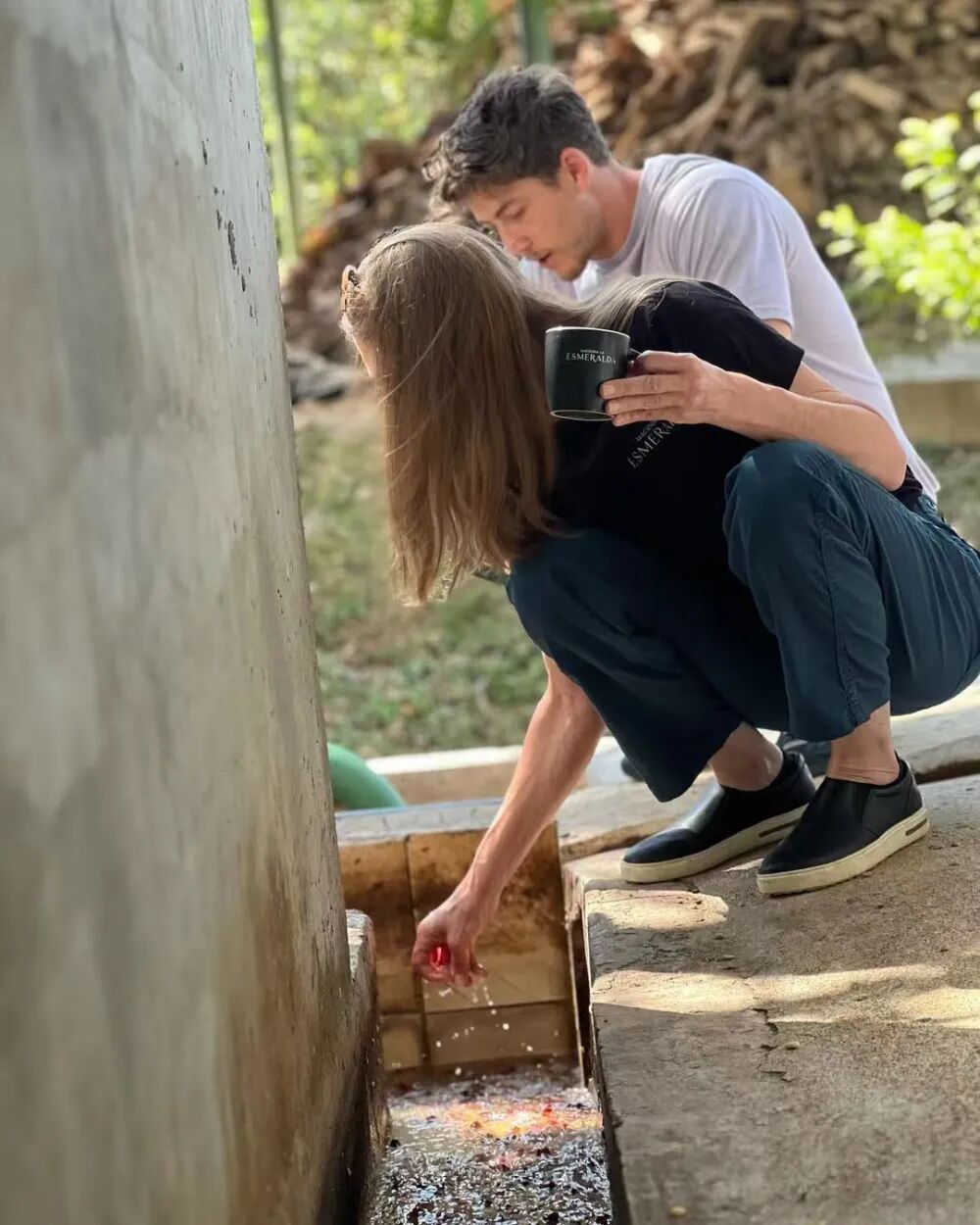
Hacienda La Esmeralda is the best known, and its coffee mainly comes from three farms under it: El Velo, Canas Verdes, and Jaramillo. In order to precisely manage coffee cultivation, Hacienda La Esmeralda cup-tested coffee beans from different areas within the estate separately and determined planting plots according to altitude, which is how the Geisha grades we know, such as Esmeralda Red Label and Esmeralda Green Label, came about.
Elida Estate
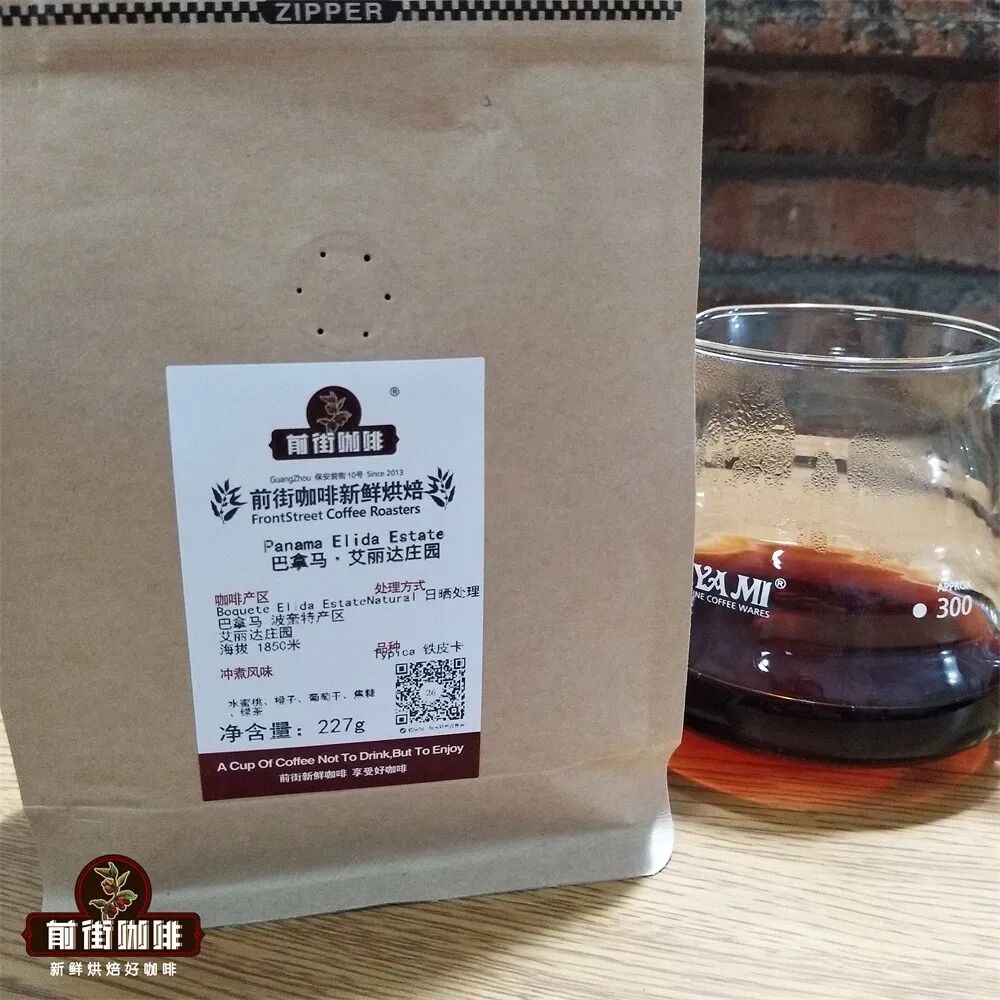
Elida Estate has a century-old history of coffee cultivation. It was founded in 1918 by the Lamastus family, and the estate owner has now been passed down to the fourth generation. More than half of Elida's growing area is located within the highest national park in Central America, Barú Volcano National Park. The microclimate brought by the volcano and the high-altitude growing environment allow plants to grow excellently. Besides coffee, many rare high-altitude fruit varieties are also grown here.
Coffee Bean Processing Methods
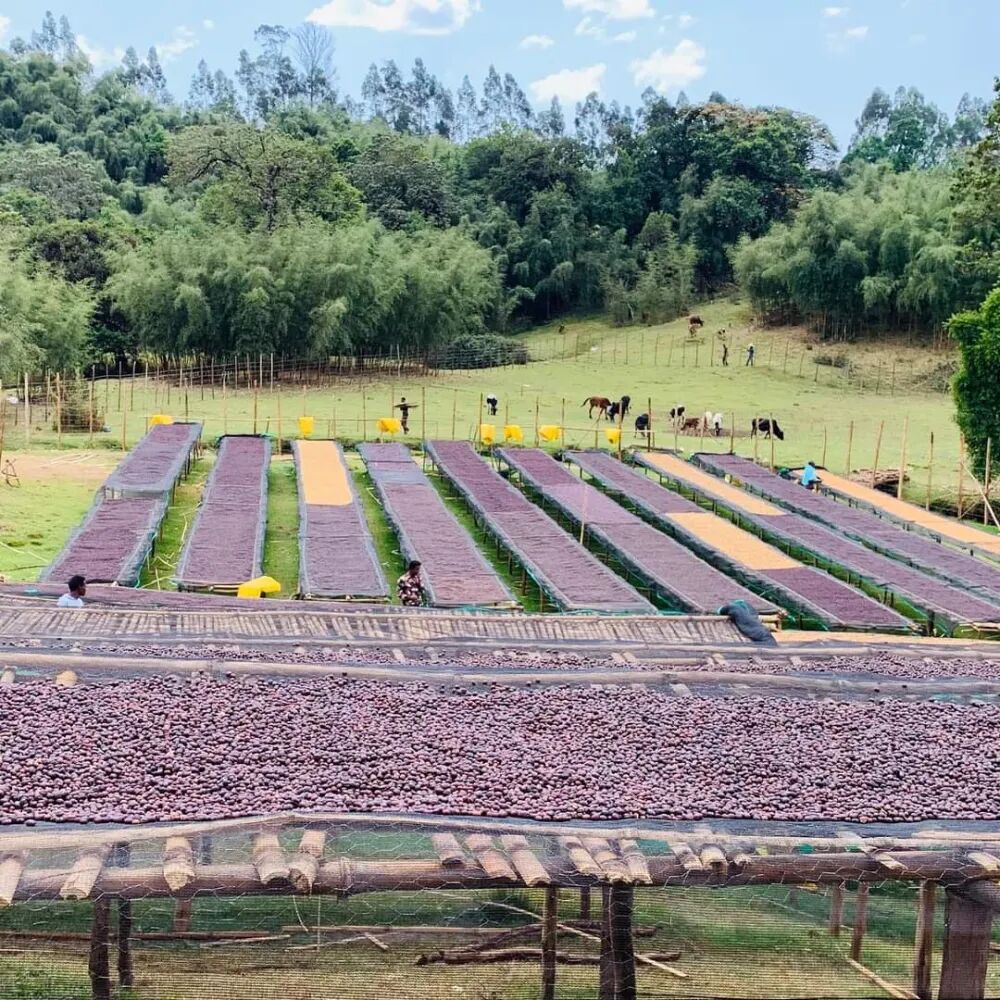
Front Street Yirgacheffe coffee beans initially used the most traditional natural processing method, and later introduced the washed processing method. The better known ones are Front Street Natural Red Cherry Coffee and Front Street Washed Yirgacheffe Coffee. As for Geisha coffee, it also has both natural and washed versions, such as: Hacienda La Esmeralda's Front Street Washed Green Label Geisha Coffee, Front Street Natural Red Label Geisha Coffee, and Front Street Washed Boquete Geisha Coffee.
Front Street brewing parameters:
Since both Front Street Yirgacheffe coffee beans and Front Street Geisha coffee beans use light roasting, brewing requires hot water at 92°C to stimulate the floral and fruity notes in the coffee. For grind size, Front Street recommends medium-fine grinding (80% passing through China standard No. 20 sieve). Too coarse and it cannot extract rich substances, making the brewed coffee seem thin. Too fine and it is easy to over-extract at high water temperature, making the brewed coffee prone to bitterness.

The specific brewing parameters used by Front Street are: V60 dripper, water temperature 91°C, water-to-coffee ratio 1:15, coffee dose 15g, medium-fine grind (80% passing through China standard No. 20 sieve)
Front Street's staged extraction method: first use 30g of water to fully wet the coffee bed into a "hamburger" shape and bloom for 30s; for the second pour, at 1'00" on the timer, pour water until it reaches 125g, then stop and wait until the water level drops to 2/3 of the coffee bed before pouring the third stage; for the third stage, at 1'40" on the timer, pour water until it reaches 225g. After the coffee liquid has completely dripped through, the total extraction time is 1'59". The total brewing time is 2'00". After extraction is complete, gently swirl, and wait until the coffee liquid is fully uniform before tasting.

Front Street Washed Yirgacheffe Gotiti Coffee Flavor:Lemon, floral, orange, cane sugar, overall clean and refreshing, with a sweet finish of honey and an oolong tea aftertaste.
Front Street Natural Red Cherry Coffee Flavor Characteristics:Lemon, licorice, citrus, berry, sweet orange, overall higher sweetness, with a sweet finish of caramel and cream, and an aftertaste with black tea aroma.
Front Street Panama Washed BoqueteGeisha Coffee Flavor Characteristics:Clear acidity of citrus, lemon, and bergamot, with a creamy smooth mouthfeel when swallowing, and a sweet finish of green tea and honey.
Front Street Panama Natural Elida Coffee Flavor Characteristics:Fermentation aroma, rose, berry, citrus, green tea, cream, nuts.

Although Geisha coffee is delicious, not everyone will necessarily like it. After all, everyone has different tastes. Perhaps some people like the fresh, light floral notes and bright fruity acidity of Ethiopia; some like the pine and herbal nutty notes of Indonesian Mandheling; and some may like the grape honey processing flavor of specialty-processed Costa Rican Front Street Mirazu Coffee or Front Street Mozart Coffee... In short, you still need to choose the beans you like yourself—that is the most suitable choice~
The above content is compiled by CoffeeHunters, a coffee news website.

