







What Separates Panamanian Geisha From Ethiopian Geisha?
Panamanian Geisha and Ethiopian Geisha are not the same variety, which is why they differ so sharply in both flavor and price. Panamanian Geisha traces back to the Geisha forest in Ethiopia, was identified by Hacienda La Esmeralda, and won the 2004 BOP competition under the designation T2722. In the cup it shows white floral aroma, citrus fruit notes, and a green tea sensation.
Ethiopian Geisha, by contrast, behaves like a distant relative rather than the same coffee: it is genetically more distantly related and mostly shows a rich, juicy mouthfeel instead of a floral, tea-like profile. Since geisha coffee varies widely with origin and processing method, Front Street Coffee sells both types through its Tmall and Taobao flagship stores, where buyers can compare them directly.
Geisha coffee varies significantly in flavor and price depending on its origin and processing method. Among them, Ethiopian Geisha and Panamanian Geisha often spark heated discussions among coffee enthusiasts due to their stark differences in price and taste. Although they share the name "Geisha," they are actually entirely different varieties. Panamanian Geisha originated from the Geisha forest in Ethiopia, was discovered by Hacienda La Esmeralda, and won the 2004 BOP competition, known for its white floral aroma, citrus fruit notes, and green tea sensation, with the designation T2722; while Ethiopian Geisha mostly exhibits a rich, juicy mouthfeel and is genetically more distantly related to Panamanian Geisha, making it something of a distant relative. This article will outline the origins and flavor differences of the two, and recommend several high-value Geisha beans from Front Street Coffee for comparative tasting.
Like many coffee varieties, the flavor and value of Geisha can change depending on its origin and processing method. However, two types of Geisha have remained controversial due to their vast differences—Panamanian Geisha and Ethiopian Geisha. Their disparity in price and taste has become an enduring topic of discussion in the coffee world. In Front Street Coffee's Tmall and Taobao flagship stores, both types of Geisha are sold, and in considerable quantities, so buyers often ask: "What exactly is the difference between Ethiopian Geisha and Panamanian Geisha?"
If Geisha from other regions were compared to Panamanian Geisha, the difference might only be the growing area. But Ethiopian Geisha is completely different, as Front Street mentioned earlier—whether in price or flavor, the gap between it and Panamanian Geisha is enormous. The reason for this difference can be summed up in one phrase: same name, different variety. Although both are called Geisha, the varieties themselves are entirely distinct.

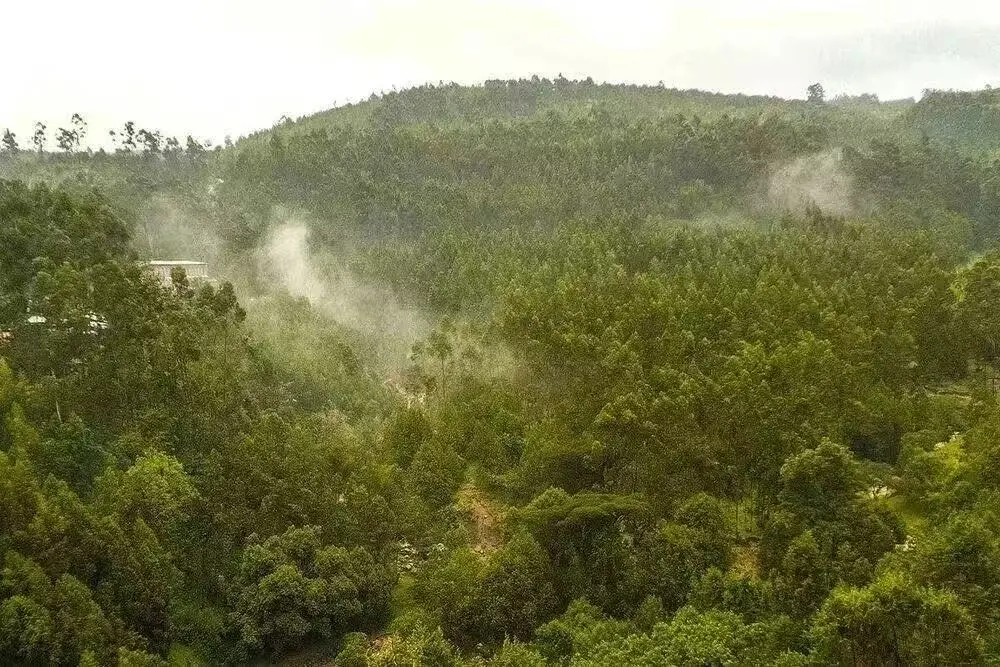
What does this mean? Front Street will first introduce you to Panamanian Geisha. Friends who regularly read Front Street's content should already be familiar with it. Panamanian Geisha is not native to Panama; it also originated in the birthplace of Arabica—Ethiopia, specifically traceable to the Geisha forest in Ethiopia.
In 1931, a British expedition ventured deep into Ethiopia's ancient forests to collect coffee, aiming to find disease-resistant varieties, and the collection area included the Geisha forest. There, the expedition collected a series of varieties and named them using the misspelling "Geisha" of the local place name "Gesha." These varieties then traveled through many countries, and one of them arrived in Panama at the end of the 20th century, where Hacienda La Esmeralda discovered its flavor potential. It ultimately won the 2004 BOP (Best of Panama) green bean competition with its excellent flavor, introducing the world to the characteristics and charm of this variety. This is the Geisha that is now highly sought after.
This Geisha has a unique designation—T2722. Its excellent flavor on the competition stage also became people's stereotype of it: intense and elegant white floral aroma, bright and full citrus fruit notes, and a fresh, clean green tea sensation—this is what people call the "Geisha flavor."
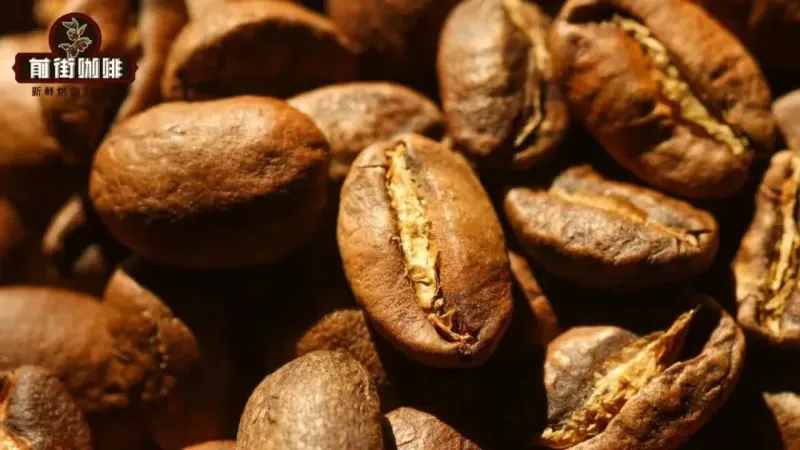
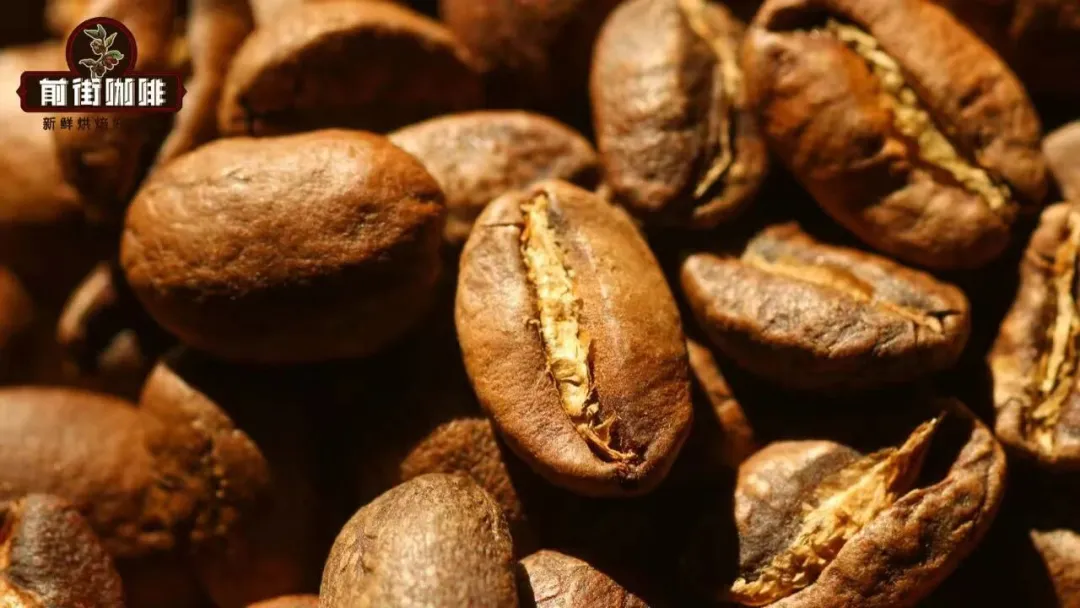
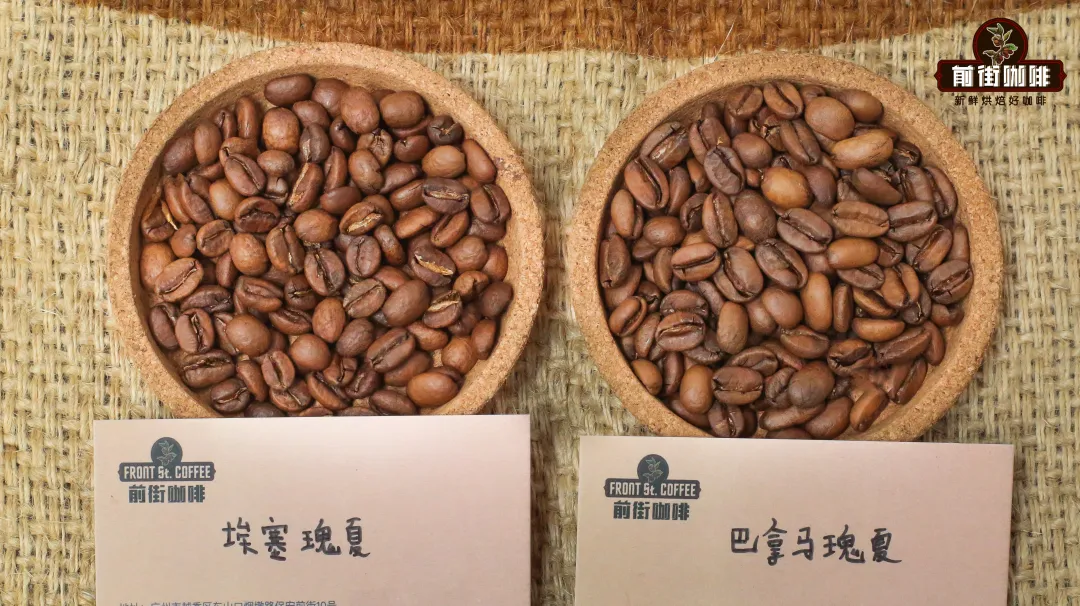
Ethiopian Geisha, on the other hand, appeared many years after Panamanian Geisha became hugely popular. Many people, after being amazed by the flavor of Panamanian Geisha, returned to the Geisha forest, the birthplace of Geisha, trying to find varieties of equal or even superior quality. Eventually, quite a few did find varieties that looked identical to Panamanian Geisha—slender, oval-shaped, pointed at both ends, resembling a sausage roll—and named these later-discovered varieties in the same way.
But even with similar appearances and the same place of origin, they are not necessarily the same variety, and this can be judged from the taste. Compared to Panamanian Geisha, the vast majority of Ethiopian Geisha is dominated by a rich, full fruity flavor, tasting more like "juice" than "floral-fruity tea." Of course, this also has some connection to the growing location. However, genetic identification has revealed that most Ethiopian Geisha has little genetic relationship to Panamanian Geisha, so they can at best be considered "distant relatives" of Panamanian Geisha. But because they share the same name, in order to better distinguish the Geisha that rose to fame in Panama (T2722) from them, the World Coffee Research center specifically named the Geisha domesticated and cultivated in Panama "Panamanian Geisha." So you can see that although Ethiopian Geisha and Panamanian Geisha are both called Geisha, they merely share the same name, and there are still certain differences in other aspects.
One thing to note: although Ethiopian Geisha is very affordable and differs greatly in taste from Panamanian Geisha, this does not mean Ethiopian Geisha is of low quality. As Front Street has shared before, the price of coffee is not entirely tied to flavor but comes more from cost and scarcity. The reason Ethiopian Geisha has remained popular for so long is not just because it "piggybacks" on the Geisha name, but also because of its unique flavor and extremely outstanding value for money.
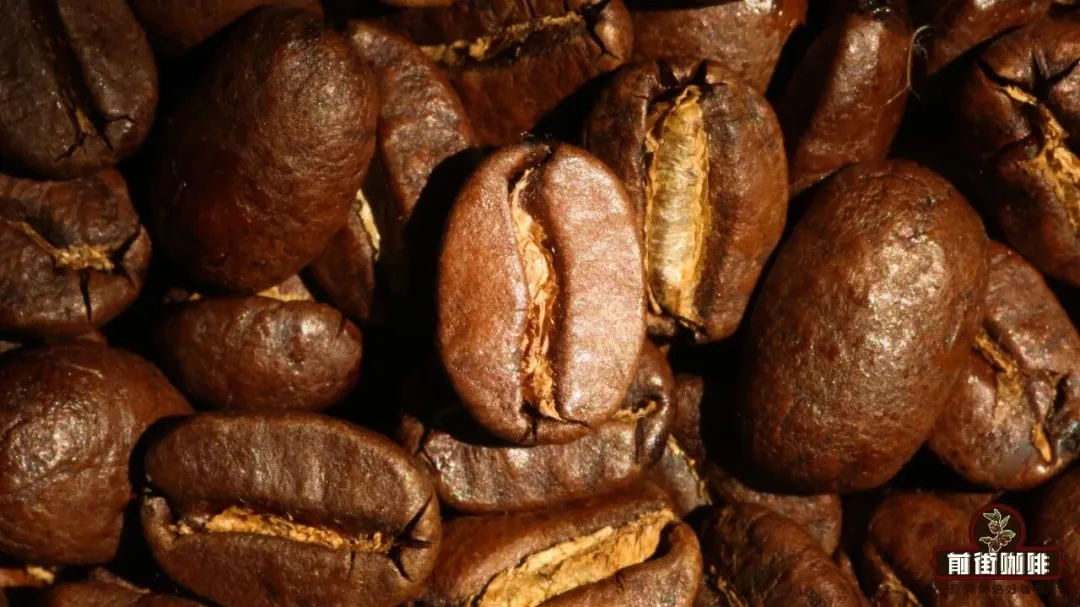
If you want to taste a relatively excellent Ethiopian Geisha, then Front Street Coffee's bean list has two options worth trying, both highly renowned in the industry. One is Front Street Gesha Village Red Label Geisha, a variety found by the owner of Gesha Village Estate in the Gori Geisha forest. Front Street uses a medium-light roast, and when brewed, the naturally processed beans exhibit flavors of berries, citrus, and oolong tea—very good. The other is the recently launched Front Street Grana Geisha, a highly cost-effective Ethiopian Geisha. It also uses natural processing and a medium-light roast. The coffee brewed with it has notes of apricot, oolong tea, and light floral aroma, with a light body and fresh flavor—very nice. Front Street has also introduced a medium roast for making SOE, which will be more suitable for friends who make espresso-based coffee.
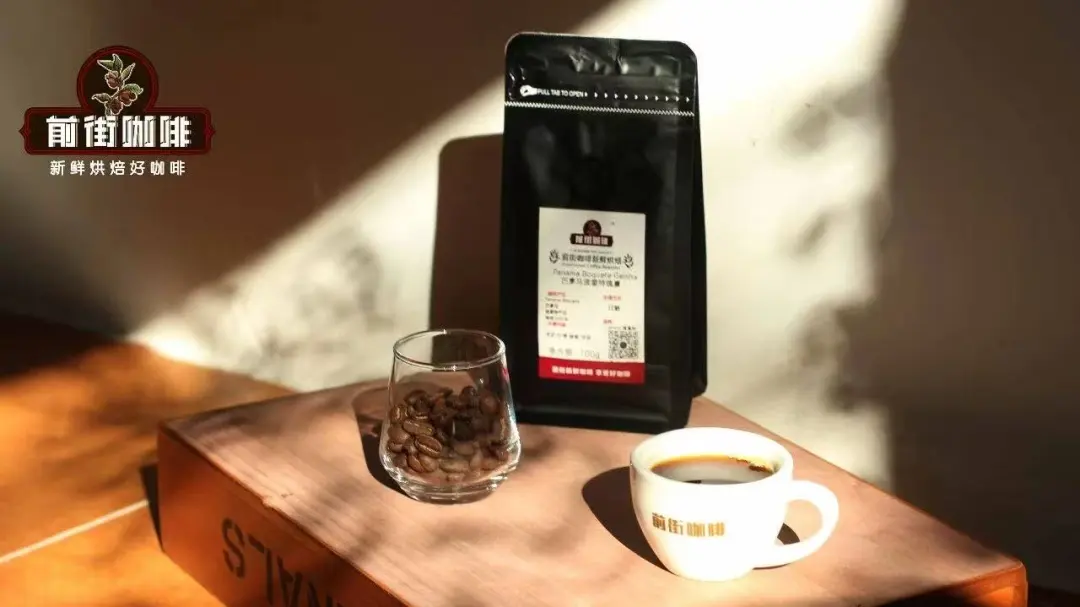
And if you want to taste the classic Panamanian Geisha, then Front Street Coffee's Front Street Boquete Geisha will be an excellent choice. From its appearance, we can see it is the standard T2722 variety, and it comes from Boquete, the same region as major Panamanian famous estates like Hacienda La Esmeralda and Elida. Its flavor presents exactly the intense white floral aroma, citrus fruit notes, green tea, and honey—the pure Geisha flavor that Front Street mentioned earlier—highly recommended.
That concludes all the content Front Street is sharing this time. For those interested, Front Street would recommend drinking them side by side for comparison, so we can more directly taste the differences between the two.
- END -
The above content is compiled by CoffeeHunters, a coffee news website.


