








Is Huakui the Same as Geisha Coffee?
Huakui and Geisha are not the same thing. Geisha is a coffee variety, known for pointed, elongated raw beans and intense floral and fruity notes, while Huakui is a trade name for an Ethiopian natural-process bean from Guji Hambela. The two share only an origin in Ethiopia, so treating Huakui as a type of Geisha misreads both the naming logic and the variety background.
Huakui refers specifically to the natural-process batch from the Buku Abel processing station in Hambela that won the natural category at Ethiopia's 2017 Taste of Harvest competition, submitted by DW Coffee Company. Panama geisha coffee beans, by contrast, carry the T2722 variety lineage. Brewing both with the same parameters shows the gap in cup profile that follows from variety and processing rather than from a shared name.
Many coffee enthusiasts still confuse Huakui with Geisha to this day, and some even believe Huakui is a variety of Geisha. In fact, these two names belong to completely different concepts: Geisha is the name of a coffee variety, while Huakui is a trade name for an Ethiopian natural-process bean. Although both originate from Ethiopia, their variety backgrounds, naming logic, and flavor profiles are entirely different. This article, from the perspective of Front Street, will sort out Huakui's rise to fame, its variety classification, and the two main reasons it is mistaken for Geisha, and compare the flavor performance of Front Street Ethiopia Huakui and Front Street Panama Boquete Geisha using the same brewing parameters, to help readers thoroughly clarify this easily confused pair of coffees.

Even today, many friends still misunderstand Huakui and directly equate it with Geisha. But in reality, Huakui and Geisha are completely different things: Huakui is Huakui, and Geisha is Geisha. If we must find an intersection between the two, it is that they both originated in Ethiopia. So where does this misunderstanding come from? What differences exist between Huakui and Geisha? Front Street will now re-examine this and see where exactly they differ.
What is the difference between Huakui and Geisha?
Many people's confusion between Huakui and Geisha stems from a misreading of the names. "Geisha" is the name of a coffee variety. A variety refers to a biological population with stable hereditary characteristics and common phenotypes. For example, when we mention Geisha (Panama T2722), we immediately picture the raw bean form with pointed ends and an elongated body, as well as the variety's signature intense floral fragrance and fruity notes.
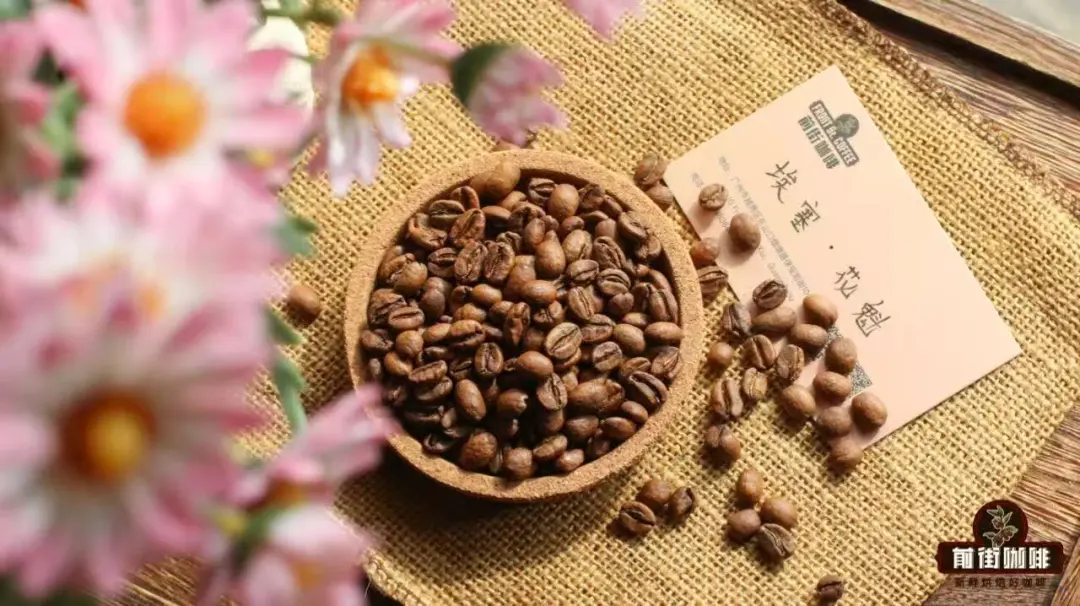
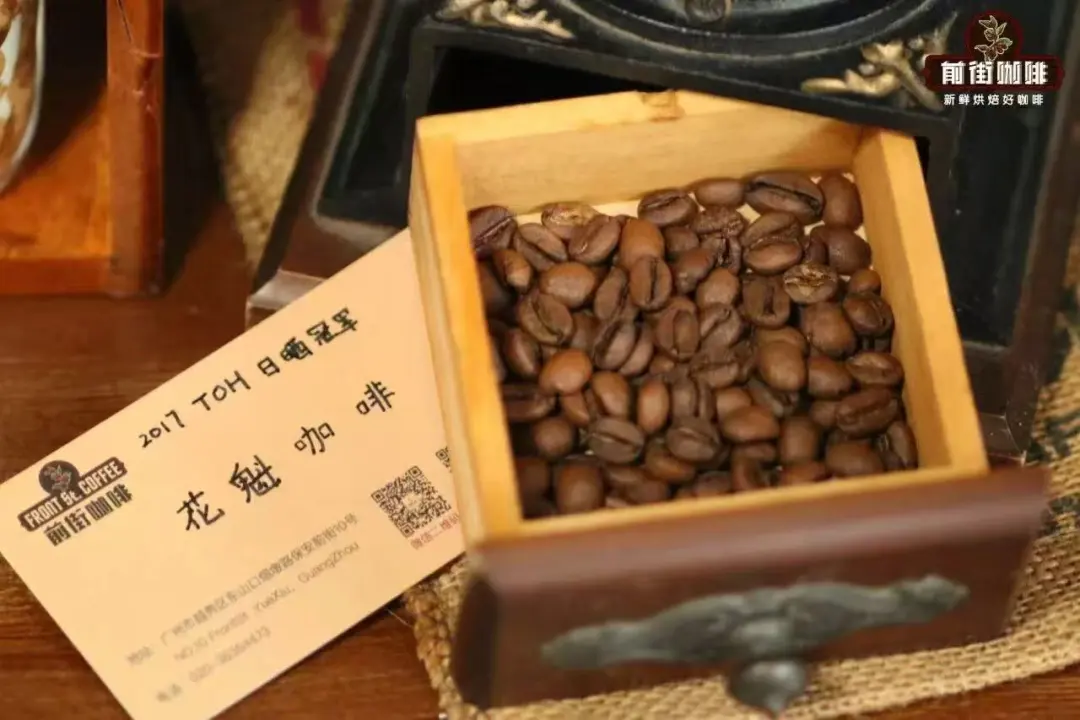
"Huakui," on the other hand, is a trade name. It does not refer to a specific variety, but specifically to coffee beans produced in Guji Hambela, Ethiopia. More precisely, it refers to the batch of award-winning natural-process beans produced in 2017 by the Buku Abel processing station in Hambela, Ethiopia. In February 2017, Ethiopian DW Coffee Company submitted a natural-process bean to the TOH (Ethiopia National Taste of Harvest Competition), and this bean came from the Buku Abel processing station in the Guji sub-region of Hambela. Ultimately, it won the natural-process category championship that year with its exceptionally prominent strawberry aroma and creamy texture.
The rest of the story is probably very familiar to everyone: this batch of championship coffee was spotted and purchased by a green bean trading company in Beijing, which named it "Huakui" based on its champion status, meaning "the chief of a hundred flowers, outshining all others," and then put it on sale in the domestic market. Later, this Huakui was selected by a coffee brewing competition contestant as their competition bean and taken to the stage, where it defeated several competitors using Geisha and won the runner-up prize that year. Huakui thus rose to fame.
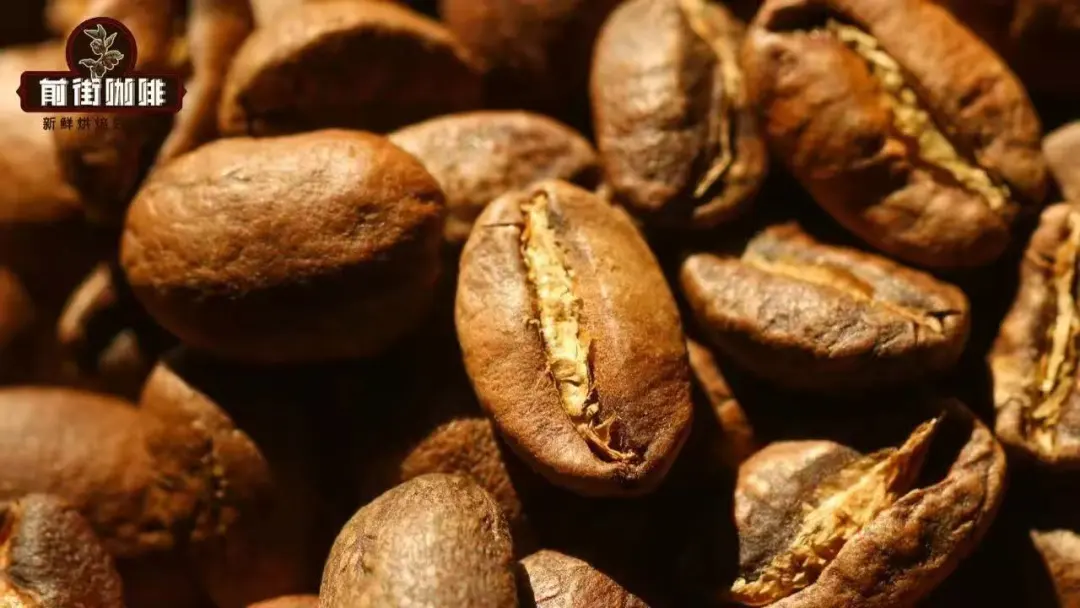
With its outstanding flavor that could rival Geisha and its extremely affordable price, Huakui quickly became recognized in the industry as a high-quality Ethiopian coffee. Thereafter, Huakui's sales and reputation soared simultaneously, and market demand surged. So DW Company set about adding processing stations and expanding production, building 4 new independent green bean processing stations in Dimtu town where Huakui was originally produced, processing coffee beans purchased from surrounding smallholder farmers to meet the surging demand.
However, the subsequently produced "Huakui" has diverged from the "original version." This is not only because of the expanded scale of harvesting and processing, but also because coffee beans are, after all, an agricultural product whose flavor fluctuates with annual climate and environmental factors. Therefore, starting from 2018, even though it came from the same origin and the same processing station, Huakui's taste was different from the original.
But by this time Huakui's domestic fame was at its peak, and to avoid consumers rejecting it, domestic green bean trading companies designed suffixes for Huakui similar to Apple products, such as Huakui "2.0," "3.0," "4.0"... counting year by year from 2017. This both distinguishes it from the first-generation Huakui and makes it easy for consumers to clearly know which year's Huakui they are buying.
That said, since Huakui is a trade name, what variety is it actually?

Its variety is Heirloom. Heirloom can be roughly understood as a mixed coffee variety from Ethiopia, meaning beans made from a blend of numerous varieties.
Because most Ethiopian coffee comes from wild environments or is grown by farmers in their own backyards. When coffee ripens each season, farmers harvest both the ripe cherries grown in their backyards and those scattered in the forests, then deliver them to processing stations or cooperatives for unified processing and sale. Since no step in the entire process can sort these beans by variety—and in fact they cannot be sorted—these coffees mixed from countless varieties are collectively called "Heirloom" when sold.
In summary, Geisha is a variety name, and Huakui is a trade name. The two are completely different in both variety and flavor. So why do misunderstandings like "Huakui is Geisha" or "Huakui is a Geisha variant" arise?
Why is Huakui mistaken for Geisha?
There are two reasons. The first is the name misreading mentioned earlier by Front Street. The name Geisha is a transliteration of "Geisha," a translation that only emerged after Geisha was later introduced to the mainland. Even earlier, Geisha had already been introduced to Taiwan, where people habitually called it by its literal translation—"Geisha" (a traditional Japanese entertainer). Geisha in Japan is the name of an entertainment profession, and Huakui is likewise the title of a similar entertainment profession there. Although the nature of the two professions differs, because they are relatively close, people came to understand Huakui coffee and Geisha coffee as having a variant relationship or being the same variety.
The other reason comes from that brewing competition that made Huakui famous overnight. Because Huakui defeated many Geishas in the competition, many sayings emerged at the time such as "Huakui beats Geisha" and "Huakui is better than Geisha." Combined with the earlier name misreading, the misunderstanding gradually formed and spread. But in reality, there is not much connection between the two.
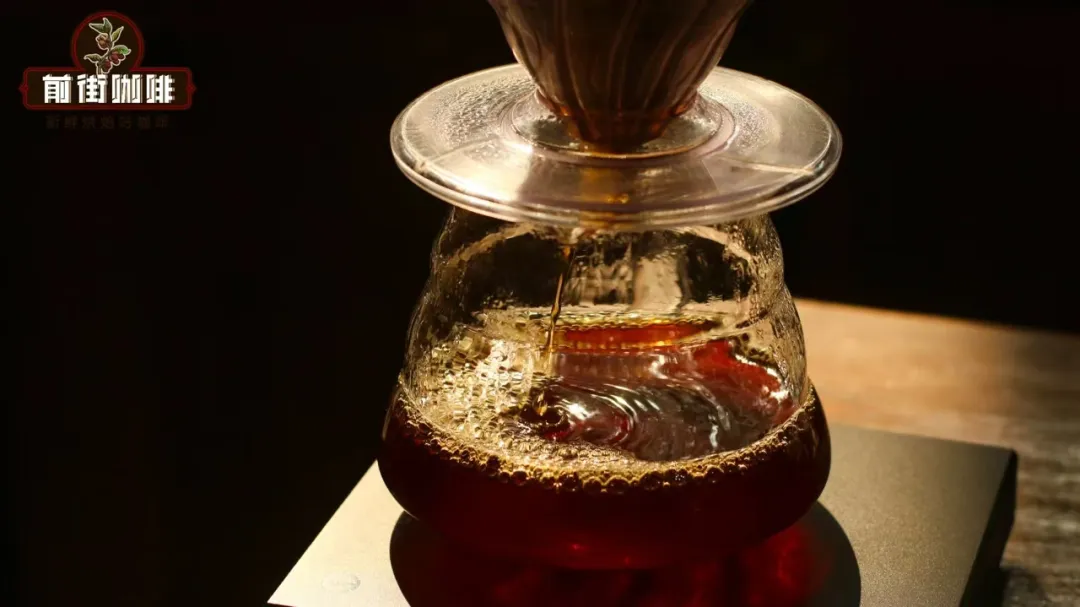
Both the Huakui and Geisha in Front Street's bean list are from the latest harvest season. If you have tried both, you should be able to appreciate that their characteristics are completely different. Below, Front Street will brew and compare them using the same parameters to see what characteristics each presents. The parameters are as follows: Dose: 15g Grind size: 75%~80% passing rate on a No. 20 sieve Water temperature: 92°C Coffee-to-water ratio: 1:15 Extraction time: 2 minutes
Front Street Ethiopia Huakui: The new-season Front Street Ethiopia Huakui has a very intense fruity character, with clearly detectable fruit aromas of guava, jackfruit, citrus, apricot, and dried fruit, accompanied by a faint floral note and a black tea finish. The overall mouthfeel is round, sweet and tart, with a lingering aftertaste.
Front Street Panama Boquete Geisha: Geisha, on the other hand, performs more balancedly in both taste and aroma. In terms of flavor, one can clearly perceive white floral notes, soft citrus and berry tones, with a black tea finish. The overall mouthfeel is clean and soft, with a balanced taste, as if drinking a cup of fragrant fruit-and-flower tea.
In summary, I believe everyone now understands where the difference between Huakui and Geisha lies, and why Huakui is not Geisha.
- END -
The above content is compiled by CoffeeHunters, a coffee news website.


