







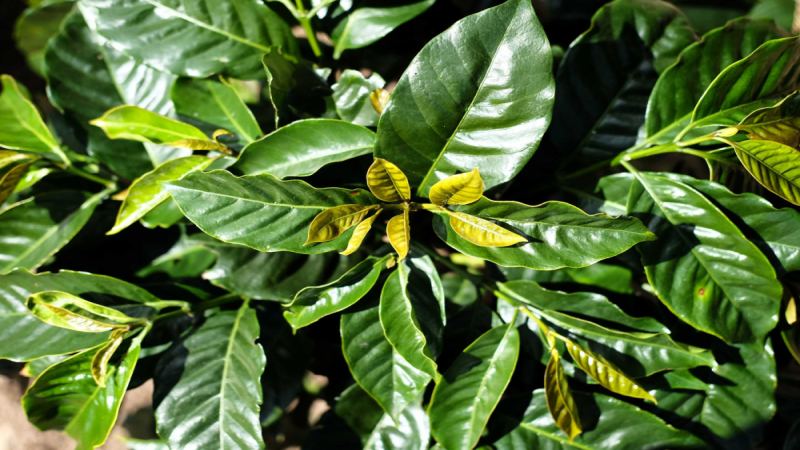
It is said that a delicious cup of coffee owes much to its variety, and currently the most common ones are,Arabica coffee beansand Robusta coffee beans are the two most common bean varieties. Arabica is considered the best among all varieties, mostly appearing as specialty coffee, with overall better flavor. Our famous Blue Mountain coffee, Hawaiian Kona coffee, and Front Street 2013 sun-dried Typica all belong to the Arabica variety. Let's take a look together.
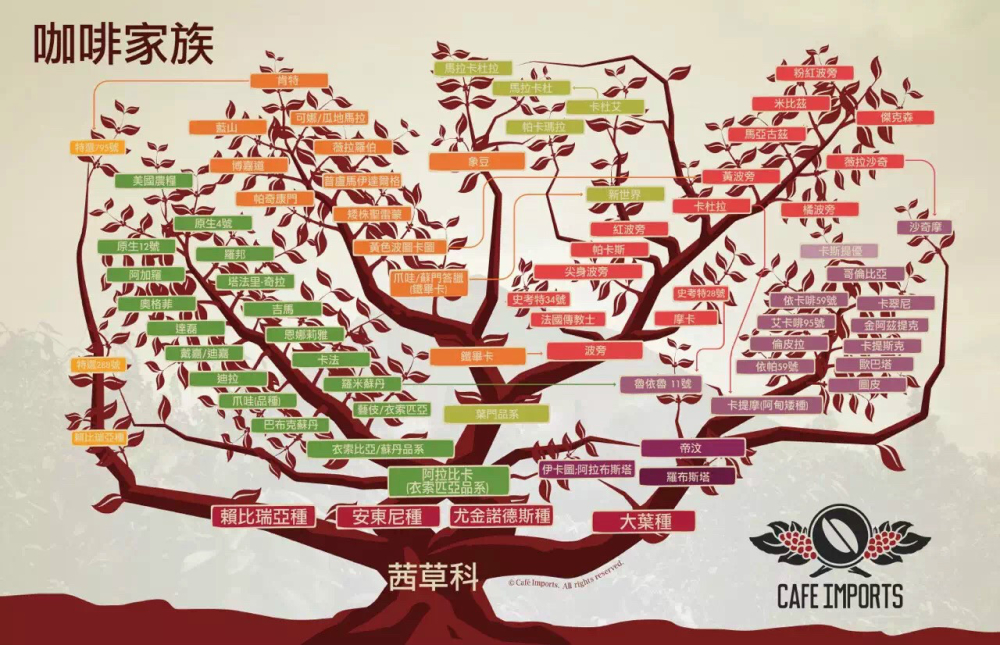
Although coffee has become a part of everyone's life, there may still be many friends who don't understand it. Why do we say that? Front Street believes that coffee itself is a profound subject, and to understand coffee, one must start with coffee beans. There are about 100+ types of coffee in the world, broadly categorized into three native species: Arabica, Robusta, and Liberica. Among these, the two main types of coffee beans on the market are "Arabica" and "Robusta." Over three-quarters of the total coffee sold globally isArabicabeans, with the rest mostly being Robusta beans.
Arabica
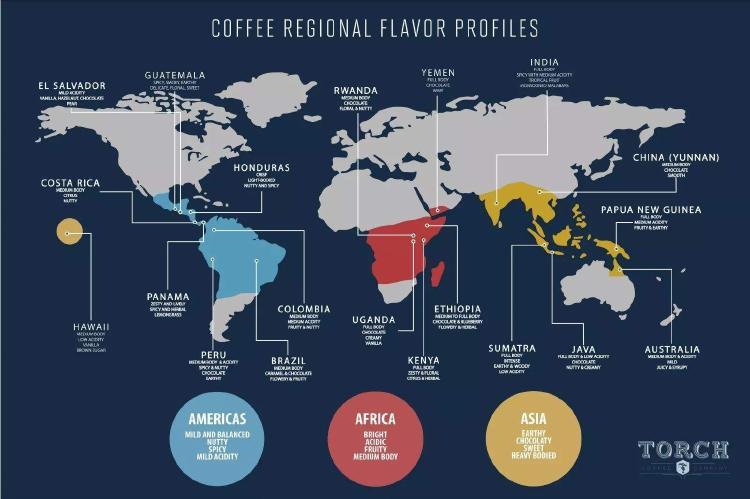
Arabica, also known as small-seed coffee beans, originated in Ethiopia. Its main growing regions include South America (excluding parts of Argentina and Brazil), Central America, Africa (Kenya, Ethiopia, mainly East African countries), and Asia (Yemen, India, parts of Papua New Guinea).
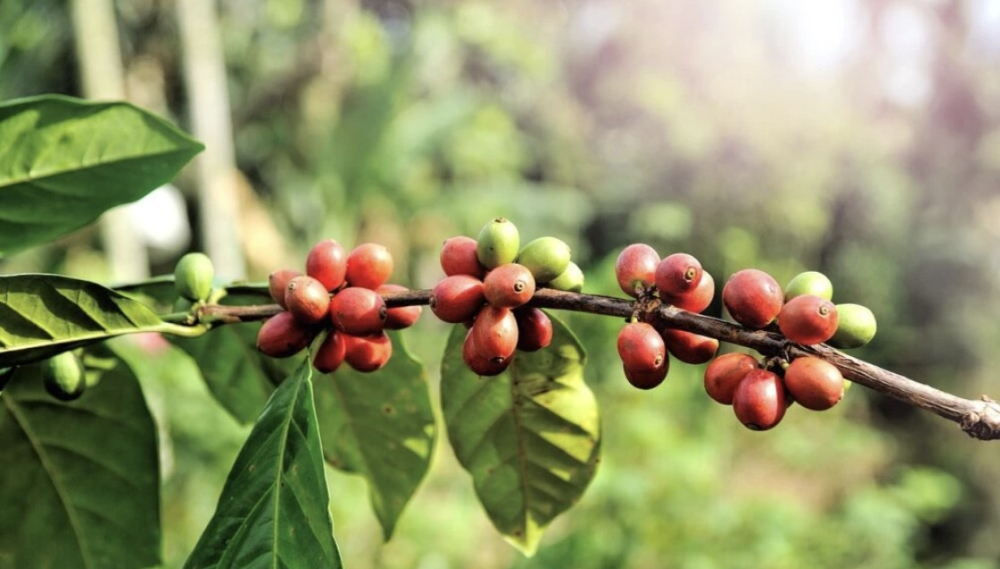
Arabica coffee refers to the Arabica coffee tree species, accounting for about 70% to 80% of the world's coffee production. Due to its weak resistance to pests and diseases, slow growth, and low annual yield, it is more suitable for cultivation in high-altitude areas. It is mostly grown on volcanic slopes or plateaus above 500 to 1500 meters, especially with beans produced above 1500 meters generally having relatively better quality. The high-altitude environment causes the coffee beans grown there to mature more slowly, and slow maturation means the beans are denser and richer in flavor. Thus, Arabica naturally stands out as the highest-grade coffee bean. Through repeated mutations or crossbreeding, many varieties have been derived. Now, it is said that there are over seventy varieties of Arabica coffee alone.
Arabica can be further divided into two thousand to three thousand varieties, all derived from the oldest native Ethiopian Typica and Bourbon, which were planted in South America or Asia and then mutated. They are mainly cultivated in Brazil, Colombia, and other Central and South American countries; Central American Tico and Sidamo; Indonesian Sumatra Typica and Jamaican Blue Mountain, etc.
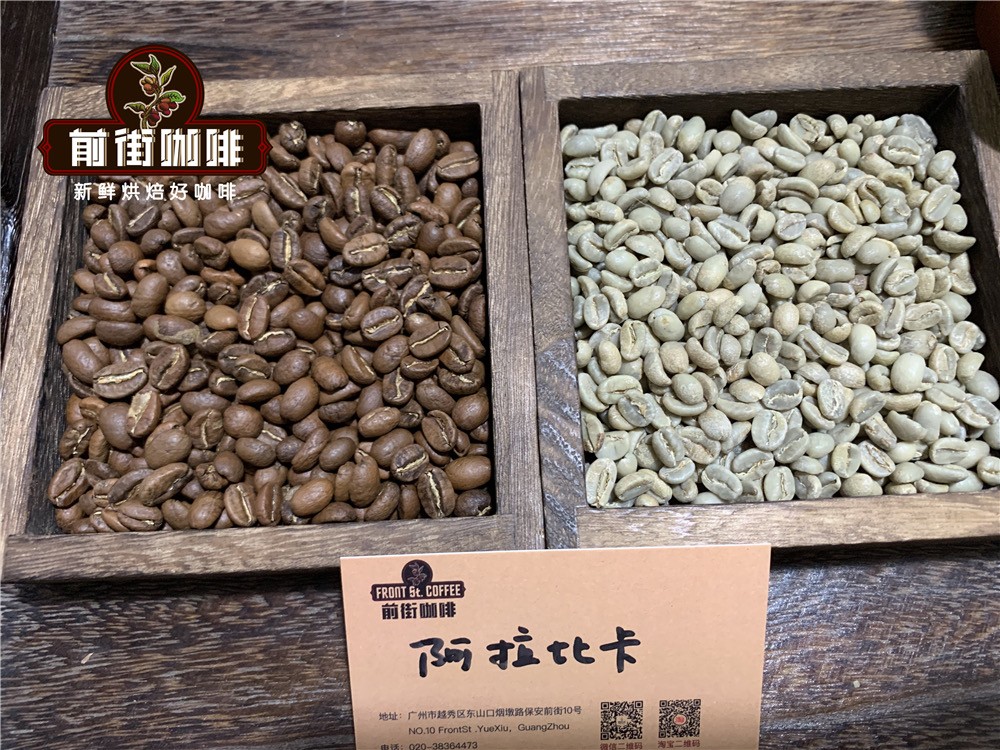
In terms of appearance, Arabica beans are longer and flatter, with a central line in an S-curve. Robusta beans are robust, more rounded in shape, with a central line closer to a straight line. Although they are the same Arabica coffee tree, planting them in different places, due to climate, soil, and other influences, will produce completely different flavors. For example:Geishaplanted in Ethiopia and planted in Panama taste completely different.
The regions suitable for growing coffee beans are countries between the Tropic of Cancer and the Tropic of Capricorn, known as the "Coffee Zone." Central and South America, Arabia, East Africa, southern Asia, and Oceania are all in this zone. Moreover, countries with mountainous terrain are more capable of producing good coffee, because coffee is suitable for planting on slopes at altitudes of about 1,000 to 2,000 meters, requiring sufficient rainfall but not excessively humid conditions. Ideally, there should be mild sunlight during the day, drifting clouds in the evening, and nighttime temperatures around 10 degrees Celsius but not too low.
Robusta
Robusta is the world's second-largest coffee bean in terms of production. Robusta coffee beans are both cold-resistant and immune to many diseases. This type of coffee bean grows best in hot climates with irregular rainfall and can also grow at many altitudes. Compared to Arabica coffee beans, Robusta has twice the caffeine content, making them an excellent choice for a real energy boost. Front Street thinks that friends sensitive to caffeine should avoid them, but when made into espresso, they taste great!
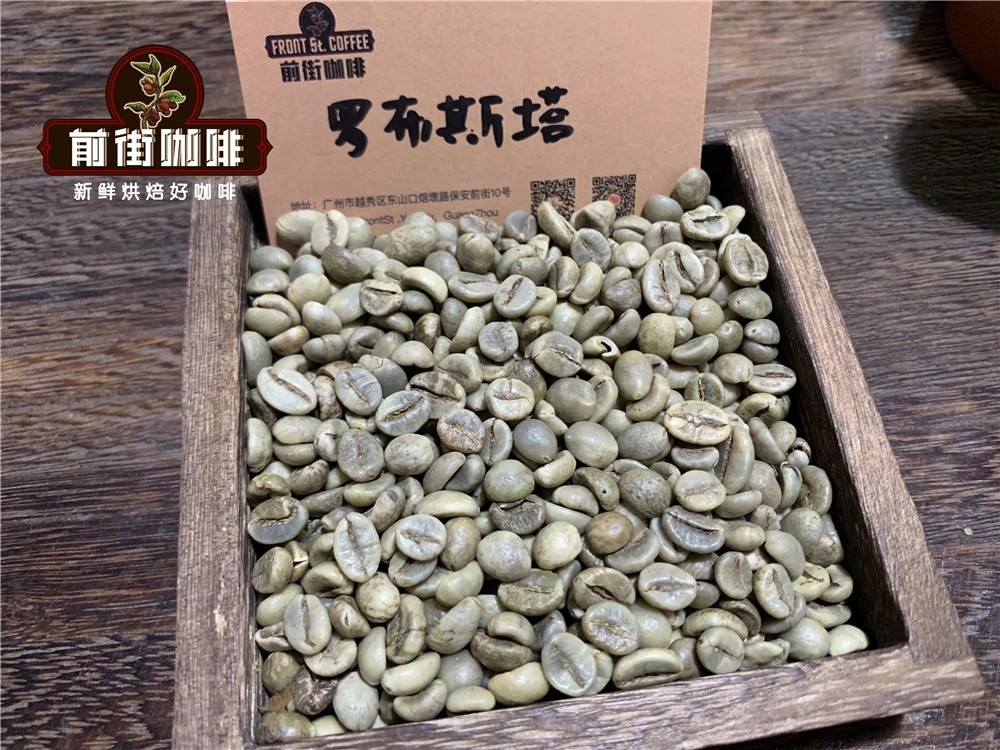
Robusta coffee beans are oval but relatively short and small, with enhanced bitterness and less aroma than Arabica coffee beans. Therefore, they are mostly used as commercial beans.
Today, Front Street takes us to learn about some of the main varieties of the Arabica species.
Common Coffee Bean Varieties of Arabica
Arabica is the earliest discovered coffee variety and is considered the best among all varieties, with overall better flavor. It is the main source of specialty coffee, but has weak disease resistance and can only be grown in high-altitude areas. Humans have been cultivating Arabica coffee trees for over 700 years, and many varieties have been developed. Currently, common Arabica coffee bean varieties include Typica, Bourbon, Caturra, Pacas, Villa Sarchi, Maragogype, Pacamara, Mundo Novo, Catuai, Geisha, Timor, Catimor, etc. And Arabica mostly appears as specialty coffee.

Bourbon and Typica constitute the world's most culturally and genetically important C. arabica coffee group. Historical records indicate that coffee seeds were brought from the coffee forests of southwestern Ethiopia to Yemen, where they were cultivated as a crop. Recent genetic testing confirms that Bourbon and Typica are the main seeds transported from Ethiopia to Yemen. The descendants of Bourbon and Typica spread from Yemen to the rest of the world, forming the foundation of modern Arabica coffee cultivation.
Ancient Native Varieties
Typica: The oldest native variety from Ethiopia, belonging to the elegant-flavored ancient coffees, but far less widespread than Bourbon. Like all Arabica coffees, the Typica group should have originated in southwestern Ethiopia. At some point in the 15th or 16th century, it was brought to Yemen. By 1700, seeds from Yemen were being cultivated in India.

In 1696 and 1699, coffee seeds were sent from the Malabar Coast of India to the island of Batavia (now known as Java). These seeds gave rise to the unique Typica variety we know today. Its derived varieties include Mandheling, Blue Mountain, Yunnan small-seed, Geisha, etc., all of which are derivatives of Typica. Typica beans are larger, forming a pointed oval or slim pointed shape, different from the round-bodied Bourbon beans. Therefore,Blue Mountain coffeehas such a good flavor, not only due to its growing environment but also its ancient Typica variety.
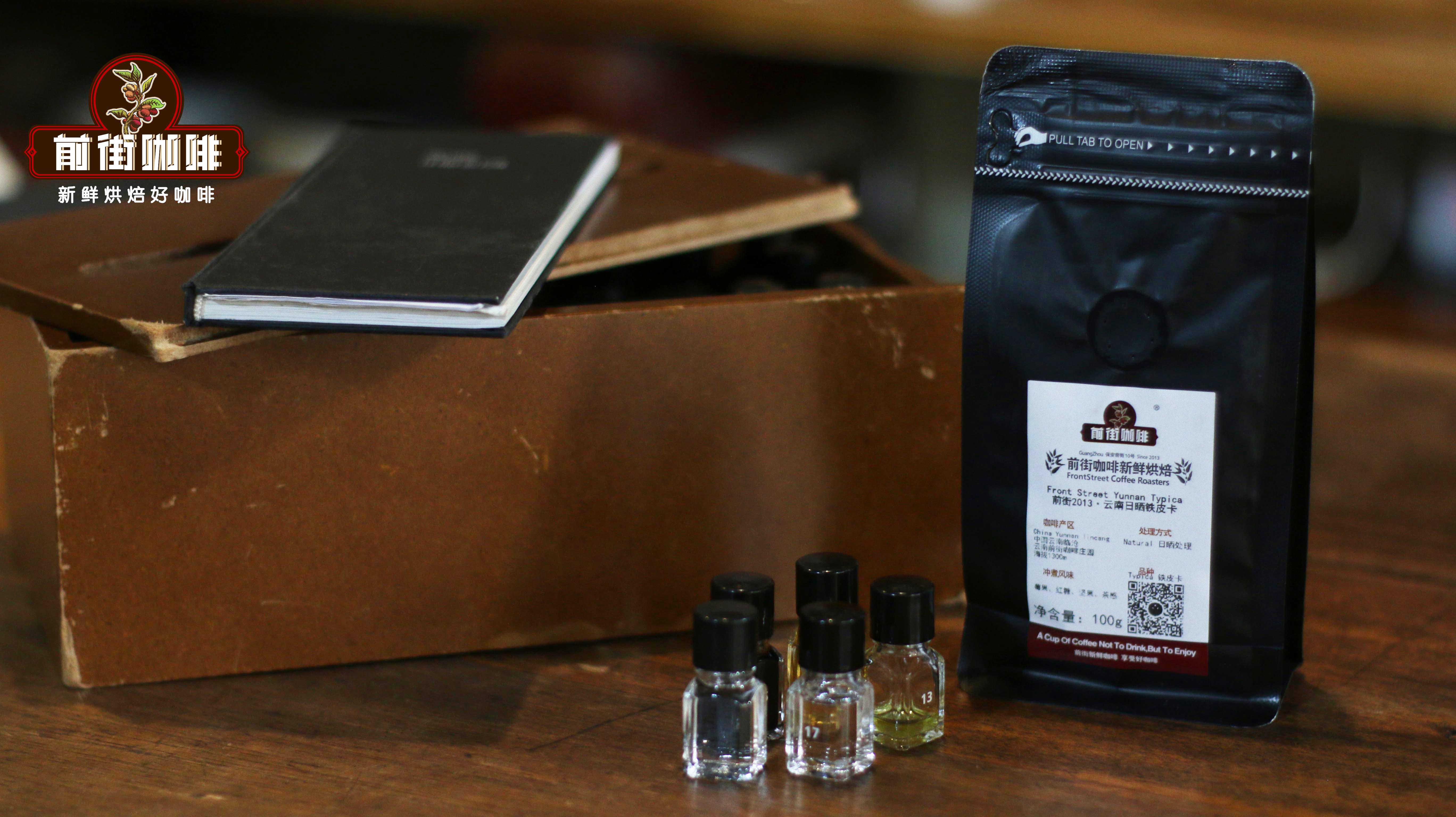
FrontStreet Coffee — Yunnan Sun-Dried Typica Coffee Beans
Region: Lincang, Yunnan
Estate: FrontStreet Coffee Estate
Altitude: 1300m
Processing Method: Sun-Dried
Variety: Typica
Flavor: Berries, Brown Sugar, Nuts, Tea-like
Bourbon : An ancient and excellent variety alongside Typica.

The French attempted three times, in 1708, 1715, and 1718, to introduce this coffee from Yemen to Bourbon Island (now Réunion); recent genetic research confirms this. Only a few plants from the second introduction and some from the third were successful. It was not until the mid-19th century that Bourbon coffee left the island, spread to Africa by French missionaries known as Spiritans.
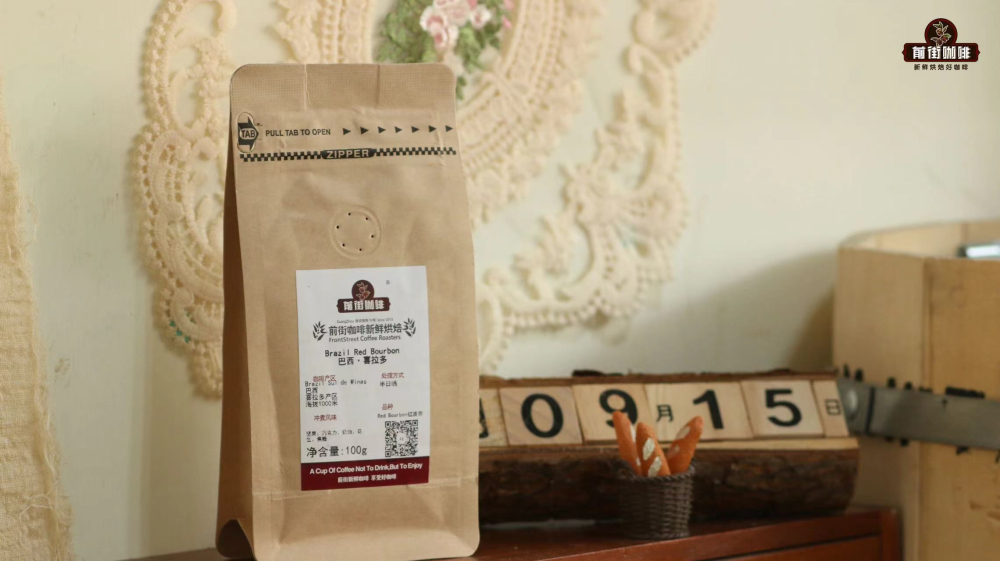
FrontStreet Coffee — Brazil Cerrado Coffee Beans
Region: Cerrado, Brazil
Altitude: 1100m
Processing Method: Semi-Washed
Variety: Red Bourbon
Flavor: Nuts, Chocolate, Cream, Peanut, Caramel
Bourbon is vigorous and stands out in flavor, often winning in cupping competitions. Apart from the pointed bean mutation, Bourbon is almost entirely round-bodied, with beans slightly smaller than Typica. It matures later but yields 30% more than Typica. The downside is that it produces fruit one year and rests the next.
Genetic Mutations
SL28 & SL34: During 1935-1939, the Scott Laboratories prefixed all selectively bred coffee varieties with SL. The laboratory selected 42 varieties from different origins and studied their yield, quality, drought resistance, and disease resistance. After numbering and screening one by one, SL-28 and SL-34 were ultimately obtained.
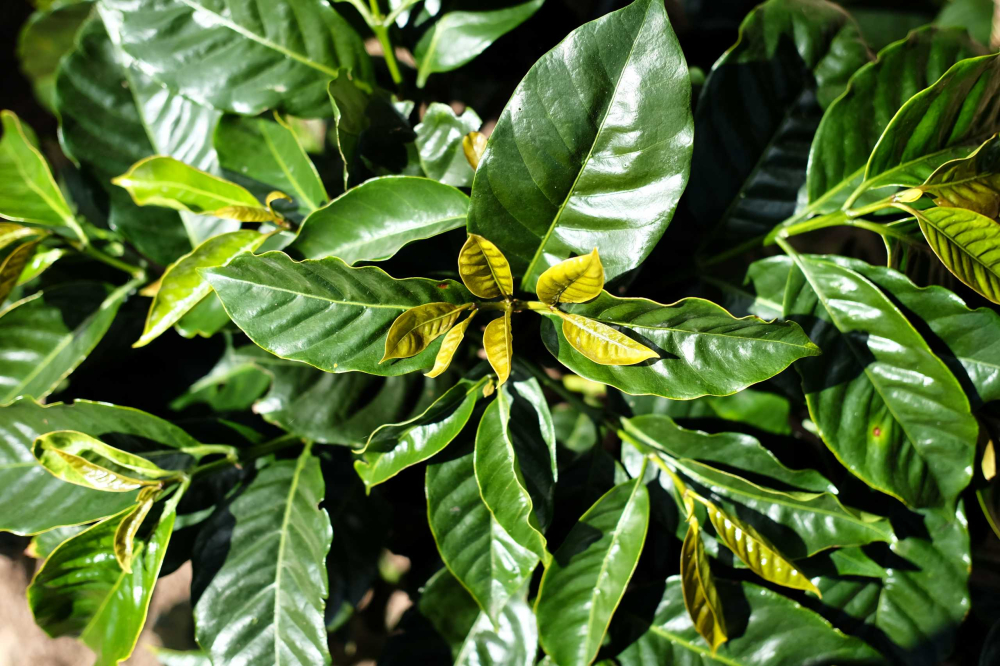
SL28 comes from the Bourbon genetic group, with short round beans and a thick body, featuring bright acidity and notable sweetness. SL34 comes from the Typica genetic group, with oval beans that appear flatter from the side compared to Typica, featuring balanced and full-bodied sweet acidity with a caramel aftertaste.
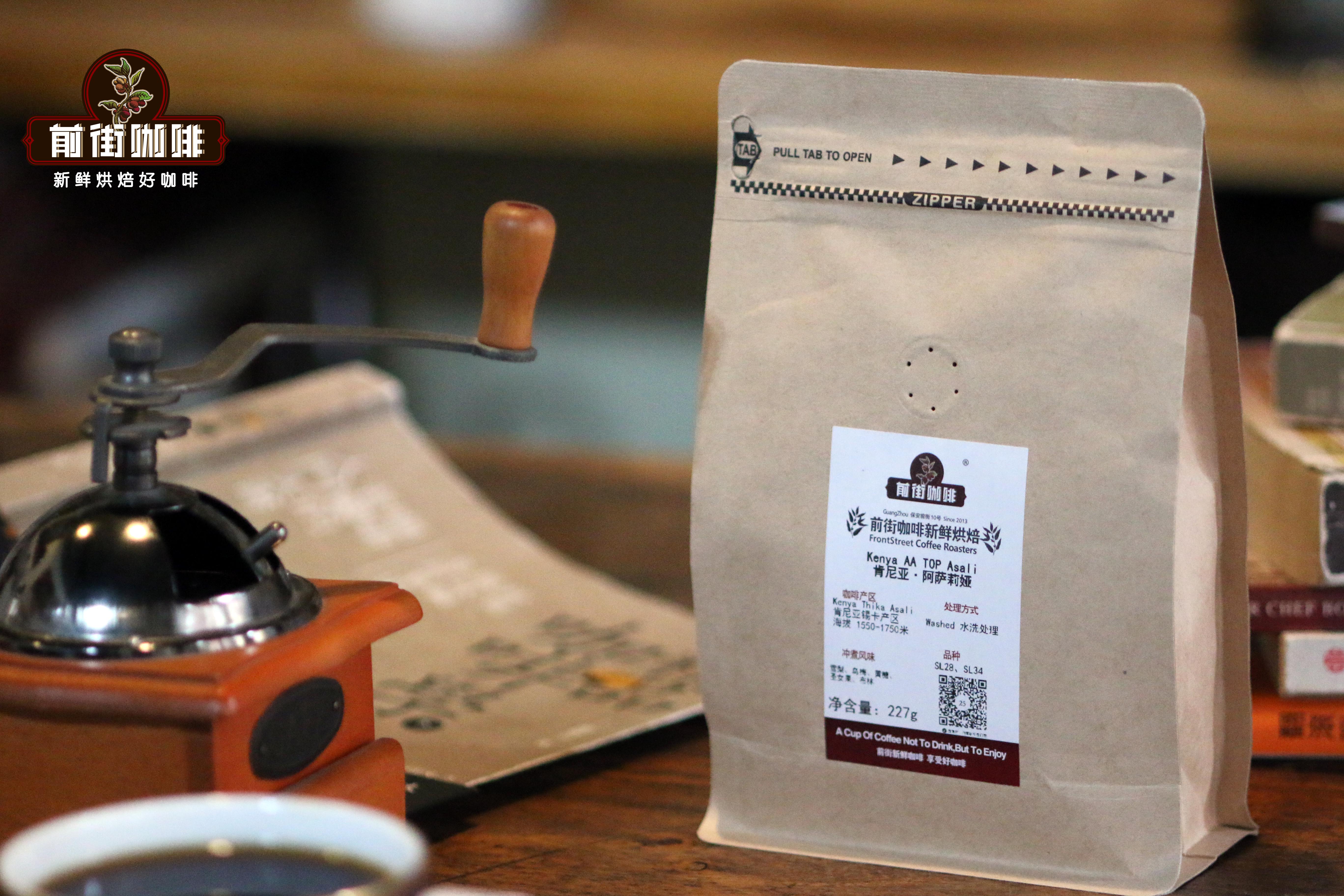
FrontStreet Coffee — Kenya Azalia Coffee Beans
Region: Thika, Kenya
Altitude: 1550-1750m
Processing Method: 72-hour Washed
Flavor: Snow Pear, Dark Plum, Yellow Sugar, Cherry Tomato, Plum
Geisha:A late-blooming variety.
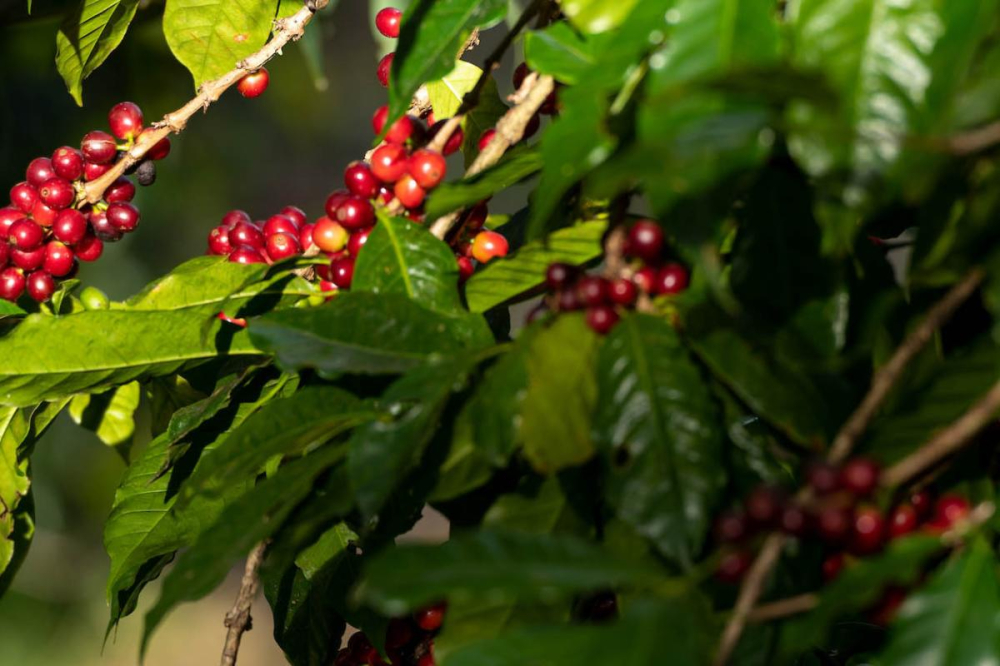
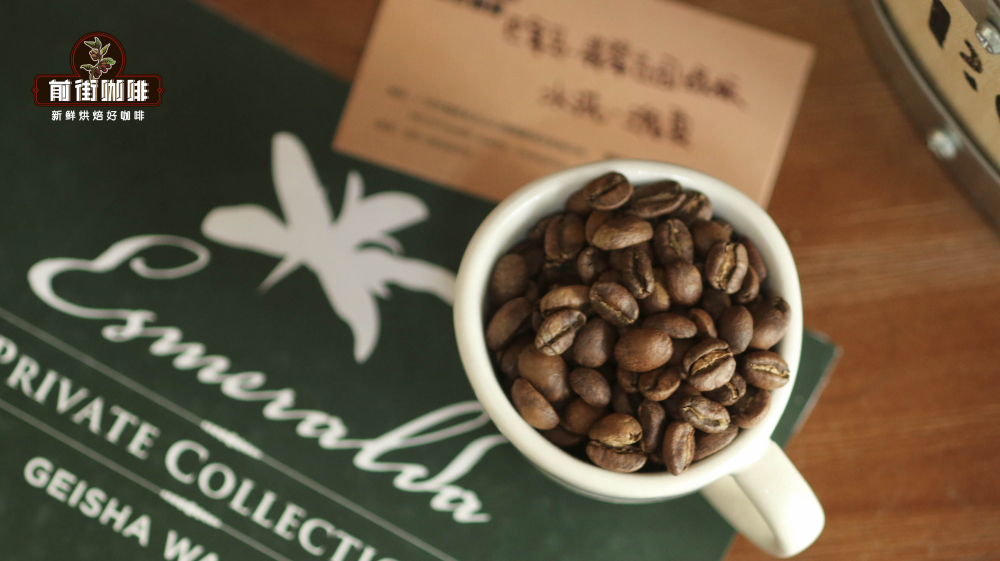
It defeated the ever-victorious Bourbon, Caturra, Catuai, Typica, and other varieties, sweeping the championship of the Panama National Treasure Bean Cupping Competition in 2005, 2006, and 2007. In 2007, it was auctioned at $130 per pound, setting the highest price record for competition beans before 2007. Currently, 80% of participants in major coffee competitions use Geisha as their preferred competition bean. The most famous is the Geisha coffee from Hacienda La Esmeralda in Panama.
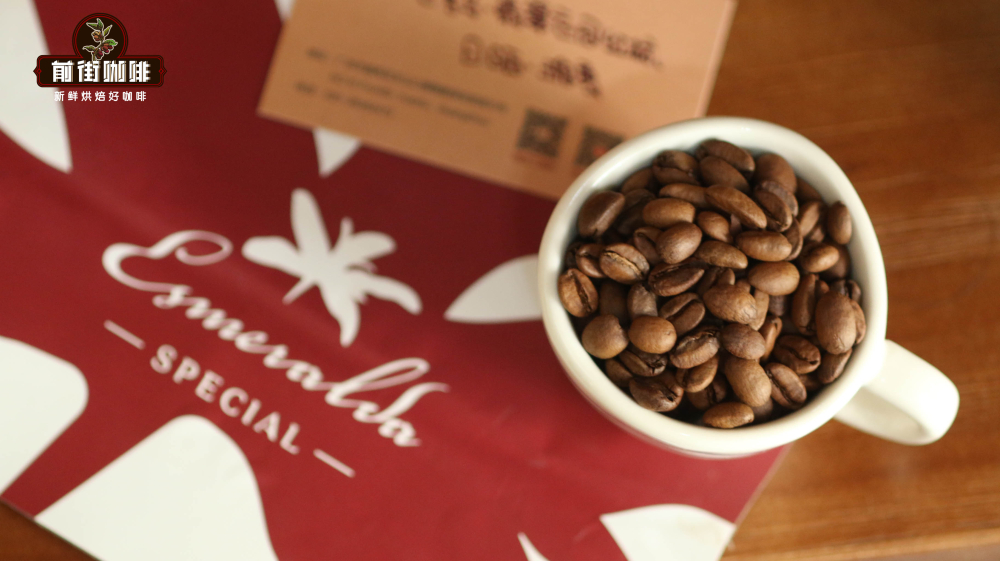
FrontStreet Coffee - Panama Hacienda La Esmeralda Red Label Geisha Coffee Beans
Region: Boquete, Panama
Estate: Hacienda La Esmeralda
Plot: Mario
Altitude: 1700m+
Variety: Geisha
Processing Method: Sun-Dried
Flavor: Rose, Strawberry, Citrus, Black Tea, Honey
FrontStreet Coffee — Panama Hacienda La Esmeralda Green Label Geisha
Region: Boquete
Estate: Hacienda La Esmeralda
Altitude: 1600-1800m
Variety: Geisha
Processing Method: Washed
Flavor: Jasmine, Ginger Flower, Citrus, Tian Guan Yin Tea, Honey
Yellow Bourbon (Bourbon Amarello): A yellow-skinned Bourbon mutation unique to São Paulo, Brazil.

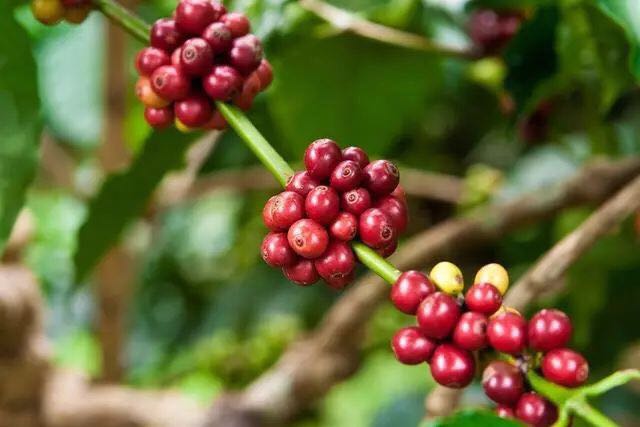
Generally, coffee cherries turn red when ripe, but Yellow Bourbon does not turn red after ripening; it is named for its orange-yellow color. Front Street's Queen's Estate coffee is of the Yellow Bourbon variety.
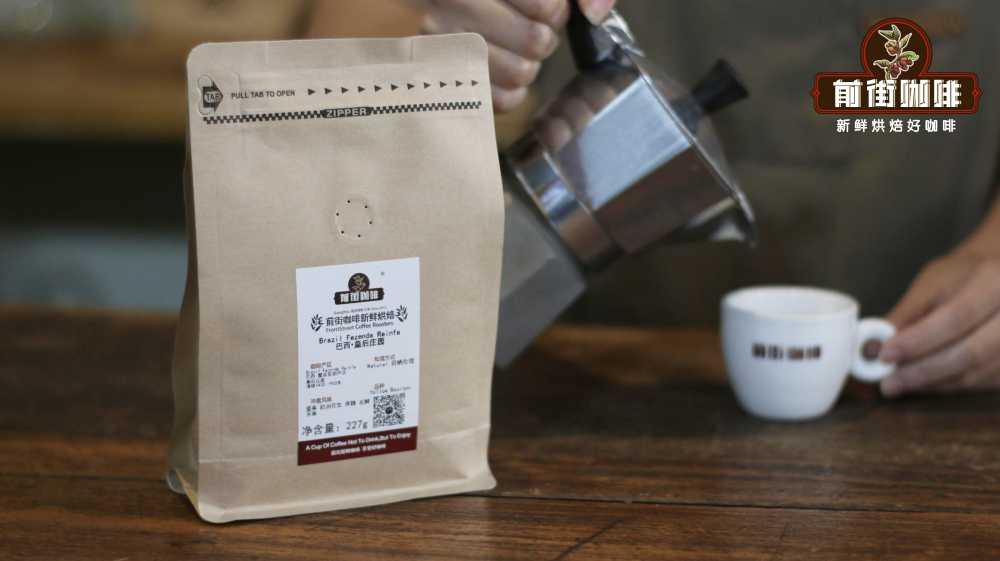
FrontStreet Coffee — Brazil Queen's Estate Coffee Beans
Region: Mogiana, São Paulo, Brazil
Estate: Queen's Estate
Altitude: 1400-1950m
Processing Method: Semi-Washed
Variety: Yellow Bourbon
Flavor: Nuts, Peanut Butter, Cane Sugar, Fermented Fruit
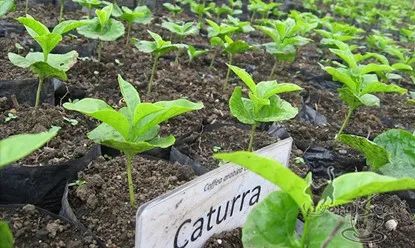
Caturra: A single-gene mutation of Bourbon, discovered in Brazil in the 1950s. Its flavor is comparable to or slightly inferior to Bourbon beans, but unfortunately, like Bourbon, it has a biennial harvesting cycle. More importantly, it has super strong adaptability, requiring no shade trees, and can thrive even under direct sunlight.
Pacas: A Bourbon mutation discovered in El Salvador. Currently, 68% of El Salvador's coffee is Bourbon, 29% is Pacas, and 3% is Catuai, Caturra, and the noble Pacamara.

Villa Sarchi: A Bourbon mutation first discovered in Costa Rica in the 1960s.

Maragogype: Its bean shape is three times larger than Arabica, the largest in the world, hence the name. It is the most famous mutated bean of Typica, first discovered in 1870 in the Maragogipe coffee-producing area of Bahia, northeastern Brazil.

Kent: A Typica hybrid variety discovered in India, with high yield.

Timor: A hybrid of Arabica and Robusta. A hybrid variety of Arabica and Robusta discovered in East Timor, close to Arabica, as its chromosome count is 44 like Arabica, not 22 like Robusta. It has low acidity and lacks distinctive features, often used as a low-cost blend bean. However, East Timor has high-altitude pure Typica washed beans. When purchasing, be clear whether it is a hybrid or pure Typica washed beans; the quality difference is significant—the former is bland, while the latter is specialty grade.
Catimor: Most used for commercial beans. In 1959, Portugal moved the Brazilian Bourbon mutation Caturra to East Timor and crossed it with the robusta Timor hybrid, successfully cultivating Catimor. However, its flavor is slightly inferior, but its virus resistance is relatively strong. Currently, most places in Yunnan produce Catimor variety coffee. But FrontStreet Coffee Estate grows Typica variety coffee.
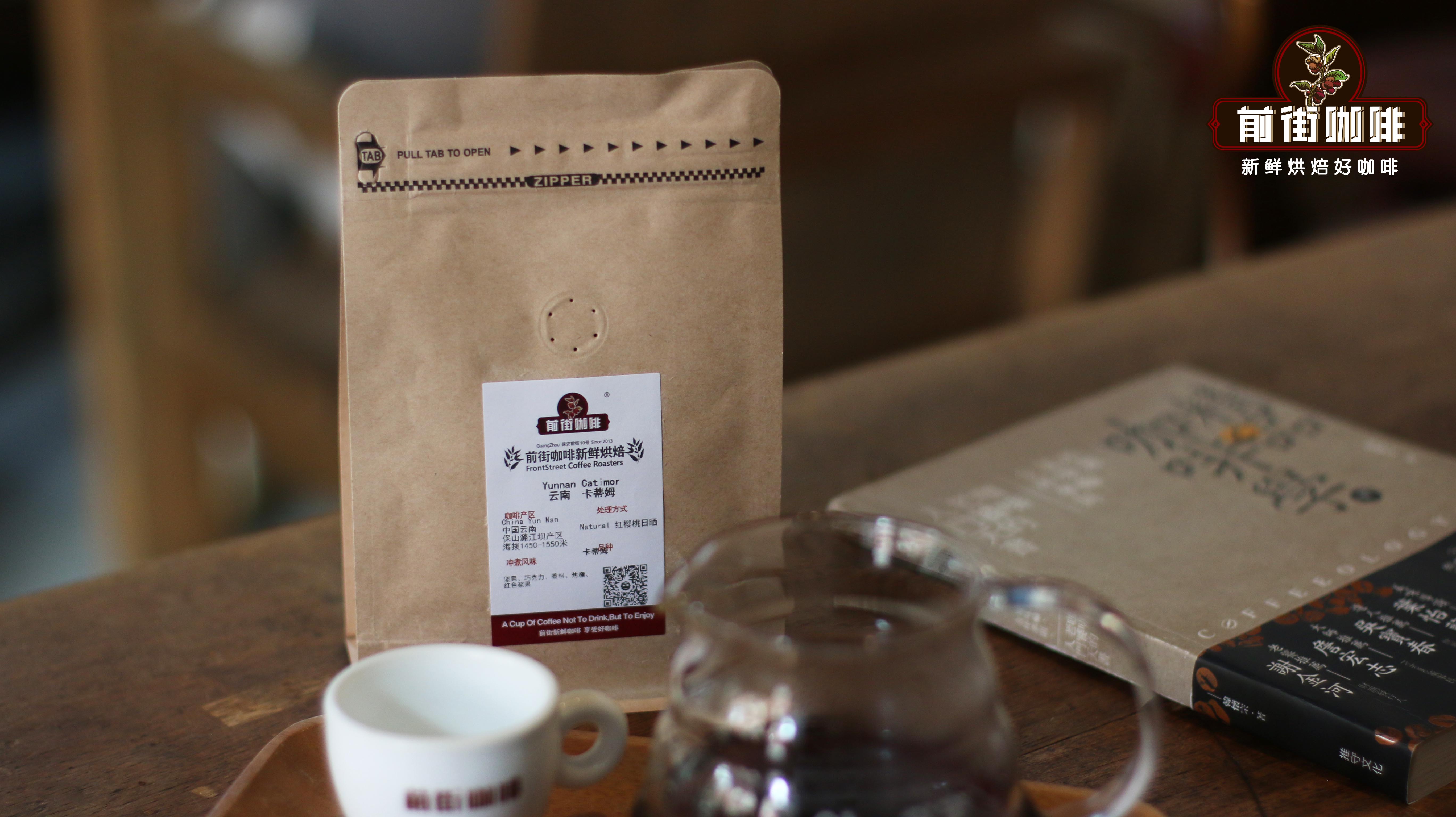
FrontStreet Coffee — Yunnan Catimor Coffee Beans
Region: Lujiangba, Baoshan, Yunnan
Altitude: 1450-1550m
Processing Method: Red Cherry Sun-Dried
Variety: Catimor
Flavor: Nuts, Chocolate, Spices, Caramel, Red Berries
Variedad Colombia
Colombia is the world's largest exporter of Arabica. A highly disease-resistant variety created by crossing Catimor and Caturra. It tolerates direct sunlight and can be harvested in a short period. Colombia began widespread cultivation in the 1980s, replacing the traditional Typica variety to become the main variety. Generally, Arabica coffee trees, represented by Typica, must have shade trees for sun protection, but the Variedad Colombia coffee tree, with one-quarter Robusta lineage, does not require shade trees and can produce and be harvested year-round. However, in recent years, possibly due to the influence of pesticides or chemical fertilizers, the coffee beans may emit a phenolic acidity (Phenol, similar to an iodine-like off-flavor).
FrontStreet Coffee Brewing Suggestions
There are many varieties of coffee with different flavors, but to brew a delicious cup of coffee, freshness is essential. Front Street believes that the freshness of coffee beans is a very important part of brewing. The coffee beans shipped by FrontStreet Coffee are all within 5 days of the roasting date, because Front Street deeply understands the great impact of coffee bean freshness on flavor. Front Street's roasting philosophy is "Freshly Roasted Good Coffee," ensuring that every customer who places an order receives the freshest coffee when they get it. The resting period for coffee is about 4-7 days, so when the customer receives it, it is at its best flavor.

Of course, some customers need Front Street to help grind the coffee, which is also fine, but Front Street must remind you: if the coffee beans are ground in advance, there is no need for further resting, because during transportation, the pressure from carbon dioxide inside the packaging can also make the coffee flavor rounder, so you can brew a cup immediately upon receiving the ground coffee. However, the ground coffee needs to be brewed promptly, because after contact with air, ground coffee oxidizes relatively quickly, meaning the coffee flavor will dissipate faster, and the coffee won't taste as good. Therefore, Front Street recommends buying whole beans and grinding fresh for each brew, so you can better taste the coffee's flavor.
FrontStreet Coffee has many different varieties of single-origin coffee beans, such as: Yunnan Catimor, Yunnan Front Street 213 Sun-Dried Typica, Jamaican Blue Mountain Coffee; Panama Geisha Coffee; Colombia Caturra and Catuai Coffee, etc. Coffee varieties from different regions are waiting for you to taste!
For professional coffee knowledge exchange and more coffee bean information, please follow Coffee Workshop (WeChat public account: cafe_style)
For more specialty coffee beans, please add private WeChat FrontStreet Coffee, WeChat ID: qjcoffeex
The above content is compiled by CoffeeHunters, a coffee news website.


