







Search Results for: coffee sputtering
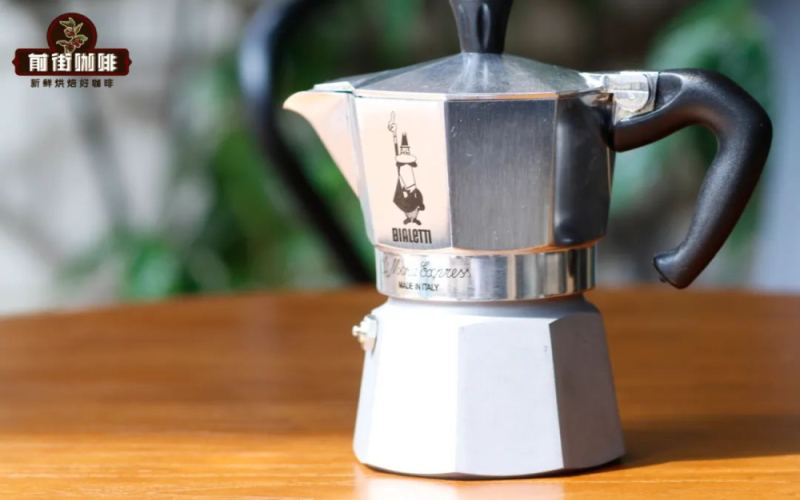
Why shouldn't you drink from a new moka pot for the first three brews? Full analysis of the causes of sputtering and key usage points
Since the Moka pot came onto the market in the 1930s, it has become an important piece of equipment in the daily coffee life of Italian households, and today it also has quite a few fans in China. Its operation seems simple, but beginners often encounter some confusion: why is the coffee brewed in a newly purchased pot not recommended for drinking during the first three times? Why does the coffee liquid sputter when heating? This article will systematically sort out the key details in using a Moka pot from multiple angles, including cleaning and seasoning a new pot, the extraction principle, the pressure relief valve mechanism, grind size, heat control, daily maintenance, and suitable coffee bean choices, and will also include practical suggestions from Front Street Coffee to help everyone brew rich, oily espresso-style coffee more safely and consistently. [more…]
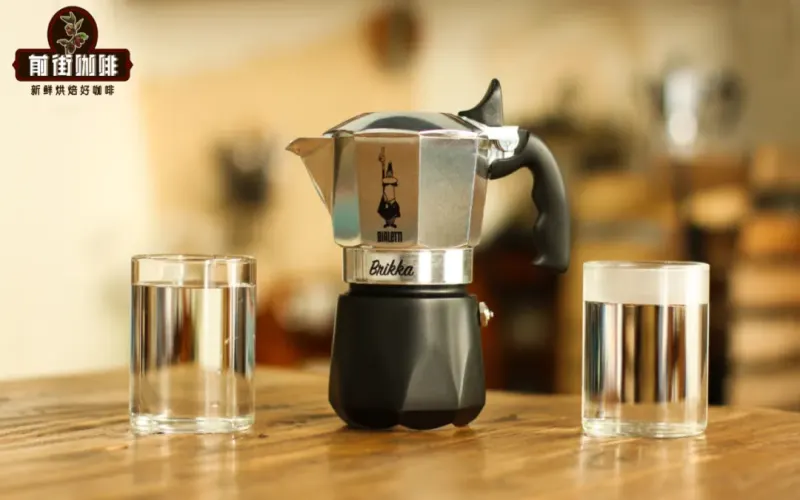
Moka pot: cold water or hot water? A hands-on comparison of heating time, sputtering, and bitterness differences
The Moka pot, with its compact size, simplicity, and affordability, has become the go-to home brewing device for many coffee enthusiasts. But in actual use, one repeatedly raised question has always puzzled people: when making Moka pot coffee, should you use cold water or hot water? The choice of water temperature not only affects the length of heating time, but also directly influences the final coffee flavor. Front Street conducted a controlled experiment, using cold water and hot water respectively to brew Moka pot coffee, recording the two's outflow time, extraction state, and taste presentation. This article will present the complete experimental process and results, analyze the causes of the sputtering phenomenon, and explain why Moka pot coffee made with cold water is more prone to bitterness, finally offering targeted operating recommendations. [more…]
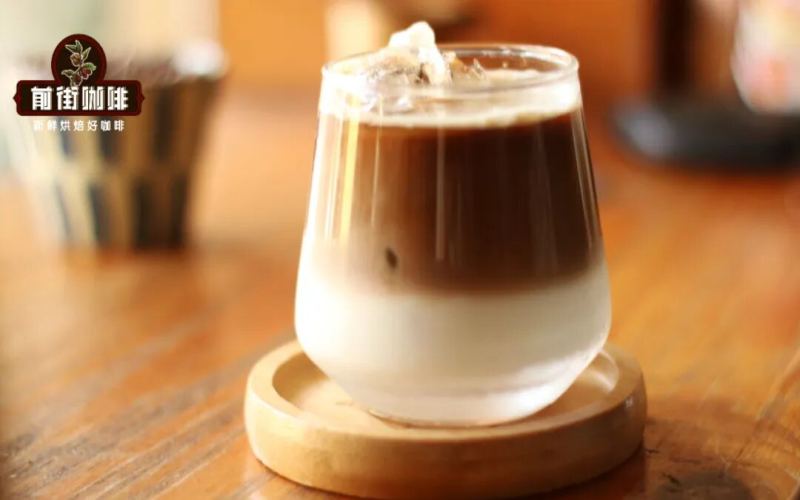
Moka Pot Brewing Tutorial | Can You Use Only Half the Coffee Dose When Brewing with a Moka Pot? What Effect Does Reducing the Dose Have on the Moka Pot Brewing Process?
It's not hard to see that in almost all moka pot tutorials, we're told to fill the filter basket completely, then screw it tightly to the upper and lower chambers before brewing. In other words, whatever size moka pot you buy, you have to brew that corresponding amount each time. But some people say that sometimes they just want to drink [more…]
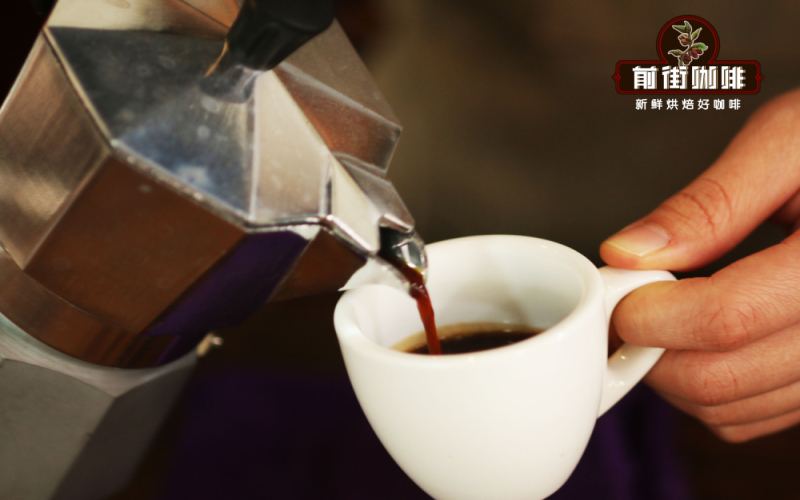
The Complete Moka Pot Brewing Guide: How to Judge Grind Size and Step-by-Step Instructions—Front Street Coffee Teaches You to Make Espresso with Ease
Want to make a rich, full-bodied cup of coffee at home with a moka pot? It's actually not complicated—the key is choosing the right beans, controlling the grind size, and getting the timing right for turning off the heat. Front Street Coffee will walk you through the complete moka pot process step by step, from bean selection and judging grind size to the specific operating steps, and also share practical tips for avoiding over-extraction and sputtering. The article also recommends Front Street's Classic Italian Blend and Dark Cocoa Blend coffee beans suitable for moka pots, and introduces a variety of ways to enjoy it, such as Americano, latte, and Vietnamese coffee, so you can easily enjoy the pleasure that a moka pot brings. [more…]
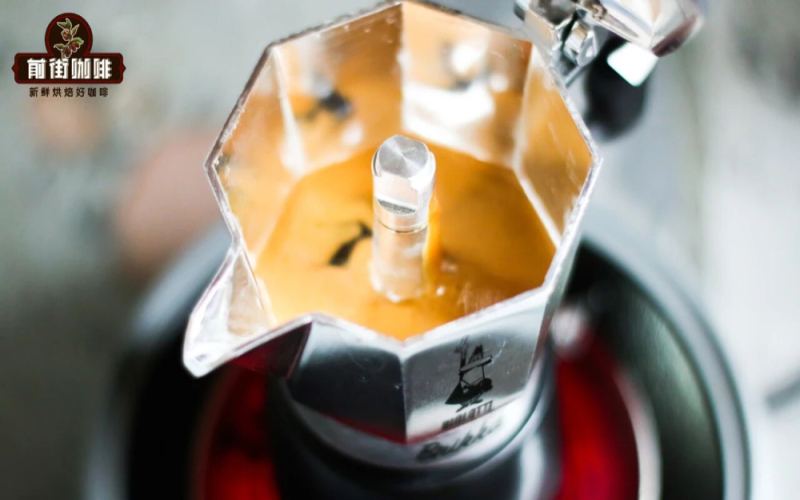
How to brew light-roast beans in a moka pot for the best taste? A full analysis of flavor, crema, and milk coffee issues
Many Moka pot users are accustomed to using dark roast beans because they are rich in oils and have a full-bodied, caramelized aroma. But when switching to light roast beans, they often run into problems like sharp acidity, sputtering during extraction, thin oils, and weak milk coffee. In fact, light roast beans aren't unsuitable for Moka pots—it's just that the extraction parameters need adjusting. This article breaks down the common reasons light roast beans go wrong in Moka pot coffee, offering solutions one by one from grind size and coffee dose to heat level and milk coffee ratio, while keeping product recommendations like Front Street Coffee's classic blend, helping you make a cup of well-balanced, clearly flavored coffee even with light roast beans. [more…]
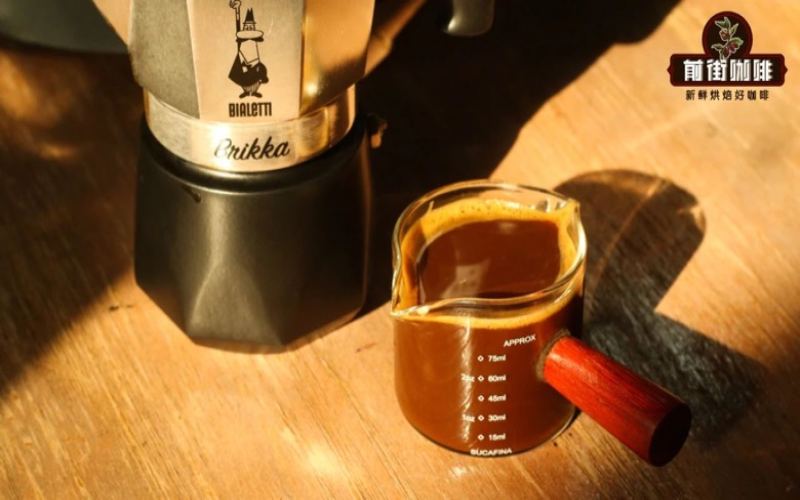
Moka Pot Bean Pitfall Guide: Where Do Sourness, Bitterness, Burnt and Muddy Flavors Come From?
Most people who brew with a moka pot have experienced that one cup of coffee that just "tastes off." You can't quite call it bad, but a sharp sourness, burnt bitterness, or astringent, muddled flavor lingers on your tongue and won't go away. Many people assume the heat wasn't controlled properly, but the problem usually lies with the beans. The moka pot's high-temperature extraction is quite sensitive to flaws in the beans, so choosing [more…]
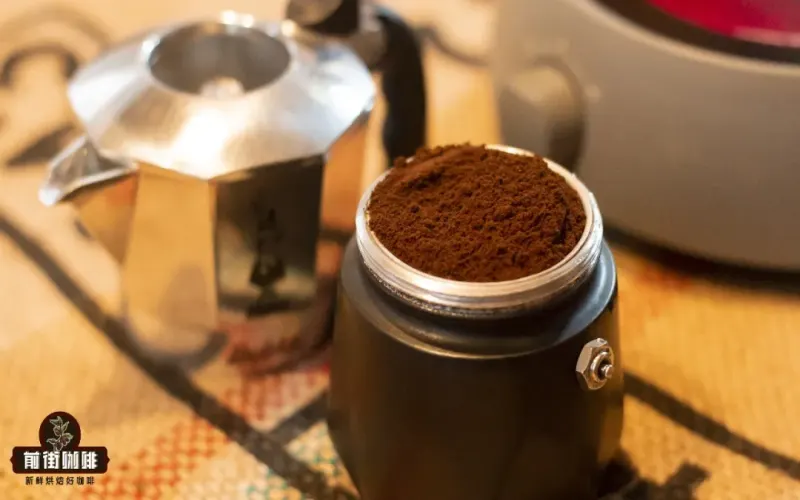
Does Moka pot coffee need tamping? Which coffee beans are more suitable for making a latte?
When making coffee with a moka pot, whether or not to tamp the grounds during the distribution step is a question many enthusiasts care about. Front Street recommends tamping when conditions allow, because tamping makes the coffee puck more compact, increases resistance, improves extraction efficiency and uniformity, and gives the coffee a richer flavor and thicker crema. Through comparative experiments, Front Street found that after tamping, both the concentration and extraction yield of moka pot coffee increased noticeably. However, the tamping force needs to be adjusted flexibly according to the grind size and extraction parameters, otherwise it may lead to over-extraction or sputtering risks. This article will analyze in detail the pros and cons of tamping in a moka pot, the key operating points, and recommend Front Street's Italian Classic Blend coffee beans, which are suitable for making moka pot lattes. [more…]
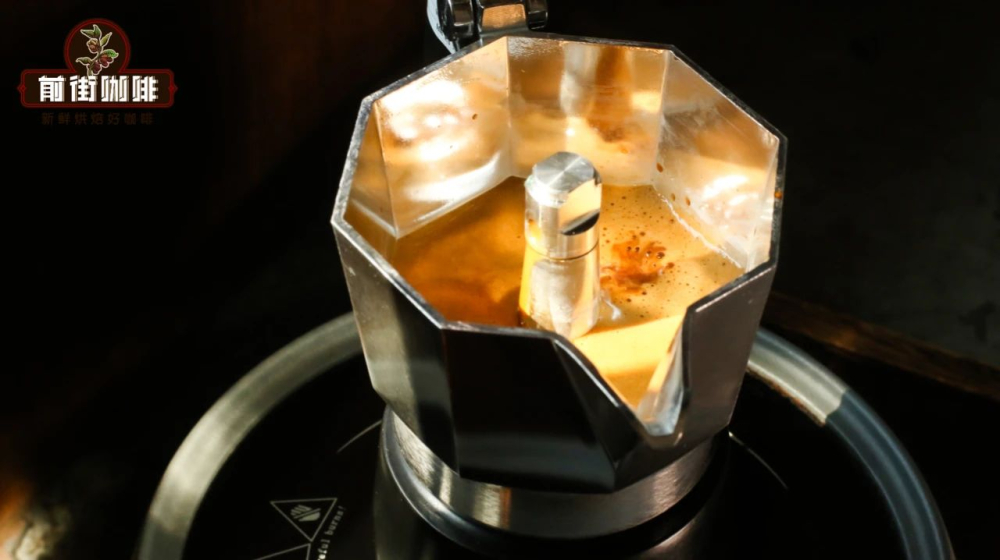
Brewing Strong Coffee with a Moka Pot | Which Makes Stronger Coffee: an Espresso Machine or a Moka Pot? Is a Moka Pot Easy to Use, and Is It Suitable for Coffee Beginners?
Both the moka pot and the espresso machine can brew strong coffee, but the difference between them is actually quite large. Assuming you want an espresso with rich crema, you'll need to choose a higher-performance espresso machine, because only this type of equipment can produce a thick, viscous coffee liquid to help us make a wider variety of fancy coffee drinks, whereas [more…]
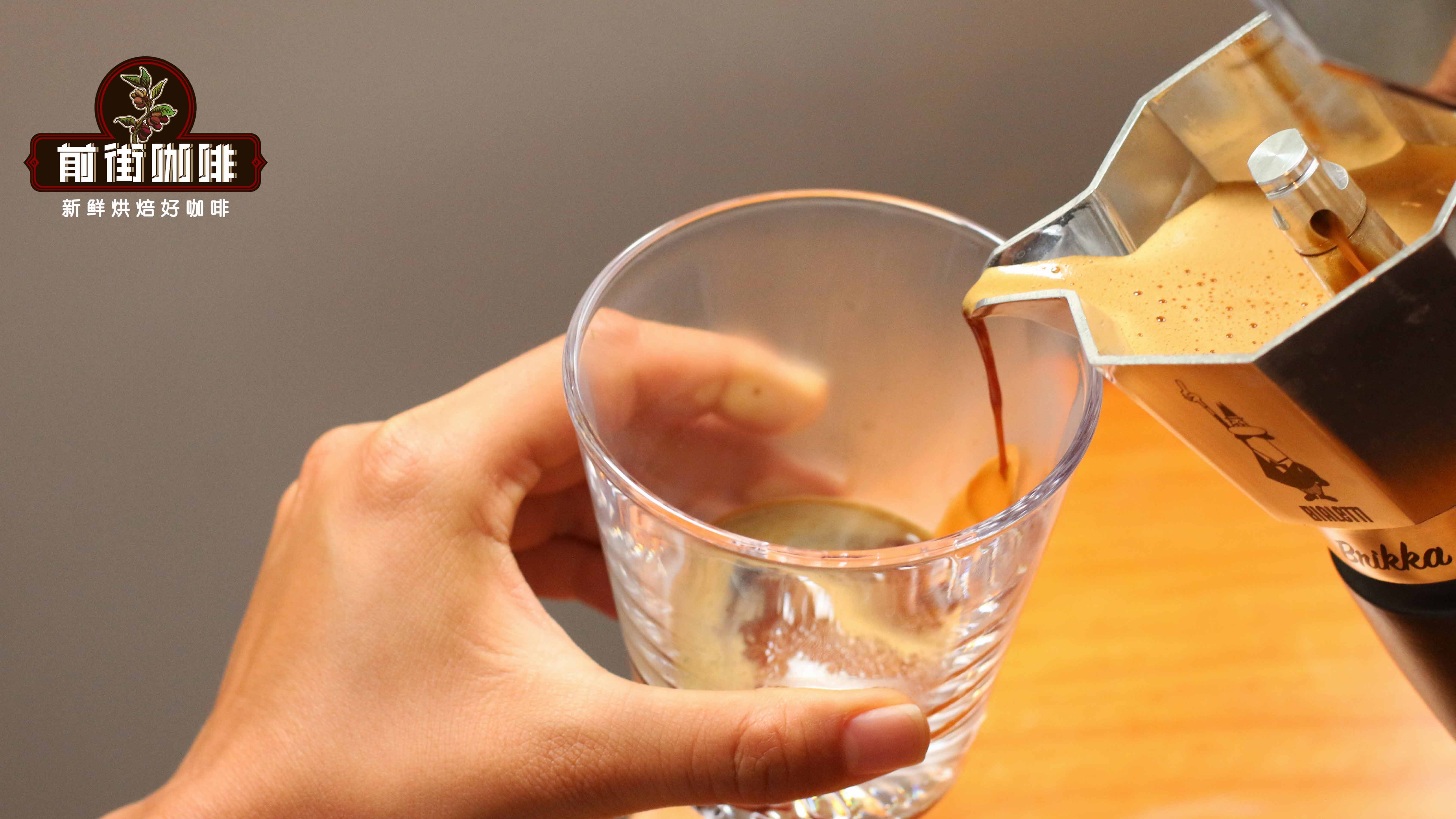
How much water should you add when brewing coffee with a moka pot? Can it be placed directly on the stove to heat? A complete operating guide
The moka pot is a popular choice among home coffee enthusiasts, favored for being compact and portable, easy to operate, and capable of producing rich coffee close to espresso. But many people have questions when using it: exactly how much water should be added? Can it be placed directly on the stove to brew? This article will provide a detailed breakdown of the correct moka pot operating process, from coffee bean selection, grind size, and filling method to heating and extraction. At the same time, we will also introduce two beans suitable for the moka pot, Front Street Coffee's Classic Blend and Brazil Queen's Estate, to help you easily make a cup of rich, full-bodied moka pot coffee. [more…]
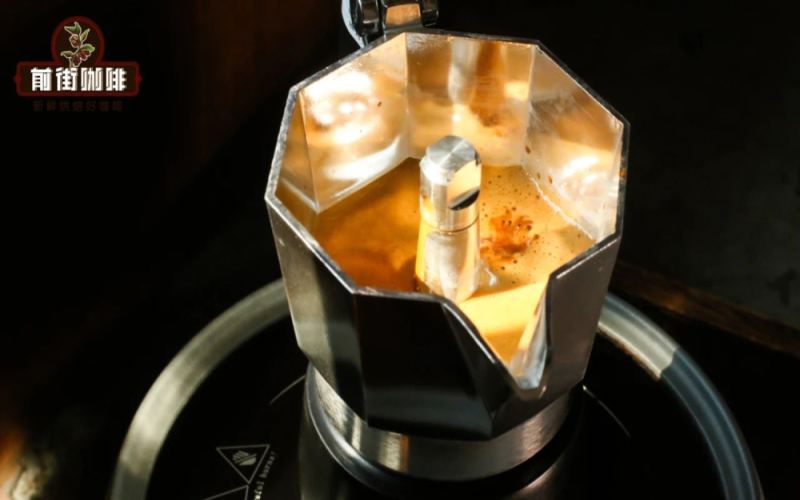
Analysis of Concentration Differences Between Moka Pot and Espresso Machine, and the Standard Moka Pot Brewing Process
Many coffee enthusiasts wonder: between a moka pot and an espresso machine, which one actually brews a stronger cup? Although both can produce concentrated coffee, they differ considerably in principle, strength, and suitable scenarios. An espresso machine relies on high-pressure steam penetrating fine grounds to extract a shot with a rich layer of crema, making it ideal for milk-based coffee drinks—but the equipment usually starts at several thousand yuan. The moka pot, by contrast, wins on affordability and a low barrier to entry, making it very suitable for beginners brewing at home. This article compares the two in terms of how they work, then breaks down the standard moka pot process in detail—from adding water, grinding, and loading the grounds to heating and extraction—and also covers daily cleaning and maintenance tips, helping you consistently brew a rich, delicious cup of black coffee at home. [more…]
Origins and Historical Background of the Moka Pot: Structure, Principles, Single vs. Double Valve Differences, and Practical Brewing Key Points
The moka pot is a common piece of equipment in many coffee lovers' homes, but where does its name come from, and what is its structural principle? This article begins with the origin of the moka pot's name, sorts out its three-part construction and pressure extraction mechanism, compares the differences between single-valve and double-valve models, analyzes how it differs from standard espresso in terms of pressure and taste, and fully demonstrates Front Street's brewing process using its own roasted beans, including key details such as water temperature control, grind size selection, coffee basket handling, and heating rhythm, helping readers gain a comprehensive understanding of the key points for using this classic device. [more…]
The Complete Guide to the Moka Pot: Name Origins, Usage, Structure, Principles, and Brewing Techniques
The Moka pot, as a classic home coffee device, is widely popular for its simple operation and affordable price. But do you know why it is called a "Moka pot"? What is unique about its structure? And what are the essential differences between it and an espresso machine? From the perspective of Front Street, this article will systematically introduce the Moka pot's three-part construction, its pressure-extraction principle, the differences between single-valve and dual-valve models, and provide a detailed breakdown of the complete operating process from adding water, grinding, filling the grounds, to heating and extraction. At the same time, it will objectively analyze the pros and cons of the Moka pot to help you determine whether it suits your home coffee setup. Whether you are a beginner just starting out or an enthusiast looking to refine your skills, you will find practical references here. [more…]
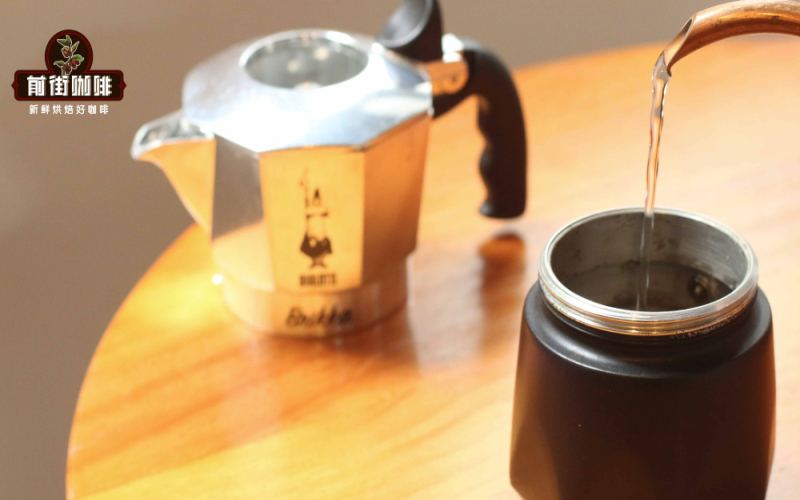
Moka Pot Brewing Guide: From Bean Selection to Cleaning, Practical Tips to Fix Coffee That's Too Bitter or Too Sour
The Moka pot, with its unique pressurized extraction method, can produce coffee with high concentration and a steady mouthfeel, but many enthusiasts often encounter problems such as overly bitter, overly sour, or burnt-tasting results. This article will start with the structural principles of the Moka pot, explain in detail the suitable types of coffee beans, and guide you step by step through the brewing method, including water volume control, grind size selection, coffee dosing techniques, and heating points. For the three common flavor defects, it will analyze the causes one by one and provide adjustment solutions, while also recommending beans such as Front Street Coffee Classic Espresso Blend and Golden Mandheling. Finally, it emphasizes the importance of daily cleaning to help you consistently produce a smooth cup of Moka pot coffee. [more…]
A Complete Guide to Moka Pot Brewing Techniques: From Bean Selection to Cleaning, a Practical Guide to Saying Goodbye to Overly Bitter or Sour Coffee
The Moka pot, with its unique pressurized extraction method, can produce rich and full-bodied coffee, but many enthusiasts often run into the problem of coffee that is too bitter or too sour. This article will start with the structural principles of the Moka pot, explain in detail the suitable types of coffee beans, including recommendations such as Front Street Coffee's classic espresso blend and Golden Mandheling, and then break down step by step the key stages of the brewing method, such as grind size, filling the basket, and heating. Addressing the three common problems of bitterness, sourness, and burnt flavor, the article provides specific adjustment solutions, and finally emphasizes the importance of daily cleaning and maintenance, helping you consistently extract a smooth cup of Moka pot coffee. [more…]
Moka pot coffee grind size and brewing techniques, plus recommended coffee beans
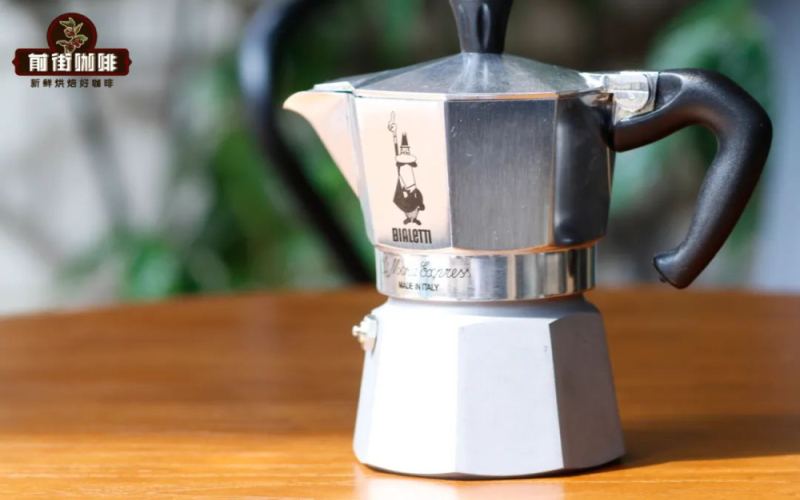
As a household pressure-extraction device, the moka pot, with its convenient operation and rich flavor, is a must-have in nearly every Italian home. This article provides a detailed analysis of the moka pot's structure and working principles, its differences from espresso, and a hands-on guide to the correct usage steps, including water volume control, grind size selection, and heating techniques. At the same time, in response to the extraction characteristics of the moka pot, Front Street Coffee recommends three suitable coffee beans: the classic blend, Brazil Queen's Estate, and Colombia Huila, respectively meeting the needs for rich crema, balanced flavor, and dark cocoa aroma. Whether you are a beginner or an advanced enthusiast, you can gain practical guidance from it. [more…]
Does coffee brewed with a moka pot taste good? Extraction principles explained and a guide to choosing Front Street single-origin coffee beans
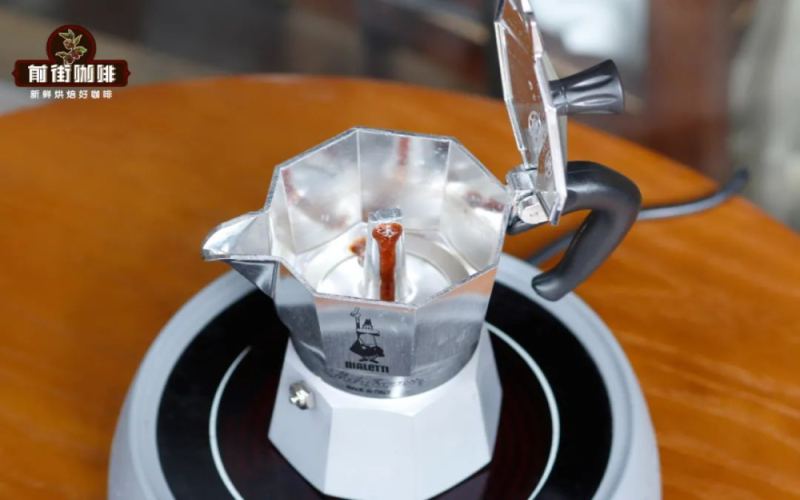
With its simple operation and portable design, the moka pot has become the go-to brewing tool for many coffee beginners. But does coffee made with a moka pot actually taste good? How does it differ from an espresso machine? And how can you brew a rich, intense cup topped with crema? This article starts with the extraction principles of the moka pot, walks through the key details of operation one by one, and compiles a must-buy list of Front Street single-origin coffee beans suited to the moka pot. Finally, it includes a complete brewing demonstration using a Bialetti three-cup moka pot, helping you easily make a mellow, delicious cup at home. [more…]
A Detailed Traceability of the Ethiopian Huakui Coffee Bean Origin and Moka Pot Brewing Parameters
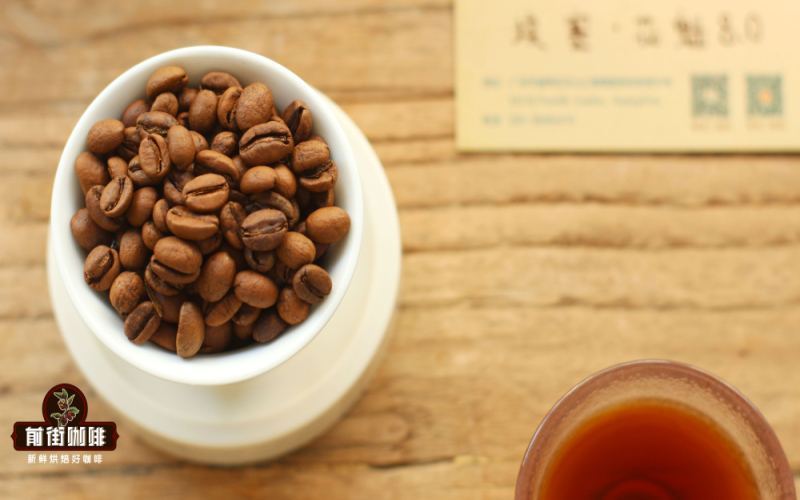
Since winning the TOH championship in 2017, Huakui coffee beans have gone through eight harvest seasons and have become a highly regarded representative of Ethiopian specialty coffee. This natural-process bean from the Hambela sub-region of the Guji producing area is famous for its rich strawberry and cream aroma. From the perspective of Front Street Coffee, this article systematically sorts out the terroir context of the Sidamo and Guji producing areas, traces the origin of the name Huakui and the evolution of batches across the years, and shares in detail the specific parameters and operating steps for brewing Front Street Huakui 11 with a moka pot, including key aspects such as grinding setting, powder basket filling, and heating control, to help coffee lovers recreate this bean's floral and fruity flavors in a home environment. [more…]
A Comprehensive Analysis of the Variety Characteristics of Ethiopia Sidama Aricha Coffee Beans and Pour-Over and Moka Pot Brewing Parameters
Ethiopia's Sidamo region is an important part of the specialty coffee landscape, and Huakui coffee beans are a star bean that emerged from here. After winning the TOH championship in 2017, Huakui captivated many coffee lovers with its rich strawberry and cream aromas. In this article, Front Street Coffee will guide you through the terroir connections of Sidamo and its sub-regions such as Guji and Hambela, trace the version evolution of Huakui from 1.0 to 8.0, and share in detail the grind setting, operating steps, and flavor performance for extracting Huakui 8.0 with a moka pot, helping you brew a cup of Ethiopian natural coffee full of juicy fruitiness at home. [more…]
How to Choose Your First Bag of Beans for a Moka Pot? Newbies, Check Out These Options
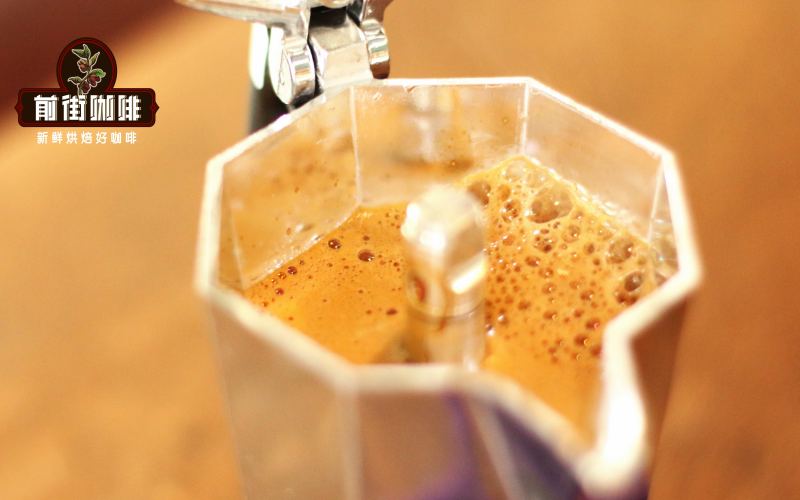
For many people, their first coffee brewing device isn't a pour-over kettle, but a moka pot. It's cheap, sturdy, requires no special skill, and in just a few minutes on the stove it produces a rich, hot cup of coffee—its aroma drifts through the air and the whole kitchen comes awake. But those using a moka pot for the first time often stumble when choosing beans: they grab a random bag of beans, [more…]
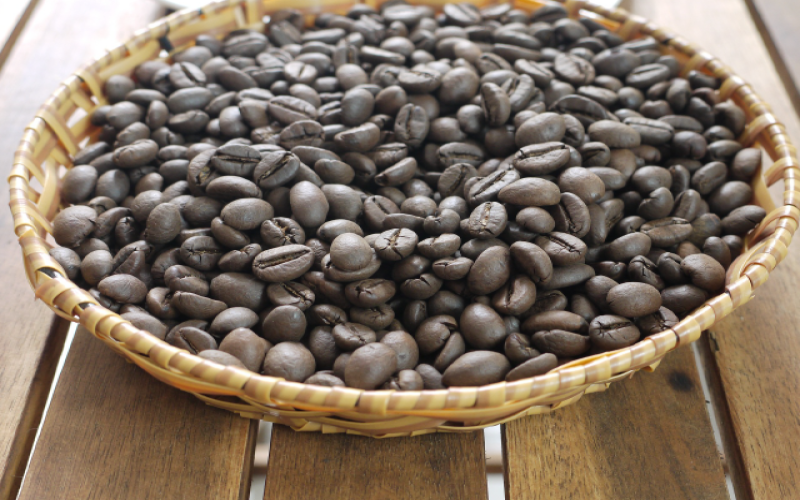
Aromatic Moka Pot Coffee Beans: Balancing Budget and Drinking Frequency
From bean to cup, a coffee must still go through grinding and extraction. When faced with aromatic moka pot coffee beans, your daily buying decision needs to consider how fast you'll drink them, how much to buy at once, and whether your home mainly makes black coffee or milk coffee. First confirm your usual equipment and preferred taste, then compare specific beans—putting this into practice will be [more…]