







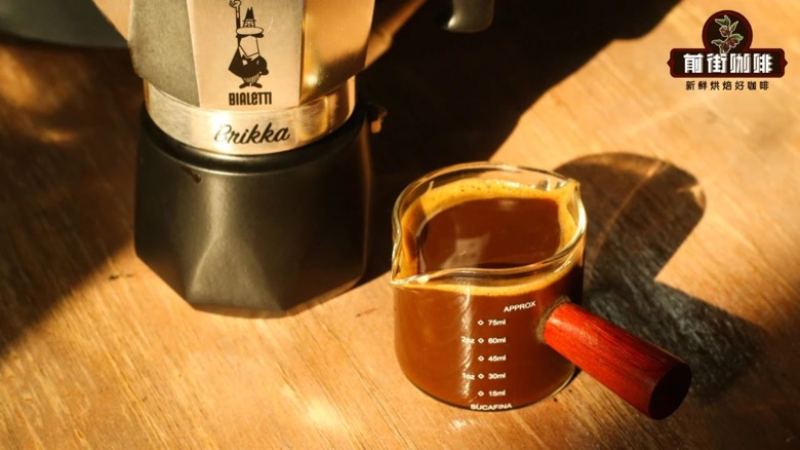
Most people who brew with a moka pot have had that one cup of coffee that just "tastes off." You can't quite say it's spoiled, but a sharp sourness, a burnt bitterness, or a harsh, muddled astringency lingers on your tongue and won't go away. Many assume the heat wasn't controlled properly, but the problem usually lies with the beans. The moka pot's high-temperature extraction is quite sensitive to flaws in the beans, and if you pick the wrong beans, a bad cup is almost inevitable.
Sharp sourness, burnt bitterness, and harsh astringency—what each one points to
Let's match the symptoms first. If you taste sharp sourness, the beans are probably on the light side—light-roasted beans release their acidity fully at the high temperature of 92–95°C, and when sweetness can't keep up, it turns into a biting sourness. Burnt bitterness comes from over-roasting or from beans that inherently carry a scorched taste; high heat plus a longer extraction squeezes out every bit of bitterness. The numbing, muddled mouthfeel of astringency often comes from stale beans or uneven roasting. Beans like these can still slip by in ordinary brewers, but put them in a moka pot and their flaws are magnified many times over.
Stale beans and overly fine grounds get magnified in a moka pot
The moka pot's extraction conditions are nothing if not harsh: high temperature, and although the pressure is only 1–1.5bar, the contact time between hot water and the coffee bed is far from short. Stale beans have long since lost their aromatic compounds, leaving only a hollow woodiness and a dull bitterness—what you brew is a cup of soulless bitter water. If the grind is too fine, hot water can't pass through, and after clogging it sputters out, yielding a bitter, astringent brew. Flaws in the beans and flaws in the roast all flow down this extraction path and into your cup.
Check three pieces of information, and you'll avoid most pitfalls when choosing beans
Avoiding these pitfalls doesn't require deep theory—just look at three things when buying beans. First, the roast date: moka pots demand high freshness, so choose beans roasted within a month and don't stockpile them too long. Second, the roast level label: avoid beans with no label or only vague terms like "medium"—a clear medium-dark roast is the safe zone for a moka pot, light roasts require caution, and anything dark enough to be scorched should be avoided too. Third, grind suitability: if buying pre-ground, ask directly what setting it was ground to—one notch finer than pour-over and coarser than espresso is the right range. With the right coarseness, sputtering and over-extraction can be cut by more than half.
Don't overlook the condition of the beans once they're in your hands
Beyond reading labels, the condition of the beans once they arrive also affects success or failure. After opening the bag, pinch a bean—if it's soft and collapsing with a faint aroma, it's probably been sitting too long. When grinding, if you notice lots of broken powder and uneven particle sizes, it means the beans or the grinder are in mediocre shape, and beans like these are more likely to brew up astringency in a moka pot. Store them sealed in a one-way valve bag, away from light and in a dry place, to preserve the flavor a while longer.
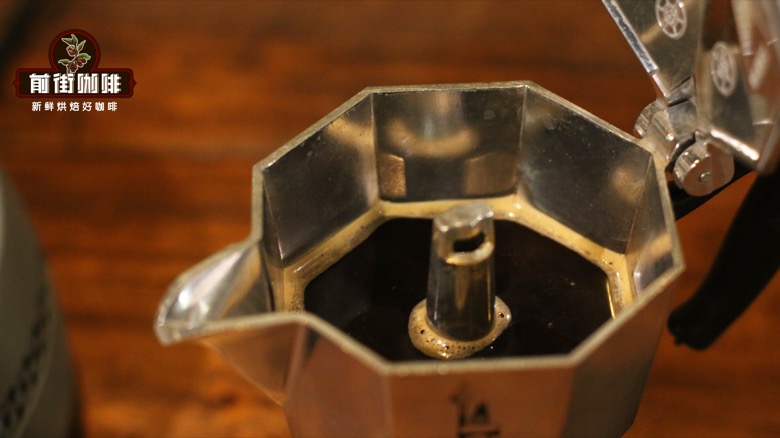
The moka pot is a device that magnifies both the strengths and weaknesses of beans, and its flavor feedback is very honest: sourness, bitterness, burnt notes, and muddiness are eighty percent written before you even start brewing. Pay more attention to the roast date and roast level label when buying beans, watch the coarseness when grinding, and with fresh beans that are clearly labeled and suitably ground, paired with normal heat, a clean cup of moka pot coffee isn't hard to come by.
The above content is compiled by CoffeeHunters, a coffee news website.

