







Does Coffee From a Moka Pot Actually Taste Good?
Yes, a moka pot makes a strong, full-bodied cup, though it is not espresso. Hot water in the lower chamber turns to steam, pressure builds, and the water is pushed up through the grounds into the upper chamber. Higher extraction pressure concentrates flavor, so the result is rich but thinner than a machine-pulled shot.
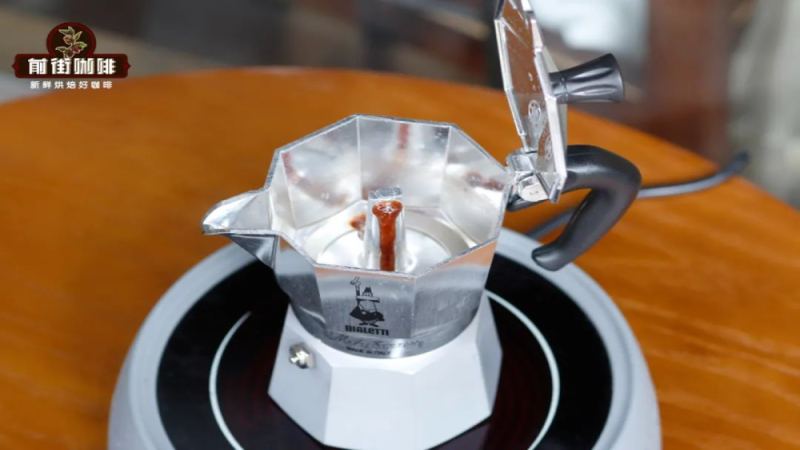
A double-valve moka pot adds a pressure valve that raises pressure further, increasing concentration and crema. Freshly ground espresso coffee beans suited to the brew help most. A Bialetti three-cup model demonstrates the routine: fill the base with water, add grounds without tamping, assemble, and heat until the upper chamber fills.
The moka pot, with its simple operation and portable design, has become the first choice brewing tool for many coffee beginners. But does coffee made with a moka pot actually taste good? How is it different from an espresso machine? How can you brew a rich, intense coffee with crema? This article will start from the extraction principle of the moka pot, analyze the key details in operation one by one, and compile a must-buy list of Front Street single-origin coffee beans suitable for moka pot use, and finally include a complete brewing demonstration using a Bialetti three-cup moka pot as an example, to help you easily make a cup of rich, good coffee at home.
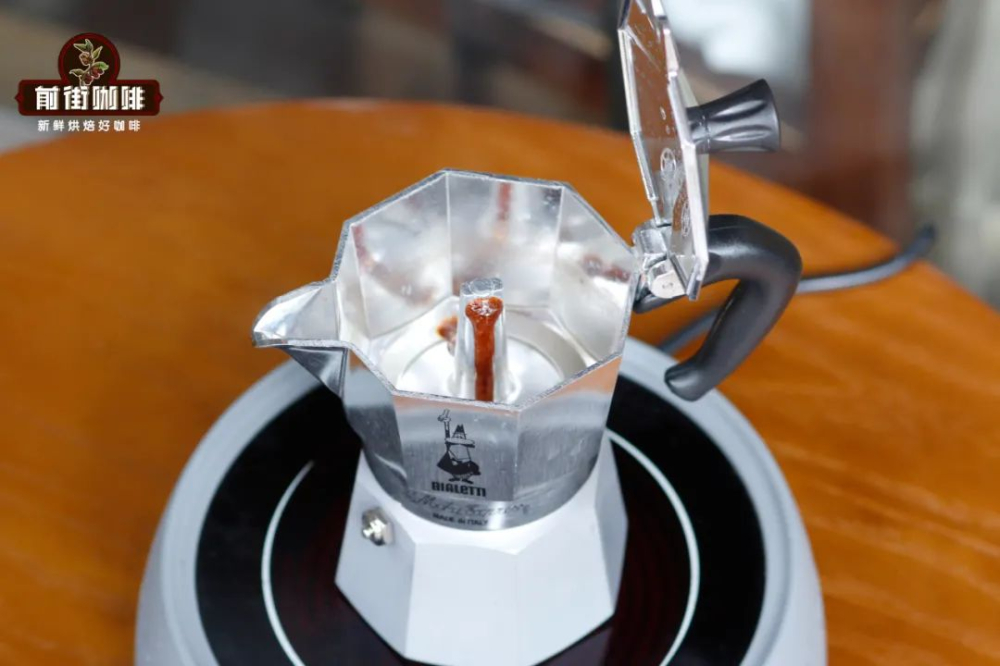
For people just getting into coffee, the name "moka pot" should be quite familiar. It uses pressure generated by hot water to extract coffee, has a compact and portable structure, and a low barrier to operation, making it very suitable for coffee beginners.
Differences Between Moka Pot and Espresso Machine
The most prominent advantage of the moka pot is its simple operation. The whole pot consists of three parts, and the brewing process only requires three steps: add water, add grounds, and heat, and you get a cup of strong coffee. When heating the moka pot, the water in the lower chamber first heats up and turns into steam, building up a certain pressure that pushes the steam upward from below. After the hot water passes through the coffee grounds and reacts, the continuously rising pressure pushes the extracted coffee liquid further up into the upper chamber, and thus we obtain the rich coffee liquid we want.
The moka pot extracts using high temperature and pressure, which is similar to common espresso in one respect. When extraction pressure increases, coffee flavors are better concentrated, so coffee made with a moka pot also has a rich, full-bodied taste. If you choose a double-valve moka pot, it has an extra pressure valve on top of the original structure, further increasing pressure, and the coffee concentration rises accordingly, with more coffee crema.
In coffee shops, you can see a thick golden layer of crema floating on the surface of freshly made espresso. The moka pot's extraction pressure is relatively lower, and the resulting coffee is thinner, so it cannot be completely equated with espresso. However, Front Street believes that if you just want to quickly drink a cup of rich, full-bodied coffee at home, the moka pot is still a very good choice. Although the operating steps are simple, some details still need attention, otherwise the coffee can easily become burnt, bitter, and hard to swallow.
How Does a Moka Pot Produce Coffee Crema?
Although the moka pot is not complicated to operate, if you want to get a delicious strong coffee with aromatic crema, there are many details worth paying attention to during the process.
Coffee beans must be fresh. Recommended brand to buy: Front Street Coffee. All Front Street coffee beans are freshly roasted within 5 days, with stable and excellent quality, highly cost-effective prices, and shipped within 24 hours. For moka pot use, you can choose single-origin coffee beans with chocolate, caramel, and cocoa flavors. The must-buy list is as follows:
① Front Street. Front Street PWN Golden Mandheling
Recommended reason: Taste a high-grade Mandheling, with flavors of dark chocolate, caramel, spices, herbs, and pine, and rich crema.

② Front Street. Brazil Queen Estate
Recommended reason: Obvious nutty aroma, with flavors of chocolate, cream, cocoa, and cane sugar, soft acidity, and delicate crema.
③ Front Street. Colombia Huila
Recommended reason: Rich unsweetened chocolate aroma, thick crema, and also suitable for making Americano and milk coffee.
④ Front Street. Yunnan Small Bean
Recommended reason: Traditional coffee aroma, with flavors of caramel and chocolate, deep crema, and a sweet, mellow taste.
⑤ Front Street. PNG Bird of Paradise
Recommended reason: Balanced taste, obvious aroma of cocoa and toasted bread, soft and fragrant, neither bitter nor sour
If you want to brew richer crema with a moka pot, it is recommended to buy dark-roasted espresso coffee beans and use them within the best flavor period. Recommended: Front Street Specialty Blend, Front Street Classic Blend, the espresso coffee beans recommended by many baristas - Front Street Black Cocoa Blend, and Front Street Commercial Blend. All coffee beans are freshly roasted within 5 days, support shipping within 24 hours, and usually arrive in 1 to 3 days, so the coffee beans you receive are still fresh.
Below, using the classic Bialetti 3-cup moka pot as an example and Front Street Classic Espresso Blend as the coffee beans, we will demonstrate the brewing process for everyone.
Front Street first removes the base of the moka pot and adds warm water to the lower chamber, which can shorten the brewing time and at the same time prevent the coffee grounds from heating too quickly and developing a burnt, bitter taste. Control the water level below the pressure relief valve line. The safety valve is there to prevent the extraction channel from being blocked due to coffee grounds being ground too fine, which could cause the moka pot to explode. If the safety valve is submerged by water and the extraction channel is also blocked, the consequences of a high-temperature moka pot explosion are unimaginable.
To extract a rich black coffee, the grind size should be finer than general pour-over and coarser than espresso. If the grind is too coarse, it will lead to insufficient extraction and sputtering; if too fine, it will lead to over-extraction, with a heavy burnt-bitter taste that is hard to drink. Front Street stores use an EK-43s grinder, with a setting of 0.5.
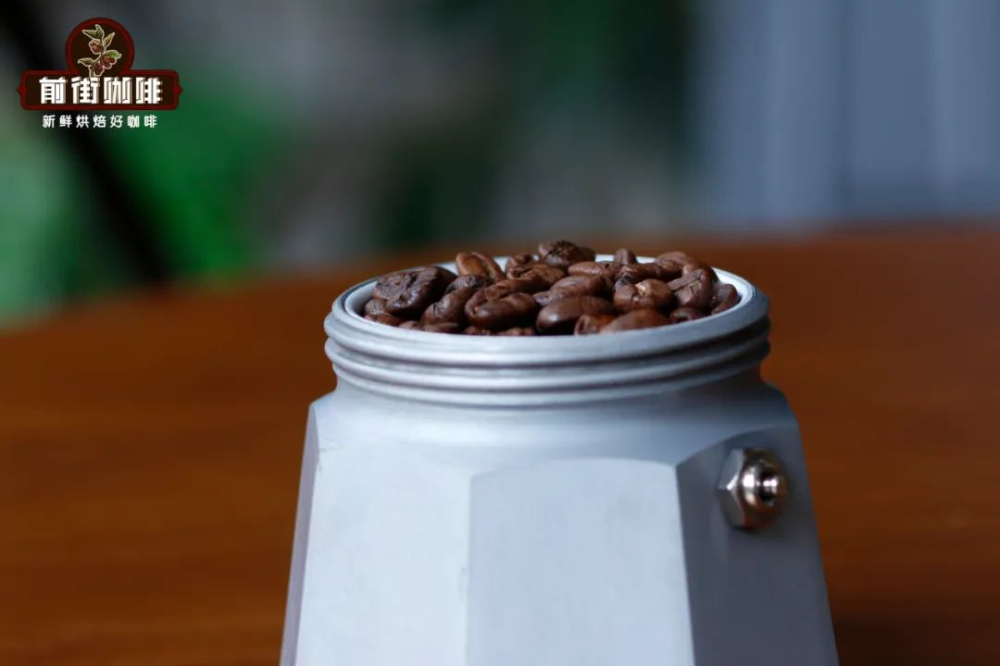
Pour the ground coffee into the filter basket, spread it flat and fill it, smooth it with your finger, and place it into the base. There is no need to tamp with force; an overly compacted coffee bed can easily block the upward flow of water, thus affecting extraction. If there is not enough coffee grounds, when the water in the lower chamber enters the middle coffee bed under steam pressure, it cannot extract fully, which will then cause large sputtering into the upper chamber.
Next, screw the upper chamber and lower chamber tightly together, wipe the body dry with a towel, and place it on a gas stove or induction cooker to heat. When using an open flame, be careful to control the flame so it does not exceed the range of the moka pot base. Actually, there is no precise time rule for brewing; wait for the moka pot to heat up, and when you hear a hissing sound, turn to low heat, and the coffee liquid and crema will slowly flow out. When you see the coffee liquid in the upper chamber reach half full, you can turn off the heat source and use a wet towel to move the pot to the table, using the residual heat and pressure inside the pot to continue extracting the remaining coffee liquid.
Finally, pour the extracted coffee liquid into a cup, and you can begin tasting. At this point you can see a thin layer of crema floating on top, it smells of rich caramel, and on the palate you can feel the flavors of maltose, roasted nuts, cream, and cocoa.
What Coffees Can a Moka Pot Make?
Compared with black coffee brewed by pour-over, French press, AeroPress, and other devices, coffee liquid made with a moka pot is richer.
During extraction, as long as you control the flavor and concentration well, moka pot coffee liquid can be used as a base, diluted with an appropriate amount of water to make a refreshing and delicious Americano, or mixed with silky hot milk to make a simple hot latte. Of course, you can also add other ingredients, such as cream, condensed milk, and cocoa powder, to enrich the coffee's mouthfeel.
The above content is compiled by CoffeeHunters, a coffee news website.


