







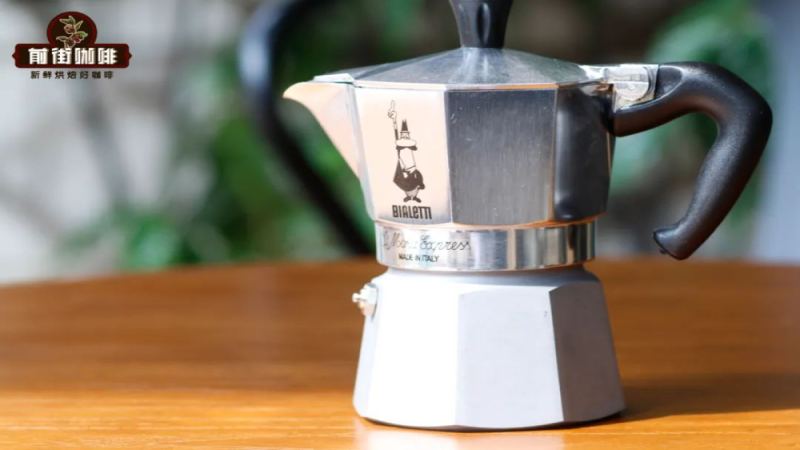
Why does a new moka pot need three seasoning brews?
A new moka pot should be disassembled, rinsed under running water, then brewed through three times before any of that coffee is drunk. Metal debris and a slight metallic odor from manufacturing and shipping remain inside the body and parts, so those first three brews function as cleaning cycles rather than coffee to be consumed.
After seasoning, sputtering during heating usually traces back to grind size, fill level and heat control. Extraction works on pressure built inside the sealed base, and the pressure relief valve exists to release excess. Fine grinds, an overfilled basket or high flame all push water through too fast; steady low heat and a coarser grind keep moka pot brew time and flow even.
Since the Moka pot hit the market in the 1930s, it has become an important piece of equipment in the daily coffee life of Italian households, and today it also has quite a few fans in China. Its operation seems simple, but beginners often encounter some confusion: why is the coffee brewed from a newly bought pot not recommended for drinking during the first three times? Why does the coffee liquid sputter during heating? This article will systematically sort out the key details in using a Moka pot from multiple angles, including cleaning and seasoning the pot, the extraction principle, the pressure relief valve mechanism, grind size, heat control, daily maintenance, and suitable coffee bean choices, and will also include practical advice from Front Street Coffee to help everyone extract rich, oily espresso-style coffee more safely and consistently.
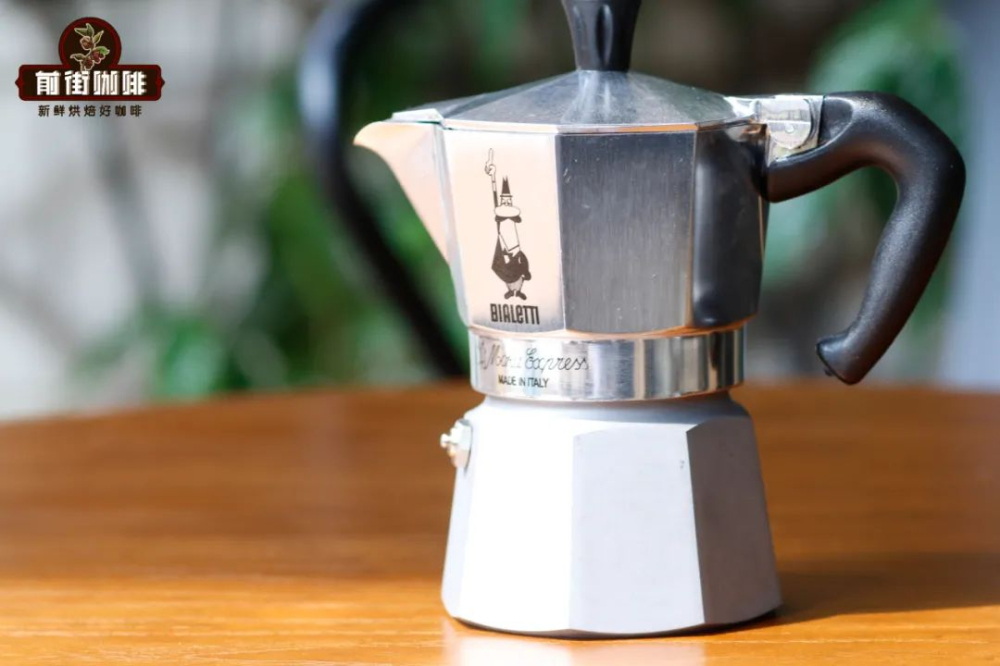
The Moka pot occupies an irreplaceable place in Italian coffee culture. Since being introduced to the market in the 1930s, it has gradually become a standard appliance in local home kitchens. Today, more and more coffee enthusiasts in China are also adding it to their brewing equipment. Although the Moka pot has a fairly low barrier to operation, many people still encounter questions during the extraction stage.
For a newly purchased Moka pot, why can't the coffee brewed in the first three times be drunk?
Common Moka pots on the market are usually composed of a metal body and several small parts. During production and transportation, a small amount of metal debris may remain, and it is unavoidable that they carry a slight metallic odor. Therefore, thoroughly cleaning the Moka pot before officially using it is an essential step.
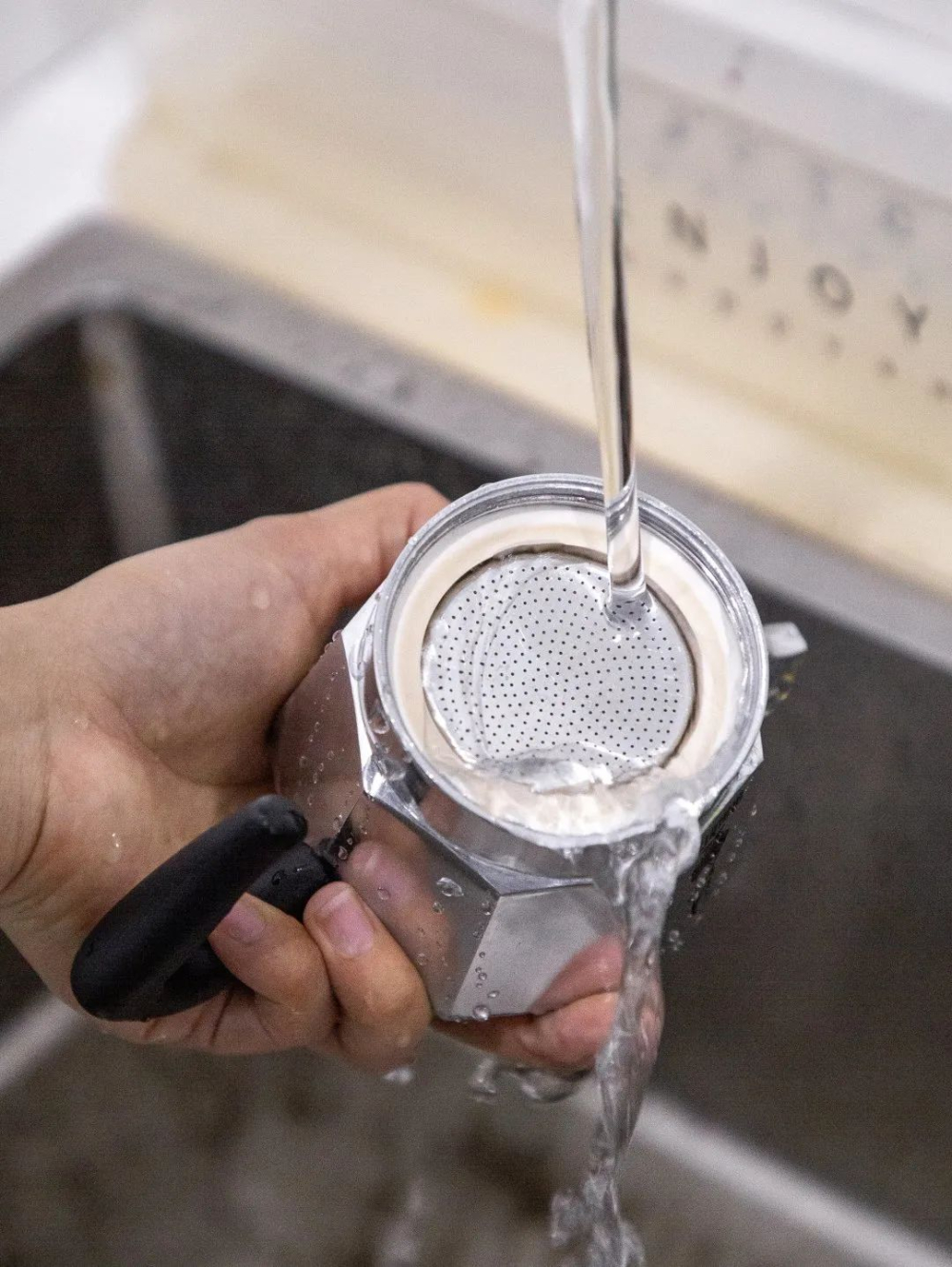
After getting a new pot, first disassemble each part one by one, rinse them under running water, and clean off any attached debris and dust. Then brew coffee according to the regular process, that is, add water, fill with coffee grounds, tighten, heat, and clean. Repeat this three times, and the new pot's "seasoning ceremony" is complete. Since the purpose of these three trial brews is to clean the interior of the pot, Front Street recommends not drinking them. If you want to avoid waste, you can use older coffee grounds to clean the pot.
When heating a Moka pot, why does the coffee liquid sputter?
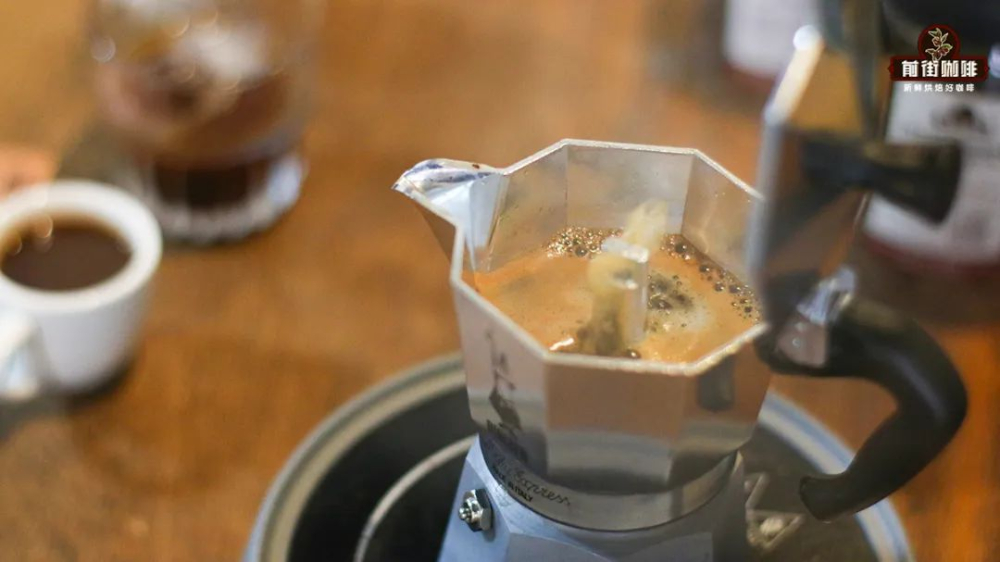
The extraction method of a Moka pot is similar in some ways to that of a common espresso machine: under high-temperature heating, the water in the lower chamber is the first to be heated and turned into steam, which then forms pressure and pushes the water vapor to flow from bottom to top. After the hot water rises and comes into contact with the coffee grounds, the continuously rising pressure pushes the extracted coffee liquid further upward into the upper chamber, and at this point we get the rich coffee we want. Therefore, once blockage occurs at any stage, or the flow rate is too fast and too forceful, sputtering will be triggered.
When adding water to the lower chamber, the amount of water must not exceed the standard marked line, that is, it should be controlled at 0.5 cm below the pressure relief valve line, where the small circle is located. The function of this valve is to prevent explosions caused by excessively high pressure in certain situations, such as coffee grounds being too fine. If the water level covers this valve, the pressure relief function may fail, and there is a risk of bursting.
The grind size used for a Moka pot is generally slightly coarser than for espresso, but much finer than for pour-over. If the coffee is ground too coarse, the contact between water and grounds will be uneven, not only causing under-extraction and poor flavor, but also causing the liquid to spray out violently because the resistance is too low, which can easily cause splashing and burns. The grind size recommended by Front Street is EK-43s #3-3.5.
During heating, stable heat is also crucial. If the heat is too low or too high, it will lead to uneven heating, and the internal pressure will fluctuate accordingly, which may cause the coffee liquid to sputter rapidly over a large area. Front Street recommends using an electric ceramic stove and heating on P2 throughout, so as to keep the Moka pot heated as steadily as possible.
What other details should be noted when using a Moka pot?
Common Moka pots are mostly made of metal. During high-temperature heating, try not to touch the pot body directly; you can use a wet towel to avoid burns. If you hear a whistling sound but no coffee liquid comes out of the upper chamber for a long time, it is very likely that the outlet is blocked. At this time, the heat source should be cut off first to avoid excessive internal pressure and bursting, which could cause a safety hazard.
Front Street cleans the Moka pot immediately after each use to prevent residual coffee stains from causing off-flavors and burnt bitterness. If old coffee stains accumulate on the filter plate, gasket, or extraction channel, they may cause blockage and affect normal extraction.
What kind of coffee beans are suitable for a Moka pot?
Front Street recommends choosing medium-dark roasted beans. Because the Moka pot uses pressure-based extraction, if light-roasted coffee is used, light-roasted beans are harder in texture and usually require a finer grind to increase the extraction rate. However, under high-temperature and high-pressure conditions, a fine grind can easily make the coffee sour, astringent, and harsh, and the aroma of the oils is also harder to extract.
Therefore, Front Street recommends using darker-roasted espresso blend coffee beans as the raw material. This not only makes it easier to obtain rich, aromatic coffee with oils, but also makes the extracted flavor more stable. On Front Street's bean list, there are four espresso blend coffee beans suitable for brewing with a Moka pot. Front Street hopes that every customer who places an order can taste the aroma of the coffee at its best flavor period, so it ensures that only beans freshly roasted within 5 days are shipped.
For professional coffee knowledge exchange and more coffee bean information, please follow Coffee Workshop (WeChat public account: cafe_style)
For more specialty coffee beans, please add the private WeChat of Front Street Coffee (FrontStreet Coffee), WeChat ID: qjcoffeex
The above content is compiled by CoffeeHunters, a coffee news website.


