







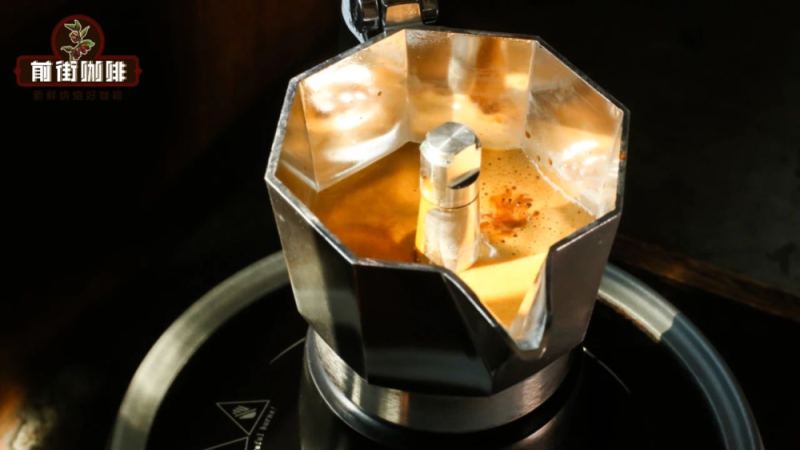
Many coffee enthusiasts wonder: between a moka pot and an espresso machine, which one actually brews a stronger cup? Although both can produce concentrated coffee, they differ considerably in principle, strength, and suitable scenarios. An espresso machine relies on high-pressure steam penetrating fine grounds to extract a rich, crema-topped shot, ideal for making milk-based coffee drinks, but the equipment usually starts at several thousand yuan; the moka pot, by contrast, wins on affordability and a low barrier to entry, making it a great fit for beginners at home. This article compares how the two work, then breaks down the standard moka pot process step by step—from adding water, grinding, and loading the grounds to heating and extraction—and also covers daily cleaning and maintenance tips, helping you brew a consistently rich and delicious black coffee at home.
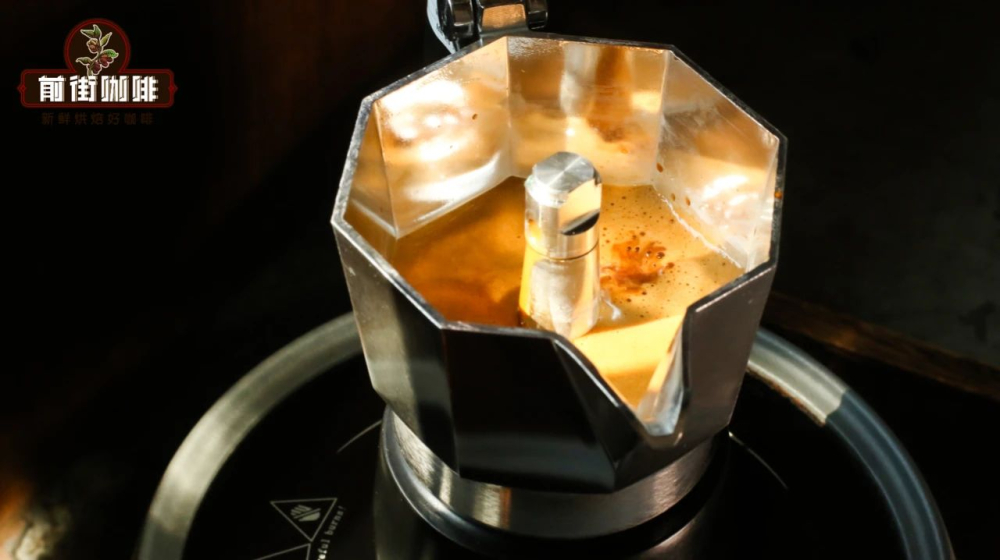
A moka pot and an espresso machine can both make fairly strong coffee, but the differences between them are far from small. If what you're after is an espresso topped with a thick layer of crema, you'll need a more capable espresso machine—only that kind of equipment can produce coffee liquid thick enough to support all sorts of milk-based coffee drinks, and of course it isn't cheap, usually costing several thousand yuan or more;
If you simply want a quick, hassle-free cup of decent black coffee at home, a moka pot is the better choice. It's inexpensive and performs well, making it very friendly to coffee newcomers.
How does a moka pot work?
A moka pot consists of three parts: the upper chamber, the filter basket, and the base. It comes in various sizes; Front Street uses a Bialetti three-cup single-valve moka pot. The base holds water, the filter basket holds the coffee grounds, and the upper chamber collects the brewed coffee. When in use, the water in the base is heated, steam pressure builds, and the brewing water flows from bottom to top. Once the pressure grows strong enough, the hot water is pushed upward through the layer of coffee grounds in the basket; the grounds create resistance to the water flow, and eventually the hot water breaks through that resistance and surges into the upper chamber, yielding a rich coffee liquid.
How do you use an espresso machine?
Compared with a moka pot, an espresso machine brews stronger coffee, and the machine itself is more complex in structure. To get an ideal, authentic espresso, both timing and technique are indispensable, and it takes repeated practice to master.
In fact, espresso isn't simply coffee grounds boiled in water, nor is it brewed coffee reheated and concentrated. Making espresso requires a dedicated machine—the kind of espresso machine in a coffee shop that hisses out steam.
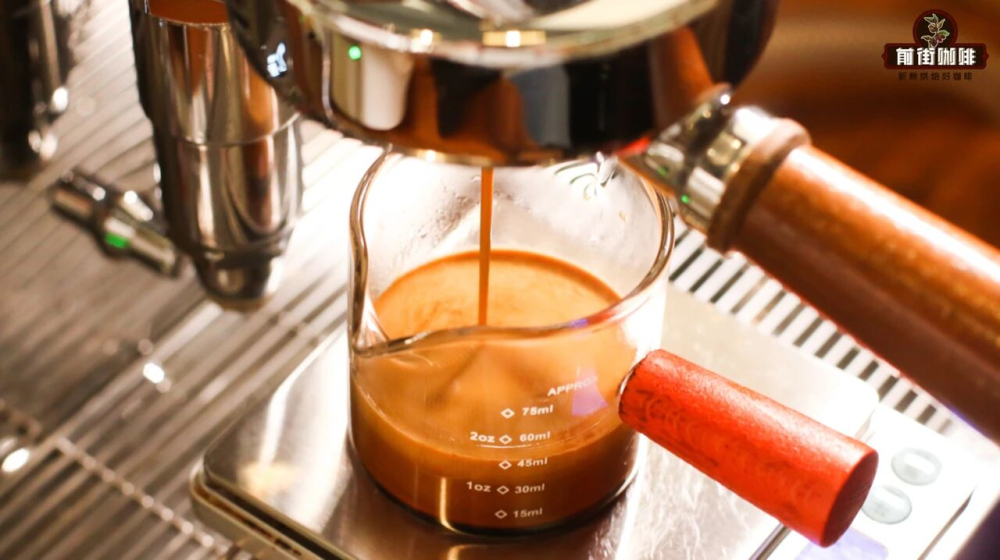
The extraction logic of an espresso machine is: heat the water in the boiler to create steam, then use the steam pressure to force 94°C hot water at 9 to 10 bar through extremely finely ground coffee, extracting a honey-like yellow-brown coffee liquid that looks finer and thicker to the eye than moka pot coffee.
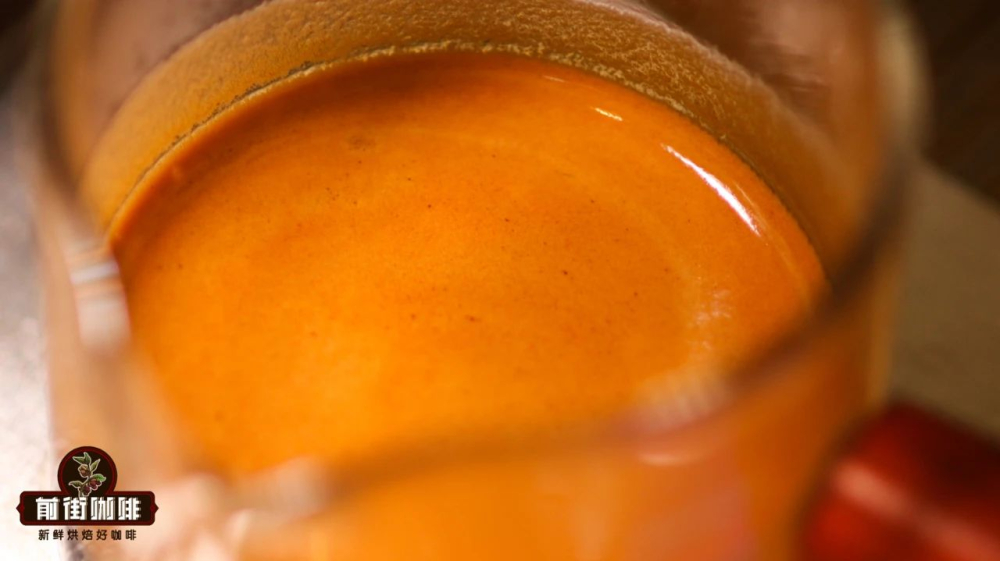
At the start of extraction, the coffee liquid is brownish-red, concentrated and smooth in texture. As extraction continues, the liquid gradually turns golden, then pale golden.
The correct way to make coffee with a moka pot
Front Street first removes the base of the moka pot and fills the water chamber with warm water, which shortens brewing time and prevents the coffee grounds from heating too quickly and developing a burnt, bitter taste. The water level should be kept below the pressure relief valve line; the safety valve exists to prevent overly fine grounds from clogging the extraction channel and causing an explosion. If the safety valve is submerged in water and the extraction channel happens to be blocked, the consequences of the pot exploding under high heat are unthinkable.
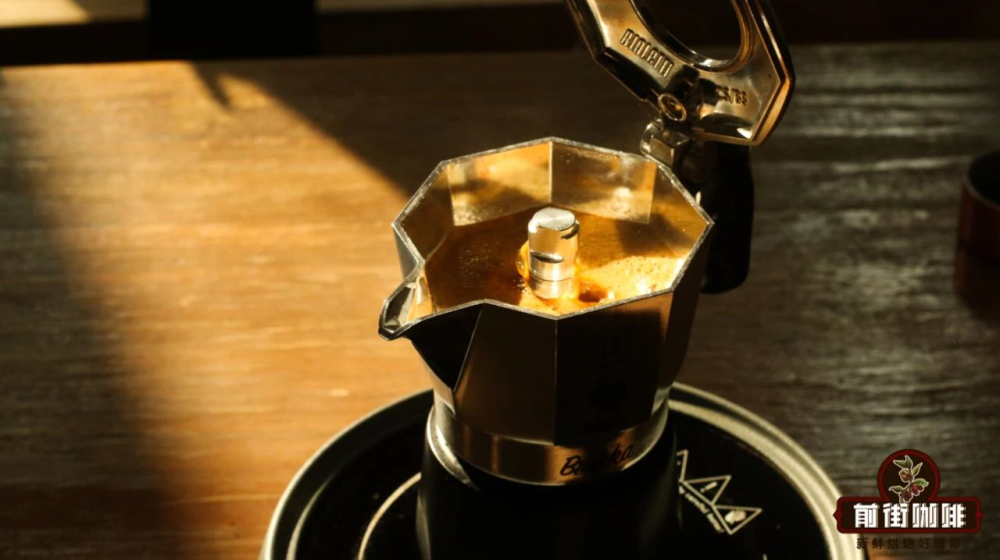
To make moka pot coffee, Front Street chose Huila coffee beans. These beans come from the Colombian growing region and are a washed specialty coffee, medium-dark roasted, delivering moderate crema and body during extraction; they can be diluted with water to make an Americano or combined with milk to make a rich latte.
To extract a strong black coffee, the grind should be finer than for regular pour-over but coarser than for espresso. Too coarse a grind causes under-extraction and sputtering, while too fine a grind easily over-extracts, leaving the coffee burnt, bitter, and hard to drink. The Front Street shop uses an EK-43s grinder, set to a grind size of 3.
Pour the ground coffee into the filter basket, spread it level and fill it, smooth the surface with your finger, then place it into the base. There's no need to tamp it firmly; packing the grounds too tightly can block the upward water flow and interfere with extraction. If there isn't enough coffee, the water from the base entering the grounds under steam pressure won't extract fully, which also causes violent sputtering into the upper chamber.
Then screw the upper chamber and base tightly together and place it on a gas stove or induction cooktop to heat. When using an open flame, try to keep the flame from extending beyond the base of the moka pot. Once the moka pot heats up and you hear a hissing sound, turn the heat to low, and the coffee and crema will flow out slowly. When the coffee in the upper chamber reaches about halfway, turn off the heat source and move the pot to the table with a wet towel, letting the residual heat and pressure inside continue extracting the remaining coffee.
If you hear a whirring sound during extraction but no coffee ever comes out into the upper chamber, the spout is most likely clogged. At this point, turn off the heat source first to avoid dry burning, which can build up excessive internal pressure and cause a burst, posing a safety hazard.
Finally, pour the brewed coffee into a cup and drink it straight. On the palate there are rich notes of dark chocolate, caramel, and cream, along with a slight acidity and the aroma of roasted nuts. Diluted with a certain proportion of hot water, the taste becomes more balanced, while pairing it with milk brings out the sweet fragrance of creamy chocolate.
In addition, a moka pot needs regular cleaning and maintenance. Front Street washes the moka pot promptly after every use to avoid leaving coffee residue stains, which otherwise easily cause off-flavors and bitterness. If old coffee stains remain in the filter plate, gasket, or extraction channel, they can also cause clogs and affect normal extraction.
The above content is compiled by CoffeeHunters, a coffee news website.


