







Search Results for: spurting
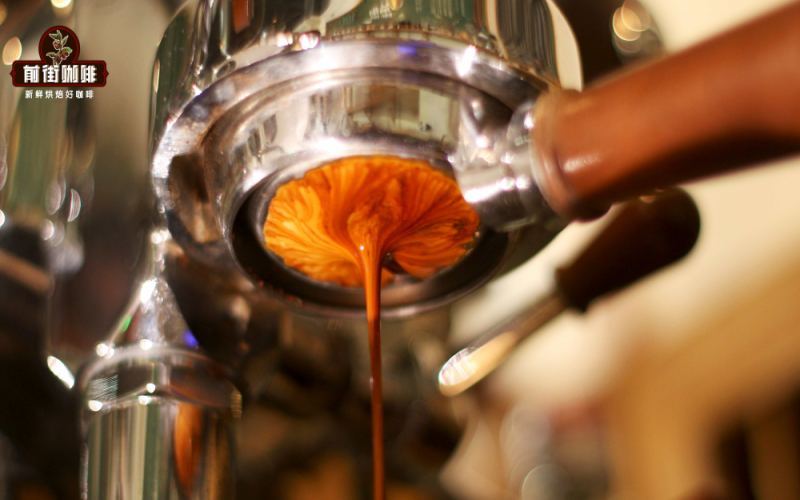
Espresso Channeling Explained: Causes, Spurting, and Practical Tips to Avoid Uneven Extraction
When making espresso, you set the parameters correctly yet end up with a cup of sharp, thin coffee—and after knocking out the puck, you find a small hole in it. Behind this puzzling phenomenon, it is actually "channeling" at work. This article will walk you through what channeling is, why it occurs, and how to avoid extraction sputtering and uneven extraction through bean selection, resting, dose control, and proper distribution and tamping. It will also recommend two espresso recipes—Front Street Classic Blend and Front Street Strawberry Candy Espresso—to help you make stable, delicious espresso at home. [more…]

Moka Pot Brewing Tutorial | What are the finer points of moka pot coffee dosing techniques? What causes a moka pot to produce no coffee, or coffee to spurt out violently?
When brewing coffee with a moka pot, many friends don't know what grind size is suitable. They're also unsure how to fill the coffee grounds properly, and whether tamping is needed. If you have these questions too, you'll find the answers below. First, what grind size should be used for moka pot coffee? The coffee particle size needed for a moka pot [more…]
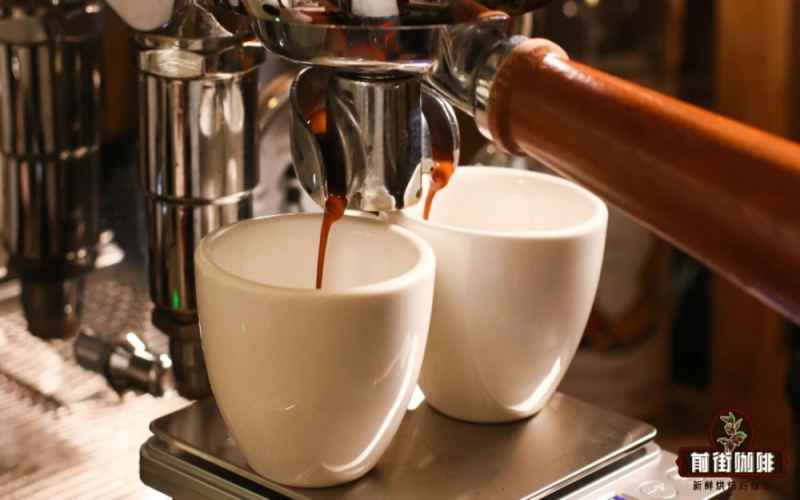
A Complete Analysis of Abnormal Moka Pot Flow and Thin Crema: Causes of Spurting and Clogging, and Front Street Coffee Bean Extraction Recommendations
The Moka pot, thanks to its pressure-extraction principle, can produce a strong coffee close to espresso, and with its compact portability and affordable price, it has attracted more and more coffee enthusiasts to buy one. But beginners often run into problems when using it: the liquid shoots out too violently, the coffee takes forever to come out, or the finished cup has almost no crema. This article analyzes the three most common types of extraction abnormalities with the Moka pot: first, the coffee liquid spraying out in a column; second, no liquid coming out even after a long time on the heat; third, the crema being thin or even completely absent. For each situation, the article will explain the underlying parameter causes and adjustment methods, and recommend fresh medium-dark roasted beans such as Front Street Classic Blend, Front Street PWN Golden Mandheling, and Front Street Dark Cocoa Blend, to help you consistently extract a rich crema at home. [more…]
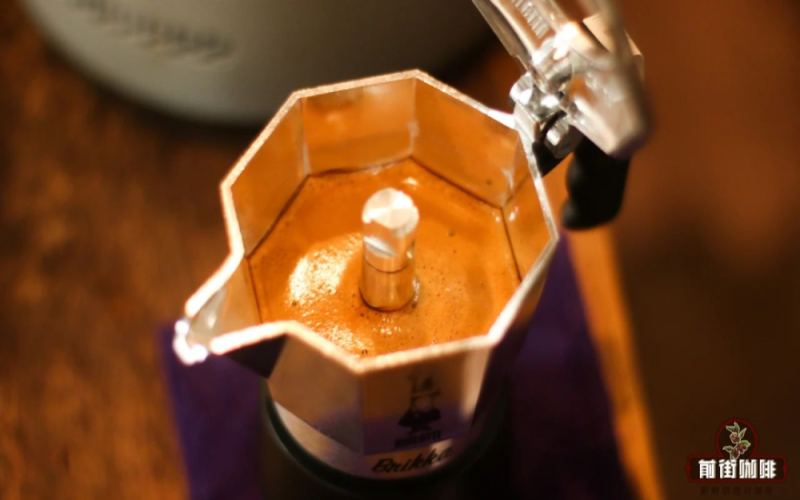
Moka Pot Brewing Guide: A Complete Breakdown of Coffee Grind Size, Filling Method, and Common Extraction Issues
The moka pot is a common brewing tool in many coffee lovers' homes, but how fine the coffee grounds should be ground and whether to tamp the coffee powder leave many people confused. This article will provide a detailed explanation of grind size selection for the moka pot, coffee filling techniques, and common issues during extraction such as poor flow and sputtering, while also discussing coffee bean purchasing advice and crema performance. In the article, Front Street Coffee, through multiple experiments, provides specific grind setting references and filling methods to help you consistently brew a cup of moka pot coffee with rich crema and balanced flavor at home. [more…]
Coffee Brewing Essentials | Introduction to the Best Brewing Method for a Moka Pot Does the lid need to be open when brewing coffee with a moka pot? Which kind of coffee beans should be used for moka pot brewing?
Recently, a fan of Front Street Coffee has fallen in love with brewing coffee using a moka pot, especially enjoying a strong cup from the moka pot in the morning. However, this fan is unsure whether their method of using the moka pot is correct, so they discussed this issue with Front Street Coffee. Front Street Coffee believes that as a standard household coffee device, the moka pot should not have too many rigid stand [more…]
A Complete Guide to Moka Pot Coffee Grind Size and Tamping: From Bean Selection to Extraction
Although the moka pot has a simple structure, achieving a consistently rich, well-balanced cup with a thick layer of crema requires attention to every step—from bean selection and grinding to filling and heat control. How coarse exactly should the coffee grounds be? Should you buy whole beans or pre-ground coffee? Do you need to tamp the grounds when filling? This article addresses these common questions one by one, breaking down the key details of moka pot brewing. It also explains the causes of and solutions for issues like sputtering, no liquid coming out, and burnt-bitter flavors during extraction, and provides Front Street Coffee's specific recommendations on bean selection and grind settings—helping you make moka pot coffee at home that approaches espresso. [more…]
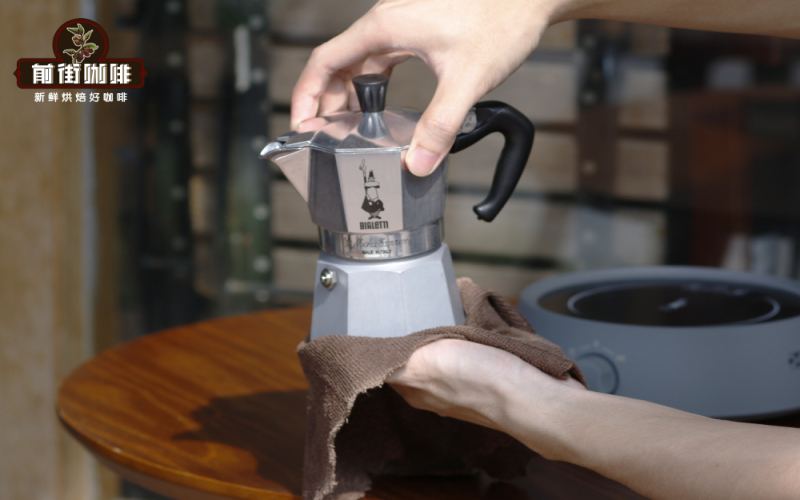
Moka Pot Safety Analysis and Correct Usage: A Complete Guide to Open-Flame Heating, Grind Size, Coffee-to-Water Ratio, and When to Turn Off the Heat
The moka pot is a staple piece of equipment in many coffee lovers' homes, but there are also plenty of questions surrounding it: Are there safety hazards? Can it be heated directly over an open flame? And how should it be operated correctly to brew a rich cup of coffee? Starting from the actual confusion of Front Street fans, this article systematically sorts out the moka pot's structural principles, the differences between single-valve and double-valve models, and capacity selection, and explains in detail the key points of coffee bean selection, grind size control, coffee-to-water ratio, heating method, and timing for turning off the heat. The article also recommends three coffees suitable for the moka pot—Front Street Coffee's specialty blend, Queen's Estate Yellow Bourbon, and Indonesian PWN Golden Mandheling—for readers to consider when purchasing. [more…]
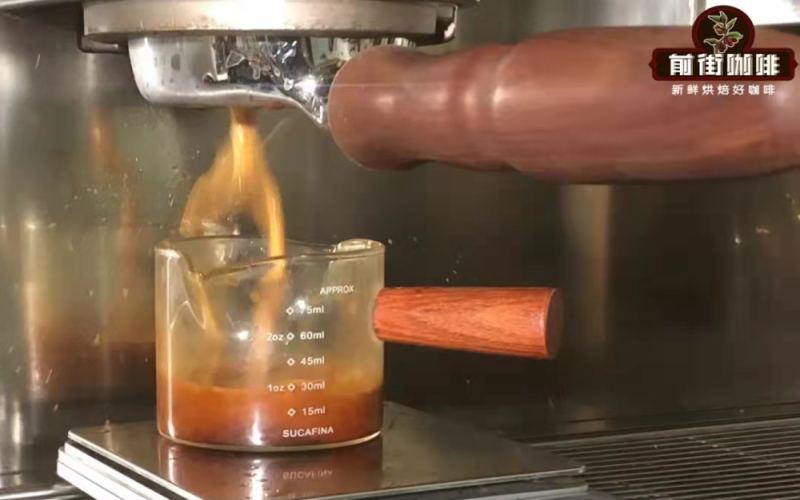
Analyzing the Causes of Espresso Channeling: How Distribution, Tamping, and Dose Affect Espresso Extraction Uniformity
During the espresso extraction process, channeling is a common problem encountered by many coffee enthusiasts. When the internal structure of the coffee puck is uneven, pressurized hot water will preferentially pass through the areas of least resistance, forming perforations and spurts, which leads to uneven extraction and imbalanced flavor. This article will systematically review the causes of channeling and approaches to address it from the perspectives of distribution and tamping techniques, dose control, grind size adjustment, and dispersion screen cleaning, helping you more accurately identify the source of the problem when using a bottomless portafilter or a spouted portafilter, and improve the extraction stability and taste performance of your espresso. [more…]
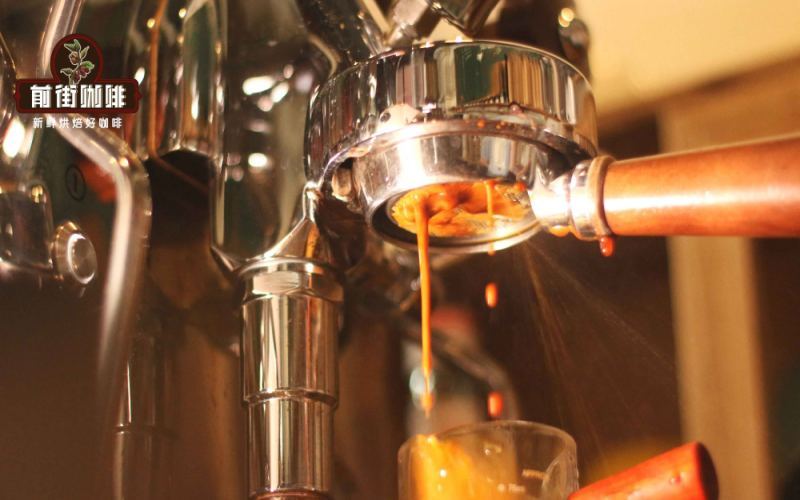
Why Does Espresso Extraction Taste Burnt and Bitter with Channeling? Causes of Channeling and Practical Solutions
When extracting espresso, a suddenly faster flow rate, lighter-colored crema, and a thin body often mean the puck has been pierced by the water flow — what is commonly known as channeling. This article starts with identifying the signs, explains how to spot perforations with the help of a bottomless portafilter, analyzes the main causes such as uneven distribution, insufficient dose, and a clogged dispersion screen, and offers specific solutions including distribution and tamping, adjusting the dose, cleaning the dispersion screen, and choosing suitable espresso beans, to help reduce splattering and bitterness and make espresso extraction more consistent. [more…]
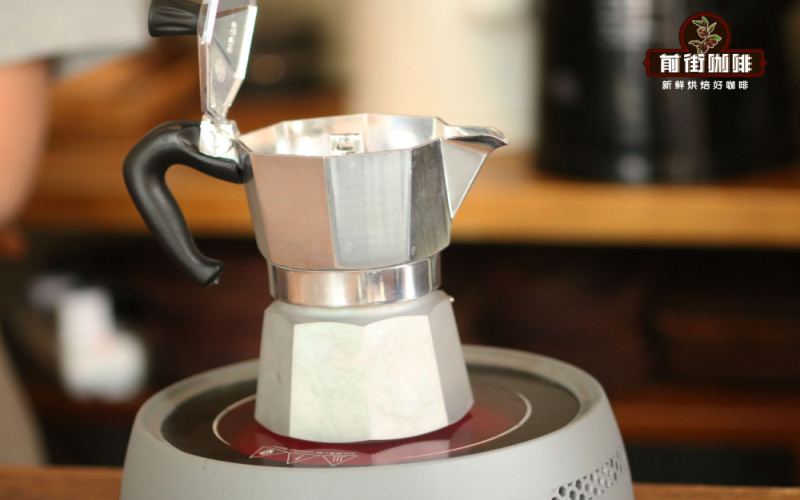
Moka Pot Operation Guide: From Parameters to Practice, Easily Make a Latte
As a home coffee device, the moka pot is known for its convenience. There is no need to be overly rigid in operating it—just get a few key steps right. This article starts with the working principle of the moka pot, explains key points such as coffee bean selection, grind size, water-to-coffee ratio, and heating method, and includes complete steps for making both iced and hot lattes. Whether you are a beginner or an advanced enthusiast, you will find practical references here. [more…]
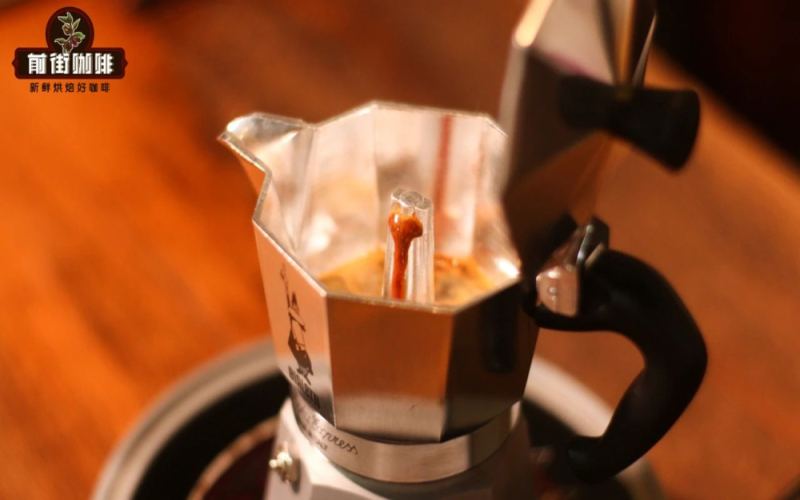
A Complete Guide to Moka Pot Heat Adjustment and Timing: Grind, Water Temperature, Cleaning, and Front Street Coffee Bean Recommendations
The moka pot, a traditional Italian coffee device, seems simple to use, but in reality, the flame intensity and timing of removal from heat greatly affect the flavor. This article provides a detailed breakdown of the moka pot's extraction principles, the differences between single-valve and double-valve models, key points on grind size and tamping, and focuses on answering practical questions such as whether to use high or low heat and when to remove it from the heat. It also offers recommendations for coffee bean selection, suggesting beans suitable for moka pots such as Front Street Black Cocoa Blend, Queen's Farm Brazil, and PWN Golden Mandheling, helping enthusiasts consistently brew rich and full-bodied coffee at home. [more…]
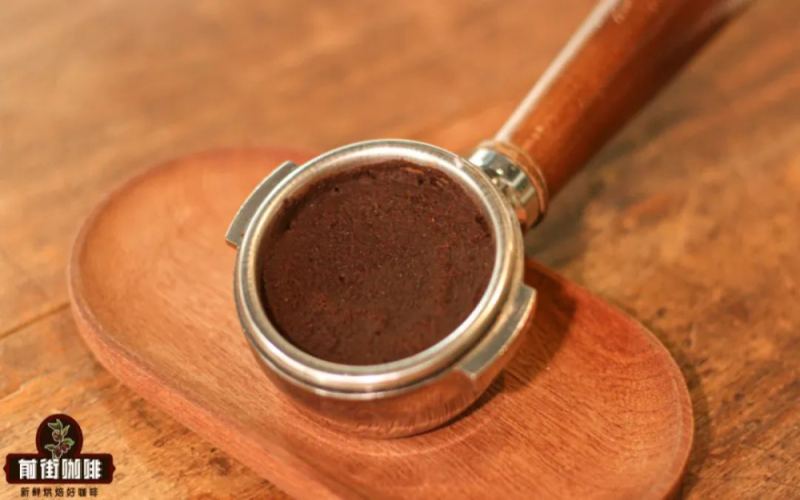
What causes puck channeling during espresso extraction? Understanding the causes, signs, and solutions for channeling.
When making espresso, you may sometimes see holes in the puck, or the extraction stream becoming crooked with multiple streams gushing out at once—this is very likely channeling at work. Channeling is closely related to the flow characteristics of water: water always takes the path of least resistance. Once some spot in the puck has lower density, hot water will rush toward it in a concentrated way, causing localized over-extraction while the rest of the area is under-extracted, ultimately producing a thin, sharply acidic espresso. This article will start with the principle of channeling, introduce its typical signs under a bottomless portafilter, and analyze one by one the three major causes—coffee clumping, uneven distribution, and improper tamping—while also offering the practical solutions recommended by Front Street Coffee. [more…]
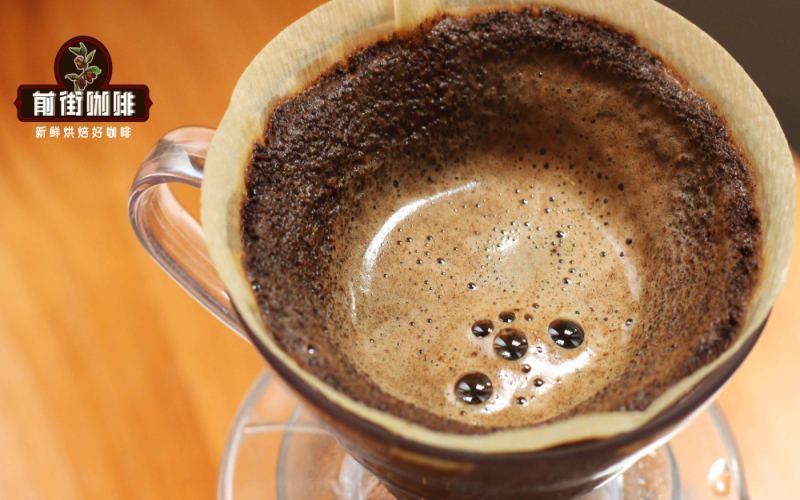
The Complete Moka Pot Guide: From Extraction Principles to Safe Operation, a Great Choice for Home Coffee
In the specialty coffee wave, the moka pot is often labeled as outdated and hard to use, but this simple, affordable home device can actually easily produce coffee at sixty to seventy percent of the level of espresso. From Front Street's perspective, this article systematically explains the moka pot's extraction principles, why it has regained attention in recent years, how to use it to make milk coffee and latte art, and the safety details you must pay attention to during use. It also teaches you how to choose freshly roasted medium-dark roast beans to achieve an ideal layer of crema. Whether you are just starting out or looking to rekindle an old love, this guide can help you safely and consistently enjoy the rich flavor the moka pot brings. [more…]
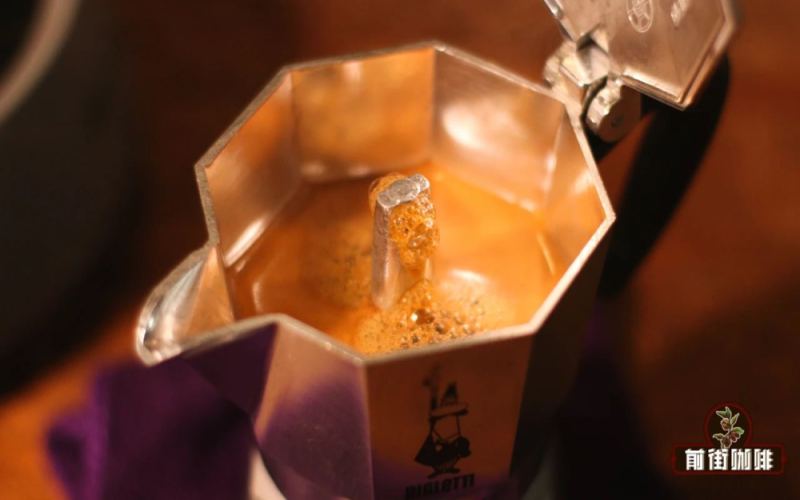
The Complete Moka Pot Brewing Guide: Bean Selection, Grinding, Coffee-to-Water Ratio, and Heat Control Explained
The moka pot is a common device for many home coffee enthusiasts. Its operation does not need to be rigidly constrained by complicated data—as long as you grasp a few key steps, the rest can be flexibly adjusted entirely according to personal taste. This article will systematically sort out the best brewing method for the moka pot from aspects such as coffee bean selection, grind size, coffee-to-water ratio, timing of turning off the heat, and whether to observe with the lid open. At the same time, it will also recommend several Front Street Italian-style blend coffee beans suitable for the moka pot, helping you make a cup of moka pot coffee with rich aroma and balanced taste. [more…]

Espresso Extraction | What are the difficulties for coffee beginners in extracting espresso? What are the precautions for extracting espresso with pre-ground coffee powder?
Many people can't stand drinking espresso on its own; its highly concentrated bitter and burnt taste is often described as being like traditional Chinese medicine. Once diluted with milk or water, however, it becomes much easier for most people to accept. But reality is often cruel—you will inevitably come across coffee that is hard to swallow even after adding milk. In such cases, the coffee is usually [more…]

How Much Pressure Should You Use When Tamping Espresso? An Analysis of How Distribution and Tamping Affect Extraction Consistency
Making a proper espresso seems simple when it comes to tamping, yet it is a key step that affects extraction evenness and consistency in the cup. A flow that is too fast often indicates the tamp was too light, while a flow that is too slow may mean the tamp was too heavy—both directly alter the flavor trajectory of the coffee. Drawing on Front Street Coffee’s hands-on experience, this article outlines the core purpose of tamping, the difference between distribution and tamping, whether a distribution tool is essential, and details such as tamper selection, tamping posture, and pressure control. It also incorporates a comparative experiment with Front Street Coffee’s Sunflower Warm Sun blend to help coffee enthusiasts understand how standardized technique can reduce channeling and make espresso extraction more consistent. [more…]

How High Should the Heat Be for a Moka Pot? A Full Breakdown of Metal Shell Design, Heating Methods, and Coffee Bean Selection
The moka pot is one of the lowest-barrier and least expensive tools for making strong coffee, and for enthusiasts who love espresso-style flavor but aren't ready to buy a semi-automatic espresso machine, it's a very friendly choice. Although it's said that every Italian nonna has one, if you really want to use it well, there are some basics you need to understand in advance. Today, Front Street Coffee will take you into the fun world of the moka pot, focusing on several core questions: flame intensity, the metal body design of the pot, and heating methods. We'll also talk about how to choose coffee beans, how fine to grind, how to fill the basket, how to control the water amount, and when to turn off the heat, helping you easily brew a cup of moka pot coffee with rich crema and aromatic flavor. [more…]
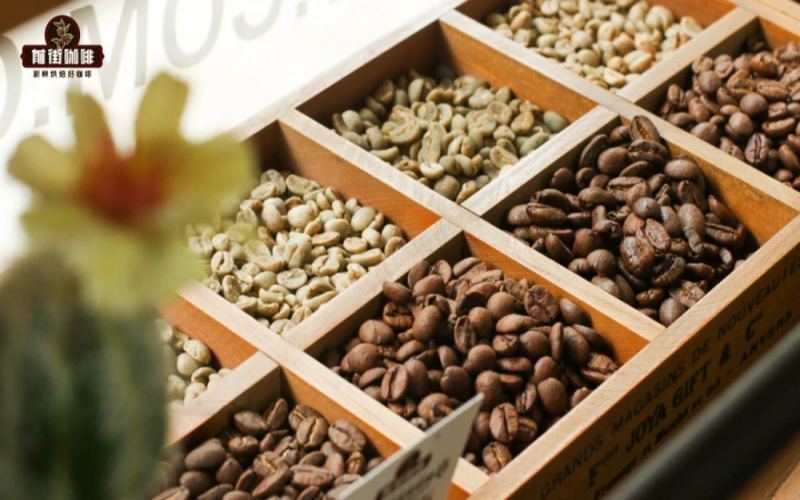
Why does Geisha coffee dominate the specialty coffee world? A full breakdown from Hacienda La Esmeralda grading to moka pot brewing
In the world of specialty coffee, Geisha is undoubtedly the most dazzling variety, appearing frequently in various brewing competitions and often even unanimously chosen by contestants. What exactly is its charm that makes people willing to pay such a high price for it? Today, Front Street Coffee will start with the origin of Geisha, focusing on how Panama's Hacienda La Esmeralda pushed this variety to the altar, as well as the grading logic and respective characteristics of Red Label, Green Label, and Blue Label. In addition, we will also brew a cup of Esmeralda Red Label Geisha with a moka pot to see how this top-tier bean performs in a latte, and share the key details and precautions in operating a moka pot. [more…]
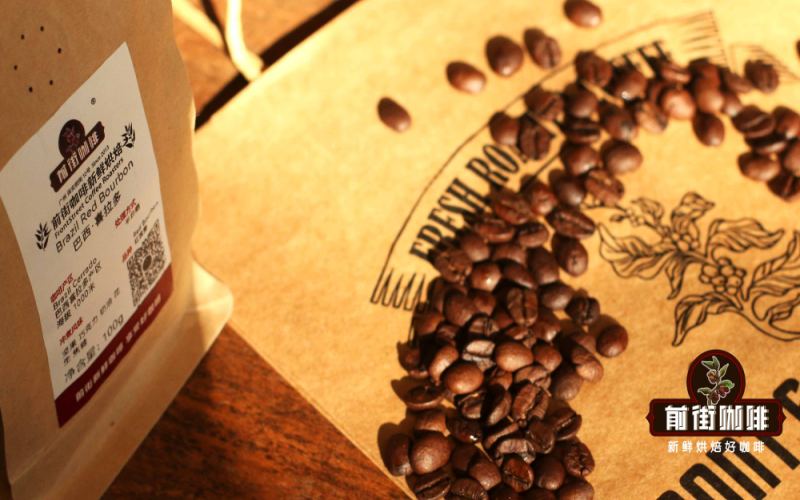
Indonesian Sumatra Golden Mandheling Drip Coffee: A Full Analysis of Medium-Dark Roast Flavor and Moka Pot Brewing
Front Street Golden Mandheling is produced in Sumatra, Indonesia, and is a premium choice within the Mandheling family. It presents herbal notes, caramel sweetness, and steady fruit acidity, with a rich, wild spice flavor and a lingering finish; even when released before second crack, it maintains excellent clarity and sweetness. This article will start from its flavor characteristics, screening process, and roasting interpretation space, explaining in detail the diverse extraction methods for this single-origin coffee, and focusing on the moka pot brewing steps and safety points to help enthusiasts better experience its sweet, mellow richness. [more…]
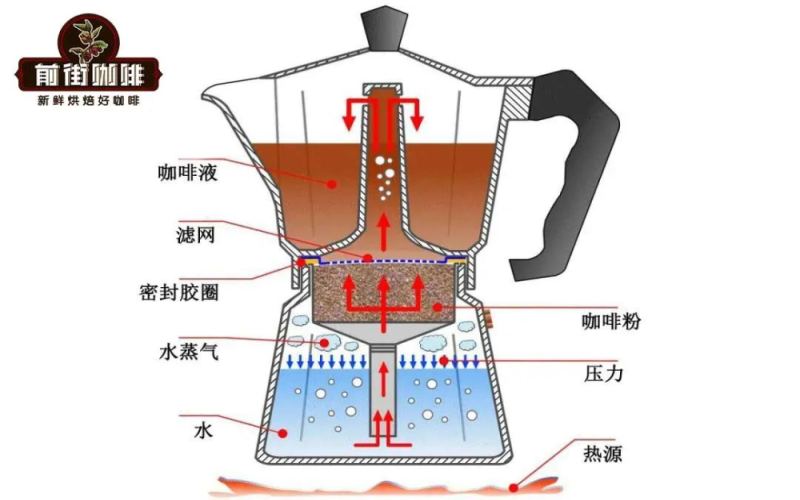
Moka Pot Tutorial | How to Use a Bialetti Moka Pot? How to Brew Delicious Coffee with a Moka Pot? Should You Brew with the Moka Pot Lid Open?
Introduction The moka pot was invented in 1933 by the Italian Alfonso Bialetti. It brews coffee by heating the base, is a type of percolator, and is the most affordable machine for making espresso; it is also commonly used in Italian households. How to make [more…]