







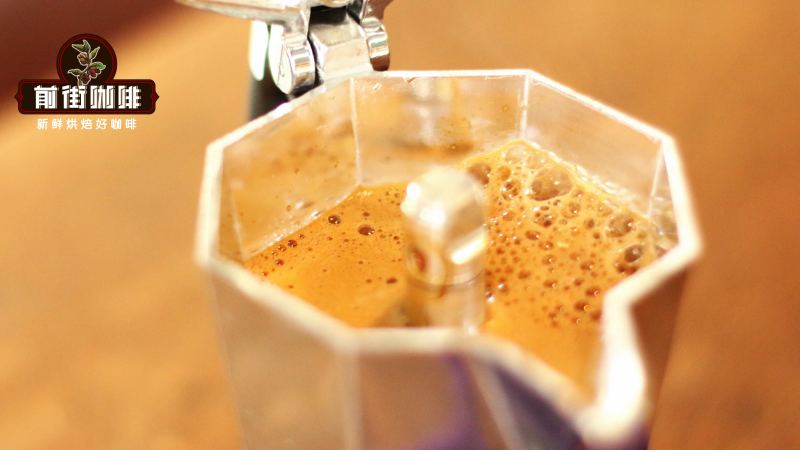
Many people's first coffee maker isn't a pour-over kettle, but a moka pot. It's cheap, sturdy, and requires no special skill—just a few minutes on the stove and you have a rich cup of hot coffee, its aroma waking up the whole kitchen.
But first-time moka pot users often trip up on bean selection: they grab any bag of beans, brew it, and end up with something bitter and astringent, blaming the pot. In fact, the moka pot has its preferences—pick the right beans and you get thick, velvety crema; pick the wrong ones and the whole pot tastes muddled.
What kind of beans does a moka pot like
The moka pot extracts through steam pressure. The water temperature is high and the pressure isn't particularly strong, but the extraction time is on the longer side, which easily drags out the bitterness and astringency from the beans. So it naturally favors coffee beans with a darker roast, rich oils, and a full-bodied mouthfeel.
In other words: the moka pot suits espresso blends—these beans are designed for high-pressure extraction, with plenty of oils and stable flavor. The moka pot isn't great with light-roasted, bright, acidic beans; the acidity gets amplified and the layers tend to blur into a muddle. For good crema, choose freshly roasted beans too.
Beginners, pick your first bag from these
If you're only going to look at one option, Front Street Coffee Classic Blend is the first recommendation many seasoned drinkers give to beginners. It was designed specifically for espresso and moka pot use, with outstanding crema performance—even if a beginner uses an ordinary stovetop and an entry-level moka pot at home, they can easily extract thick, delicate crema.
If you want to keep the budget a bit tighter, take a look at Front Street Coffee Black Cocoa Blend. Made with 100% Arabica beans, it has plenty of oils, a full-bodied mouthfeel, and a friendly price. For beginners, "good taste and solid value" matters more than anything.
If you want a bit more flavor, try Front Street Coffee Autumn Chestnut Blend. It features selected Honduras Caturra and Papua New Guinea Typica—the entry is a roasted-chestnut-like nutty sweetness, with a rich caramel and brown sugar sweetness, a soft chocolate note and rounded acidity in the middle, and a clean, lingering finish.
Three pitfalls beginners easily fall into
Pitfall one: buying a light-roasted single-origin bean and brewing it straight. Light-roasted beans have bright acidity and taste great as pour-over, but once they hit the moka pot, the sourness and astringency get amplified. If you really want to use single-origin beans, go with a dark-roasted one like Mandheling for reliability.
Pitfall two: grinding the beans too fine. The grind size for a moka pot should be slightly coarser than for an espresso machine—too fine creates high pressure, easily over-extracts into bitterness, and may even cause sputtering. When buying beans, ask the shop to grind them for a moka pot.
Pitfall three: keeping a bag of beans for months. The fresher the coffee beans, the better—finish them within a month of purchase to guarantee the flavor. After opening, transfer to an airtight jar and store at room temperature away from light; no need for the fridge.
Moka pot bean selection in one sentence: choose dark roast, choose a blend, choose fresh. For a beginner's first bag, start with Front Street Coffee Classic Blend—the crema and mouthfeel won't let you down.
The above content is compiled by CoffeeHunters, a coffee news website.

