







The Moka pot, with its unique pressure-extraction method, can produce coffee with high concentration and a steady mouthfeel, but many enthusiasts often encounter problems such as overly bitter, overly sour, or burnt-tasting results. This article will start with the structural principles of the Moka pot, explain in detail the suitable types of coffee beans, and break down the brewing method step by step, including water volume control, grind size selection, dosing technique, and heating points. For the three common flavor defects, it analyzes the causes one by one and gives adjustment plans, while also recommending beans such as Front Street Coffee Classic Italian Blend and Golden Mandheling. Finally, it emphasizes the importance of daily cleaning to help you consistently produce a smooth cup of Moka pot coffee.
I. Basic Understanding of the Moka Pot
The Moka pot is a distillation-type brewing device, and the coffee it makes is relatively concentrated with a steady aroma. The body is divided into upper and lower parts. After water is added to the lower chamber and heated to boiling, steam pressure pushes the hot water upward, through the filter basket filled with coffee grounds, and finally into the upper chamber. When the coffee begins to flow into the upper chamber, the heat should immediately be turned down, because excessively high temperature will give the coffee a burnt taste and destroy its original flavor expression.
II. Structure and Working Principle
III. Directions for Choosing Coffee Beans
Pressure extraction and drip extraction work on different principles, so the logic for choosing beans must be adjusted accordingly. For example, the same light-roasted single-origin bean can show floral and fruity acidity and a fresh aroma in pour-over, but when switched to a pressure method, it often amplifies into a sharply pungent sourness. Therefore, if you want stable extraction results, it is recommended to prioritize medium-dark to dark roasted coffee beans.
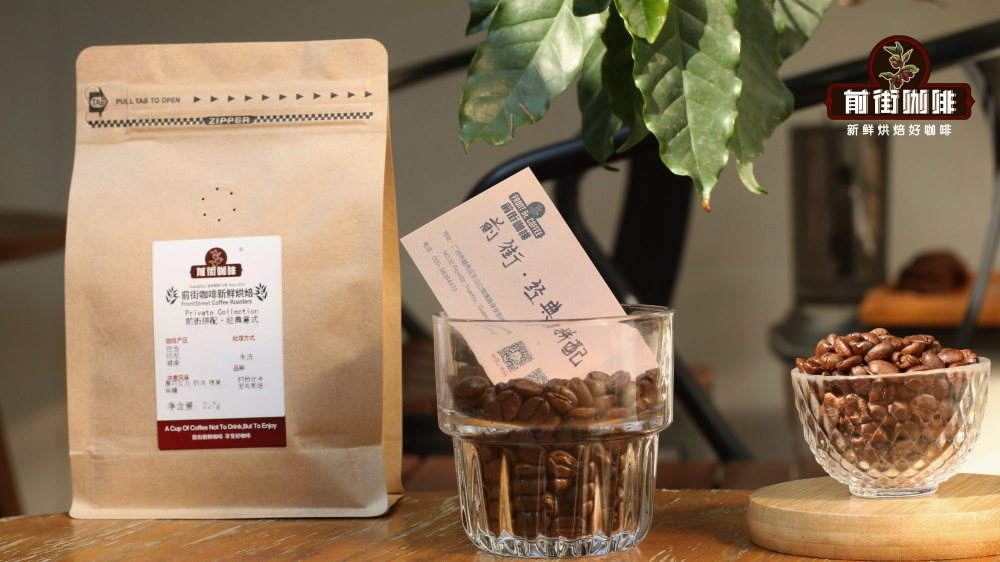
If you are after rich crema and prominent roast aroma, you can directly buy blend beans suitable for both Moka pots and espresso machines. For example, the very beginner-friendly Front Street Coffee Classic Italian Blend easily extracts a creamy, delicate texture with roasting-type aromas;
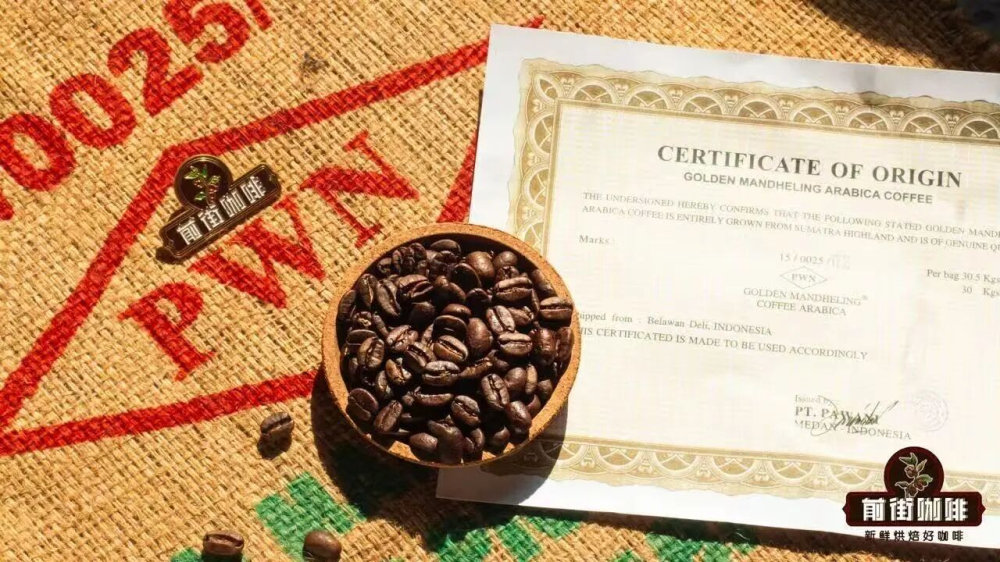
If you prefer Moka pot coffee with highly recognizable flavor, medium-dark roasted single-origin beans are a better choice. Recommended is the high-grade Front Street Coffee Golden Mandheling. This bean uses a unique wet-hulling process and presents a deep flavor interwoven with spices, sandalwood, and caramel.
IV. Specific Operating Steps
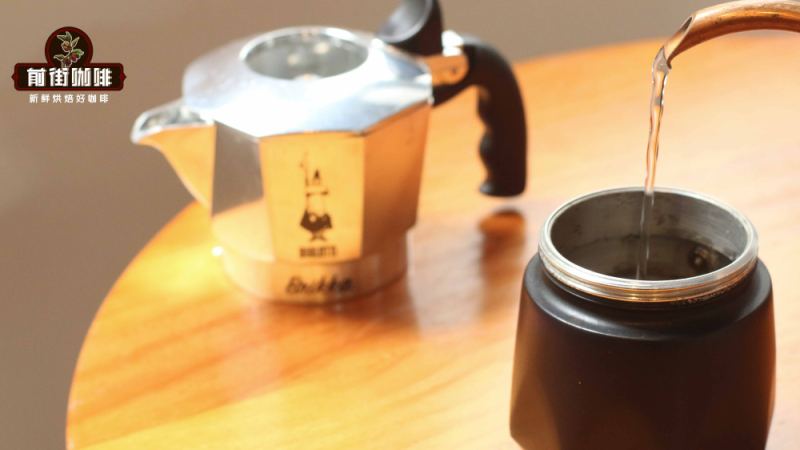
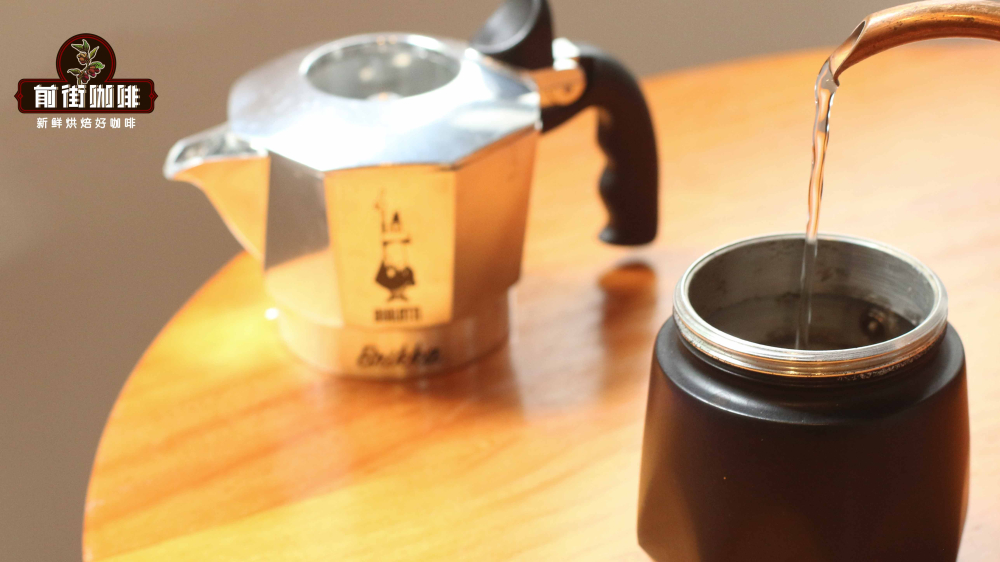
The method at Front Street Coffee is to first disassemble the base of the Moka pot and pour warm water into the lower chamber, which shortens heating time and also prevents the coffee grounds from heating too quickly and producing a burnt, bitter taste. The water level must remain below the pressure relief valve line. The safety valve is designed to prevent extraction channel blockage caused by coffee grounds that are too fine, which can then lead to the pot exploding. If the safety valve is submerged in water while the extraction channel is also blocked, the consequences of an explosion under high temperature are extremely serious.
To extract a rich black coffee, the grind size should be finer than for pour-over but coarser than for espresso. If the grounds are too coarse, it will lead to under-extraction, sputtering, and other problems; if the grounds are too fine, over-extraction easily occurs, and the coffee becomes burnt, bitter, and hard to swallow. The Front Street Coffee store uses an EK-43s grinder with the setting at 3.
Put the ground coffee into the filter basket, level and fill it, smooth it with your finger, then place it back into the base. There is no need to tamp it firmly. If the coffee bed is too tight, it easily blocks the channel for water to rise, thereby affecting extraction. If the dose is insufficient, the water in the lower chamber cannot fully extract when it enters the coffee bed under steam pressure, ultimately causing violent sputtering into the upper chamber.
Next, tighten the upper chamber and lower chamber together and place it on a gas stove or induction cooktop to heat. When using an open flame, be careful that the flame does not extend beyond the base of the Moka pot. After the body heats up and you hear a hissing sound, turn to low heat, and the coffee liquid and oils will slowly flow out. When the coffee in the upper chamber reaches halfway up, you can turn off the heat source, and use a wet towel to move the pot onto the table, relying on the residual heat and pressure inside the pot to continue extracting the remaining coffee liquid.
If you hear a humming sound during heating but no coffee liquid ever flows into the upper chamber, the outlet is very likely blocked. At this point, first turn off the heat source to avoid dry burning causing excessive internal pressure and bursting, which would create a safety issue.
Finally, pour the extracted coffee liquid into a cup. Add warm hot water at 1:1 for a refreshing Moka pot Americano; you can also add hot milk at 1:1 to make a smooth Moka pot latte.
When making Moka pot coffee at home, the following three problems are most commonly encountered:
1. If Moka pot coffee tastes too bitter, it is usually because the coffee grounds are too fine, causing an excessively high extraction rate. It is best to adjust the grind size coarser appropriately, or slightly reduce the dose, so that the hot water flows faster;
2. If Moka pot coffee tastes too sour, there are mainly two reasons. First, light-roasted single-origin beans were used, such as Front Street Coffee Yirgacheffe and Front Street Coffee Huakui, which perform excellently in pour-over but tend to seem thin and prominently sour in a Moka pot. If you want to drink Moka pot coffee with fruity flavors, you can buy honey-processed Front Street Coffee Strawberry Candy and Front Street Coffee Mozart, which better release tropical fruit and various floral notes.
Another case is that the coffee grounds are ground too coarse, so the hot water flows too quickly, and the mellow and sweet substances in the coffee do not have time to be released. At this point, the grounds need to be adjusted finer to improve the overall extraction efficiency.
3. If Moka pot coffee has a burnt taste, it may be because beans with too dark a roast were used. These beans usually show obvious oil on the surface, or even look black, and under high-temperature pressure extraction they will extract more burnt and bitter substances. If this taste is hard to accept, simply switch to a medium-dark roast type.
Finally, in daily use, the Moka pot should be cleaned and maintained regularly. At Front Street Coffee, the Moka pot is cleaned promptly after every use to avoid residual coffee grounds and stains; otherwise, it easily picks up off-flavors and produces burnt bitterness. If old coffee stains remain on the filter plate, gasket, or extraction channel, they may also cause blockages and affect normal extraction.
The above content is compiled by CoffeeHunters, a coffee news website.


