








It's not hard to notice that in almost all moka pot tutorials, we're instructed to fill the basket completely, then screw it tightly onto the upper and lower chambers before brewing. In other words, whatever size moka pot you buy, you'll need to brew a corresponding amount each time.
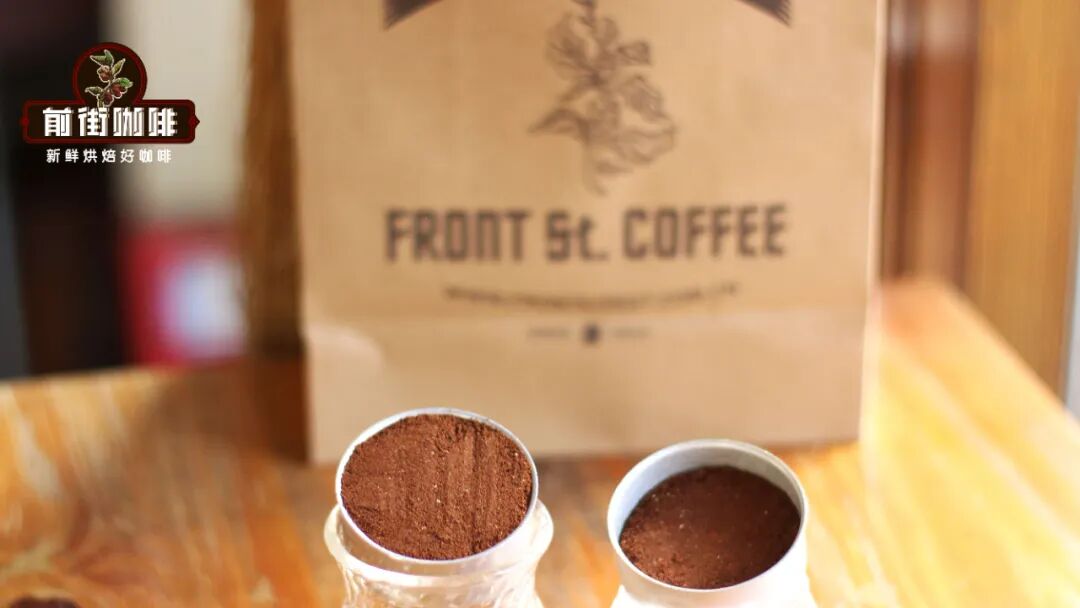
But some friends say they occasionally just want to drink "half" a cup—so can we reduce or halve the amount of coffee grounds like with other brewing methods? Will the reduced-amount coffee still have crema? Will it taste good? Today, Front Street is here to find the answers to these questions.
Full Basket vs. Half Basket
As the saying goes, experimentation reveals the truth. To find out whether "reducing the grounds" is feasible, a side-by-side comparison will clear things up.

In the experiment, Front Street will first fill one moka pot's basket completely and level it, then pour in water up to just below the pressure relief valve—that's 150g. The other pot's basket will be filled with only half the coffee, then the surface of the grounds will be leveled. Also, considering the reduced amount of coffee, and to keep the concentration from dropping too much, Front Street reduces the water in the second moka pot to 105g.
To make the experiment results clearer, this moka pot comparison will use Front Street Colombia Huila, a medium-dark roasted coffee bean that typically shows deep flavors like roasted nuts, dark chocolate, and caramel when pour-over brewed.In pressure-based extraction, it also produces a beautiful golden crema, suitable for espresso machines,moka pots, drip brewing, and various other extraction methods.

We heated the two pots separately, observed and recorded their extraction, and finally tasted them as moka pot americano.
Coffee beans: Front Street Colombia Washed Huila
Dose: 16g & 8g
Grind size: fine salt (EK-43s #3 setting)
Water: 150g & 105g
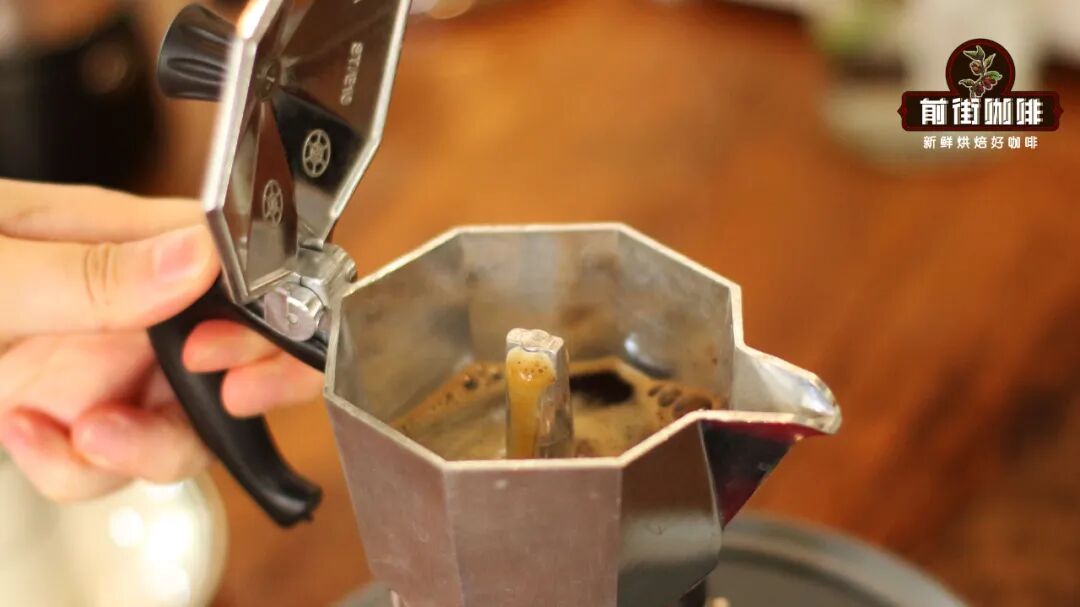
Full basket:Shortly after the hissing sound began, dark brown foam was seen emerging first, the coffee liquid flowed relatively evenly, and the color was rich, with no sputtering throughout. After removing from the heat, the foam on top also lasted quite long—the coffee liquid still maintained it for nearly 5 minutes after being poured into the cup.

Half-filled basket: Although this moka pot also didn't sputter, the sound was much louder than the first group. By comparison, the foam was not only thin but the flow rate was very rapid, showing signs of gushing midway, and the color faded accordingly. By the time it was poured into the coffee cup, before Front Street could even take a photo, the foam on top had already completely dissipated.
Taste Comparison
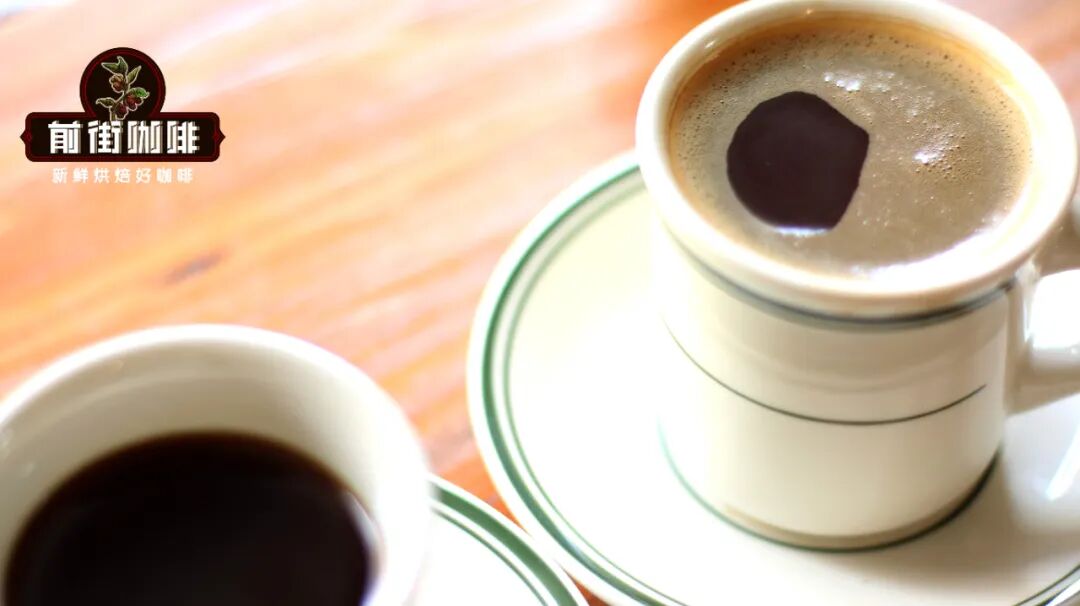
The americano made from the first moka pot was slightly sweet-bitter but not astringent on entry, very strong in flavor, with a roasted aroma carrying notes of roasted hazelnut and almost no acidity. The coffee extracted from the second moka pot, however, didn't have much aroma, tasted like burnt wood, and had pronounced acidity, leaving no desire to keep drinking.
What factors does reducing the dose affect?
The principle of brewing coffee with a moka pot isn't complicated—it's about heating the lower chamber so the water inside produces steam pressure. When it reaches a certain level, the hot water is continuously pushed upward, passing through the coffee basket along the way. The coffee grounds create a certain resistance against it, and once the resistance is overcome, it surges into the upper chamber, forming fresh coffee liquid.

Therefore, the less coffee used, the less resistance the hot water encounters, and the easier it is for the coffee liquid to enter the upper chamber. First, this shortens the extraction time, causing the coffee to taste sharply sour. Second, the constant scouring of hot water causes over-extraction of the bottom layer of grounds, making the coffee unbearably bitter.
Front Street often mentions in espresso extraction articles that water is lazy—it will preferentially choose the "path" with less resistance, commonly known as "channeling." So besides the change in resistance, reducing the dose also leaves a certain space inside the basket. When hot water moves upward, it will preferentially pass through the loose layer of grounds and directly reach the upper chamber, and this portion of coffee liquid will most likely be under-extracted.

Can you use only half the coffee in a moka pot? How should you do it?
Since we know the key cause of coffee sputtering is that reducing the dose lowers the resistance the hot water faces, then to keep the moka pot in a moderate extraction state after reducing the dose, the puck needs greater resistance against the hot water. Theoretically, without changing the dose, to increase pressure you either grind finer or use external force to compress the gaps between particles. After several rounds of trying, Front Street prefers the latter, and the operation is very simple.
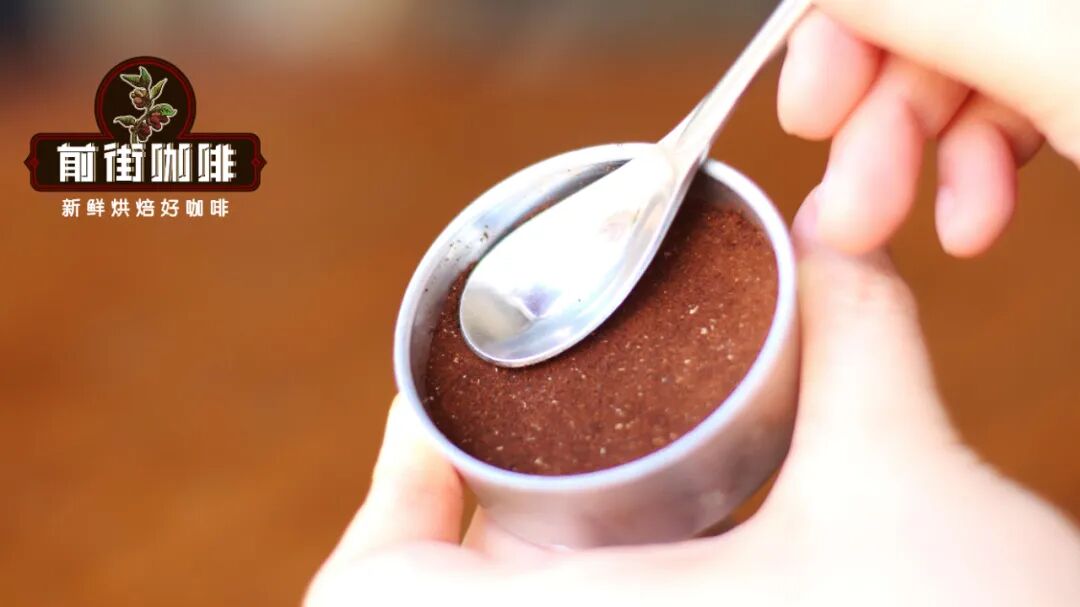
Here we'll still use Front Street Huila for demonstration. We pour the ground 8g of coffee into the basket, first gently tap left and right to let the fluffy coffee naturally settle down and make the particles pack tightly together, then find a small spoon and use its back to gently "press" the layer of grounds until it's completely compressed to about half its height.
To avoid over-extraction from the hot water contacting the thinned layer of grounds for too long, before loading the basket we first pour half the amount of hot water into the lower chamber, which effectively shortens the heating time. When the moka pot's output fills the bottom, we immediately remove it from the heat, then use the residual heat to release all the remaining coffee liquid.
This adjusted method indeed showed no signs of "spurting," and because the lower chamber heats up faster, the released coffee liquid even had a small layer of foam, and the concentration was considerably higher.
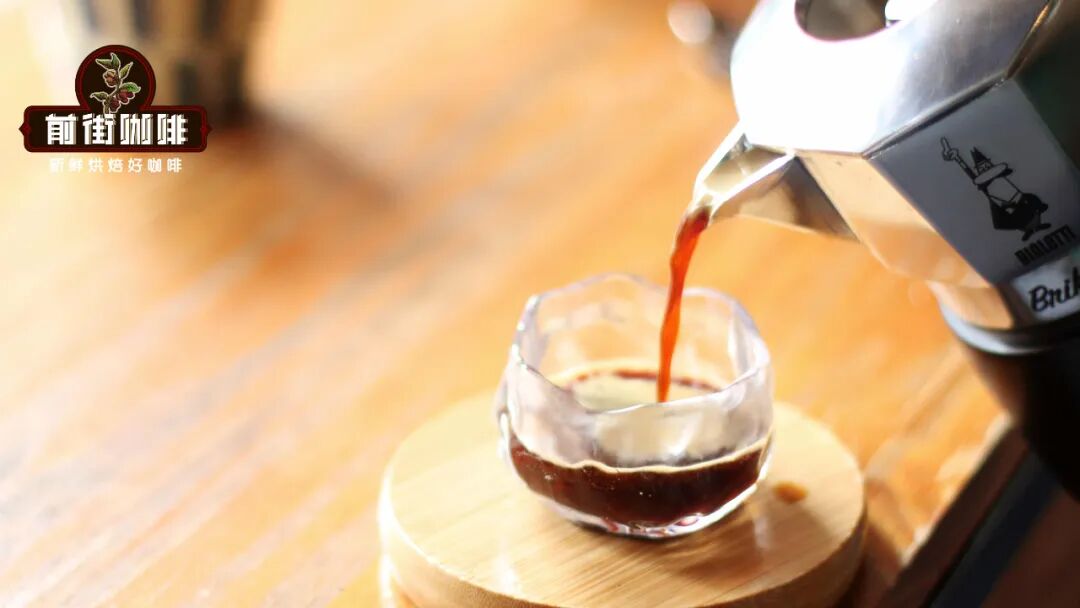
Front Street made this "half-batch moka pot coffee" into an iced milk coffee at a 1:3 ratio. On entry, it had the rich aroma of cocoa, cream, and roasted rice cakes—balanced and full-bodied, absolutely a fine pick-me-up drink.

The above content is compiled by CoffeeHunters, a coffee news website.


