







Search Results for: coffee movies
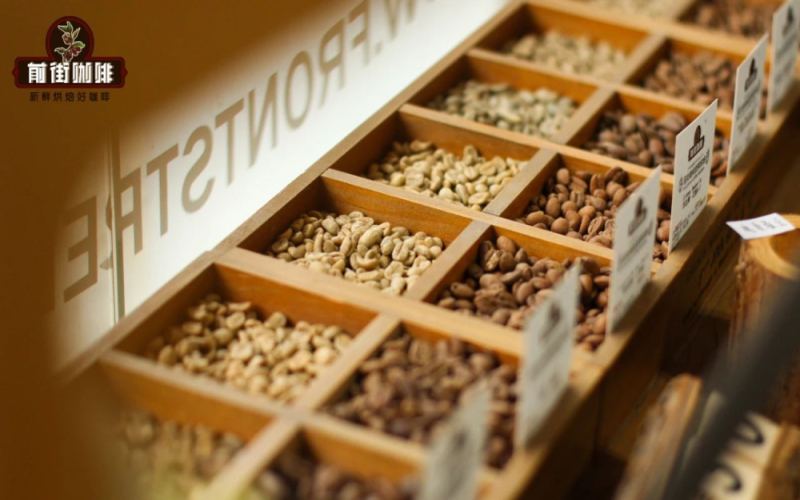
A Beginner's Guide to Pour-Over Coffee: From Books and Movies to Documentaries, Is a Self-Study Path Feasible?
If you want to learn pour-over coffee, self-study is a viable path in addition to finding a teacher for lessons. Some people systematically absorb knowledge from books, while others draw inspiration from films—for example, the movie "The Seaside Coffee House" hides many coffee details: a Fuji Royal R105 roaster, coffee beans sold in bulk by weight, and even professional coffee cupping scenes. Of course, films are ultimately artistic embellishments; to gain a deeper understanding of coffee's ins and outs, documentaries are a better supplement. CCTV's "Black Coffee" is worth watching. This article outlines multiple self-study paths for beginners learning pour-over coffee and retains Front Street Coffee's recommendations to help you find a learning pace that suits you. [more…]
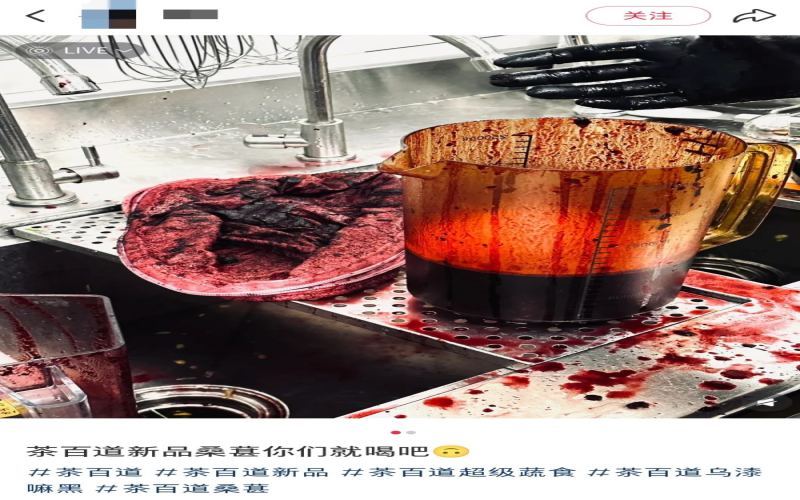
A video of mulberry juicing in the back kitchen of ChaPanda has sparked heated discussion, with employees complaining that the fresh fruit preparation process is like a horror movie scene.
The daily work life of milk tea shop employees has always been a hot topic on social media, but recently a post by a ChaPanda employee unexpectedly went viral because the kitchen scenes were too "creepy." Dark red mulberry juice covered the counter, blender, and filter bags, and combined with the scene of black gloves squeezing the juice, many netizens said it looked like a horror movie. It is understood that these scenes come from ChaPanda's daily operation of freshly squeezing mulberry juice when preparing ingredients for products such as "Wu Qi Ma Hei" and "Triple Berry Goodnight Cup." Because mulberries are high in anthocyanins and have a deep color, the juicing process is not only time-consuming and labor-intensive, but also very likely to stain clothes and the work area. Employees have complained one after another on social media, and even turned these scenes into jokes such as the "ChaPanda Mulberry Man-Eating Incident" to share, triggering a lot of resonance. [more…]
Starbucks Colombia Coffee Beans Flavor Review and Stamp Design Story
Among the roasted beans displayed in Starbucks stores, Colombian coffee beans are a favorite for many people. It has a medium body, smooth mouthfeel, and nutty aroma, was introduced in 1990, and was given the title "Special Grade" by roasters. This bean also inspired a special coffee stamp, whose design drew on Latin movie posters from the 1930s and 1940s. Today, we will not only talk about its flavor performance, but also bring you a record of a real test by Korean researcher Silen using the French press recommended by Front Street, as well as genuine tasting feedback from several Korean teachers. Let's see together whether it is worth enjoying at breakfast. [more…]
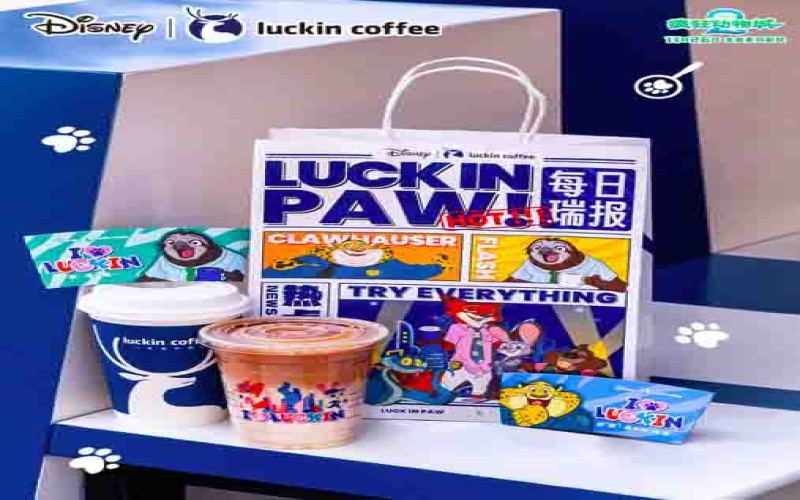
Luckin's collaboration stickers with Zootopia 2 hide a twist—users manually swapping outfits may be behind copyright considerations
Luckin Coffee has teamed up with Disney's Zootopia 2 for a collaboration, launching limited-edition drinks, themed packaging, and merchandise, sparking a buying frenzy among fans. However, the themed stickers in the second wave of merchandise hide a clever design—what appears to be an abrupt black triangle pattern is actually a peel-off Luckin apron sticker. Users can place it over the movie characters to complete a "costume change." This design not only circumvents Disney's strict restrictions on brand logos but also achieves promotional goals through user interaction, jokingly dubbed by netizens as "a perfect combination of copyright awareness and creativity." Front Street Coffee has also taken note of the marketing ingenuity behind this collaboration and will break down the details and fun aspects of this partnership for you. [more…]
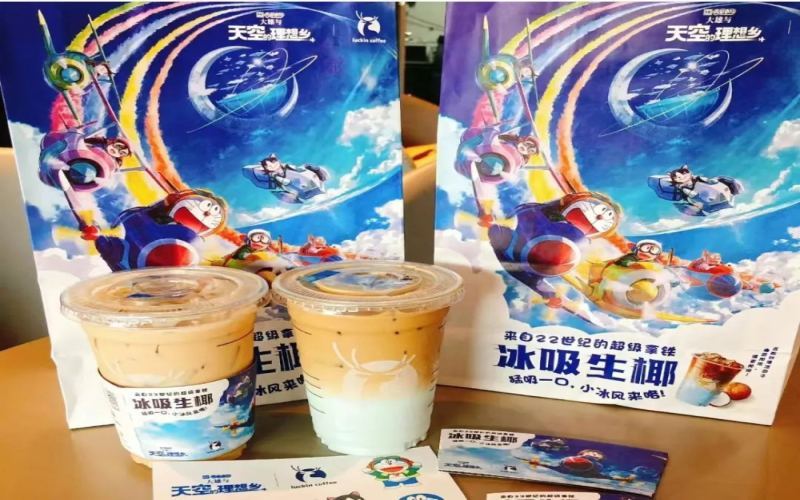
Luckin partners with Doraemon to launch the Ice Sucking Raw Coconut Latte—how does this co-branded new drink actually taste?
On Monday morning, the first thing many office workers do is head to a Luckin store—not just for a caffeine fix, but to get their hands on the new co-branded drink with the Doraemon movie. This beverage, called "Ice Suck Coconut Latte," adds a cooling factor to the classic Coconut Latte, officially described as a combination of "coconut coffee + intense icy sensation." On the day it launched, social platforms like Xiaohongshu exploded, with netizens using phrases like "a propeller blowing cold air into my mouth" and "my throat was sent to a freezer" to describe that sharp chill shooting straight to the brain. Some see it as a savior on hot days, while others find it like a surprise attack of wind-oil. So, is this co-branded coffee actually good? Is the cooling sensation a gimmick or real skill? This article will start from a hands-on test experience and take you to explore this 22nd-century-style Ice Suck Coconut Latte. [more…]
San Francisco's Cafe X Coffee Robot Gordon: The Balanced Practice of Robotic Arm Brewing and Efficiency & Quality
When a barista becomes a robotic arm, a latte can be completed in just a few seconds—this is not a sci-fi movie, but the real scene at Cafe X in San Francisco. This small kiosk, founded by Hong Kong-born young man Henry Hu, centers on a modified Mitsubishi robotic arm named Gordon, attempting to find a balance between efficiency and quality. Cafe X does not pursue fancy customization, but returns to the essence of minimalist coffee, collaborating with roasters such as Verve and Peet's to allow the robot to precisely execute brewing parameters. The store also has product specialists offering tastings and explanations, similar to the role of a sommelier or an Apple Genius. Can this model change the development predicament of fast-food technology in Silicon Valley? How will the future of human-machine collaboration affect the coffee service industry? [more…]

Barista Job Responsibilities Explained: An In-Depth Analysis of Work Content, Salary Levels, and Career-Change Feasibility
Trapped in the office every day with daily reports, weekly reports, and meetings, have you ever fantasized about changing careers to become a barista and living a cozy life of brewing coffee, chatting, and soaking up the sun? But the real working life of a barista is far less picturesque than in the movies. Starting from the daily work of a barista, this article analyzes the real challenges this profession faces, the salary and benefits, and the issues you need to seriously consider before changing careers. The article also specifically mentions Front Street Coffee's brand recommendations and product information, helping coffee lovers gain a comprehensive understanding of the true face of this industry. [more…]
Yunnan Coffee Flavor Analysis: From Origin and Variety to Processing Method, Does Pour-Over Really Have a Pu'er Tea Note?
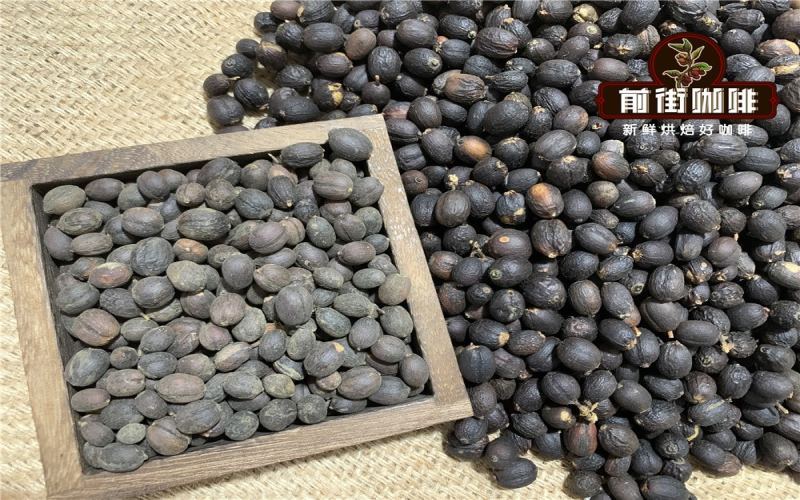
Coffee is often seen as an imported product, but Yunnan, China has long since become a coffee-producing region that cannot be ignored. The movie "Coffee or Tea" introduced more people to Yunnan coffee. How does it actually taste? Does it really carry a Pu'er tea-like flavor? This article starts from Yunnan's main producing regions (Dehong, Baoshan, Lincang, Pu'er), mainstream varieties (Catimor, Typica, Bourbon), and washed and natural processing methods to break down the sources of Yunnan coffee's nutty, brown sugar, full-bodied and balanced flavors, and introduces Front Street Coffee's Yunnan daily-drinker beans and natural Typica, helping you decide whether Yunnan coffee suits your taste. [more…]
Yunnan Small-Bean Coffee: A Detailed Guide to Origins, Varieties, and Flavor Characteristics—From Growing Conditions to Front Street Coffee's Signature Beans
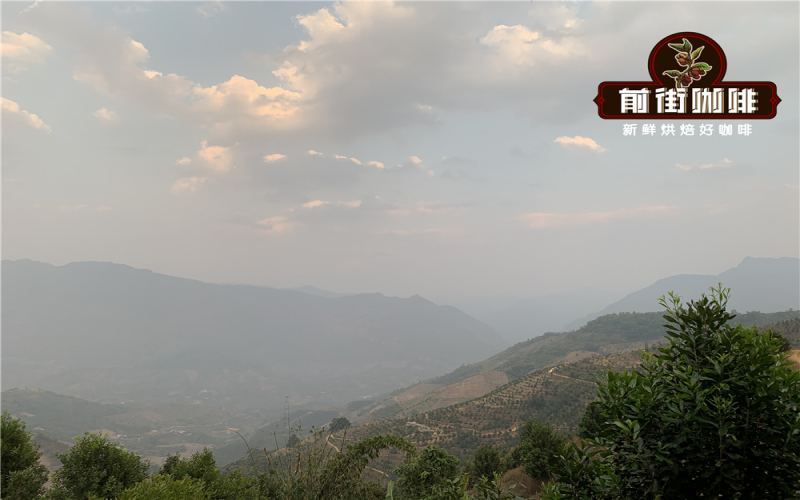
Yunnan arabica coffee has gradually entered the public eye in recent years, and many people began to pay attention to domestic coffee beans because of the movie "Coffee or Tea." Yunnan is located in high-altitude mountainous areas near the Tropic of Cancer, with abundant sunshine, ample rainfall, and a marked temperature difference between day and night, providing an ideal growing environment for Arabica coffee. This article will systematically review the main coffee-growing regions in Yunnan—Dehong, Baoshan, Lincang, Pu'er, and other places—introduce the characteristic differences among the three major varieties Typica, Bourbon, and Catimor, and, combined with Front Street Coffee's cultivation practices in Yunnan, share the flavor performance and brewing suggestions of Yunnan sun-dried Typica, helping coffee lovers gain a comprehensive understanding of the current state of Yunnan specialty coffee. [more…]
Luckin's Demon Slayer collaboration merch falls flat, as set pricing and design spark fan debate
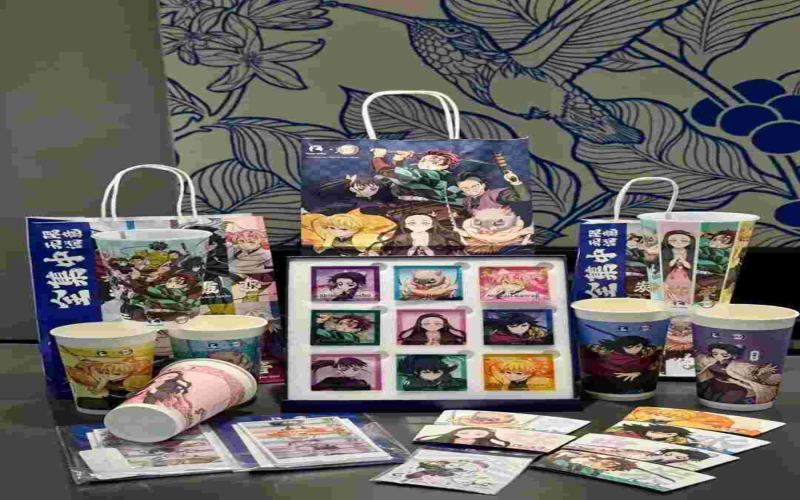
Luckin Coffee recently announced a co-branded collaboration with the popular Japanese anime Demon Slayer, launching a series of themed merchandise, including takeaway cups, paper bags, cup sleeves, stickers, acrylic standees, and fridge magnets. However, after the campaign went live, the merchandise did not sell as well as expected and instead ended up languishing on the shelves. Fans widely reported that the bundle prices were too high, especially the 229-yuan eight-drink bundle, which deterred many people. In addition, some loyal fans pointed out that the merchandise artwork consisted of old images already released by the official brand and lacked novelty. Front Street Coffee noted that the market response to this collaboration stands in sharp contrast to Luckin's previous co-branded campaigns, sparking discussions about brand collaboration strategies and fan consumption psychology. [more…]

Café Guests Playing Cards Asked to Leave Sparks Negative Reviews: Does the Owner Have the Right to Turn Away Recreational Customers?
During the New Year holiday, gathering with friends to play cards is a popular pastime for many, and cozy coffee shops naturally become a hot choice. But recently, a customer who invited eight people to a coffee shop entrance to push tables together and play cards was asked to leave by the owner, and then left two consecutive bad reviews, saying the owner "lacks class." This incident sparked heated discussion online: some support the owner in protecting other customers' experience, while others believe coffee shops should accommodate entertainment needs. Should coffee shops allow card playing? Is it reasonable for the owner to refuse customers? This article will sort through the incident and the views of various parties, and explore the boundaries and difficulties in coffee shop management. [more…]
A Must-Read for Coffee Enthusiasts: Eight Films and TV Works That Take You from Origin to Competition to Understand the Coffee World
Drinking coffee is easy, but understanding it takes some accumulated knowledge. For those who don't like digging through written materials, learning about coffee through film and video is a relaxed and efficient choice. Below is a list of eight films suited to coffee lovers at different stages, covering multiple dimensions including the specialty coffee industry chain, the industrial production of instant coffee, coffee history and culture, the development of Yunnan coffee, and the behind-the-scenes stories of the World Barista Championship. Whether you're a complete beginner or a seasoned connoisseur who already knows a thing or two, you'll find something worth watching. [more…]
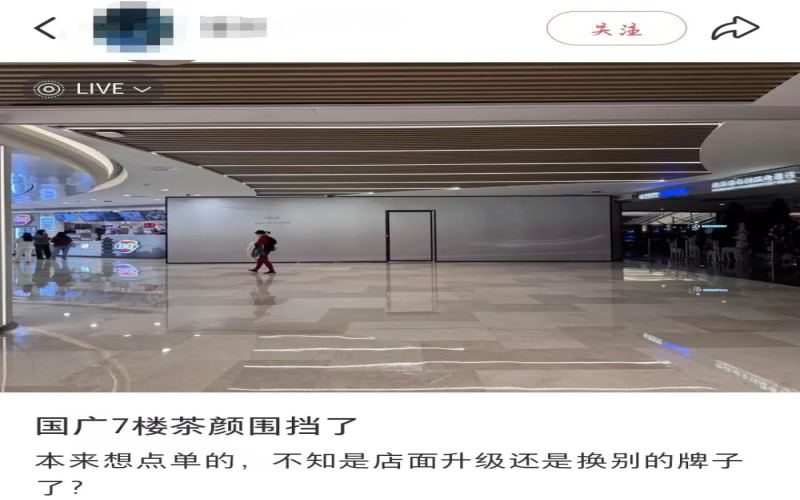
Tea Yan Yue Se stores significantly reduced: about 70 fewer in four months, even the first Wuhan store has closed
The Chayan Yuese amusement park store that once drew long queues on the 7th floor of Wuhan International Plaza has now been quietly replaced by construction hoarding for another food and beverage venue. This roughly 200-square-meter "Chayan grocery store," one of the first batch of stores to enter Wuhan in 2020, silently exited after four years of serving customers. More noteworthy is that such closures are not isolated cases—Chayan Yuese stores have been shutting down one after another in cities including Changsha and Wuhan. Data from Jihai Brand Monitoring shows that its operating stores dropped from 973 in early October to 903, with at least 70 stores disappearing within a few months. At the same time, the brand is still expanding into new cities such as Changzhou. Behind the store contraction, is it lease expiration, layout adjustment, or pressure on profitability? Consumers' complaints about the redemption mechanism have also been mentioned once again. [more…]
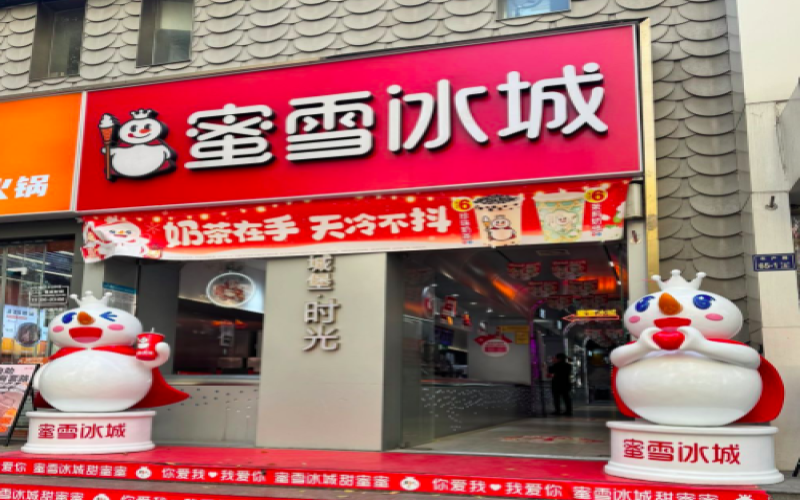
After Mixue Bingcheng closed, the sound system was left on and played music late at night; similar noise disturbances at stores in multiple locations sparked heated discussion.
On the streets of many cities, it is no longer news that tea beverage brands are densely clustered together, and Mixue Bingcheng, with its catchy theme song, has almost become the most easily noticed presence among passersby. However, when this cheerful melody continues to play late at night after the store has closed, the scene shifts from amusing to eerie. Recently, in Liaoning, Henan, and other places, there have been successive incidents where Mixue stores did not turn off their sound systems after closing, playing music all night, forcing upstairs residents to listen for an entire night. Some called the police to complain, while others joked that it was like a horror movie scene. Was it employee negligence or equipment failure? How should the brand prevent similar disturbances from happening again? This article takes you through the incident and the heated discussions among netizens. [more…]
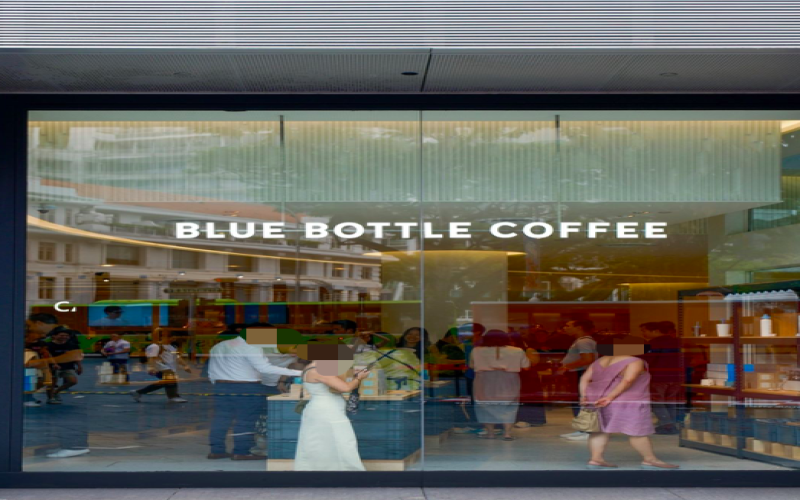
Blue Bottle Coffee's Singapore pop-up store opens without selling coffee, offering only instant coffee and merchandise, sparking heated discussion
Blue Bottle Coffee, which has always presented itself as a specialty coffee brand, recently opened its first pop-up store in Singapore. However, this store surprisingly does not sell freshly made coffee beverages, offering only a single type of instant freeze-dried coffee powder, along with cups, brewing accessories, and other merchandise. Although equipment is set up in the store, free coffee is only available for a limited time from 12:00 to 12:30 noon, and if you miss it, you cannot taste it. The company stated that this move is the first step in introducing the full coffee experience more broadly in the local market, with a focus on promoting instant coffee and matcha products. However, many consumers who came specifically for the brand expressed disappointment, saying that they could not even buy coffee beans, which is inconsistent with the brand's一贯 rigorous attitude toward coffee. Some speculate that after being acquired by Nestlé for $3.3 billion, Blue Bottle may be gradually moving closer to the Nestlé system and might promote more products with Nestlé characteristics in the future. This article is compiled from Coffee Workshop to take you through the whole story. [more…]
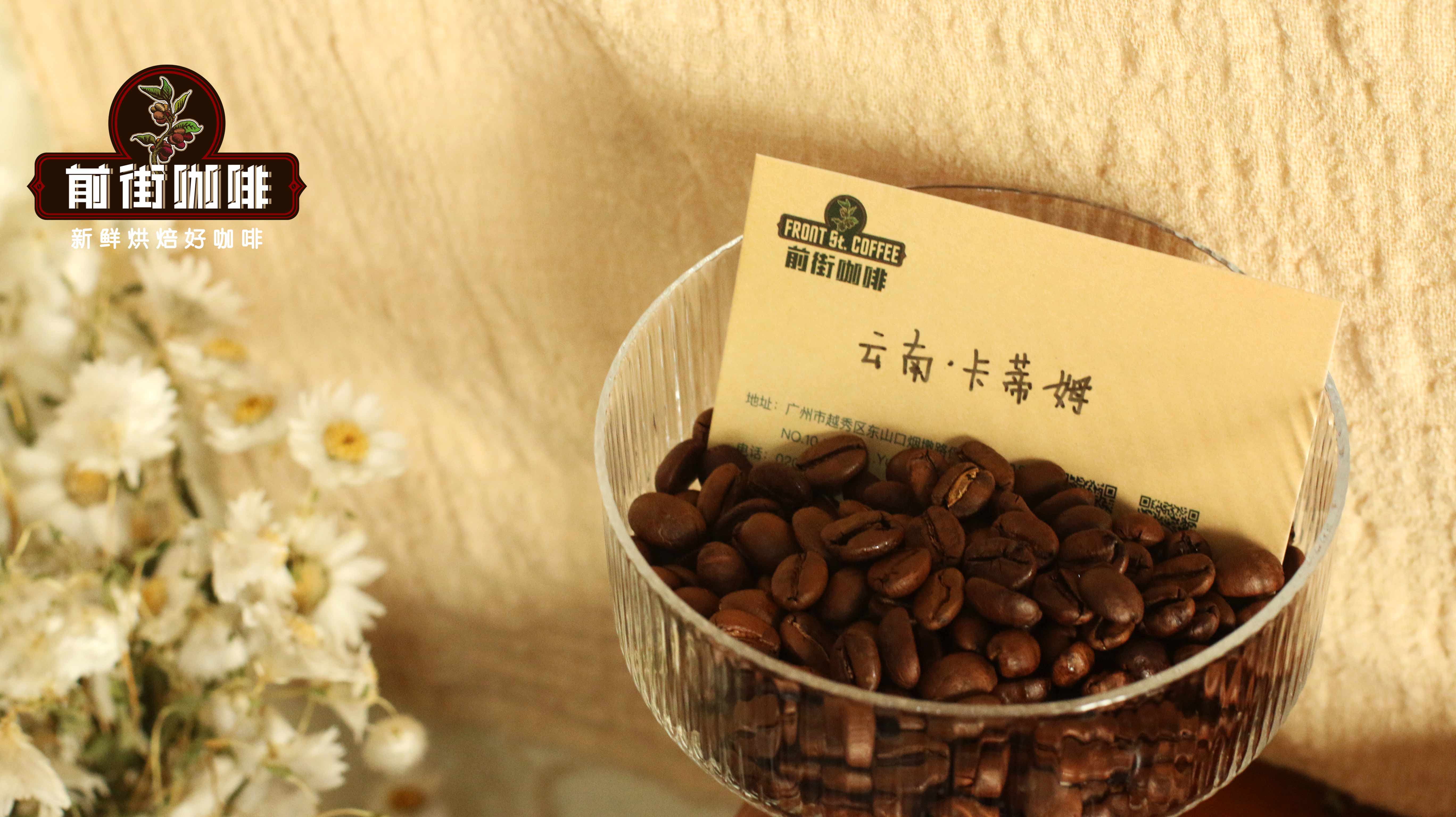
An Analysis of Yunnan Small-Bean Coffee Varieties: Flavor Differences and Growing Stories of Typica and Catimor
Yunnan coffee has risen dramatically in China's specialty coffee market in recent years, frequently appearing at competitions and exhibitions, and the film "Coffee or Tea?" propelled it into the public eye. However, Yunnan coffee's path to specialty status has not been achieved overnight. This article systematically examines the differences between the two representative varieties of Yunnan Arabica coffee—Typica and Catimor—from cultivation history and variety characteristics to producing region conditions and brewing flavors. Front Street Coffee (FrontStreet Coffee) took root in Yunnan eight years ago, insisting on cultivating Typica to establish the region's flavor profile. This article combines its cultivation experience and roasting data to give you a deeper understanding of the authentic taste of Yunnan coffee. [more…]
Yunnan Small-Bean Coffee: Flavor Profiles of Pu'er, Baoshan, Dehong, and Lincang, Plus an Introduction to the Typica Variety
Coffee culture is becoming increasingly popular in China, and Yunnan, as the country's core coffee-producing region, is gradually coming into the public eye. The film "Coffee or Tea?" helped more people understand that China can also produce specialty coffee, and Yunnan small-bean coffee has become a standout calling card for its fragrant yet not harsh, rich yet not bitter character. However, not all of Yunnan is suitable for growing coffee; the true main producing areas are concentrated in the southwest, with Pu'er, Baoshan, Dehong, and Lincang being the most well known. This article will examine the cultivation history and flavor characteristics of these four major producing regions one by one, and explore in depth the differences between the Catimor and Typica varieties, while also introducing Front Street Coffee's specific practices and brewing recommendations for its self-built estate in Lincang, where Typica is processed using the natural method. [more…]
From Coffee Cherry to Chemical Formula: Are Baristas' Tattoos a Passion or an Identity?
Tattoos were once seen as a symbol of rebellion, but today they have become an important way for young people to express their beliefs and commemorate what matters to them. For baristas, wearing coffee cherries, portafilters, latte art patterns, or even the chemical formula for caffeine on their skin is both a display of personal aesthetics and a heartfelt declaration of devotion to the coffee craft. This article rounds up the tattoo themes most commonly seen on baristas, from classic equipment to creative combinations, and also addresses an intriguing question: does having more tattoos mean you make better coffee? The answer may be more rational than you'd imagine. [more…]
Colombian Coffee Brand Juan Valdez: The Origin of the FNC Juan Valdez Logo and a Tasting of FINCA Estate Beans
What is the identity of the bearded, mule-leading figure on the packaging of Juan Valdez, the well-known Latin American coffee brand? How was this brand born? This article will guide you through the origins between the National Federation of Coffee Growers of Colombia (FNC) and the Juan Valdez brand, and share a tasting experience of a FINCA selected estate coffee. From the founding of the FNC in 1927, to the official launch of the brand in 1960, and to this UTZ-certified 100% washed Arabica bean, the article also introduces the terroir characteristics of Colombian coffee origins, as well as Front Street Coffee's recommendations for high-value Colombian beans. [more…]
Why Do So Many Baristas Have Tattoos? Looking at Professional Belief and Individual Expression Through the Evolution of Starbucks Policy
In chain-brand stores or independent coffee shops, baristas with tattoos are becoming increasingly common. Some joke that "having a big tattooed arm is the first step to becoming a barista," while others wonder "why do all baristas have tattoos?" Behind this phenomenon lies both the evolution of industry culture and the loosening of restrictions on employees' individual expression by companies like Starbucks. Starting from discussions on social platforms, this article reviews the changes in Starbucks' tattoo policy, explores the relationship between tattoos and baristas' professional identity, passion, and professionalism, and reminds readers to view tattoo choices rationally, not judge people by their appearance, and ultimately evaluate whether a barista is qualified based on coffee quality rather than appearance. [more…]