







Can You Learn Pour-Over Coffee Through Self-Study?
Self-study is a workable route into pour-over coffee. Books give systematic grounding, while films supply visual context: the movie Cafe by the Sea shows a Royal Fuji R105 coffee roaster in a seaside cafe, beans sold loose by weight from large jars, and scenes of professional coffee cupping. Documentaries such as CCTV's Black Coffee fill in the wider industry background.
None of these sources is complete on its own. A film compresses and dramatizes, and a single documentary covers only part of the chain from farm to cup, so beginners benefit from combining formats and then practicing regularly at home. Bulk bean sales by weight, common in small Japanese street coffee shops, also hint at how freshness and daily turnover shape what ends up in the cup.
If you want to learn pour-over coffee, self-study is a viable path besides finding a teacher for lessons. Some people systematically absorb knowledge from books, while others catch inspiration from movies—for example, the film *Café by the Sea* hides quite a few coffee details: a Royal Fuji R105 roaster, coffee beans sold loose by weight, and even professional scenes of coffee cupping. Of course, movies are ultimately artistic embellishments. To understand coffee's ins and outs more deeply, documentaries are a better supplement—CCTV's *Black Coffee* is worth watching. This article sorts out multiple self-study paths for beginners learning pour-over coffee, and retains Front Street Coffee's recommendation information to help you find a learning rhythm that suits you.
To learn something new, we can master it through many channels—such as books, teachers, and even movies.
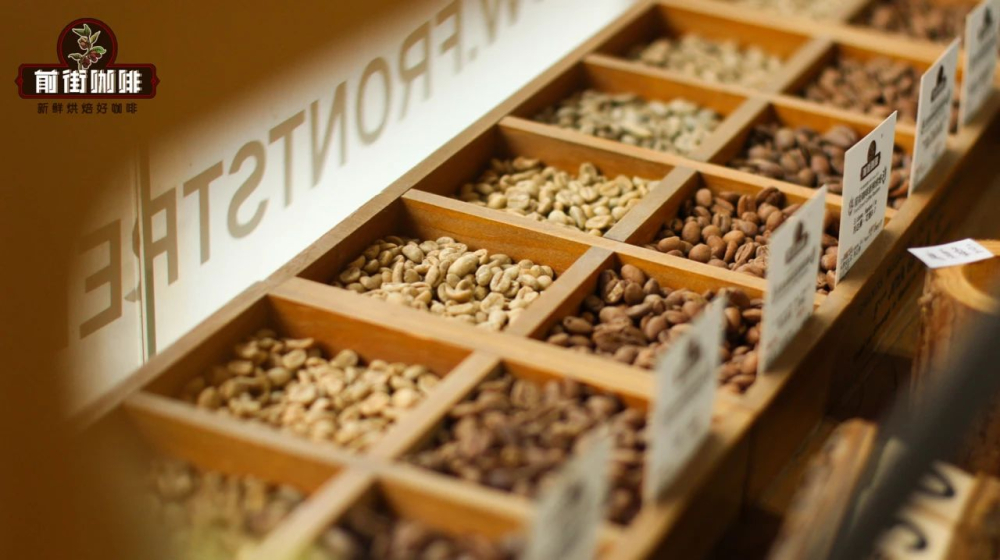
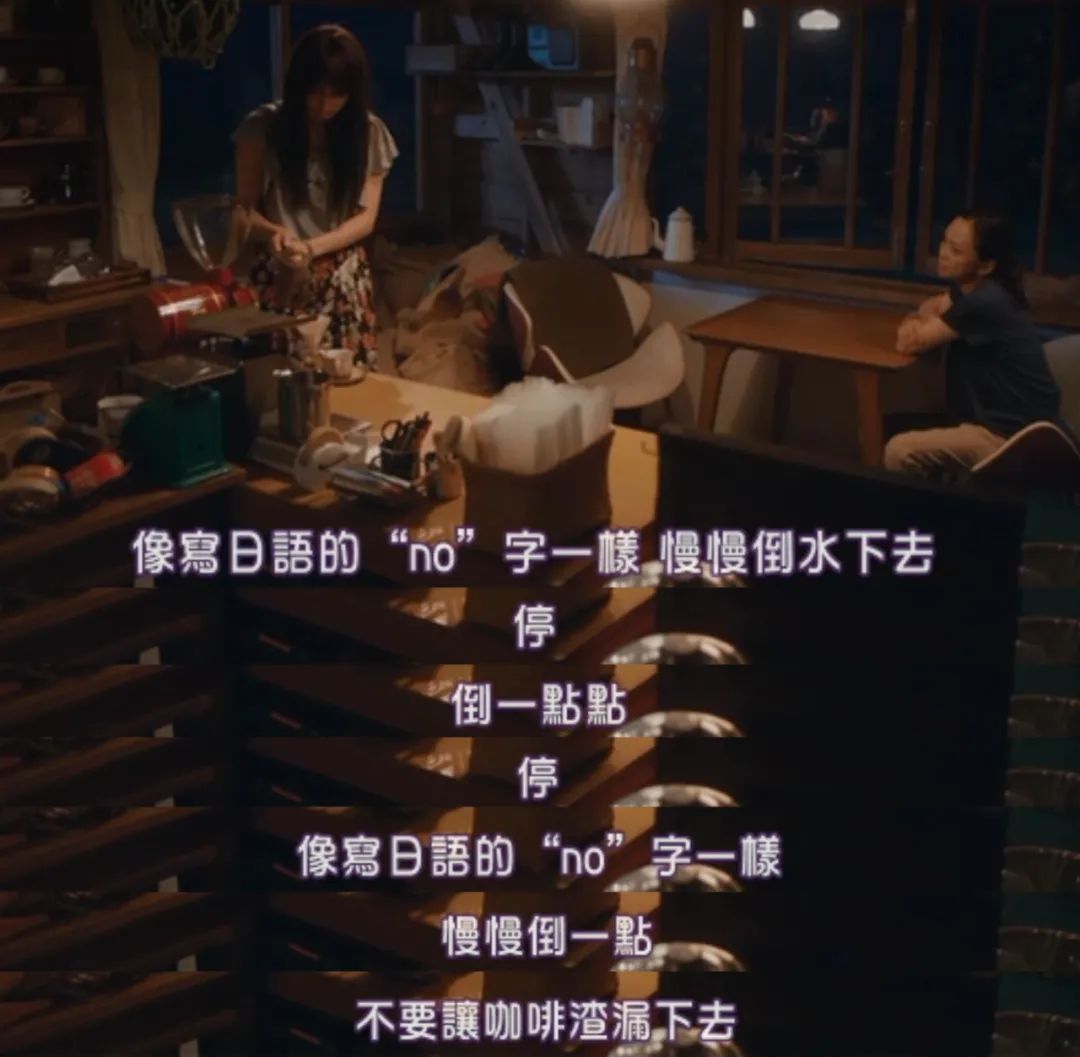
In the film *Café by the Sea* (さいはてにて やさしい香りと待ちながら), although the plot does not revolve around the theme of coffee, there is no shortage of coffee-related shots worth discussing.
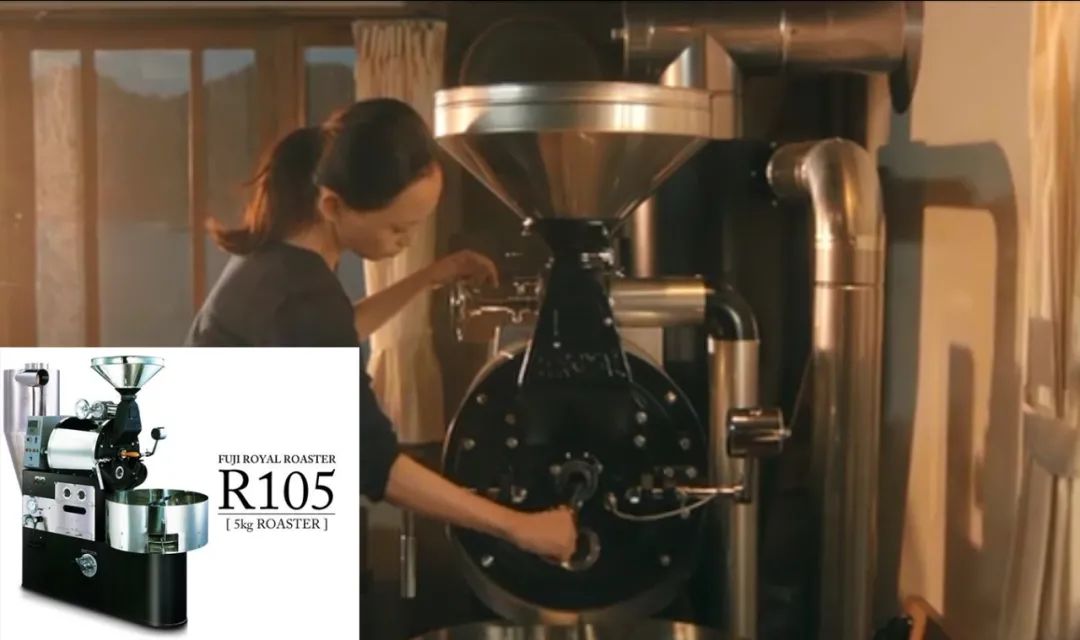
First, the protagonist Misaki Yoshida is a coffee roaster from Tokyo, and her seaside café is equipped with a Royal Fuji R105 roaster. You could say it's fully kitted out.
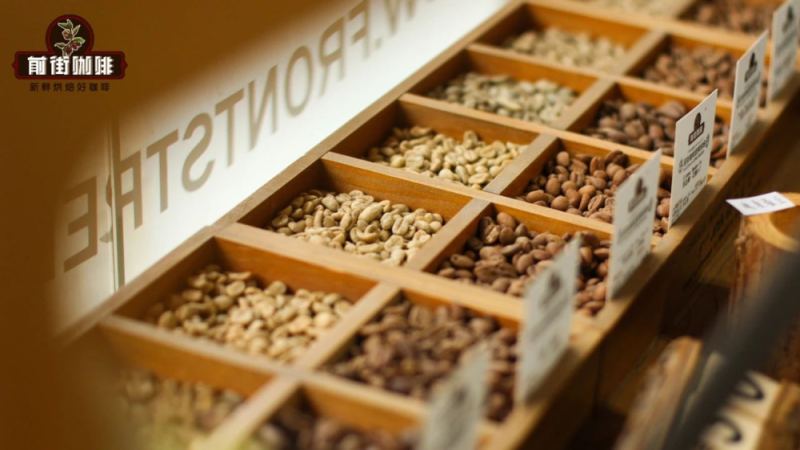
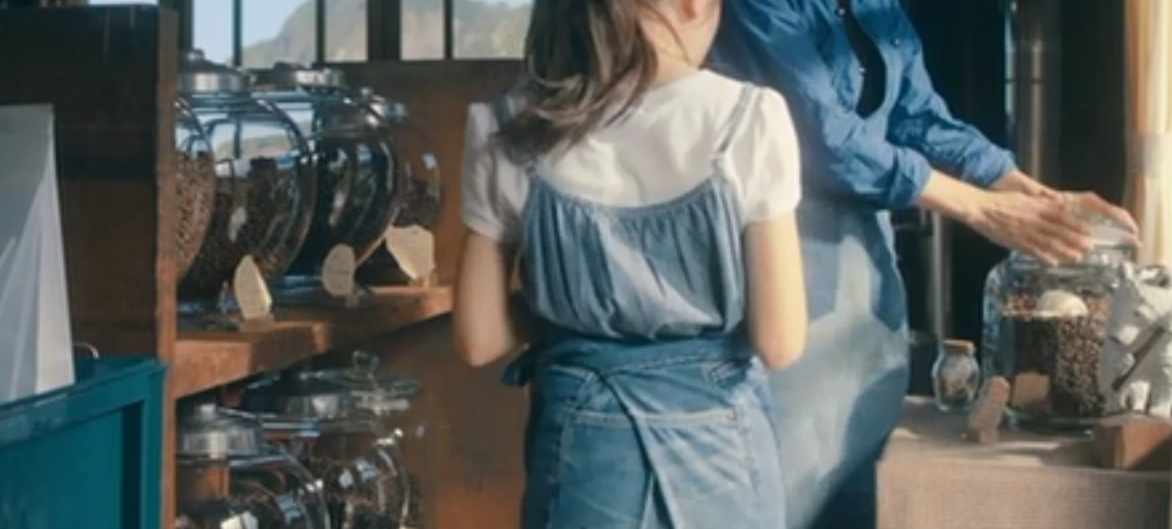
In one scene, we see roasted coffee beans displayed in large jars, which is obviously different from the pre-packaged coffee beans we usually buy in coffee shops. In Japan, many small independent cafés sell coffee the way a corner store sells bulk candy: when a customer wants to buy beans, the staff scoop them out of the large jar and sell them by weight. Of course, big brands like Maruyama Coffee or new-style coffee shops have abandoned this practice.
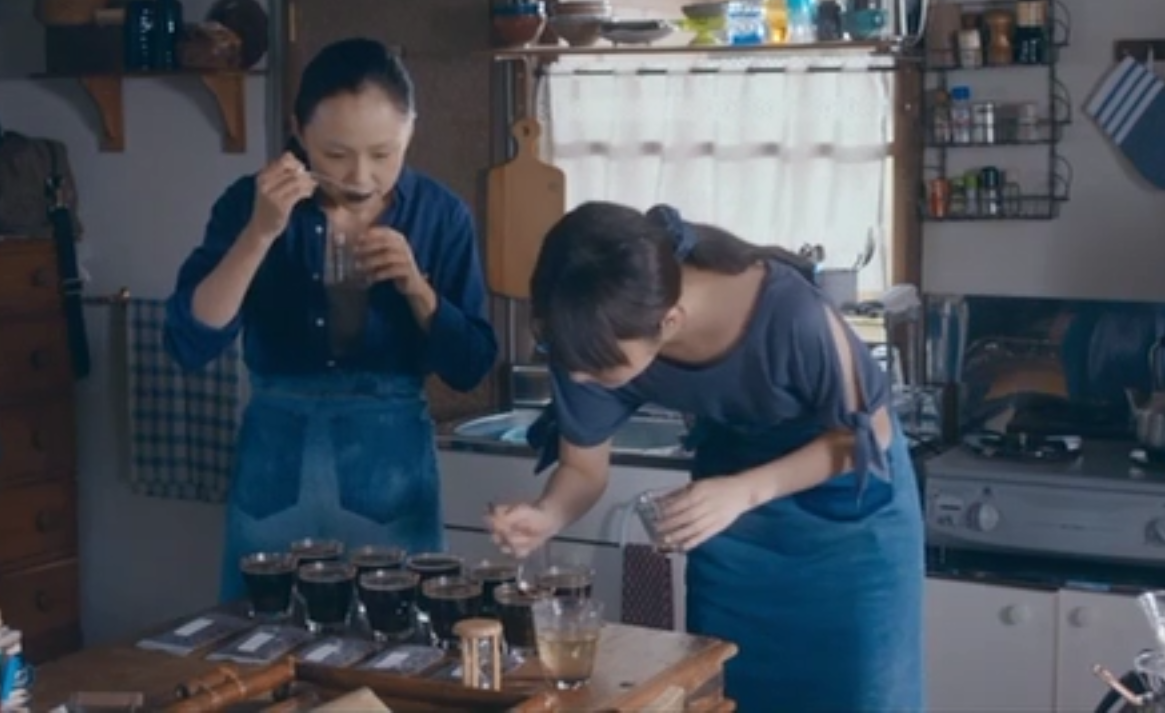
The film even features professional coffee cupping... The coffee details in this movie are plentiful. This film can satisfy coffee people with picky perspectives like mine. (I won't admit I watched it for Sasaki Nozomi.)
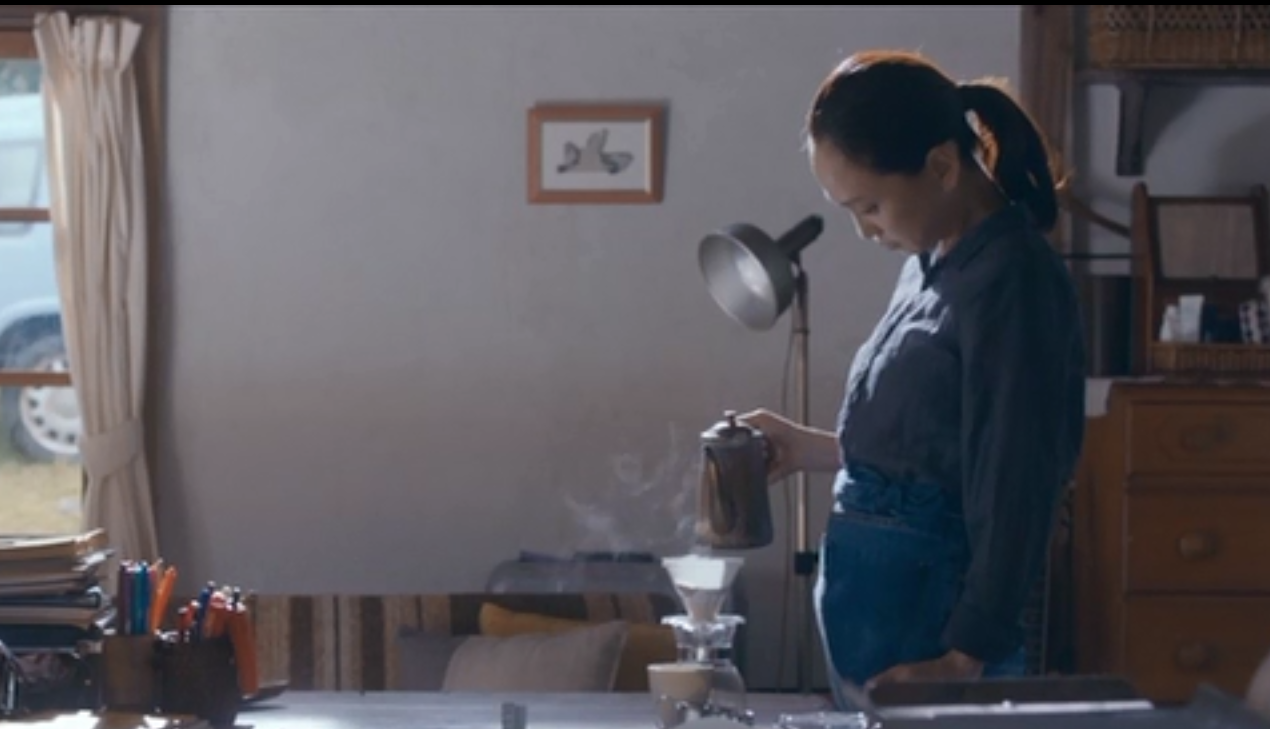
Of course, a movie is still a movie—it can't present the complete truth to everyone. If you want to learn more about coffee, you might as well watch some coffee documentaries. For example, the CCTV documentary *Black Coffee* is a good explanation of coffee's ins and outs.
Is new-crop coffee the coffee harvested this year?
The above content is compiled by CoffeeHunters, a coffee news website.


