







Search Results for: coffee machine extraction
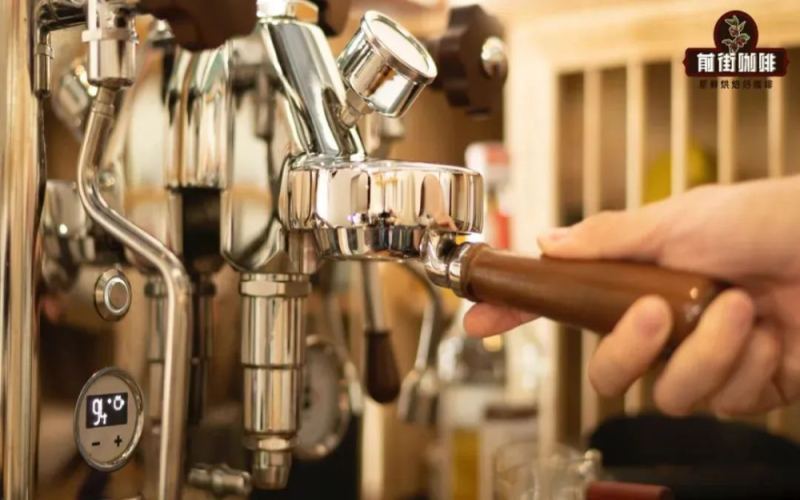
The Invention Journey of the Espresso Machine and a Home Brewing Guide: From Historical Origins to Front Street Coffee Bean Recommendations
Every coffee shop's espresso machines, with their varied designs, actually hide a centuries-spanning story of invention. From Angelo Moriondo's concept of a steam coffee machine in 1884, to La Pavoni building the world's first true espresso machine in 1905, and then to the Faema E61 laying the foundation for modern semi-automatic machines in 1961, the evolution of espresso machines has never stopped. Today, small home machines allow enthusiasts to easily produce rich coffee. Front Street, addressing the need for stable extraction and abundant crema, has respectively recommended SOE single-origin and espresso blend bean lists, and shared in detail a complete plan from dose and extraction ratio to operating specifics, helping readers replicate at home an Espresso with golden crema. [more…]
How to Use a Semi-Automatic Espresso Machine? Illustrated Operation Steps, Differences from Fully Automatic, and Key Buying Points Explained
After getting into the habit of drinking coffee every day, many people start to consider getting a home espresso machine—it saves money, lets you enjoy freshly ground coffee at any time, and allows you to practice making common drinks at home such as Americano, latte, cappuccino, and flat white. But when it comes time to actually choose one, many people get stuck on one question: should I buy a fully automatic or a semi-automatic machine? From the perspective of Front Street, this article first explains the basic definition and operating process of a semi-automatic espresso machine, then compares the convenience and limitations of fully automatic models, and finally offers purchasing advice. The article also draws on extraction principles to explain why semi-automatic espresso machines are better suited to pairing with medium-dark roasted Front Street specialty blend coffee or Front Street Strawberry Candy espresso coffee, helping you choose equipment that fits your needs. [more…]
How to Choose Between Semi-Automatic and Fully Automatic Espresso Machines? A Complete Guide to Operating Commercial Models
As more and more people enjoy drinking coffee, many friends are starting to consider buying an espresso machine—so they can enjoy freshly ground coffee at any time and save on the expense of frequent purchases. However, when it comes to choosing, an unavoidable question arises: should you buy a semi-automatic or a fully automatic machine? The two differ greatly in operation, flexibility, and the ceiling of what they can produce, and they suit different scenarios. This article, based on Front Street Coffee's actual operating experience, breaks down in detail the core differences between the two types of machines and the considerations for choosing one, and uses a semi-automatic espresso machine as an example to fully demonstrate the process of making an iced Americano, including every detail from cleaning the portafilter basket, weighing the grounds, distributing the grounds, and tamping to extraction, helping coffee enthusiasts find the machine that suits them best. [more…]
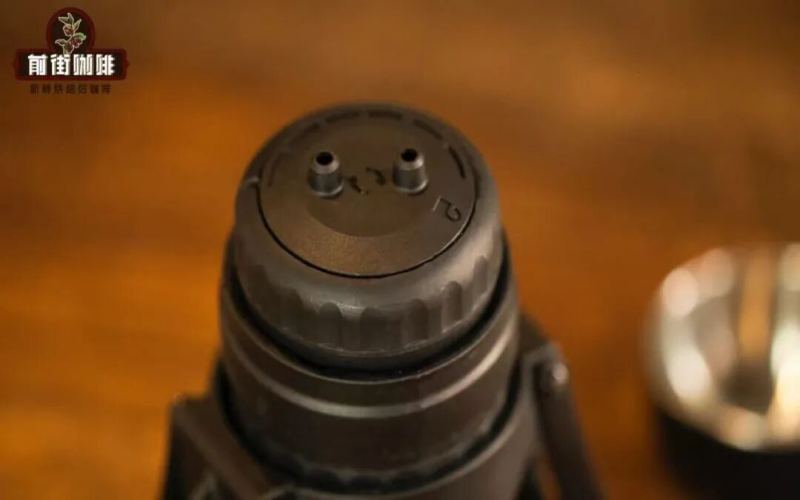
Manual Coffee Machines | Is there a big difference between espresso made with a hand-press coffee machine and a semi-automatic coffee machine? How do you make espresso with a manual coffee machine?
As is well known, manual espresso machines have become extremely popular in recent years. Although they can't match the versatility of semi-automatic espresso machines, they can still extract similarly concentrated coffee! Moreover, with their affordable price and the convenience of not needing to be plugged in, manual espresso machines have successfully carved out a place for themselves in the coffee world. So [more…]
A Complete Guide to Buying a Semi-Automatic Espresso Machine: Extraction Differences from a Hundred-Yuan Toy Machine to a Ten-Thousand-Yuan Commercial Machine
To make a rich, crema-topped espresso at home, a semi-automatic espresso machine is the top choice for many coffee lovers. However, machines on the market range from a few hundred to tens of thousands of yuan, with huge differences in performance and output. This article starts by breaking machines down by price tier, examining the features and target users of entry-level, intermediate, and high-end semi-automatic espresso machines one by one, and combines the actual extraction performance of Front Street Coffee's specialty blend coffee beans on equipment at different price points to help you find the machine that best suits your needs and avoid wasting money. [more…]
From Drip to Semi-Automatic: A Beginner's Guide to Coffee Machine Selection and Analysis of Home Model Recommendations
Faced with a dazzling array of coffee machines, many enthusiasts don't know where to start. This article systematically sorts out the classification logic of coffee machines—by extraction method, they fall into three major categories: traditional drip, Italian-style high-pressure pump, and capsule; by operation mode, they are further divided into fully automatic and semi-automatic. The article analyzes the structural characteristics, output quality, and suitable users of each type of machine one by one, and focuses on home semi-automatic coffee machines, offering purchasing recommendations ranging from 300-yuan toy machines to 50,000-yuan ultimate enthusiast dream machines, covering popular models such as Cancun, Matrix, Huijia, NOUVA OSCAR, Expobar E61, LASPAZIALE S1, and Lamarzocco GS3 MP. Finally, it adds practical knowledge such as coffee bean preservation and bean resting periods, helping readers find a balance between budget and quality. [more…]
Guide to Using a Home Espresso Machine: The Complete Process from Semi-Automatic Operation to Latte Making
Home coffee machines fall into two main categories: fully automatic and semi-automatic. The former completes grinding and brewing with a single button press, while the latter requires the user to personally take part in every extraction step. For those who want to make a delicious latte at home, understanding the key operating points of a semi-automatic espresso machine and choosing the right coffee beans suited for espresso are essential steps that cannot be avoided. This article will begin with the basic classification of home coffee machines, gradually introduce the extraction principles of semi-automatic espresso machines and suggestions for selecting coffee beans, and then use a classic blend as an example to fully demonstrate the entire process—from grinding, tamping, and extracting espresso to assembling an iced latte—helping coffee lovers easily recreate a cocoa-cream-flavored iced latte at home. [more…]
A Guide to Operating a Semi-Automatic Espresso Machine: Manual Espresso Brewing Methods and Buying Advice
As coffee gradually becomes part of daily life, many enthusiasts are starting to consider buying an espresso machine—so they can enjoy freshly ground coffee at any time while also saving money. However, faced with the two main types on the market, fully automatic and semi-automatic, many people don't know how to choose. From the perspective of Front Street, this article provides a detailed analysis of the operating process of semi-automatic espresso machines and the key points of making manual espresso, while also comparing the pros and cons of fully automatic models, to help readers make a suitable choice based on their own needs. Whether you pursue convenience or long for the pleasure of extracting coffee by hand, you can find the answer here. [more…]

Luckin pushes tea brewing machines heavily but gets the cold shoulder from stores: the efficiency dilemma behind freshly extracted tea
Luckin Coffee's light milk tea series, which sold well last year, has recently undergone a comprehensive upgrade, with the core change being the replacement of the previous tea powder with freshly extracted tea. To this end, the brand equipped more than 20,000 stores nationwide with tea extraction machines. However, after the new products were launched, some stores wrapped this machine in plastic wrap, affixed prohibitive labels, or even left it untouched in the warehouse. What exactly is the reason that makes employees shy away from the equipment the company is vigorously promoting? From the burden of cleaning and material waste to differences in store order volumes, what kind of awkward situations has this tea extraction machine encountered in actual operations? This article takes you to find out. [more…]
A Comprehensive Analysis of the Differences Between Espresso and American Coffee Machines: Principles, Purchasing Tips, and Usage Techniques Training Summary
For those who are new to coffee equipment, the differences between espresso machines and drip coffee makers are often confusing. This article systematically breaks down the characteristics of the two types of machines, from how they work, extraction methods, and price ranges to buying advice, and offers reference opinions for both home and professional scenarios. At the same time, the article also compiles common troubleshooting for espresso machines, the steps for making milk foam, and key details in choosing a drip coffee maker such as materials, water outlet holes, and temperature control, helping coffee lovers make more suitable judgments when buying and using them. Content involving Front Street brand recommendations mentioned in the article will also be retained for readers' reference. [more…]
Espresso Machine Gasket Replacement Tutorial: Causes of Unstable Pressure, Weakened Steam, and Coarse Milk Froth, Plus Deep Cleaning Methods for the Whole Machine
Erratic pressure during extraction, weakening steam, and milk foam that just won't froth up no matter what—these problems are often not a sign of declining skill, but rather that your espresso machine is due for maintenance. Drawing on Front Street's practical experience, this article systematically lays out the daily and deep cleaning routines for espresso machines: including flushing hot water before and after extraction, wiping the steam wand, backflushing, soaking the steam tip to remove scale, as well as how to judge when the group head gasket is wearing out and how to replace it yourself. It also covers the key cleaning points and recommended intervals for the water tank, boiler, and portafilter, helping you keep your espresso machine producing consistent shots and extend its service life. [more…]
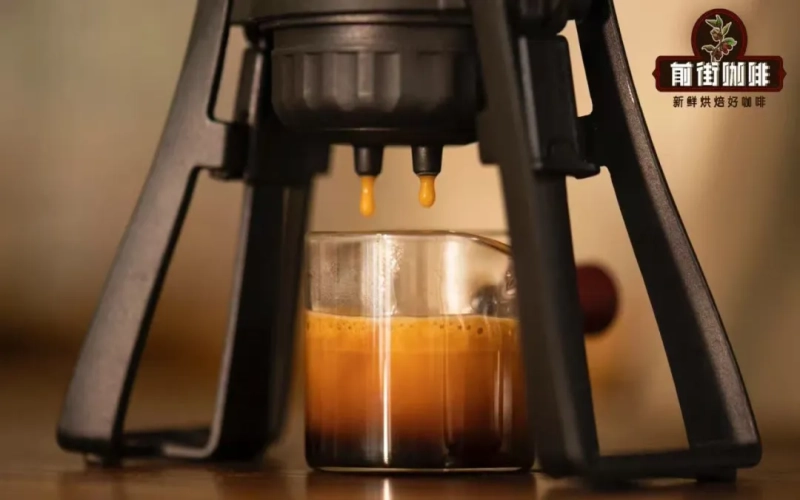
Hand-pressed vs. semi-automatic espresso machine extraction differences tested: Star Grain 3 compared with Lelit V3—can a budget hand-pressed machine be a substitute?
The price gap between manual espresso makers and semi-automatic espresso machines often reaches 10 to 20 times, but is the espresso they extract really worlds apart? This time, Front Street uses actual data to answer this question. We took a Star Grain 3 manual espresso maker purchased in 2022 and now discontinued, and compared it with the Lelit V3 semi-automatic espresso machine used in the shop for espresso output. We extracted three shots from each, measured the concentration and extraction yield, averaged the results, and then judged the differences in flavor and mouthfeel through tasting. The beans used were still the Warm Sun blend used for shop output, with a dose of 19.5g, a Galileo Q18 grind setting of 1.0, and a target liquid weight of 38ml. What will the results be? Can a hundred-yuan-level manual press serve as a daily substitute? The article will also share usage details for key parameters during manual extraction, such as water temperature, grind size, pressure, and water volume, to help everyone avoid common pitfalls like insufficient concentration and rough crema. [more…]
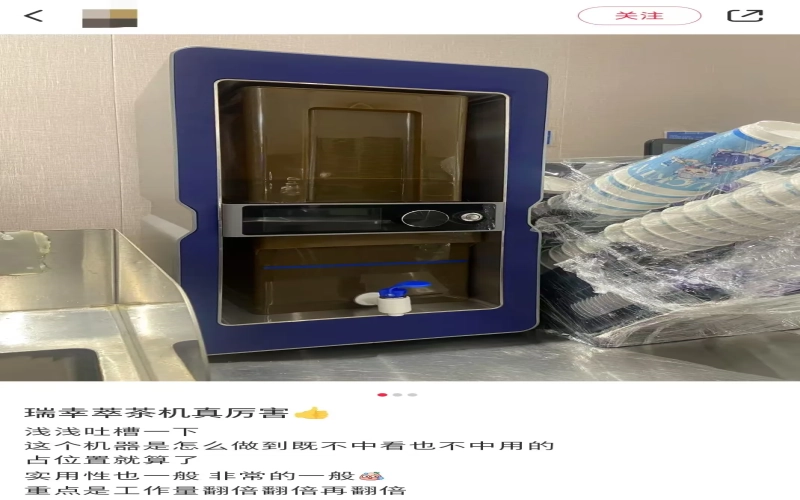
Luckin's tea brewing machine flops in real-world test: cleaning takes forever and it only brews one type of tea at a time; staff say it's no better than hand-brewing
Since September, rumors that Luckin Coffee would fully roll out smart milk tea machines and tea extraction machines have kept the industry closely watching its moves into the milk tea market. Recently, some stores in Guangzhou took the lead in trial-installing the tea extraction machines, only to draw collective complaints from frontline staff. Employees reported that the device is not only bulky and space-consuming, but can also extract only one type of tea liquid at a time, and its cleaning and sanitizing steps are extremely cumbersome. Making a pot of tea base takes more than half an hour from start to finish, making it even less efficient than manual brewing. At the same time, some stores have also seen quality control problems such as rusting metal parts. So how exactly does this smart device perform? Let's take a look at the real feedback from employees. [more…]
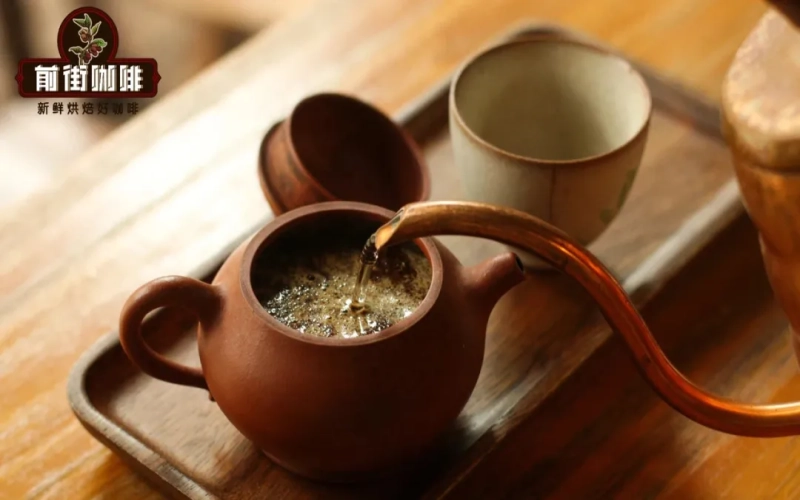
Can an espresso machine also brew concentrated tea? Testing the methods, parameters, and precautions for brewing tea with an espresso machine
The extraction principles of coffee and tea are essentially the same. Since an espresso machine can use pressure to extract a high-concentration coffee in a short time, can it also be used to extract a cup of "espresso tea"? With this question in mind, Front Street conducted an actual test: from the choice of grinding equipment, the adjustment of tea leaf dosage, to the control of the powder-to-water ratio and extraction time, the entire process of extracting tea with a coffee machine was fully recorded. Experiments have shown that a coffee machine can indeed extract tea with a concentration comparable to espresso, but many pitfalls were also encountered during the process—difficulties in cleaning the grinder, clogged portafilter baskets, and tea fragments seeping in and affecting the taste appeared one after another. This article will share the specific parameters and operating details, and give Front Street's practical advice: if you really want to try it, it is best to be mentally prepared, or add professional tea extraction tools. [more…]
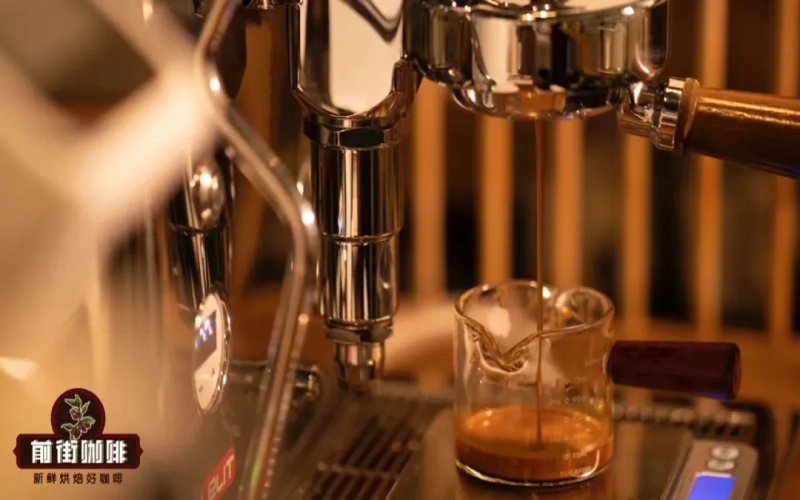
What is the normal extraction pressure for an espresso machine? How should the grind size be adjusted appropriately?
The biggest difference between espresso machines and brewing methods like pour-over and French press is that they use pressurized extraction. It is precisely the presence of pressure that allows espresso to complete extraction in an extremely short time and form that iconic golden layer of Crema. Generally speaking, the extraction pressure of a coffee machine fluctuates around 9 bar, but many home coffee machine users find that the pressure struggles to climb to 9 bar and often stays between 5 bar and 7 bar, resulting in weak and sour coffee. The key behind this actually lies in whether the resistance of the puck is sufficient. This article will analyze the reasons for insufficient pressure and provide specific adjustment suggestions from three aspects: grind size, dose, and tamping force, to help you extract rich and balanced espresso at home as well. [more…]
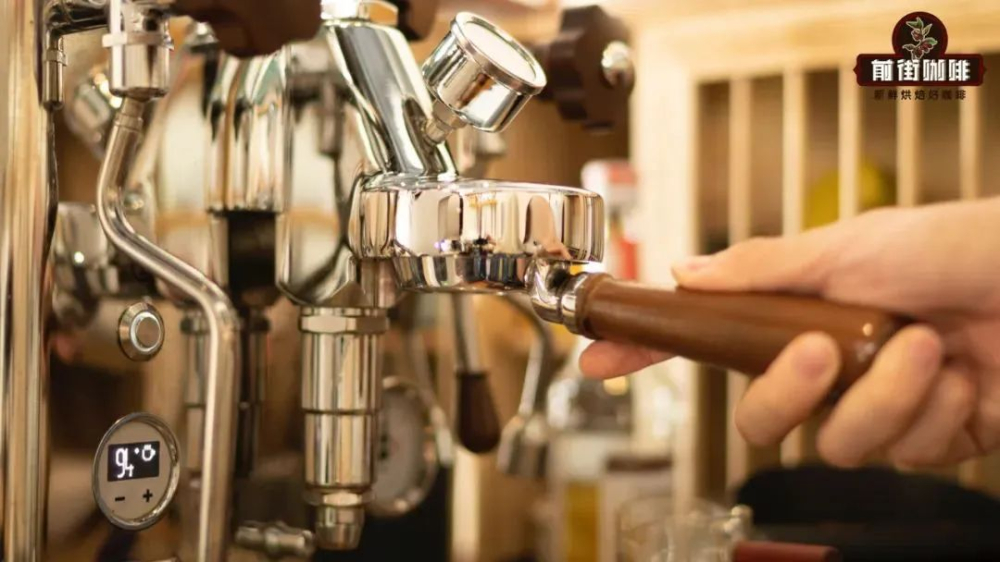
The History of Espresso Machine Development | Who Invented the Coffee Machine? What Is the Working Principle of an Espresso Machine? What Are the World's Famous Semi-Automatic Espresso Machine Brands?
I believe that what catches your eye in every coffee shop, besides the unique decor, is also the wide variety of espresso machines, which showcase each coffee shop's distinctive character! Although the machines come in all shapes and sizes, their operation is very consistent—just a few simple steps are enough to bring us a cup rich in crema. [more…]
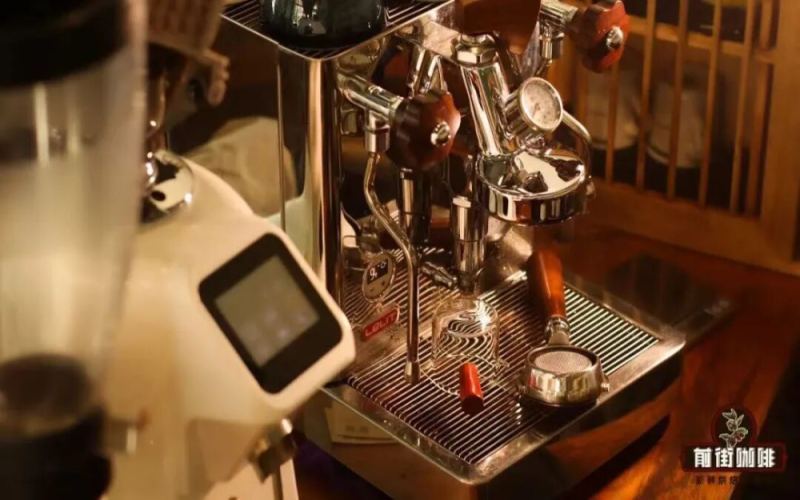
Home Espresso Machine Buying Guide: Semi-Automatic vs. Super-Automatic Comparison and Espresso Extraction Practice
Want to easily make a cup of espresso with golden crema at home? Choosing the right machine and coffee beans is the crucial first step. The market offers a wide variety of coffee machines, from fully automatic to semi-automatic, with prices ranging from a few hundred to over a thousand yuan, and devices at different price points vary significantly in extraction stability and crema performance. This article will systematically outline the key points for choosing a home espresso machine, compare the respective advantages of semi-automatic and fully automatic models, recommend suitable Front Street Coffee beans for different taste preferences, and finally provide an espresso extraction workflow that even beginners can follow, helping you consistently produce a decent cup of espresso at home. [more…]
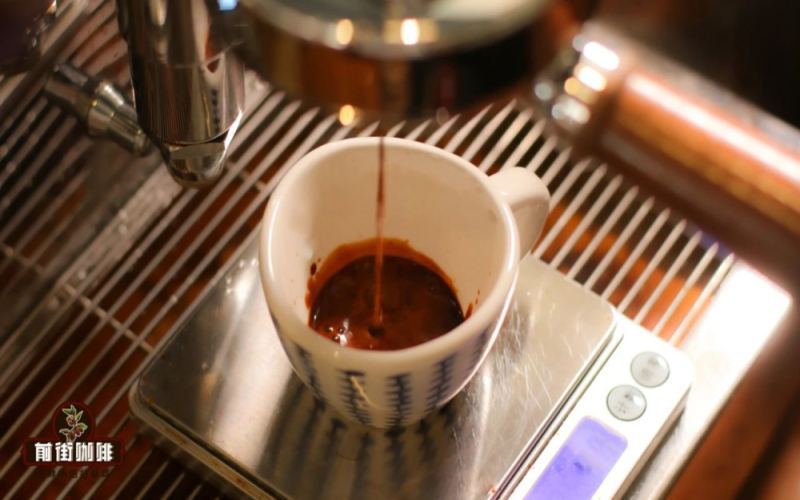
A Complete Guide to Espresso Machine Operation: Steps and Extraction Techniques for Semi-Automatic Coffee Machines
Espresso is renowned worldwide for its rich and full-bodied taste, but making it at home often falls short of café standards, with problems usually stemming from equipment operation and parameter control. This article will start with the extraction principles of espresso machines, gradually breaking down the usage process of semi-automatic espresso machines, including key parameters such as dose, grind size, pressure, and water temperature, and provide ideas for extraction adjustment. At the same time, Front Street Coffee recommends a variety of espresso blend beans for different taste preferences, helping enthusiasts produce consistent espresso at home, and extending to the methods for making Americano and latte. [more…]
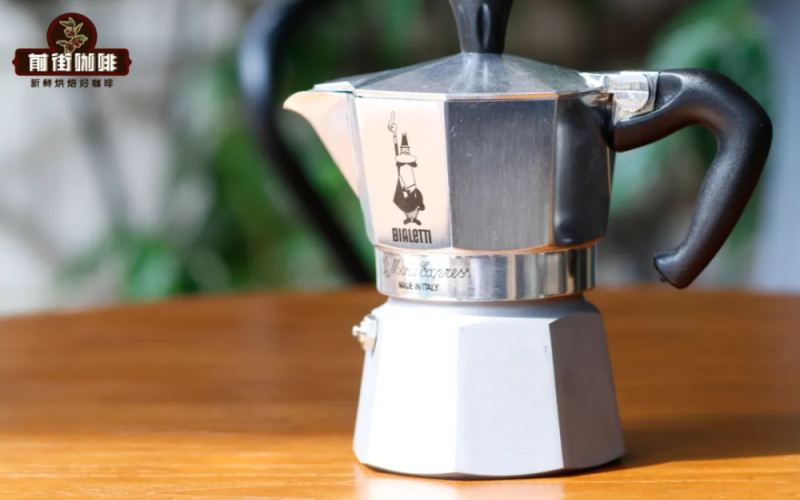
Moka Pot vs. Semi-Automatic Espresso Machine: How to Choose? From Working Principles to Buying Advice, Explained Clearly in One Go
The moka pot and the semi-automatic espresso machine are both pressure-based extraction devices, yet they represent two different directions: household convenience and commercial professionalism. The moka pot was born in 1933, designed by Alfonso Bialetti, founder of Bialetti, and became a staple of Italian households thanks to its compact size and affordable price; the semi-automatic espresso machine evolved from the steam pressure device of 1885 all the way to the epoch-making FAEMA E61 in 1961, laying the design foundation for modern espresso machines. The two differ markedly in pressure, crema performance, and usage scenarios. Starting from their historical development, working principles, and practical needs, this article will analyze the pros and cons of each, and combine them with Front Street Coffee's bean recommendations to help coffee lovers find the one that suits them. [more…]
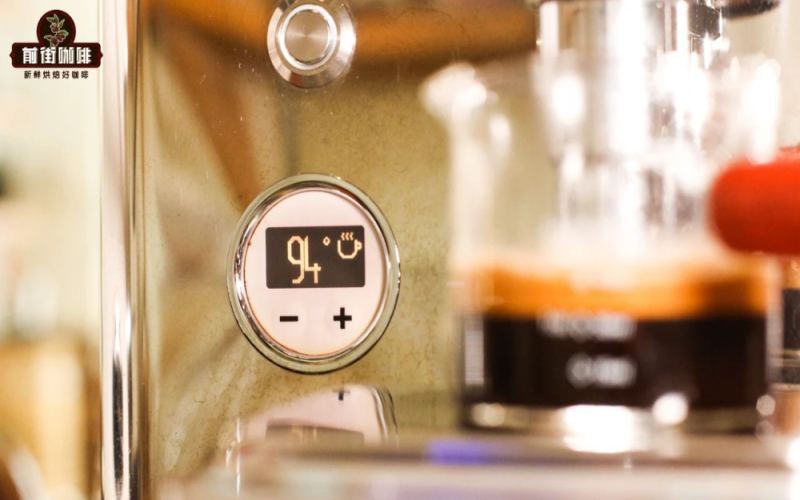
A Detailed Explanation of the Principles and Operation of Semi-Automatic Espresso Machines, with a Front Street Coffee Espresso Bean Buying Guide
The semi-automatic espresso machine is the core equipment of a professional coffee shop. With its high-pressure pump and independent boiler system, it can quickly extract rich, flavorful espresso. This article will walk through the machine's principles, boiler structure, suitable bean selection, and the complete extraction workflow step by step, helping coffee enthusiasts understand how a semi-automatic espresso machine works and the key operational points. At the same time, drawing on several Front Street espresso blends, it explains how coffee beans with different flavor profiles perform in actual preparation, covering methods for making espresso, Americano, and latte, as well as notes on fine-tuning daily parameters. [more…]