







What Makes Semi-Automatic Espresso Coffee Machines Different?
A semi-automatic espresso machine uses a built-in high-pressure pump to push water through the coffee bed at about 9 atmospheres, which is what produces a thick, aromatic shot. A large boiler supplies stable hot water, and the barista controls grind, dose, and extraction time. These coffee machines are the standard in professional espresso bars because pressure and temperature stay consistent.
The design centers on three things: high-pressure output, heat-exchange heating, and temperature stability. Because the operator handles part of the process, the machine demands more skill than a fully automatic model, and small parameter adjustments change the shot noticeably. The same equipment can make americano, latte, and straight espresso, so bean choice and dialing in matter for the final flavor.
The semi-automatic espresso machine is the core equipment of a professional coffee shop. With its high-pressure pump and independent boiler system, it can quickly extract rich and flavorful espresso. This article will unfold one by one from the machine's principles, boiler structure, suitable bean selection, to the complete extraction operation process, helping coffee enthusiasts understand the working mechanism and operating key points of semi-automatic coffee machines. At the same time, combined with multiple Italian-style blend beans from Front Street brand, it explains the performance of coffee beans with different flavor orientations in actual production, covering the preparation methods of espresso, Americano, and latte, as well as notes on daily parameter fine-tuning.
In coffee shops, the semi-automatic espresso machine plays a soul role. Only coffee brewed through a semi-automatic espresso machine has that intoxicating aroma and thick mouthfeel, and many coffee enthusiasts are captured by exactly this flavor. The operation threshold of the semi-automatic espresso machine is relatively high, and it belongs to quite professional equipment. People lacking sufficient experience find it hard to use it to make a satisfying cup of coffee. On the surface, it seems to be just a few simple actions, but only those who truly know the trade understand the skills contained within.
Semi-automatic espresso machine
At present, the most common model on the market is the semi-automatic espresso machine, and it is also the first-choice equipment of professional Italian-style coffee shops. This type of machine has a built-in professional-grade high-pressure pump, capable of providing 9 atmospheres of extraction pressure for coffee grounds.
Espresso machines can produce the high-temperature and high-pressure water required for espresso extraction. The core technology of this type of equipment is embodied in three aspects: high-pressure output, heat exchange heating, and temperature stability control, making the extraction of coffee flavor both rapid and efficient. This is also the fundamental reason why Italian-style semi-automatic espresso machines can never be replaced in the commercial field.
Such high pressure is enough to fully release the essence of coffee beans. In addition, the machine is also equipped with a large boiler. At present, the boiler capacity of dual-head models is usually about 11 liters, enough to meet the needs of continuous cup production and steam supply. Some high-end semi-automatic espresso machines even use dual-boiler or even multi-boiler systems.
The hot water used for extraction and the steam used for frothing milk are supplied by two independent boilers, and the temperature is also regulated separately by two systems, thereby better meeting the requirements for making high-quality coffee. The reason is that producing sufficiently dry steam and the hot water needed to make coffee have completely different temperature requirements.
Because espresso machines use pressurized rapid extraction, espresso has a strong and stimulating taste, so it is not advisable to choose beans with overly extreme flavors. Instead, priority should be given to medium or medium-dark roasted Italian-style recipe beans. This type of bean is more conducive to extracting oils and caramel-like substances.
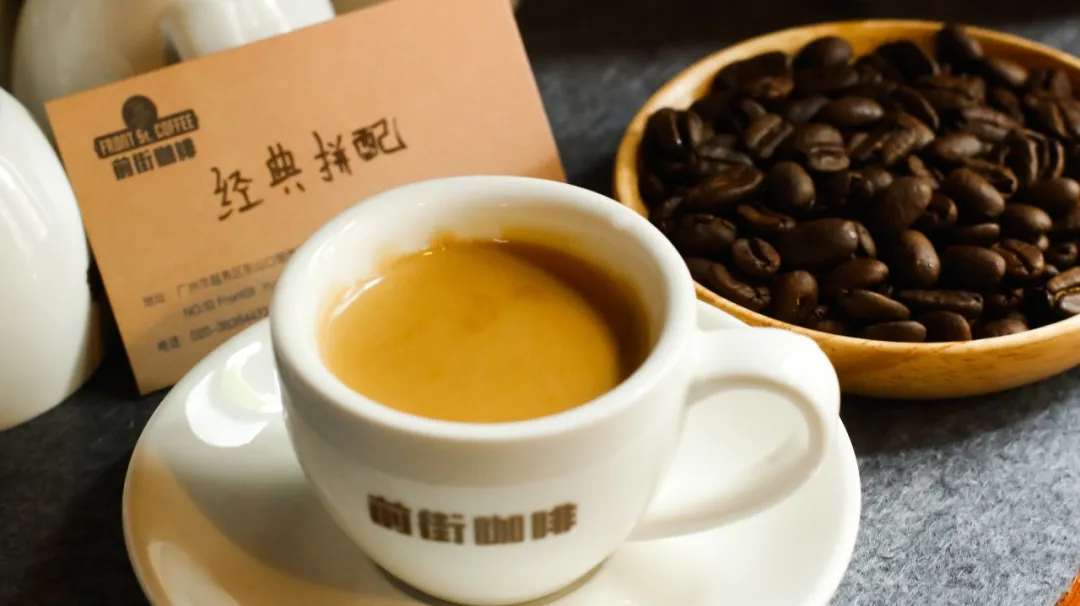
Many people fall in love with espresso because of a latte with exquisite latte art, and the prerequisite for making standard latte art is having a perfect cup of espresso. Therefore, the choice of coffee beans is crucial. Front Street believes that espresso with fine, smooth, and rich crema is the most ideal benchmark. Two popular products can be chosen: Front Street Classic Blend and Front Street Commercial Blend. The former combines the wild style of Brazil and Mandheling, while the latter is mainly themed around various nutty aromas. Both add a small amount of Robusta beans on this basis to enhance the richness of the crema and the golden color.
If you want to step outside the traditional style and try coffee with floral and fruity aromas that is not bitter, you can choose Front Street Strawberry Candy espresso blend. As can be seen from the name, this is a coffee with outstanding sweetness, blended from single-origin beans from three different producing regions. Front Street Strawberry Candy not only has a rose floral aroma, but when made into Americano or latte, you can also taste grape, dried blueberry, sweet orange, and fruit candy notes, with a rather distinctive mouthfeel.
Extraction steps for espresso
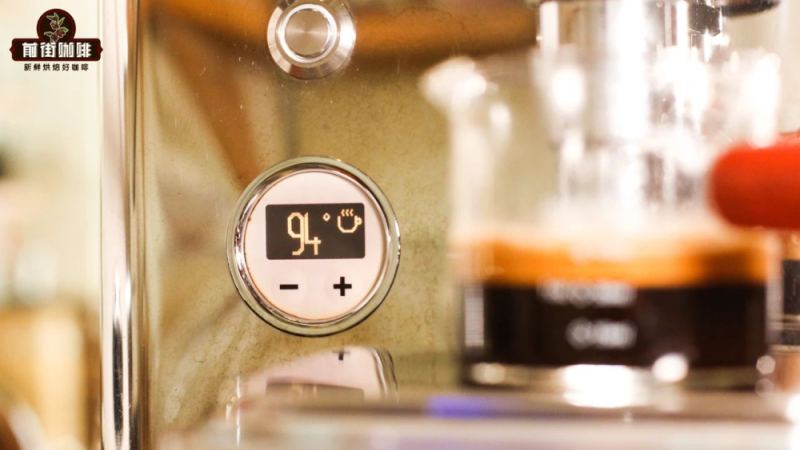
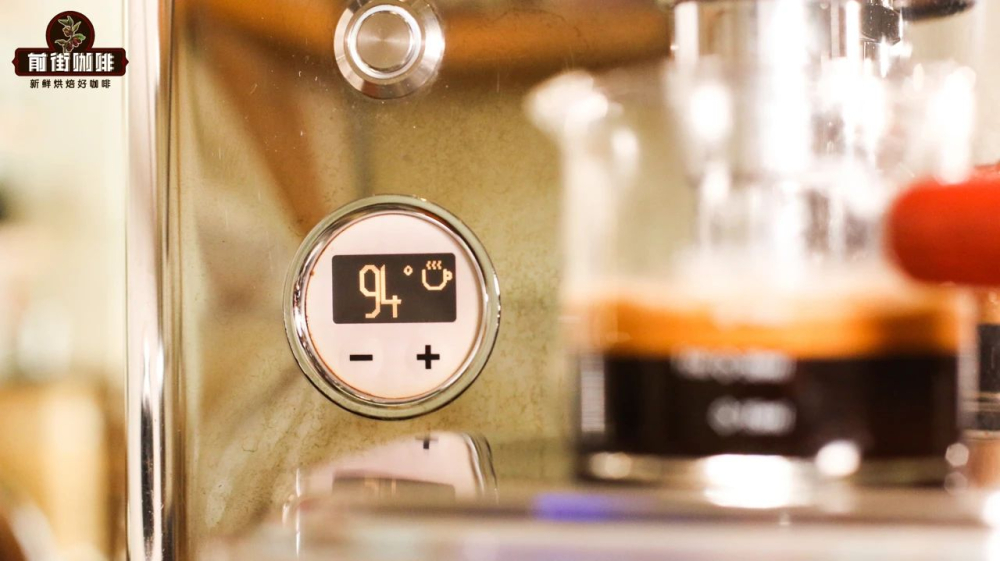
First, turn on the coffee machine power and wait for the machine to automatically complete heating internally. When the display temperature reaches 94 degrees Celsius, you can begin preparing for extraction.
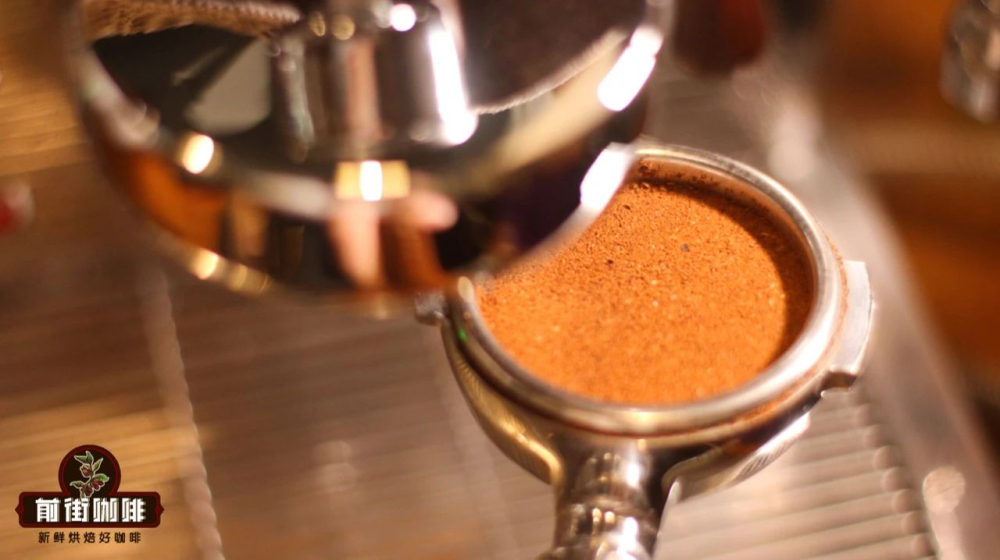
Before extraction, first wipe the portafilter basket clean, start the grinder, grind the amount for a double shot of coffee grounds, place it on an electronic scale and adjust until it reaches 20 grams.
Then use a distribution tool to level the surface of the coffee grounds, and then use a tamper to apply force vertically downward to compact and press the coffee puck tightly, so as to ensure more stable subsequent extraction.
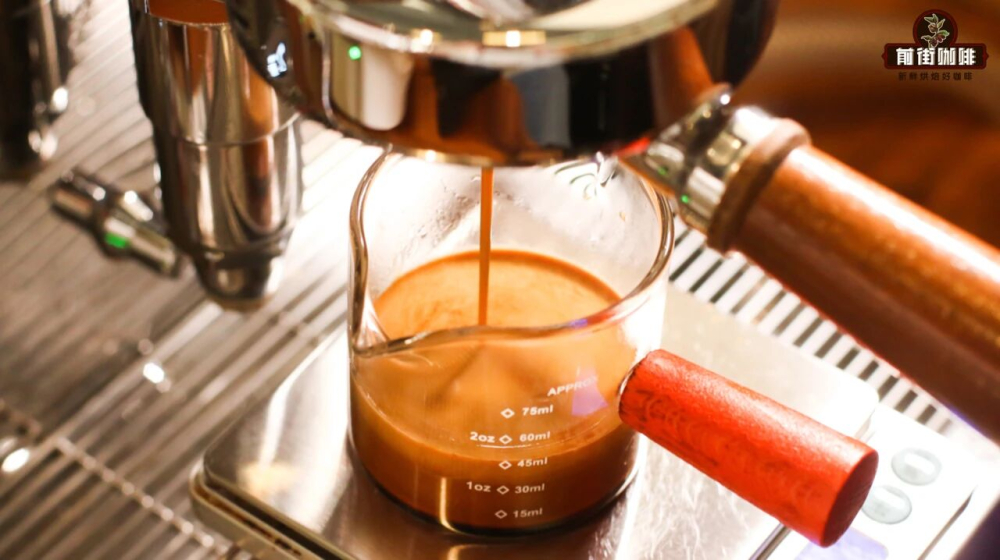
Next, turn on the extraction switch and release water for 1 to 2 seconds to moisten the group head, while also washing away any residual coffee grounds on it. Then place the cup for receiving Espresso on the electronic scale and tare the reading to zero, and place it under the group head during extraction as well.
Gently lock the portafilter onto the group head and flip down the extraction switch. Pay attention to changes in the state of the extracted liquid. When the electronic scale shows that the coffee liquid has reached 40 grams and about 30 seconds have passed, flip down the extraction switch to stop.
If you want to make Americano, prepare a cup with a capacity of 200 to 250 milliliters, pour in 160 to 200 grams of warm water, then pour the espresso into it, and a cup of hot Americano is complete.
If you want to make a hot latte, you need a 300-milliliter cup. First pour in the espresso, then pour 220 milliliters of fresh milk into the milk pitcher, steam it to 55 to 60 degrees Celsius, ensuring a smooth layer of milk foam is formed, mix the two evenly, and by the way you can also pour a beautiful pattern.
It should be noted that brewing parameters will undergo subtle changes with daily air humidity and the condition of the coffee beans, so the amount of coffee grounds, grinding setting, and extraction yield of coffee liquid should be adjusted accordingly.
The above content is compiled by CoffeeHunters, a coffee news website.


