







How Do You Operate a Coffee Machine for Consistent Espresso?
Home espresso often falls short because of equipment operation and parameter control rather than the beans. A semi-automatic coffee machine heats water into steam, then forces hot water at 9 to 10 bar through a finely ground coffee bed. Dose, grind, pressure, and water temperature are the settings to hold steady, and a shot should finish in 25 to 30 seconds.
Knowing how to make coffee in a coffee machine starts with a reference recipe and small adjustments: change grind first, then dose, then check the flow. A fast, pale pour points to too coarse a grind, while a slow, dark one points to too fine. Once espresso is reliable, the same shot extends to Americano with hot water or a latte with steamed milk.
Espresso is renowned worldwide for its rich and full-bodied taste, but making it at home often falls short of coffee shop standards, with problems usually stemming from equipment operation and parameter control. This article will start with the extraction principles of espresso machines, gradually breaking down the usage process of semi-automatic coffee machines, including key parameters such as dose, grind size, pressure, and water temperature, and provide extraction adjustment ideas. Meanwhile, Front Street Coffee has recommended several Italian blend beans for different taste preferences, helping enthusiasts consistently produce espresso at home, and extending to the preparation methods for Americano and Latte.
In the realm of espresso, the operational threshold is relatively higher compared to other coffee categories. The reason is that espresso machines themselves have more precise structures and more complex systems, so it's inevitably cumbersome when getting started. Today, Front Street has compiled a detailed practical guide; friends who want to make good espresso at home might as well follow along step by step.
Espresso can be considered one of the most well-known coffee categories globally, characterized by its strong taste and high body. Many people wonder: why can't they achieve the same concentration as coffee shops no matter how they brew at home, and even accidentally brew a burnt flavor?
How to properly extract espresso?
First, it must be clarified that espresso is not simply brewing coffee grounds with water, nor is it reheating and concentrating already-extracted coffee liquid. Making espresso must rely on specialized equipment, namely the espresso machine in coffee shops that can emit steam.
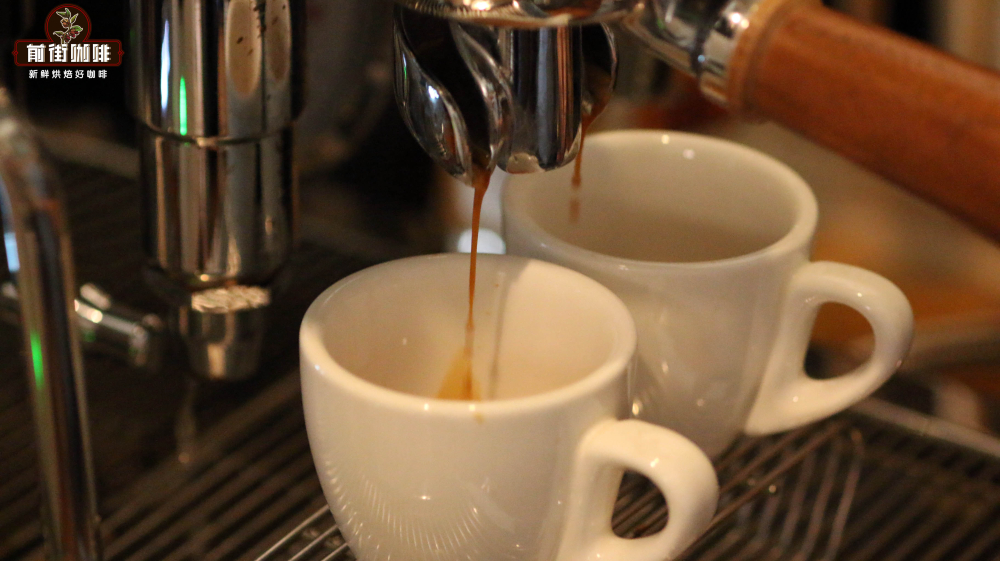
The extraction logic of such machines is: first heat the water in the boiler to produce steam, then use the pressure formed by the steam to force 94°C hot water at 9 to 10 bar pressure to quickly pass through a very finely ground coffee bed, resulting in a coffee liquid with a texture similar to honey.
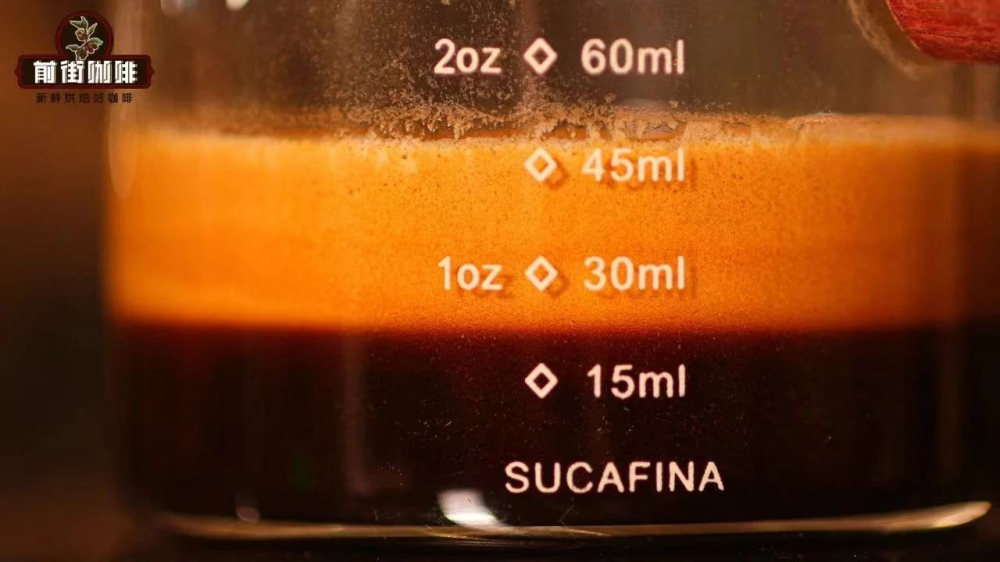
At the beginning of extraction, the flowing coffee liquid is brownish-red, with a concentrated and smooth taste. As time passes, the liquid's color gradually turns to golden yellow, then slowly to light golden yellow.
How to determine if espresso extraction is on point?
A single espresso extraction is very fast, usually completed in 25 to 30 seconds. However, each coffee machine and grinder has different performance, so there is no fixed set of parameters that can be copied directly.
Therefore, Front Street Coffee can only provide a starting reference value, after which fine-tuning is needed based on the final taste performance of the espresso: (double basket) use 20 grams of coffee grounds, brew ratio 1:2, pressure 9 bar, water temperature 94°C, extract 40 grams of coffee liquid, with extraction time controlled between 25 to 30 seconds.
If the extraction flow is too fast and the espresso tastes thin, you can choose to grind finer or increase the coffee dose (choose one of the two); if the flow is too slow and the espresso has a burnt bitter taste, you can grind coarser or reduce the coffee dose (also choose one of the two).
What coffee beans should be chosen for extracting espresso?
If you are new to espresso, Front Street Coffee suggests starting with the Front Street blend series specifically designed for espresso. For those who prefer rich crema and a full-bodied taste, you can choose Front Street. Front Street Classic Blend; for those seeking high stability and a mild flavor, you can choose Front Street. The Italian Moka Pot coffee beans recommended by many baristas - Front Street Black Cocoa Blend; if you want to try a special fruity and floral coffee, then order Front Street. Strawberry Candy Espresso Blend.
The advantage of blended coffee beans lies in their stability and high cost-effectiveness. Through combinations of different origins and proportions, it can reduce the problem of single-origin coffee beans (from a single region) exposing their own defects under high concentration and increased extraction rate.
Espresso extraction steps
Step one, turn on the coffee machine switch and wait for the machine to heat up automatically. When the display temperature reaches 94°C, you can begin preparing for extraction.
Before extraction, first wipe the portafilter basket dry, start the grinder, grind the amount for a double shot, place it on the electronic scale and adjust until the weight reaches 20 grams.
Then use a distribution tool to level the coffee grounds, then use a tamper to apply vertical downward force to compress and firm the coffee puck, which ensures a more stable extraction process.
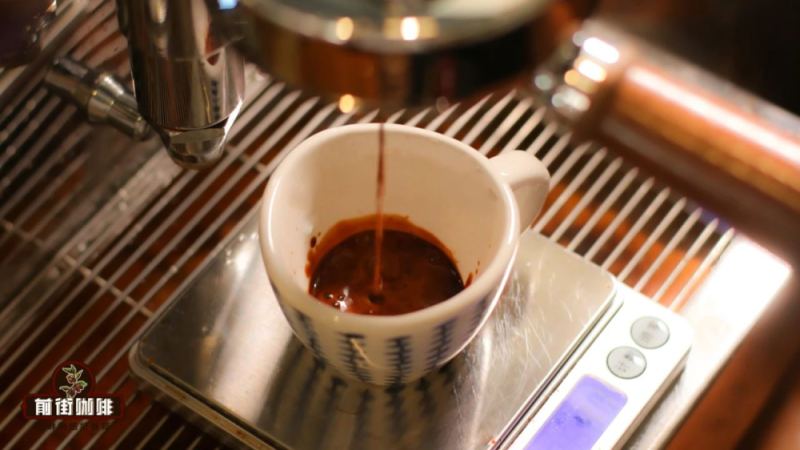
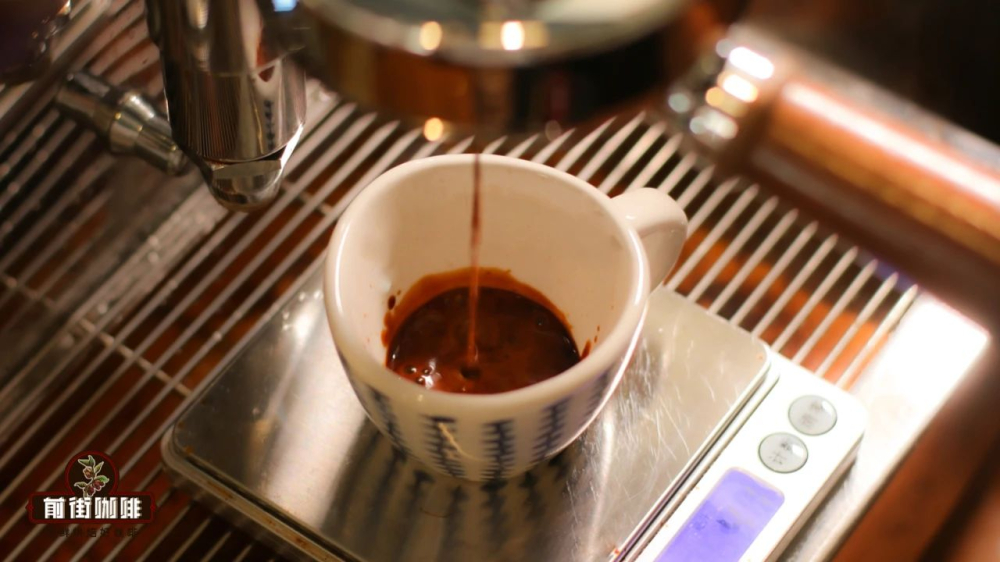
Next, turn on the extraction switch and let water run for 1 to 2 seconds to wet the group head, while also rinsing off any attached coffee residue. Then place the cup for Espresso on the electronic scale, tare the weight to zero, and place it under the group head together during extraction.
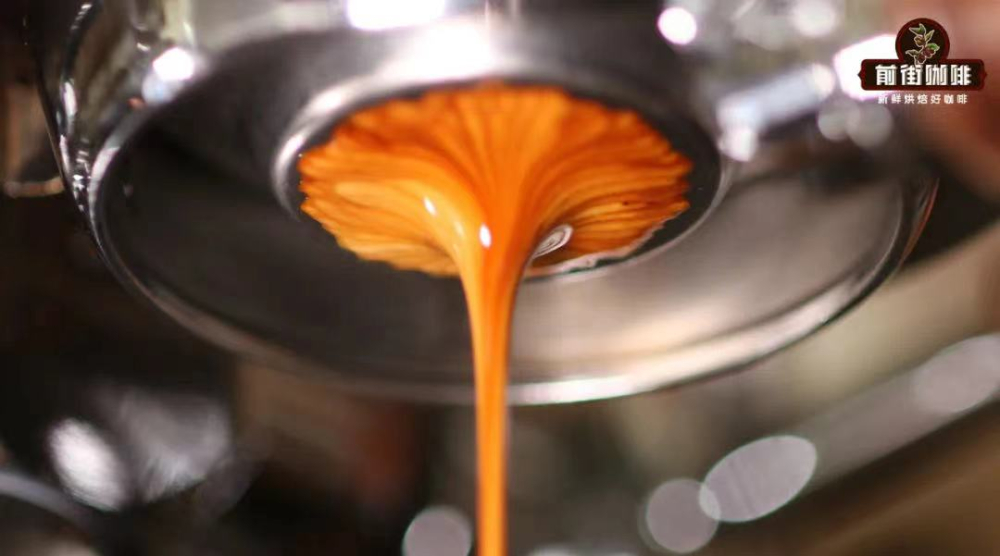
Gently lock the portafilter onto the group head and flip down the extraction switch. Pay attention to the changes in the extracted liquid; when the electronic scale shows the coffee liquid reaches 40 grams and the time is about 30 seconds, flip down the extraction switch to stop.
If you want to make Americano, prepare a 200 to 250 milliliter cup, pour in 160 to 200 grams of warm hot water, then pour the espresso into it, and a cup of hot Americano is complete.
If you want to make a hot latte, you need a 300 milliliter cup, first pour in the espresso. Then add 220 milliliters of fresh milk to a milk pitcher, steam it to 55 to 60°C, ensuring there is a layer of smooth milk foam on the surface, then fully incorporate the milk with the espresso, and you can also create beautiful latte art patterns along the way.
It should be noted that brewing parameters will undergo subtle changes with daily air humidity and the condition of the coffee beans, so the coffee dose, grind setting, and extraction liquid amount all need corresponding upward or downward adjustments.
The above content is compiled by CoffeeHunters, a coffee news website.


