







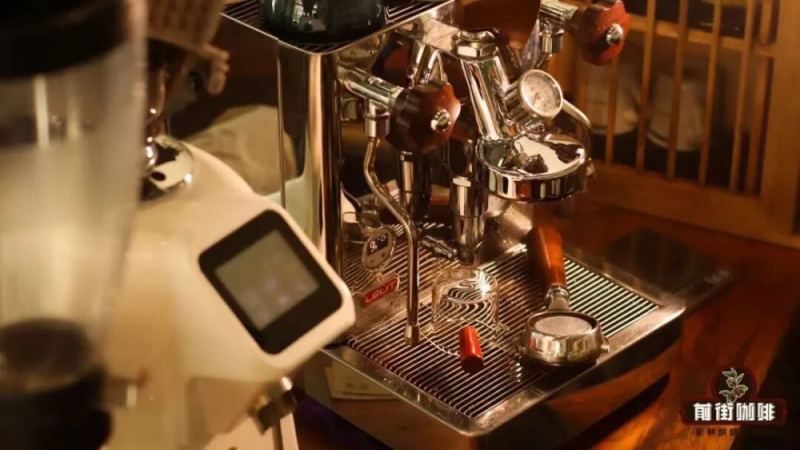
Which coffee machines suit a home espresso setup?
Semi-automatic and super-automatic machines split the home espresso market. Machines priced around three to four hundred yuan often have unstable pressure and uneven extraction, and producing golden crema is nearly impossible. A budget of 500 to 1,000 yuan suits beginners: operation stays simple, though crema is thinner and output less consistent. Semi-automatic models give more control once technique improves.
Inside any machine a boiler heats water, then high-pressure water near boiling passes through finely ground, evenly tamped coffee to yield roughly 30 milliliters of drink with a crema layer on top. Pairing equipment with fresh beans matters as much as the machine itself, and SOE coffee brewed as a single origin lets the grinder and dose show their effect on the shot.
Want to easily make an espresso with golden crema at home? Choosing the right machine and coffee beans is the key first step. There are many types of coffee machines on the market, from fully automatic to semi-automatic, with prices ranging from a few hundred to over a thousand yuan, and devices at different price points differ noticeably in extraction stability and crema performance. This article will systematically sort out the key points for buying a home espresso machine, compare the respective advantages of semi-automatic and fully automatic models, recommend suitable Front Street Coffee beans for different taste preferences, and finally include an espresso extraction workflow that even beginners can follow, helping you consistently produce a decent cup of espresso at home.
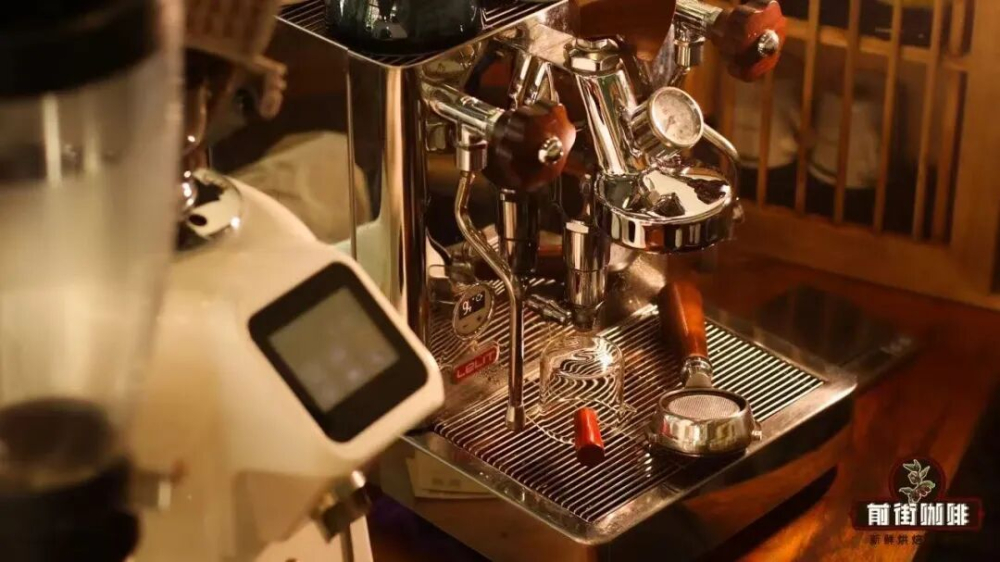
Coffee machines cover a fairly wide range of categories. Fully automatic and semi-automatic are just two branches among them; there are also siphon, drip, and high-pressure steam types, among others. Nowadays, drinking coffee at home has long become a daily habit for many people, and making it yourself is both convenient and practical. So what kind of coffee beans should a home coffee machine be paired with? And how can beginners make a qualified espresso?
First, a realistic point: espresso machines priced around three to four hundred yuan on the market are often jokingly called "toy machines" by enthusiasts. These machines often suffer from unstable pressure output and uneven extraction, and may emit a harsh "da-da-da" sound while working. Getting a beautiful layer of golden crema from them is almost impossible.
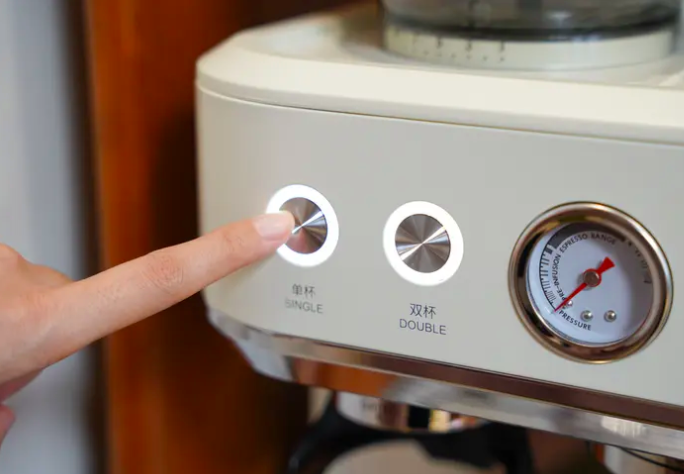
If you plan to start with entry-level equipment, it is recommended to set your budget in the 500 to 1,000 yuan range. This tier is more suitable for beginners who want to try making espresso at a relatively low cost. Its characteristics are an affordable price and not-too-complicated operation, but the crema is thinner, the espresso output is not stable enough, and the overall taste is relatively weak.
Coffee machines can be divided into different categories such as semi-automatic and fully automatic. Inside the machine, there is a boiler to produce hot water, and then high-pressure water close to boiling passes through finely ground and evenly tamped coffee powder, ultimately producing about 30 milliliters of drink, with a rich mouthfeel and a layer of fine crema on the surface.
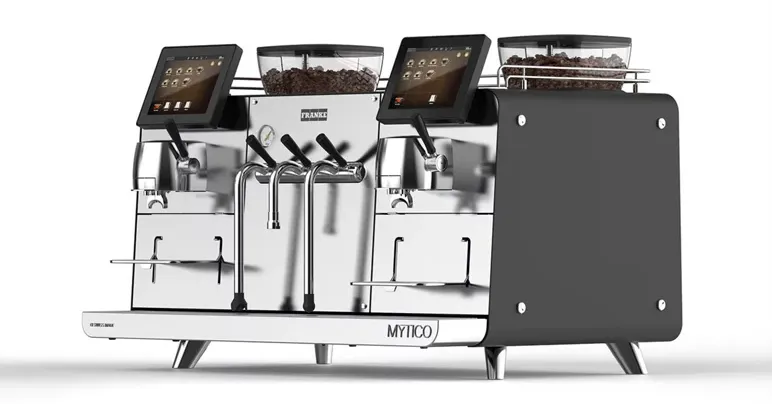
Semi-automatic models: equipped with one or more group heads, and generally require an additional grinder for use. The brewing time is relatively short, and they can efficiently handle commercial scenarios that require large amounts of rapid output. They offer strong controllability, and the flavor and strength of the espresso can be changed by adjusting various parameters.
Fully automatic models: with a built-in grinding device, the entire process is completed automatically by the machine, and the brewing time is longer than that of semi-automatic models.
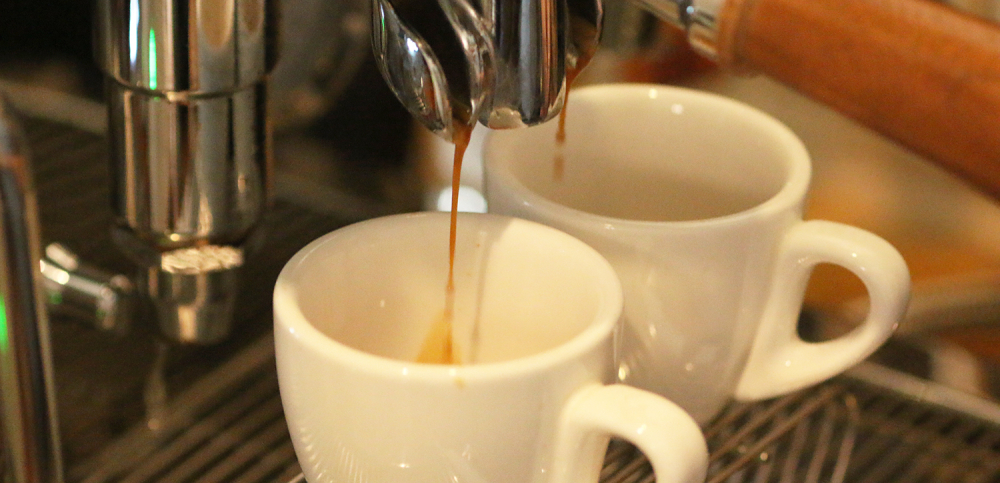
Thanks to the pressure-boosting function, espresso is not only rich in taste, but also forms a layer of fine coffee crema foam on the surface, commonly known as Crema. The color of the crema ranges between golden yellow and brown, and the aroma shows different flavor characteristics depending on the coffee beans used. When making espresso, it is recommended to choose medium-dark roasted coffee beans for a higher success rate.
What coffee beans are suitable for pairing with a home coffee machine?
If you prefer distinctive SOE coffee, you can buy Front Street Coffee. Brazil Queen Estate with roasted peanut aroma, Front Street Coffee. Golden Mandheling with a spice-forward character, or Front Street Coffee Strawberry Candy Espresso Coffee Beans that can showcase floral and fruity notes.
If you pursue stable extraction performance and balanced flavor, and want to casually make latte art, then choose Front Street Classic Blend with rich crema and a mellow mouthfeel. The extracted espresso naturally carries flavors of butter, toasted bread, and caramel cookies.
If you value balanced taste and high cost performance in a home espresso bean, Front Street Dark Cocoa Basic Blend is the first choice. This bean combines the acidity of ripe plums from Yunnan smallholder coffee, and after grinding, it gives off the aroma of creamy chocolate. When extracting espresso, it releases rich layers of nutty aromas such as almonds, apricot kernels, and roasted walnuts, bringing a comfortable bittersweet taste. After adding milk, it is smooth on the palate, with a full roasted aroma. When making a Dirty, not only does the powder layer look good, but a dark brown "tiger stripe" also floats on the surface of the coffee.
How do you make espresso with a home coffee machine?
Before extraction, first wipe the filter basket in the portafilter clean, start the grinder, grind a double shot's worth of coffee powder, and place it on an electronic scale to add or remove until it reaches 20 grams. Then use a distribution tool to level the coffee powder, and then use a tamper to apply force vertically downward, tamping the puck firmly to ensure a more stable extraction process.
Next, turn on the extraction switch and let water run for 1 to 2 seconds, which both wets the group head and rinses away residual coffee grounds on it. Place an electronic scale under the cup that will catch the Espresso, tare it to zero, and place it under the group head during extraction as well.
Gently lock the portafilter onto the group head and flip down the extraction switch. Pay attention to changes in the extracted liquid. When the electronic scale shows the coffee liquid has reached 40 grams and the time is about 30 seconds, pull down the extraction switch. Brewing parameters will change slightly with daily air humidity and the condition of the coffee beans, so the amount of coffee powder, grind setting, and extraction yield need to be adjusted accordingly.
Finally, prepare a 50-milliliter cup and pour the Espresso into it.
Espresso with added water becomes an Americano, and you can also add milk, syrup, cream, or spices to flavor it, making various flavored coffee drinks such as Macchiato, Cappuccino, Latte, and Mocha.
The above content is compiled by CoffeeHunters, a coffee news website.


