







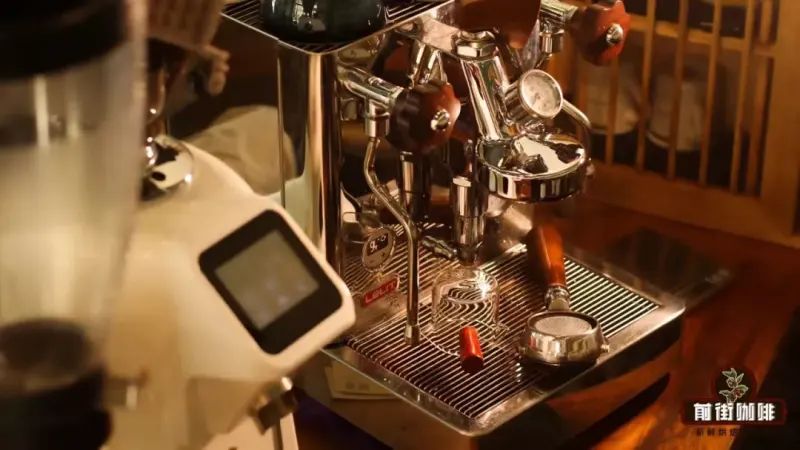
How Does a Semi-Automatic Coffee Machine Work at Home?
Home coffee machines split into two groups: fully automatic and semi-automatic. A fully automatic model grinds and brews with one press, and capsule or all-in-one machines belong in that group since they use pods or grounds. A semi-automatic machine leaves every extraction step to the user, from grinding and filling the portafilter basket to locking it in and starting the shot.
Semi-automatic operation suits anyone who wants a cocoa-cream flavored iced latte at home, because the person controls dose, tamp and shot timing rather than the machine. Choosing beans built for espresso matters just as much as technique. The process runs from grinding and tamping through pulling the shot to assembling the drink over ice with milk.
Home coffee machines fall into two major categories: fully automatic and semi-automatic. The former can complete grinding and brewing with a single press, while the latter requires the user to personally take part in every extraction step. For friends who want to make a delicious latte at home, understanding the key operating points of a semi-automatic coffee machine and choosing the right coffee beans suitable for espresso are unavoidable key steps. This article will start with the basic classification of home coffee machines, gradually introduce the extraction principles of semi-automatic coffee machines and suggestions for choosing coffee beans, and use a classic blend as an example to fully demonstrate the entire process from grinding, tamping, extracting espresso, to assembling an iced latte, helping coffee lovers easily recreate a cocoa-cream-flavored iced latte at home.
In home settings, coffee machines can broadly be divided into two types: fully automatic and semi-automatic.
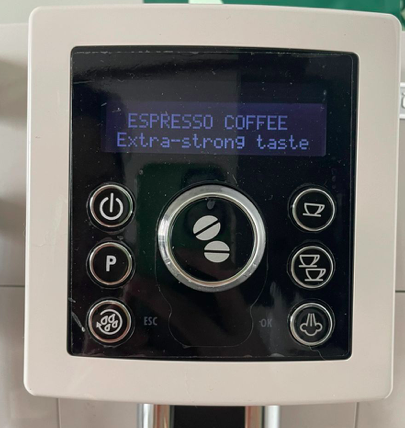
The advantage of a fully automatic coffee machine is convenience—just press one button, and the machine automatically completes grinding and brewing, so it is very popular at home and in offices. Many friends who have just bought a fully automatic coffee machine are often eager to try it as soon as they receive it, but they still do not know much about how to operate it specifically.
All-in-one coffee machines and capsule coffee machines, which have been growing in popularity in recent years, can actually also be classified as fully automatic coffee machines. Their biggest common point is being "automatic," making them very worry-free to use. The difference is that traditional fully automatic coffee machines use coffee beans, while all-in-one machines and capsule machines use semi-finished ingredients such as coffee grounds and coffee capsules.
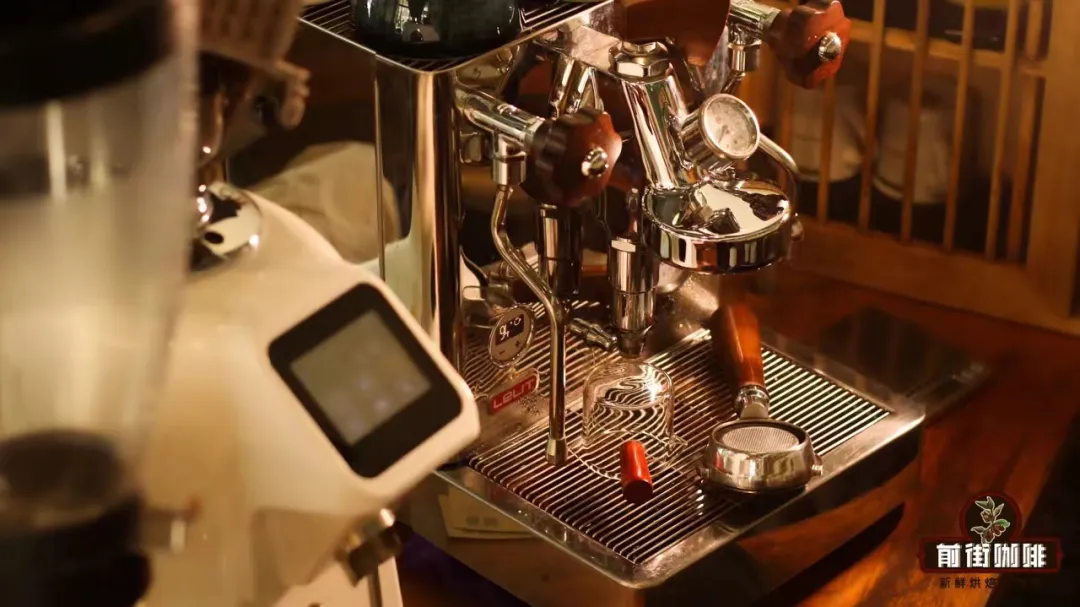
Compared with fully automatic models, semi-automatic coffee machines clearly leave the user much more room for operation.
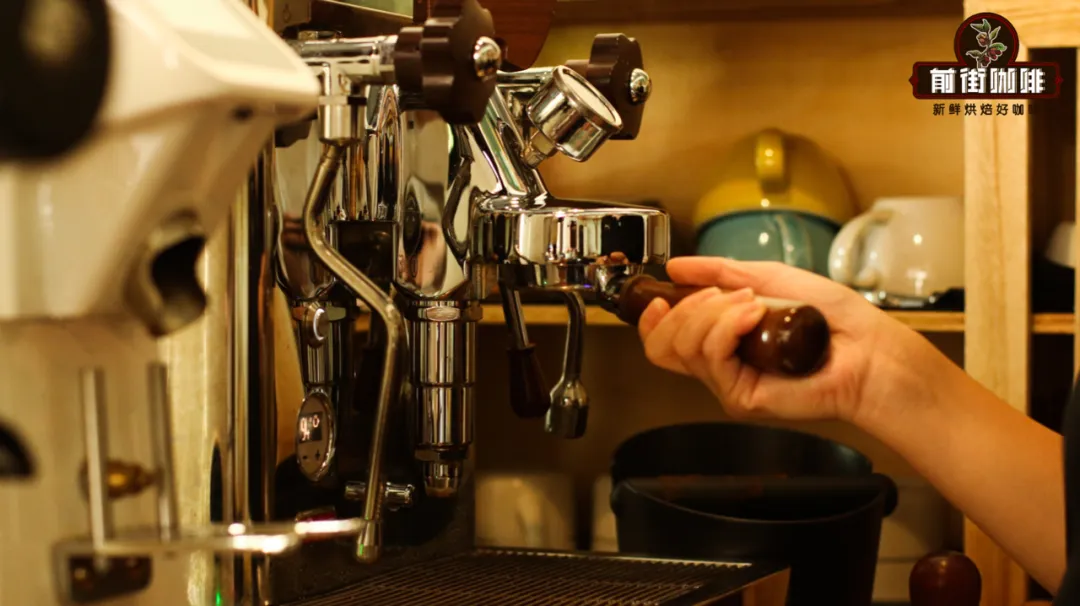
The meaning of a semi-automatic coffee machine is: the espresso extraction step cannot be completed independently by the machine and must involve the person throughout the whole process. From grinding the coffee and putting the grounds into the portafilter basket, to attaching the portafilter to the machine and starting extraction, every step requires manual operation, and the machine itself only provides the extraction function.
In addition, if you are making milk-based coffee, you also need to steam the milk yourself. The thickness of the milk foam and the temperature of the milk must likewise be judged and controlled by the person. In one sentence: every step must be done by hand.
To use a semi-automatic coffee machine smoothly, in addition to the many parameters that need adjusting, the choice of coffee beans is also very important. Lightly roasted beans have a shorter heating time and a dense internal structure, making it difficult for hot water to fully extract the flavor in a short time, and the result is often too sour and astringent. Therefore, when pairing with a semi-automatic coffee machine, it is more suitable to choose medium-dark roasted blends specially designed for espresso.
If you pursue rich crema and a full-bodied taste, you can try Front Street. Front Street Classic Espresso Blend. It is relatively easy to extract and can present flavors of caramel, roasted hazelnut, butter, and dark chocolate cookie, with a high success rate;
If you value cost-effectiveness and consistency of taste, you can choose Front Street. The espresso bean recommended by many baristas—Front Street Dark Cocoa Espresso Blend. It is blended from Yunnan small-bean and Brazil Red Bourbon, with notes of nuts, cream, and plum, and pairs well with all kinds of espresso drinks.
How to easily make a delicious latte with a home coffee machine?
The word "latte" is transliterated from the Italian "latte," which originally means "milk." So latte coffee, understood literally, can be seen as "milk coffee." Different shops vary somewhat in the ratio of milk to coffee, the beans used, and the extraction parameters. But overall, a latte is a drink made by mixing a large amount of milk with espresso.
Next, use Front Street. Front Street Classic Espresso Blend beans to make a cup of iced latte with cocoa-cream flavor.
Home coffee machines usually come with a portafilter, and the basket inside has the capacity for a double espresso, with a dose of about 18–20 grams. At Front Street, when making a latte, we are used to using 20 grams of coffee grounds and extracting at a 1:2 coffee-to-liquid ratio, that is, 20 grams of grounds extract 40 grams of coffee liquid. Extraction time is related to flow rate, generally controlled within 20–35 seconds for a single extraction.
Before formal extraction, Front Street will first prepare these: a ceramic coffee cup, a milk pitcher, and fresh milk. Step one: dry the basket, align it with the grinder's dispensing outlet, turn on the switch to grind a double dose of coffee grounds, and place it on an electronic scale to add or remove until it is exactly 20 grams. Then use a distribution tool to level the coffee bed, and then use a tamper to press down vertically so that the puck is compact and even, making extraction more stable.
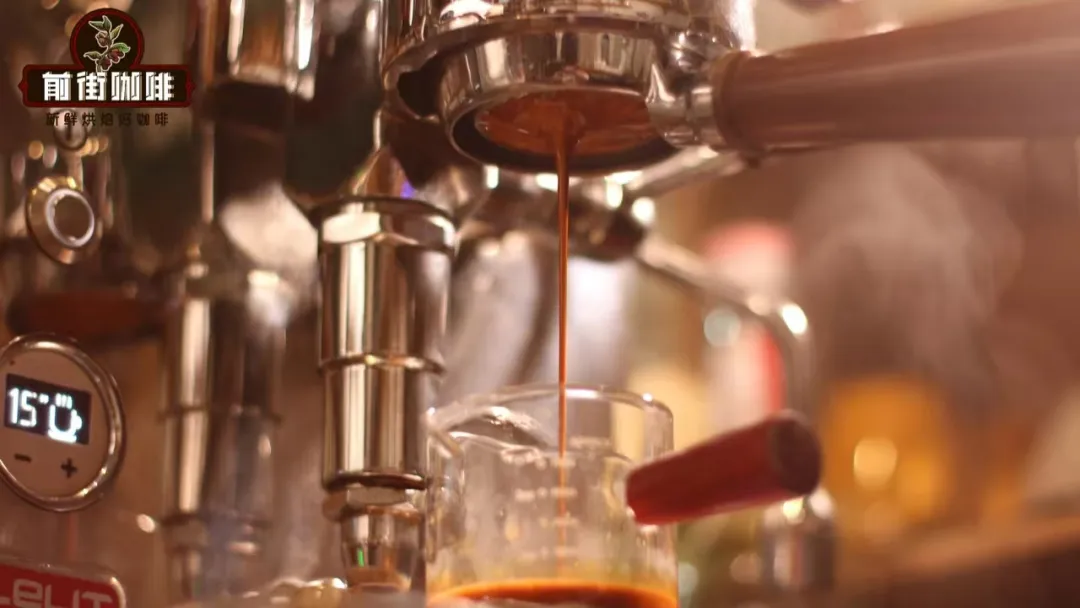
Next, turn on the extraction switch and let water run for 1–2 seconds, in order to wet the group head and also rinse away any residual coffee grounds on it. Place an electronic scale under the cup for collecting espresso and tare it to zero, then place it together under the group head during extraction. Gently lock the portafilter onto the group head and flip down the extraction switch. Pay attention to the state of the extracted liquid. When the electronic scale shows the coffee liquid has reached 40 grams and the time is about 30 seconds, flip the switch down, and you have a double Espresso.
Then take a cup, add 100 grams of ice cubes and 180 grams of milk, and finally pour in the espresso. Remember to stir evenly before drinking.
The above content is compiled by CoffeeHunters, a coffee news website.


