As we all know, manual coffee presses have becomeextremely popular in recent years. Although they can't do everything a semi-automatic espresso machine can, they can still extract similar high-concentration coffee! And with their affordable price and the convenience of not needing to be plugged in, manual coffee presses have successfully carved out a place for themselves in the coffee world.So many friends are curious: the price difference between manual presses and semi-automatic espresso machines is at least 10 to 20 times. With such a price gap, will the coffee they extract really not be very different?So today Front Street Coffee is going to compare them! Let's see just how big the difference is between espresso extracted by a manual press and a semi-automatic machine that cost 20 times more!(Front Street Coffee needs to emphasize here first: no sponsorship throughout, not an ad!)
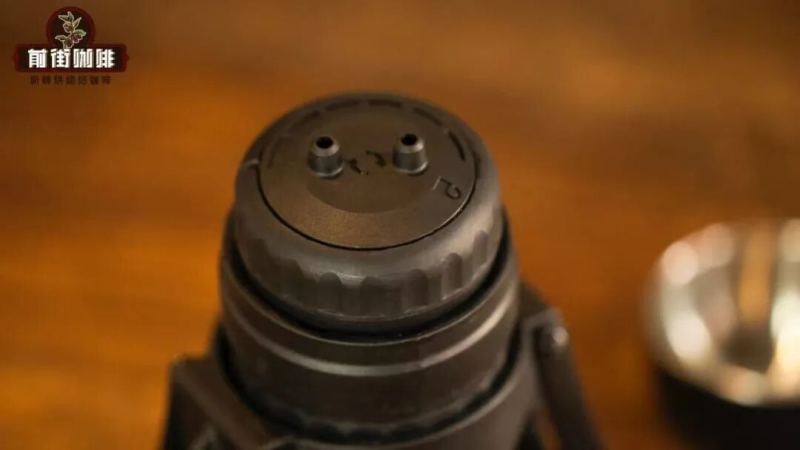
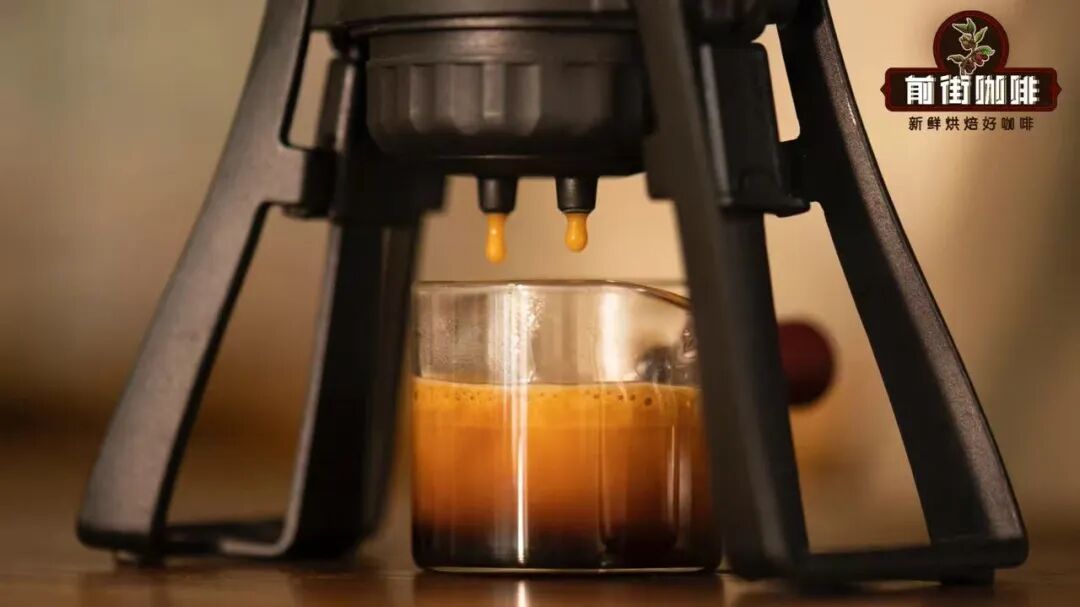
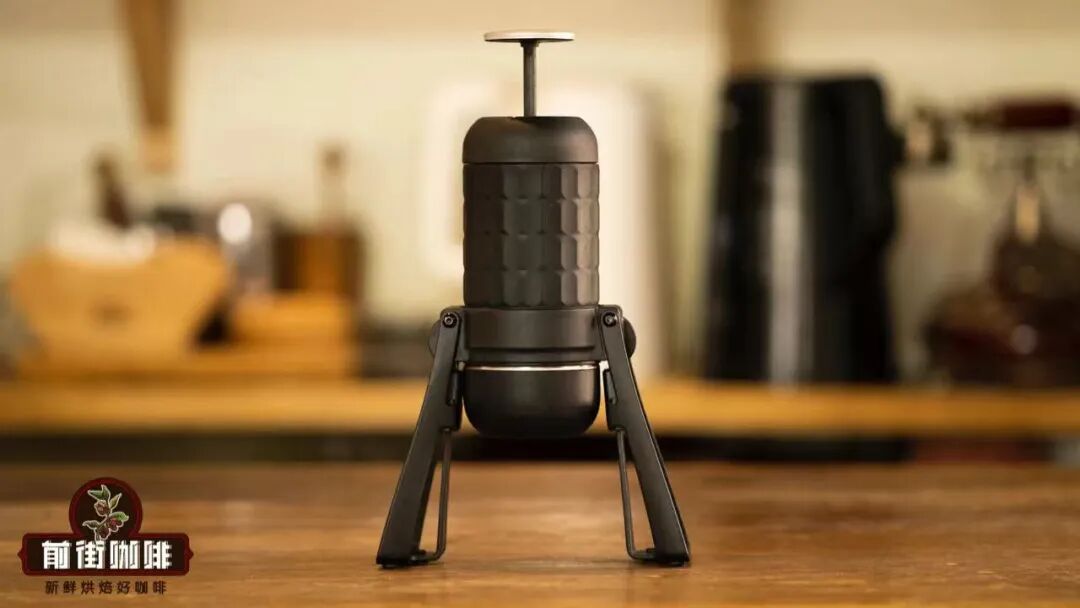
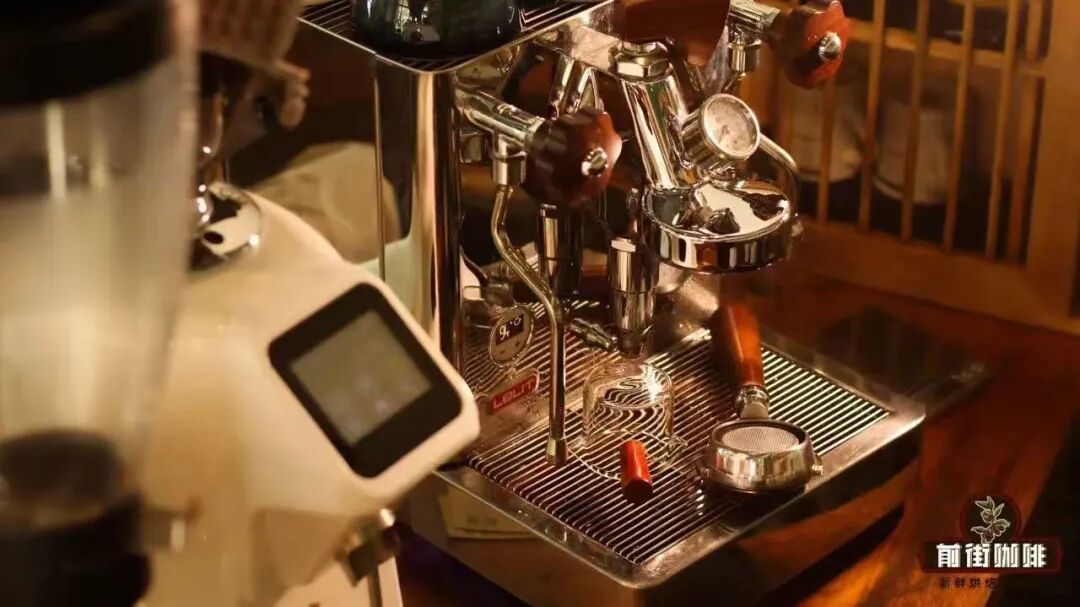
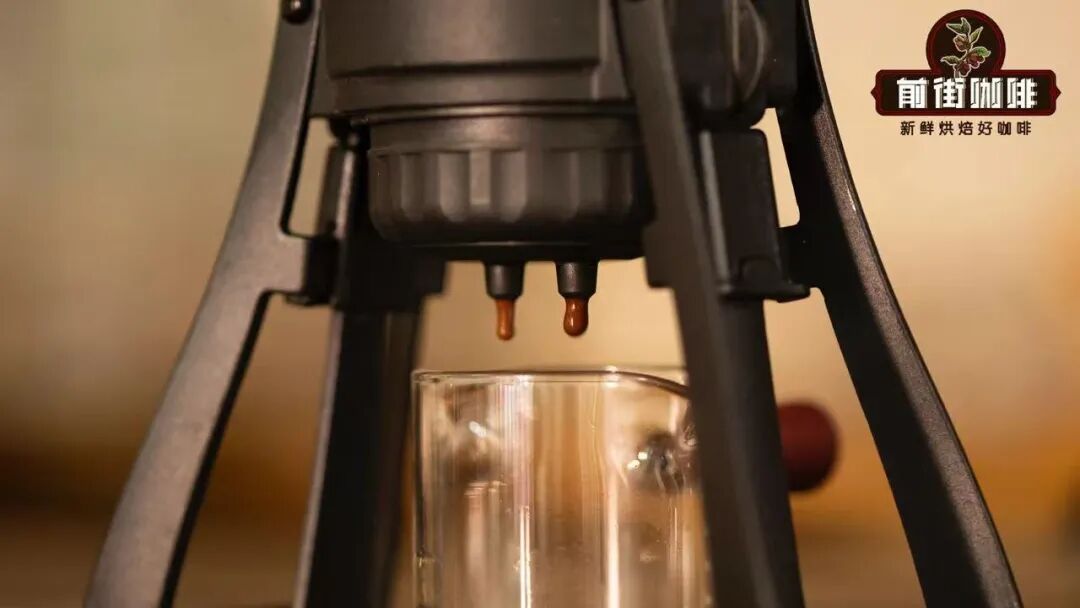
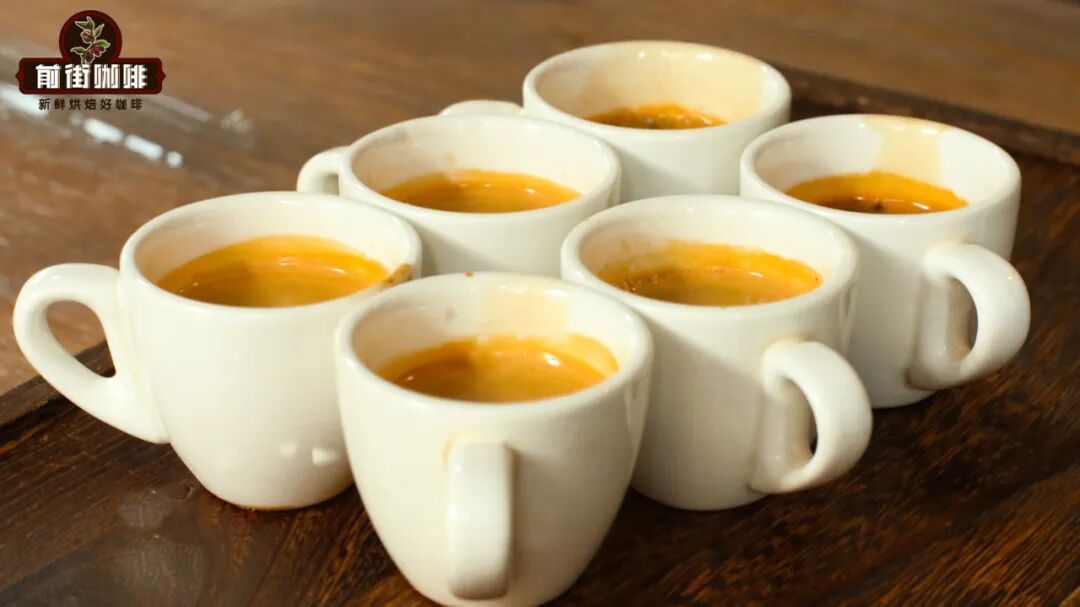
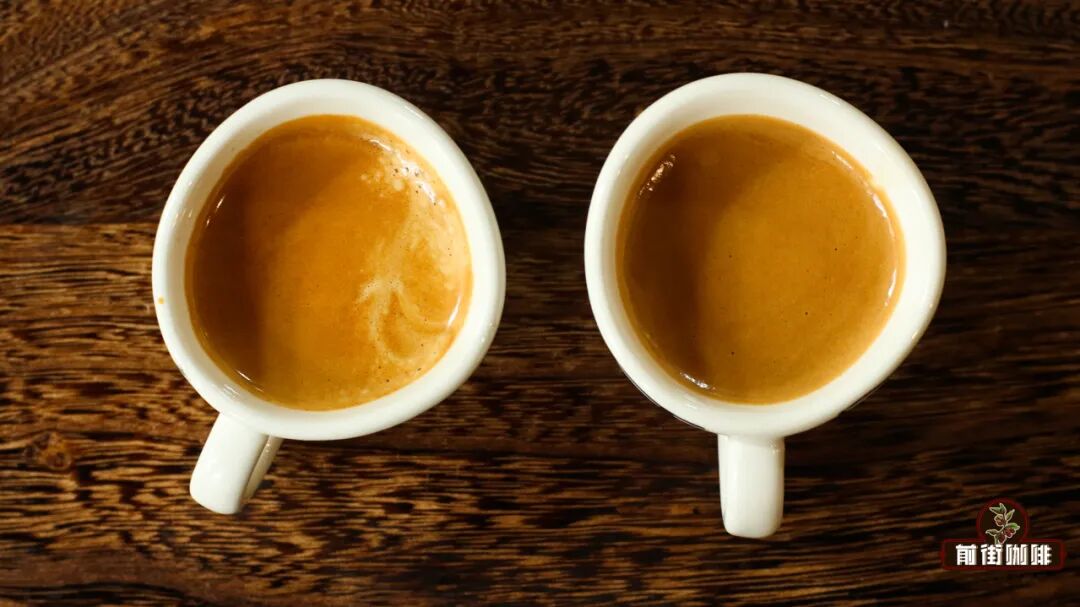
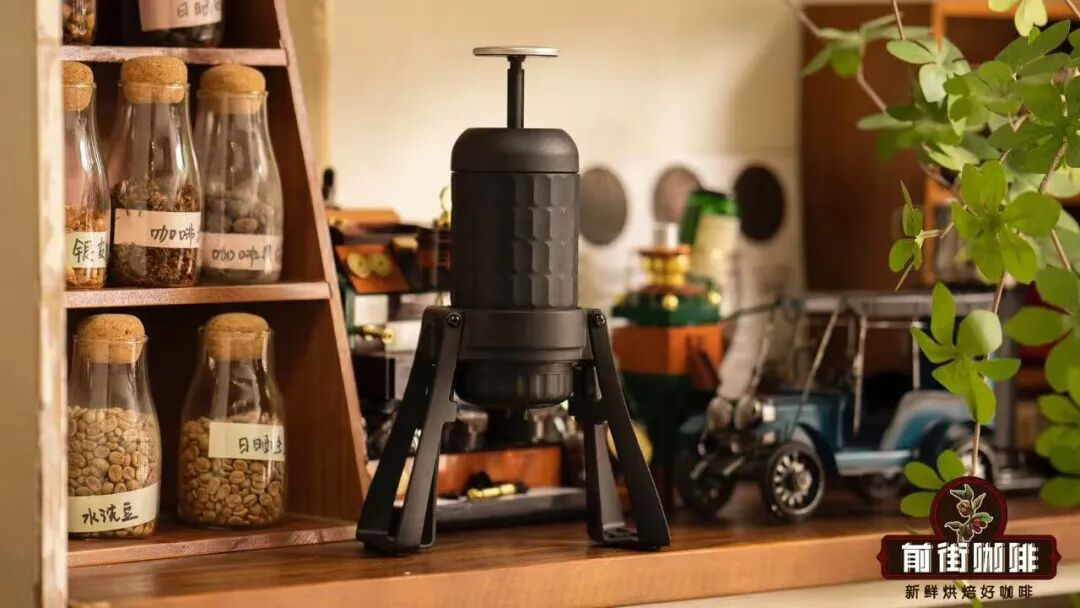
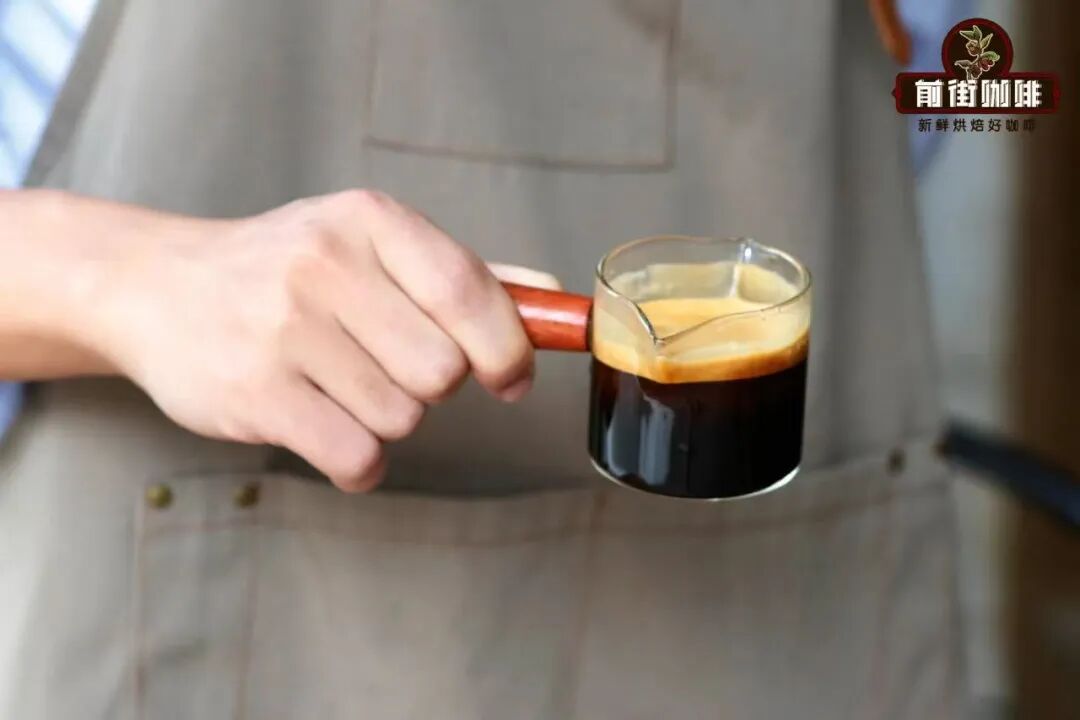
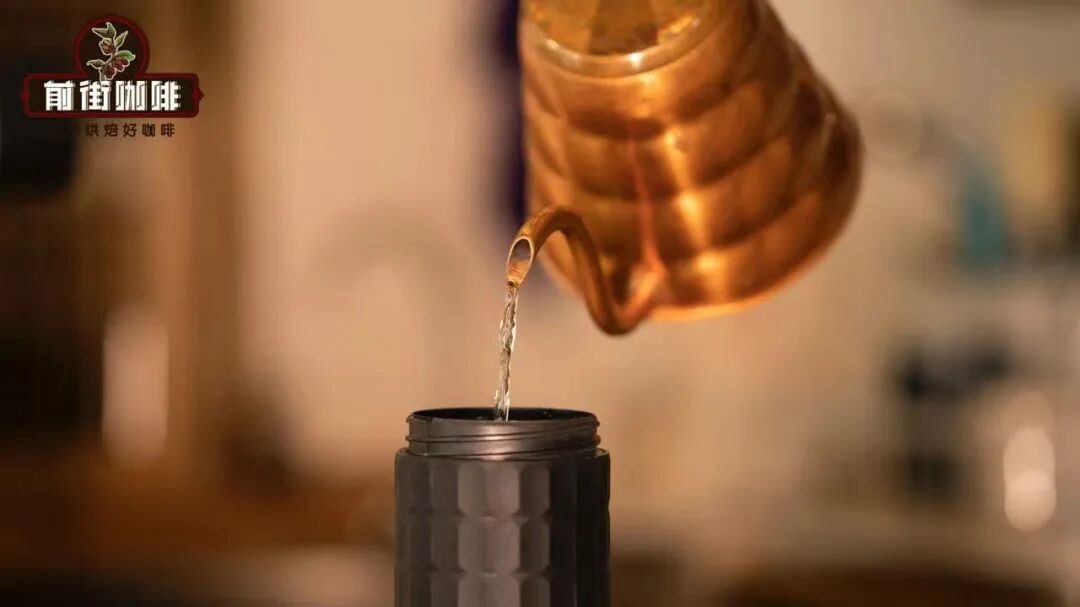
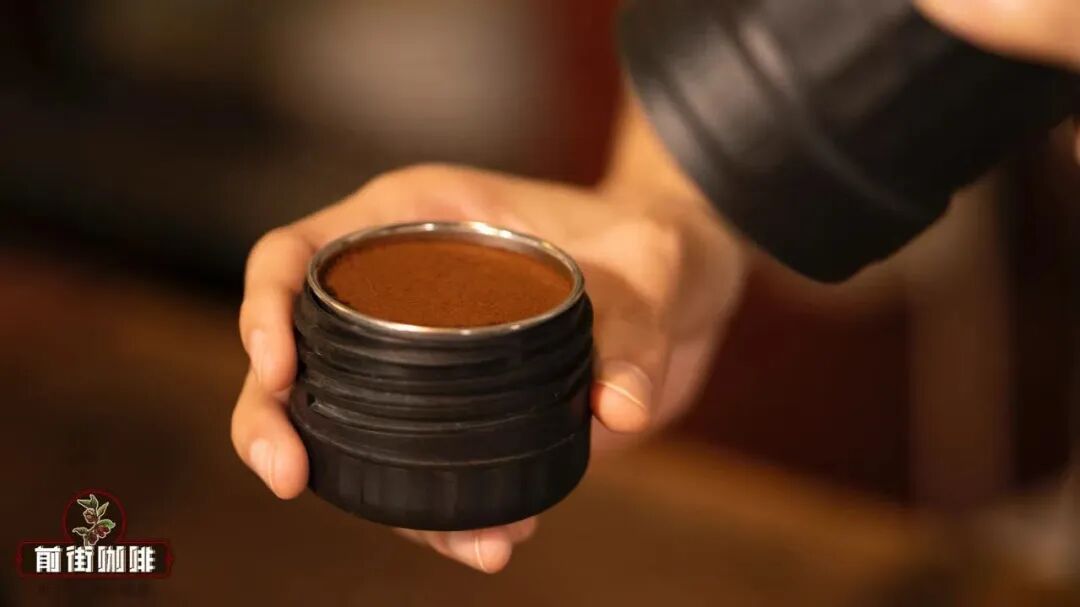
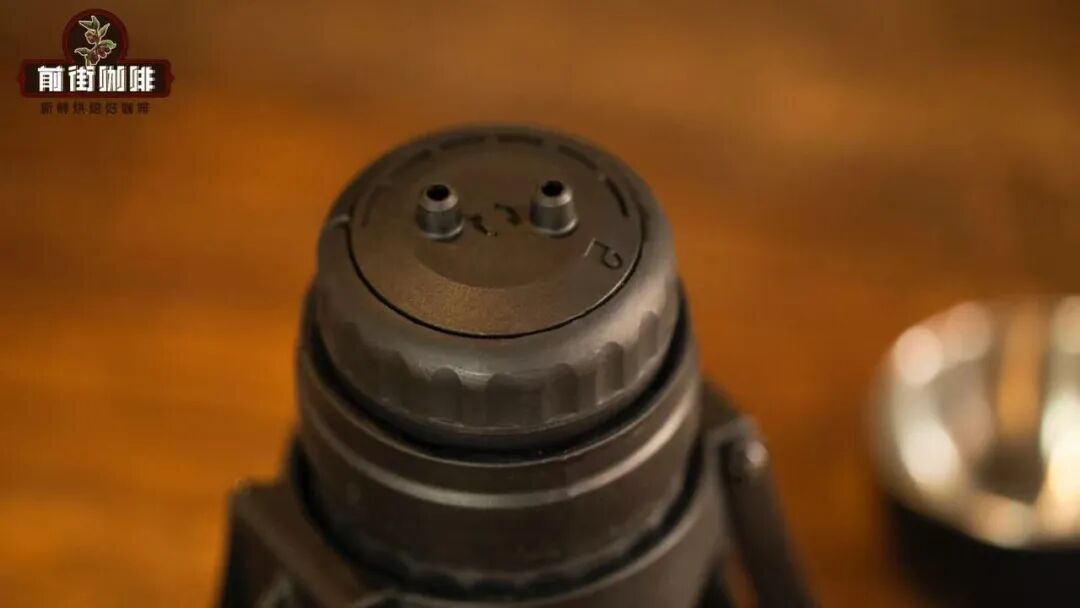
For the manual coffee press, Front Street Coffee is using an old relic purchased in 2022, the Staresso 3! According to friends who often visit the store, this model from Front Street Coffee has already been discontinued;For the semi-automatic espresso machine, Front Street Coffee is using the Lelit V3, which is what the store uses for its espresso output.The comparison is simple: Front Street Coffee will use the Staresso 3 and the Lelit V3 to each extract 3 shots of coffee, then measure their concentration and extraction yield respectively, take the averages for comparison, and finally taste them to see the differences in flavor.The coffee beans used this time are still the store's output beans: Warm Sun Blend. The extraction parameters are as follows: 19.5g dose, ground at 1.0 setting on the Galileo Q18, target yield of 38ml.We'll skip the extraction process! After extracting the coffee, Front Street Coffee immediately tasted it, then measured concentration and extraction yield separately and took the averages. Let's first look at concentration and extraction yield: the Staresso 3's average coffee concentration was 10.04%, with an average extraction yield of 20.27%; while the Lelit V3's average concentration was 10.60%, with an average extraction yield of 21.41%.In terms of concentration and extraction yield, the two are fairly close. And the same is true for flavor! Through tasting, Front Street Coffee found that the two differ only slightly in flavor and mouthfeel. The coffee extracted by the Staresso 3 has a slightly thinner mouthfeel, but everything else is fine.The flavors are all well expressed: whiskey, butter cookie, berry. The taste is also fairly balanced, neither sharply acidic nor burnt-bitter! At the same time, it can also extract a fairly rich crema, which is enough to show that the manual press can provide sufficient pressure! You can guess which of the following is the crema extracted by the manual coffee press, and which is the crema extracted by the semi-automatic espresso machine~Answer revealed: the right side is extracted by the semi-automatic espresso machine, and the left side is extracted by the manual coffee press. Did you guess correctly~ In summary, we can learn that, setting aside other functions, the coffee extracted by a manual coffee press can indeed rival a semi-automatic espresso machine in both flavor and mouthfeel.But after all, the price difference is so large, so the functions of a manual press cannot be as all-around as those of a semi-automatic espresso machine, and its stability will also be somewhat lower. However, if the output volume is not large and you don't have overly extreme demands for coffee, then a manual coffee press will be a very good alternative tool!(Note: here Front Street Coffee is referring to the not-so-expensive hundred-yuan manual presses! And once again: this is not an ad!)And many friends have actually accumulated quite a few questions by this point! Because if you have searched online for related reviews, you would find that many bloggers, when using this kind of manual coffee press(a hundred-yuan machine costing no more than a thousand yuan)have failed badly. Either the extracted coffee isn't concentrated enough, or there's no crema at all! And even if there is, it's more like rough bubbles squeezed out.The main reason such failures occur is that the parameters weren't used correctly! Pressure, water temperature, grind size, water amount, and dose are all important parameters for creating a cup of coffee with high concentration and rich crema. If they aren't used correctly, then the coffee you get will be as thin and bland as water, with crema as rough as if it were fake.No worries, Front Street Coffee will share some details to pay attention to when using a manual press! First, we need to know that a manual press is not like an espresso machine—its pressure and extraction method are quite different from those of an espresso machine!Without modifying it into a pneumatic manual press,the pressure it uses when extracting coffee is not very stable. So if you don't plan to modify your manual press, then the other parameters need to be used a bit more extreme!And Front Street Coffee chose a fairly extreme water temperature of 95°C, which can increase the efficiency of hot water dissolving substances! Then, because a manual press requires us to add water manually, we need to additionally prepare a water-heating tool to boil the hot water before adding it. But note that when using a manual coffee press for the first time, we'd best preheat the water tank with hot water first, and then pour in the hot water used for extraction. The purpose of this is to reduce the water tank's absorption of heat from the hot water, so that the water temperature during extraction can be more stable. Then, as for grinding, Front Street Coffee recommends using the same grind size as for an espresso machine! Because the formation of pressure requires resistance, and when the puck provides higher resistance, we can apply more pressure during extraction. So when extracting with a manual coffee press, as far as grind size goes, the finer the better. Then, just like with espresso machine extraction, in order to avoid channeling, after filling the coffee grounds we should try to distribute and tamp the grounds evenly.Manual coffee presses generally have an adjustable pressure valve, such as the Staresso 3, which is regulated by a dial at the bottom. Under normal use, Front Street Coffee generally recommends turning the dial all the way to the bottom and opening the pressure to the maximum.Finally, there's the water amount. The amount of water determines the concentration of the coffee.If we want to extract a cup of high-concentration coffee, then Front Street Coffee recommends strictly controlling the amount of water used or the liquid weight extracted. When extracting a shot of espresso, the brew ratio we use is 1:2. If we want the coffee extracted by a manual coffee press to have a concentration comparable to espresso, then we can also use the same brew ratio. Converted to a coffee-to-water ratio, that would be 1:3.5~4.Alright, that's roughly the content. If you're interested, you can research manual coffee presses from different brands on your own. Front Street Coffee won't introduce them here~
 The above content is compiled by CoffeeHunters, a coffee news website.