







How Much Should You Spend on a Coffee Machine?
A semi-automatic coffee machine should be picked by price tier, because performance across the category varies enormously. Toy machines under about 500 yuan (around $70) tend to give beginners unstable pressure, uneven extraction, and harsh rattling noise, so they are worth skipping. From entry-level to advanced and high-end models, features, stability, and extraction quality improve step by step, which is why matching the machine to your budget and experience matters more than price alone.
The comparison works by brewing the same Front Street specialty blend coffee beans on machines at different price points and judging the actual extraction results. A semi-automatic handles only extraction and milk steaming — grinding, distributing, tamping, and latte art all stay manual — so grind size, dose, brew ratio, flow rate, and pressure all sit in the user's hands. That hands-on ritual, and coffee close to cafe quality, is what draws people to spend more than pour-over gear requires.
To make a rich, velvety espresso at home, a semi-automatic espresso machine is the top choice for many coffee lovers. However, machines on the market range from a few hundred yuan to tens of thousands, with huge differences in performance and output. This article starts with price tiers, breaking down the features and target users of entry-level, advanced, and high-end semi-automatic espresso machines one by one, and combines the actual extraction performance of Front Street specialty blend coffee beans on machines at different price points to help you find the machine that best suits your needs and avoid wasting money.
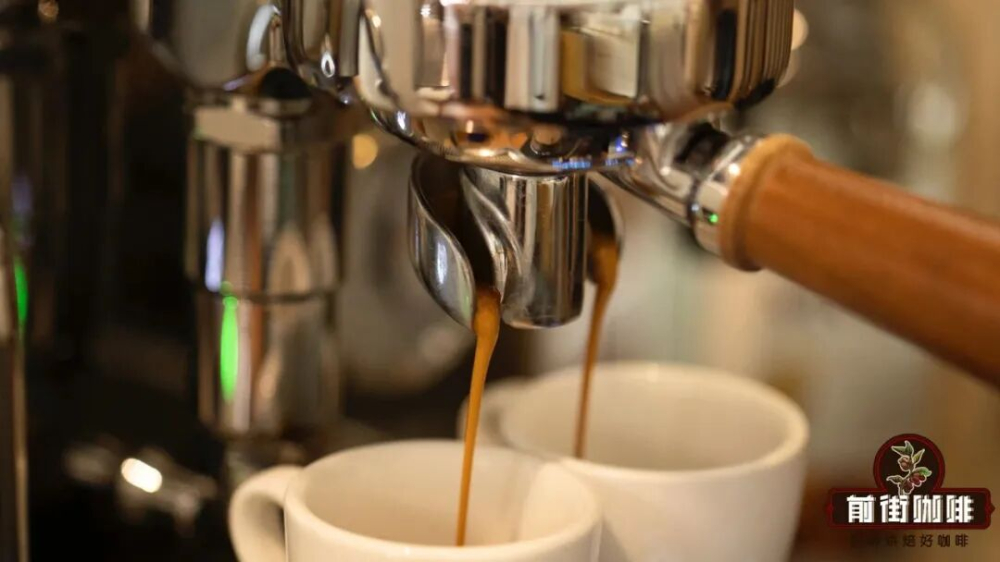
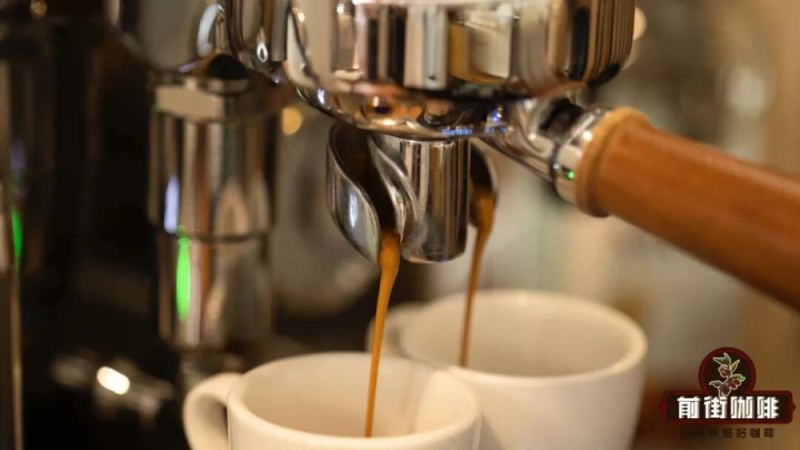
A so-called semi-automatic espresso machine is a dedicated device for making espresso. From grinding coffee beans, distributing the grounds, tamping, and extracting, to steaming milk and pouring latte art, the entire process must be done by hand. It involves a series of variables such as grind size, dose, brew ratio, flow rate, and pressure. Only by getting all these key parameters right can you achieve the ideal taste in every cup. It is precisely because this process is so hands-on that many friends are willing to spend extra budget (compared to pour-over equipment) to experience this ritual at home and enjoy coffee close to cafe quality.
People often ask Front Street for recommendations on semi-automatic espresso machines, but this category of products has an extremely wide price range, many varieties, varying performance, and appearances that are dazzling, plus it involves numerous brands. So Front Street generally does not casually recommend a specific model, but instead suggests that everyone choose according to their own actual needs — "treat the cause with the right remedy."
Let's talk about price first. Open any shopping platform and you'll find that a semi-automatic espresso machine (excluding the grinder) is priced from a few hundred yuan to several thousand, and even over ten thousand. As a beginner just starting out, how exactly should you choose?
First, do not touch "toy machines" under 500 yuan
Front Street's view is that if you were an experienced barista, as long as the beans are of good quality and the extraction approach is correct, cheap equipment can still make delicious coffee. But beginners lack hands-on experience after all. If you use a "toy machine" costing three or four hundred yuan, you will most likely run into unstable pressure and uneven extraction, and the machine may even emit a harsh "tat-tat-tat" noise while running. Making a cup of coffee leaves you physically and mentally exhausted — truly not worth the trouble.
A qualified espresso needs to be extracted under continuously stable high temperature (around 93–95°C), even and sufficient high pressure (around 9 Bar is generally regarded as the ideal extraction pressure), and uninterrupted water flow, from a puck of coffee that has been finely ground, evenly distributed, and moderately tamped.
In other words, the semi-automatic espresso machine you choose must at least satisfy the above extraction conditions simultaneously to provide a basic starting point for making espresso. The "toy machines" under 500 yuan fall far short of this standard.
Second, choose according to your needs within your budget
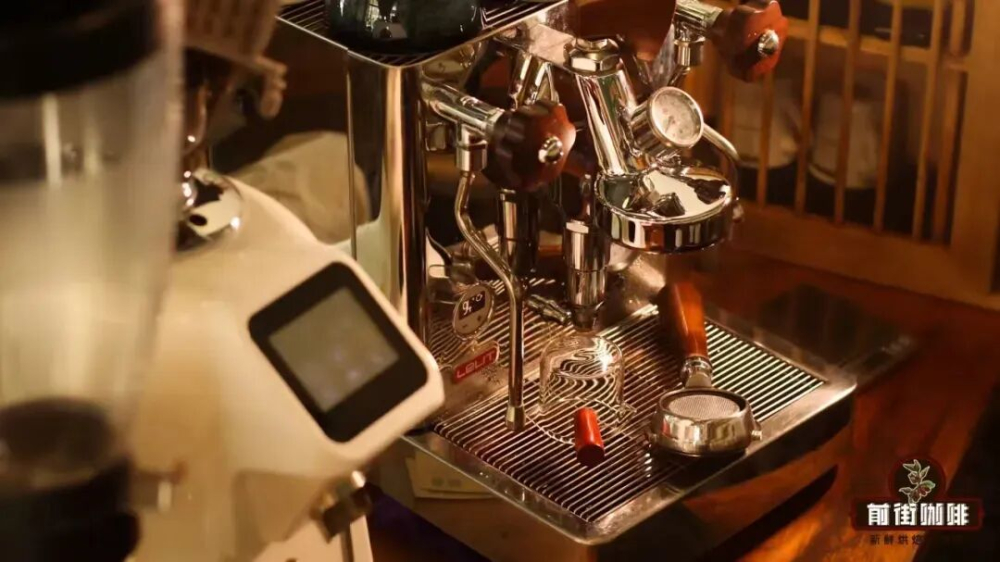
Although the price range of semi-automatic espresso machines is wide, if we exclude "toy machines" under 500 yuan and commercial-grade equipment above 6,000 yuan, and measure by the needs of ordinary household users, they can roughly be divided into the following tiers:
1. Entry-level (500–1,000 yuan), suitable for beginners who want to experience making espresso at a lower cost. Features: affordable price, low operating threshold, but less crema, unstable espresso output, and relatively weak flavor.
2. Advanced (1,000–3,000 yuan), suitable for enthusiasts who want to improve espresso quality by upgrading hardware. Features: relatively stable pressure, weaker steam wand performance, and average controllability.
3. High-end (3,000–6,000 yuan), suitable for players who want to get it right in one step and replicate cafe-style drinks at home. Machines in this price range usually come with dual boilers, can stably maintain pressure at 9 Bar, and are more efficient at both extraction and milk frothing.
Although a more expensive machine with more functions does not necessarily make coffee that tastes better, there is indeed a clear positive correlation between the two. To some extent, good equipment is easier and more enjoyable to use, and there is a reason it costs more. So if you truly want to step into the world of semi-automatic espresso machines, do not be led astray by those cheap, fancy-looking devices. Instead, refer to the tiers above, set a reasonable budget for yourself, and then make your move.
Third, comprehensive judgment
From a consumer's perspective, when buying a semi-automatic espresso machine, it is best to first examine the brand and sales volume. For brands, prioritize those with a good reputation; for models, choose the higher-selling ones first.
Setting advertising factors aside, a coffee machine brand with a good reputation means it has gained greater recognition. For example, brands such as Ge*Lai, De*, Ma*, and Bo*, which are relatively favored by domestic consumers, have accumulated a lot of positive reviews. And high-selling models (within your budget) usually provide more complete after-sales service and warranty, so if the machine breaks down, you can get repair support in time.
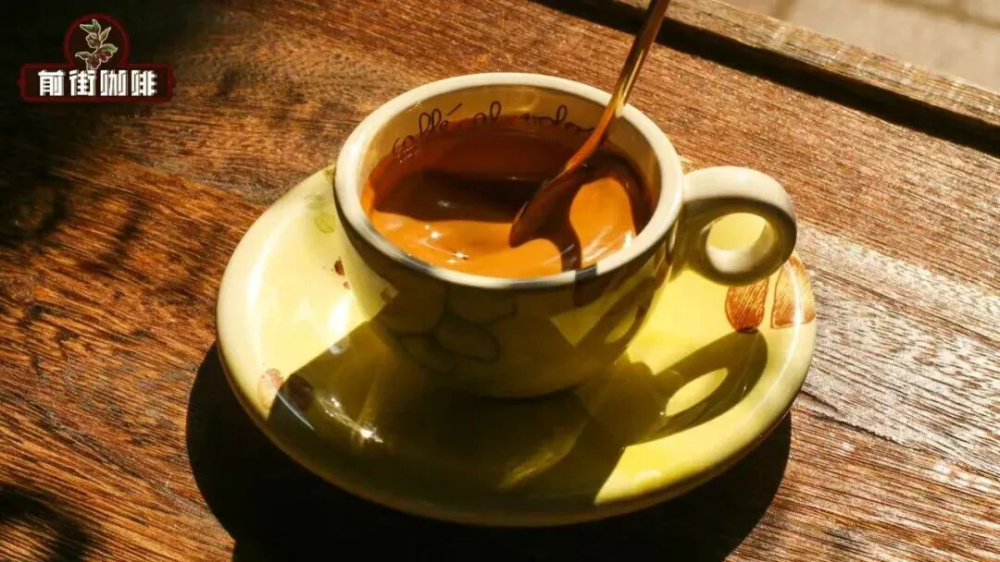
If you still can't make up your mind, why not go directly to the product review section and look at the real output photos posted by other buyers. When the espresso shows brownish-yellow crema, or when the latte art shows relatively clear patterns, it means the pressure and steam have reached the passing line, and you basically don't need to worry too much about extraction.
Conversely, if the espresso has no crema at all, or the crema dissipates quickly and looks dry and hard, and the latte art is just a blob of rough white foam, then it is best not to rush to place an order and instead compare a few more options.
Just how big is the difference in espresso extracted by coffee machines costing hundreds, thousands, or tens of thousands?
Front Street once conducted a comparison test, using medium-dark roasted Front Street specialty blend coffee beans (with flavor notes of mixed nuts and caramel biscuit) and extracting on several semi-automatic espresso machines at different price points:
The espresso made by equipment costing 500–1,000 yuan had crema on the yellowish side, with faint nutty and roasted aromas and a relatively thin body; the coffee machine in the 2,000 yuan range produced noticeably thicker crema with a deeper color, and when made into an Americano, roasted peanut and creamy flavors stood out, with moderate body;
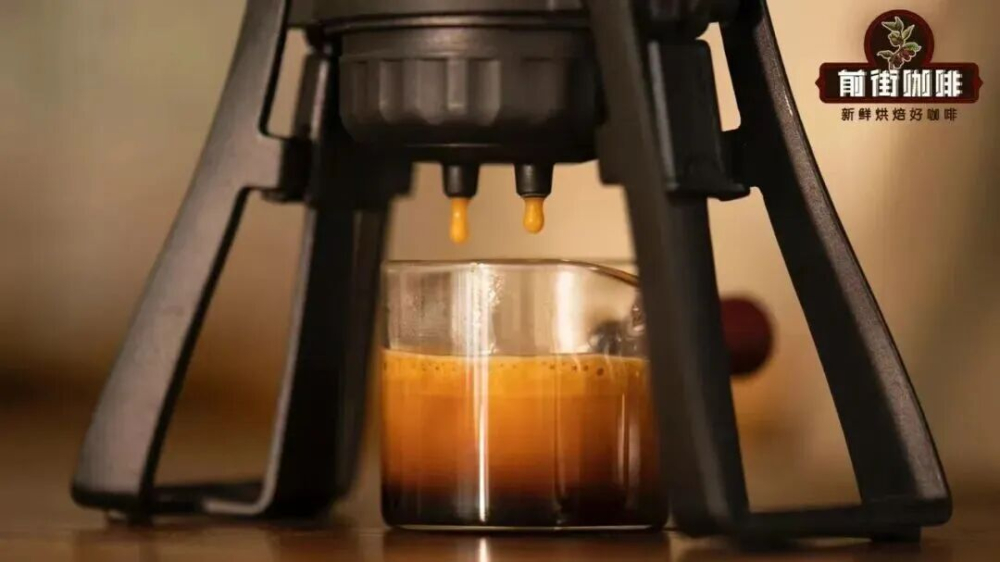
while the espresso extracted by a commercial-grade coffee machine costing over ten thousand yuan at a cafe not only had abundant crema and stable, visibly fine foam, but also continuously gave off aromas of cocoa and wafer biscuits. Whether made into an Americano or a milk coffee, it could express distinct aromas of caramel, cream, and almond.
- END -
The above content is compiled by CoffeeHunters, a coffee news website.


