







How to Make Coffee in a Machine: Semi-Automatic Steps
A semi-automatic espresso machine cannot complete extraction on its own. The user grinds the coffee, doses it into the portafilter basket, locks the handle onto the group and starts and stops the shot by hand. That control is why most independent coffee shops use semi-automatic machines, and it is also what lets a home user adjust the result.
Fully automatic models trade that control for convenience: they grind, dose and brew at the press of a button, but offer fewer ways to correct a shot. Understanding how an espresso machine works, particularly how pressure and water temperature act on the puck, explains why semi-automatic machines pair well with medium-dark roasts such as Front Street Specialty Blend Coffee when making Americano, latte, cappuccino or flat white.
Once drinking coffee becomes a daily habit, many people start thinking about getting a home espresso machine. It saves money, lets you enjoy freshly ground coffee anytime, and gives you a chance to practice making common drinks like Americano, latte, cappuccino, and flat white at home. But when it actually comes time to choose, many people get stuck on one question: should I buy a fully automatic or a semi-automatic? From the perspective of Front Street, this article first explains the basic definition and workflow of a semi-automatic espresso machine, then compares the convenience and limitations of fully automatic models, and finally offers buying advice. It also draws on extraction principles to explain why semi-automatic machines pair better with medium-dark roasted Front Street Specialty Blend Coffee or Front Street Strawberry Candy Espresso Coffee, helping you pick the equipment that suits your needs.
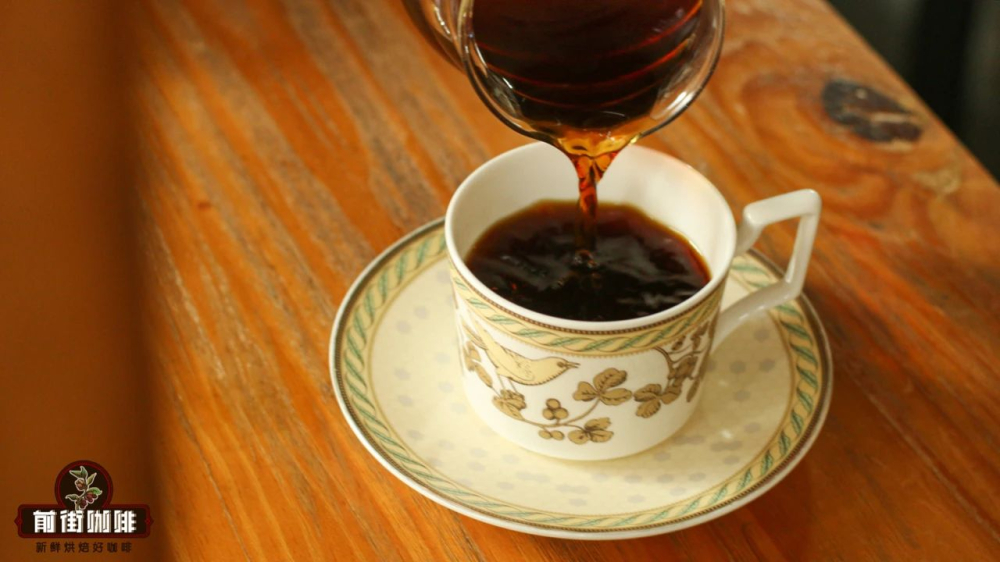
When drinking coffee gradually becomes a daily habit, many people simply add a coffee machine to their home. You can make a cup whenever you want, which cuts down on coffee spending, lets you enjoy the freshest freshly ground flavor, and gives you a chance to practice making drinks commonly found in cafés, such as Americano, latte, cappuccino, and flat white.
However, when shopping online, beyond price and brand, most people run into an unexpected source of confusion: should the coffee machine be fully automatic or semi-automatic?
Since many people have never actually used a coffee machine before, their understanding of it often stops at "a machine that extracts espresso," and they don't know there's a distinction between fully automatic and semi-automatic. That's fine—today Front Street will talk about the difference between semi-automatic and fully automatic coffee machines, and how to choose.
What is a semi-automatic espresso machine?
Generally speaking, the machines used by the vast majority of independent coffee shops, as well as what we usually mean when we talk about coffee machines in everyday discussion, refer to semi-automatic espresso machines.
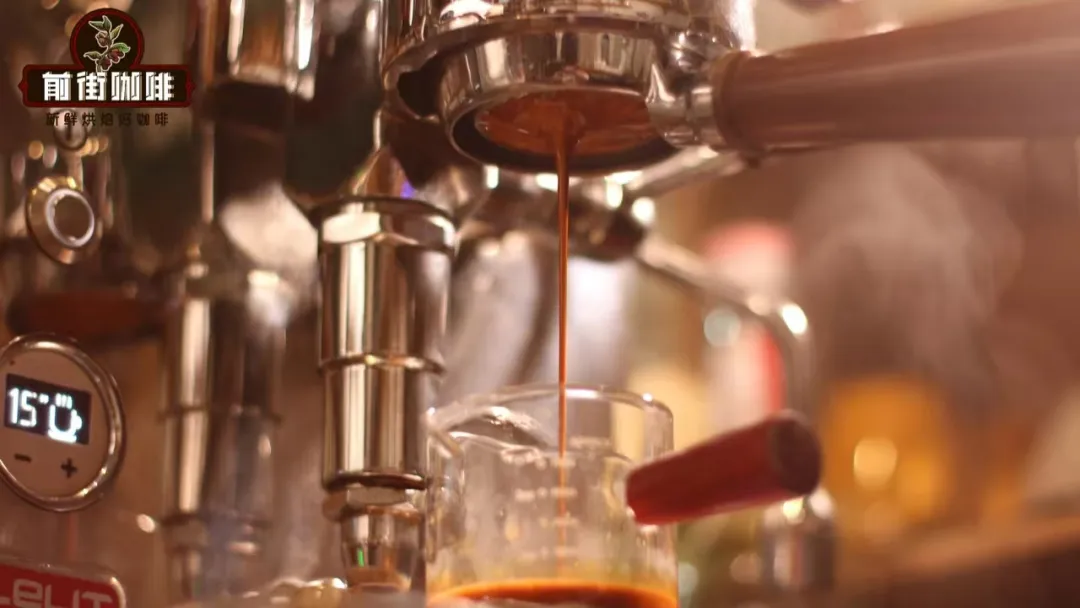
A semi-automatic espresso machine means the "process" of extracting coffee cannot be completed by the machine on its own—a person must assist throughout and do it all by hand. From grinding coffee grounds and loading them into the portafilter basket, to locking the handle onto the machine and starting the extraction, every step must be done yourself; the machine only provides the extraction function.
In addition, if you want to make milk coffee, you also need to steam the milk. Likewise, the thickness of the milk foam and the temperature of the milk must be controlled manually. In short, every step requires your personal involvement.
Moreover, after each extraction, you also need to clean the extraction area of the coffee machine; otherwise, over time, this will negatively affect the coffee's taste and the machine's condition.
At the same time, to make good-tasting coffee with a semi-automatic machine, you not only have to adjust many parameters but also choose the right coffee beans. Coffee roasted too light has a short heating time and a hard internal texture, so hot water struggles to fully extract flavor compounds in a short time, making the coffee prone to tasting sour and astringent. For this reason, when using a semi-automatic espresso machine, medium-dark roasted Front Street Specialty Blend Coffee, Front Street Specialty Blend Coffee, and Front Street Strawberry Candy Espresso Coffee are recommended.
What is a fully automatic coffee machine?
This one is simple. A fully automatic coffee machine means that after you press the corresponding function button, the machine completes the task automatically. For example, if you press the espresso extraction button, the machine will grind and extract according to the set values, and you just need to wait quietly for the coffee to be ready.
Even for making milk coffee, the coffee machine can do it with one touch, automatically heating the milk and automatically steaming the milk foam without manual intervention. So "fully automatic" means a coffee machine that can complete extraction relying on the machine itself. Afterward, we only need to regularly clean the puck bin and extraction chamber, unlike semi-automatic machines, which require cleaning after every extraction.
How should you choose?
Since the two are different types, there is no good or bad distinction. When choosing, just buy the machine that suits your needs. (Although Front Street still recommends semi-automatic espresso machines more.)
The advantage of a fully automatic coffee machine is that it is simple, convenient, and has a low barrier to operation. If you don't want overly cumbersome operations, don't have many demands on taste, or don't want to study coffee extraction in depth (in other words, you just want to satisfy your coffee craving), then a fully automatic coffee machine will be a good choice. Because the machine can do everything for you, it is very convenient.
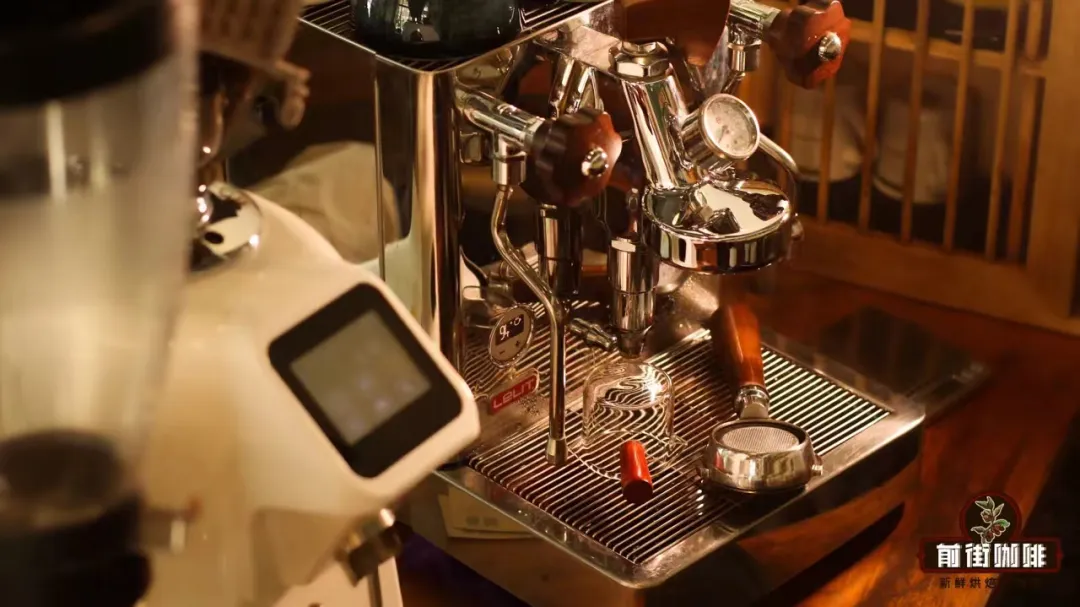
But the drawbacks are also obvious: lack of flexibility, and adjustments are not easy. Even at lower price points, many functions of the coffee machine cannot be adjusted, such as grinding. Therefore, when functions are missing, the taste of a cup of coffee depends entirely on how well the beans match the coffee machine.
The reason coffee shops need to dial in every morning is that beans constantly change from day to day, and these changes affect the taste of the coffee each day, so they need to be corrected by dialing in the espresso in the morning.
But many fully automatic coffee machines cannot make such corrections because they lack the corresponding functions. That's why Front Street says that only if you don't have very high demands for coffee taste should you entertain the idea of buying a fully automatic coffee machine. Or, places like offices that provide coffee to many people are the ones equipped with fully automatic coffee machines. If you have demands for taste, then choosing a semi-automatic espresso machine is still the most appropriate.
The flexibility and ceiling of a semi-automatic machine are very high, since the entire process must be completed by a person. Cumbersome operation is indeed a drawback, but precisely because of this, we can adjust parameters at any time to make the perfect coffee in an ideal state.
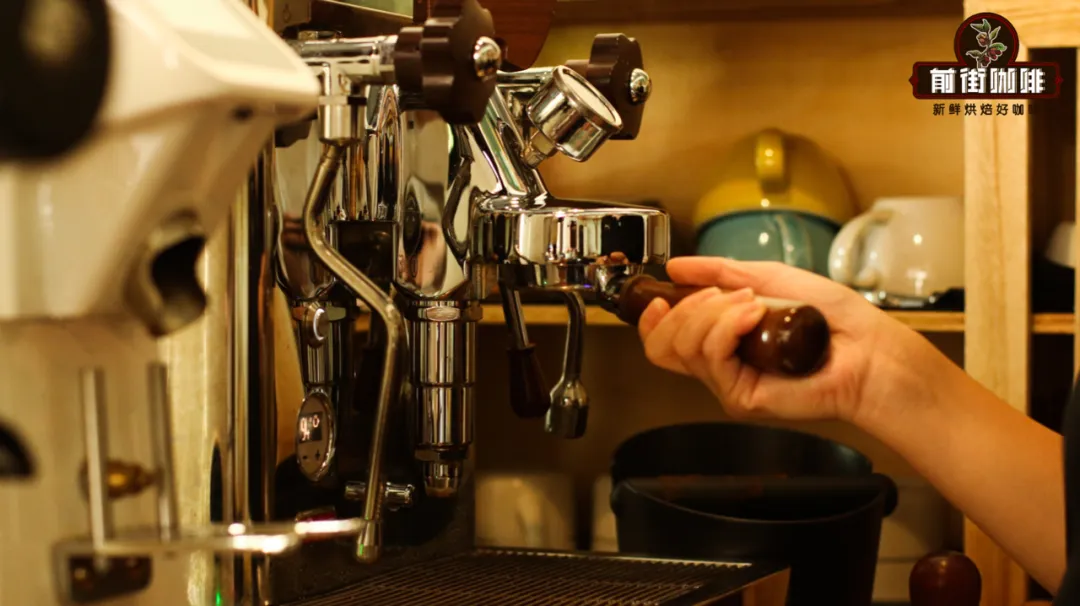
Correspondingly, when buying one, we need to start learning knowledge related to coffee extraction. Because although a semi-automatic espresso machine has a high ceiling, its floor can also be very low. And if we master coffee extraction, then making a delicious cup of coffee at any time could not be simpler!
The above content is compiled by CoffeeHunters, a coffee news website.


