







How Did Early Coffee Machines Become Today's Espresso Makers?
Angelo Moriondo proposed a steam-driven coffee machine and exhibited it at the 1884 Italian Expo, using two boilers: one heated water, the other made steam that pushed hot water through the grounds. He patented the device but never put it into commercial production, so the real spread of espresso coffee machines came later.
La Pavoni built the first true espresso machine in 1905, and the Faema E61 in 1961 laid the foundation for the modern semi-automatic design. When was the first coffee maker invented is a question that splits between Moriondo's concept and Pavoni's working machine. Home coffee machines now let enthusiasts pull shots with stable parameters and rich crema.
Every coffee shop's uniquely shaped espresso machines actually hide a centuries-spanning story of invention. From Angelo Moriondo's concept of a steam coffee machine in 1884, to La Pavoni building the world's first true espresso machine in 1905, to Faema E61 laying the foundation for the modern semi-automatic machine in 1961, the evolution of espresso machines has never stopped. Today, small home machines let enthusiasts easily produce rich coffee. For the needs of stable extraction and rich crema, Front Street Coffee recommends both SOE single-origin and espresso blend bean lists, and shares in detail a complete plan from dose and extraction ratio to operating details, helping readers recreate at home a cup of Espresso with golden crema.
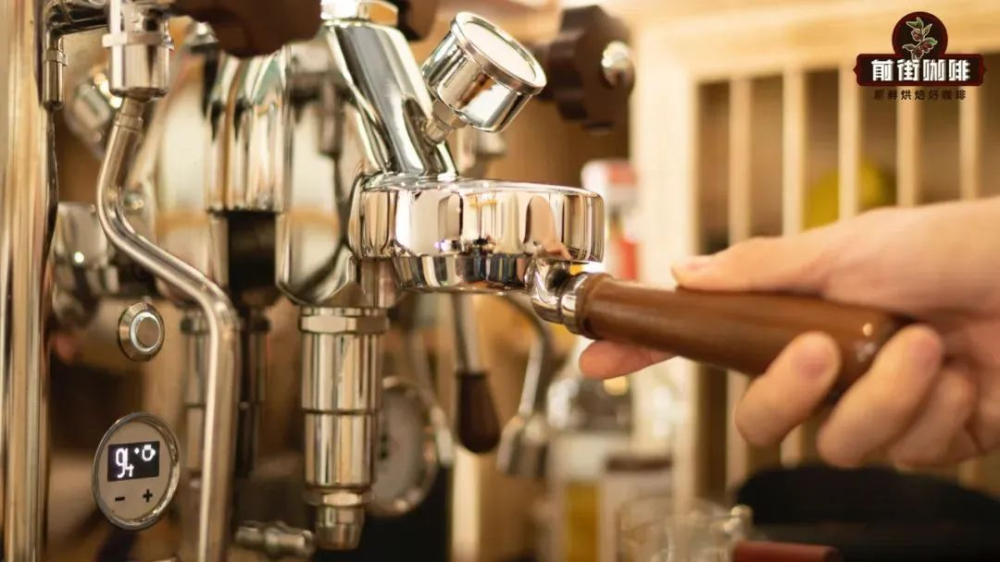
Walking into any coffee shop, besides the decor style, what first catches the eye is often that uniquely shaped espresso machine—it has almost become the signature of each shop's character.
Although brands and appearances vary greatly, the operating logic is highly consistent: a few simple actions yield a cup of rich coffee with abundant crema. But when you press the extraction button every day, have you ever wondered: who exactly came up with this machine?
Who invented the espresso machine?
Before the espresso machine appeared, people extracted coffee mainly with moka pots, cookware, or various drip devices, all of which shared the common trait of requiring a considerable wait. The Italian Angelo Moriondo was rather impatient with this long wait, so he began researching, first proposing the concept of a coffee machine, and exhibited the machine itself at the 1884 Italian Expo.
This device had two boilers, one main and one secondary: the main boiler heated water, while the secondary boiler specifically generated steam. When extraction was needed, the steam from the secondary boiler pushed the hot water from the main boiler through the coffee grounds to complete extraction. Although it was not yet a true espresso machine, its appearance was epoch-making for coffee culture as a whole.
Mr. Angelo built this first-generation machine, but only applied for a patent for "steam equipment for rapidly making coffee by steam operation," and did not push it into commercial production. You should know that at the time, this was already the fastest coffee-making device.
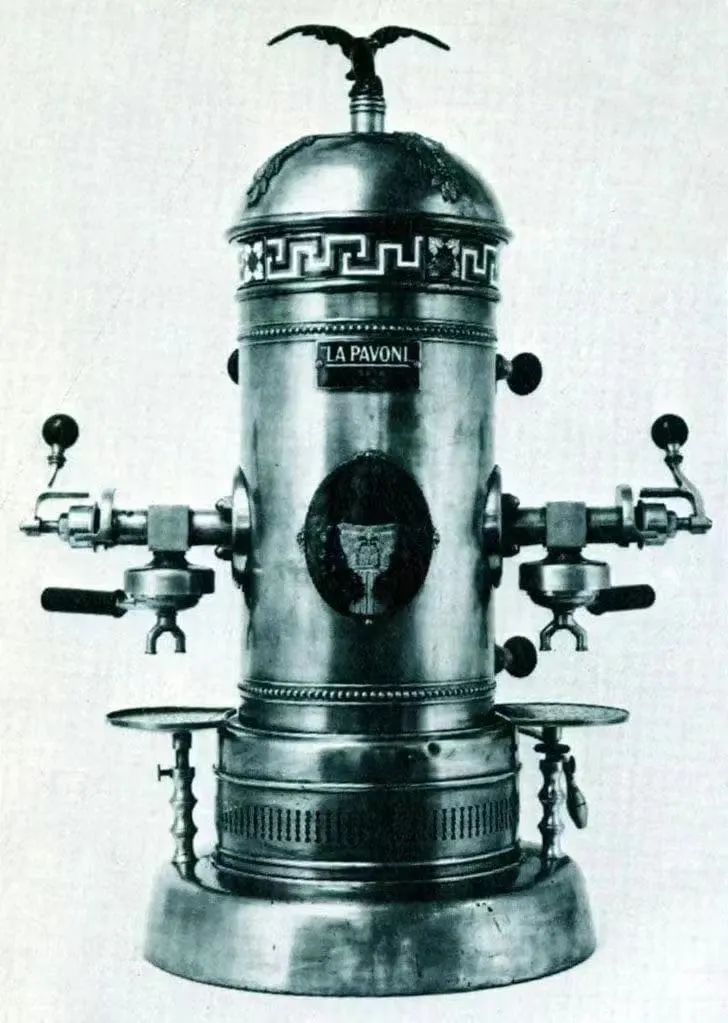
Time advanced to 1901, when a Milanese mechanic improved the original coffee machine, making it easier for the public to use, and then applied for a patent for a coffee machine usable for commercial purposes. Four years later, in 1905, Desiderio Pavoni of La Pavoni bought this patent and improved it, adding a brewing head. At this point, the world's first espresso machine was officially born.
Because the original machine made only black coffee, not espresso, it can only count as the world's first coffee machine, while this one is truly the first espresso machine.
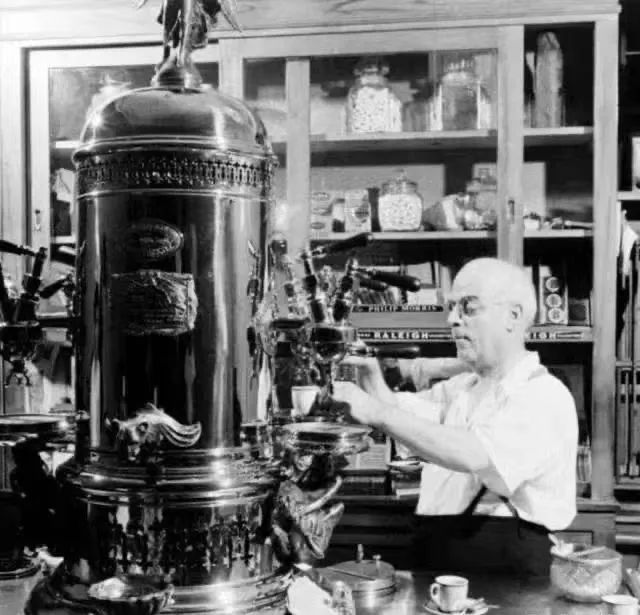
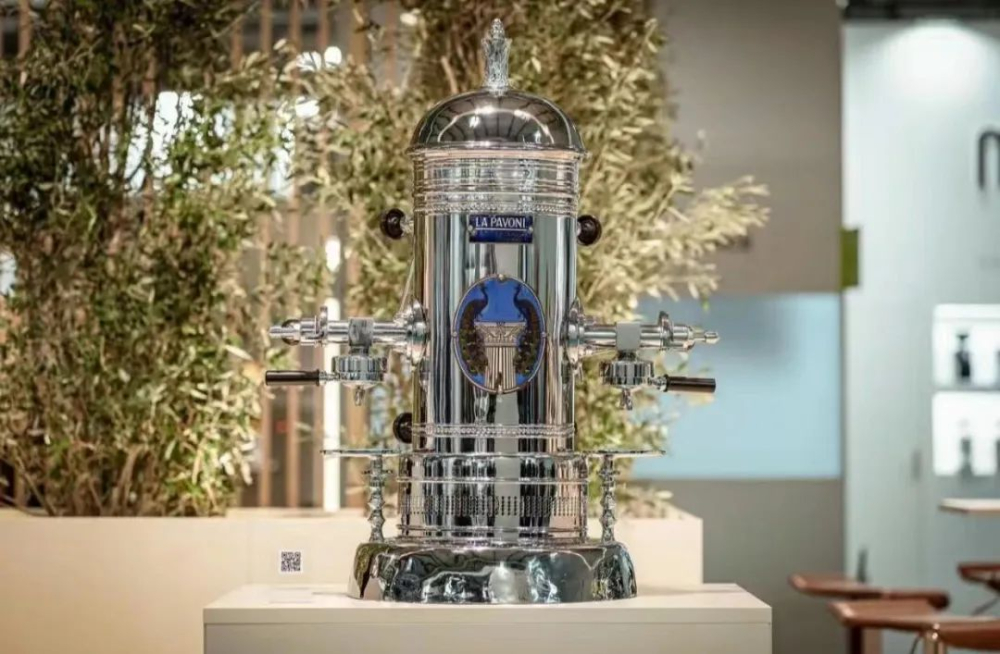
Most coffee machines on the market today are square and upright, but La Pavoni's first-generation espresso machine looked completely different—rather like a fire hydrant. This machine had a 140°C high-temperature brewing head and 1.5 bar extraction pressure, and could complete extraction within 45 seconds.
But in terms of taste, it certainly could not compare with today's coffee. After all, technology was limited, and the beans at the time were not as refined as now, so there is no basis for comparison. But its appearance led the word "espresso" to be included in the Italian dictionary in the early twentieth century, defined as "coffee made by forcing steam or water through ground coffee beans with a pressurized machine or filter."
The reason the machines we use now can reach 9 bar is thanks to a Milanese barista in 1947 (it seems baristas back then were more hardcore—not only making coffee but also building machines). He invented the piston manual lever coffee machine, thereby using greater pressure to extract more flavor compounds while obtaining a larger amount of golden crema.
This patent was likewise bought, and the buyer was none other than Faema. They used this technology to launch the "Faema E61" in 1961 and became world-famous in one stroke. This machine used a pump to raise pressure to 9 bar, and its performance in water temperature, extraction, and other aspects was extremely stable. Once released, it triggered a phenomenal craze. Many modern semi-automatic espresso machines are developed and upgraded based on it, so calling it the father of semi-automatic espresso machines is not an exaggeration.
Gradually, the coffee machine market became more and more diverse, with various novel models attracting consumers with their own advantages, and even countless small home coffee machines appeared, letting enthusiasts drink a cup of rich espresso at home. Speaking of which, Front Street Coffee turned around and made itself a cup to soothe a mouth that had been craving for a long time.
Like many friends, Front Street Coffee pursues stable extraction and rich crema when making espresso, so it selects specialized recipes accordingly. Below, we introduce two types:
Single-origin coffee beans refer to beans produced from a single region or estate, and their flavor is usually clean and clear. If you like floral and fruity types, you can buy Front Street Coffee Huakui SOE, Front Street Coffee Granja Geisha, and Front Street Coffee Red Cherry Yirgacheffe SOE; for those who do not want acidity, the first choices are Front Street Coffee Queen's Estate SOE and Front Street Coffee PWN Golden Mandheling.
Espresso blend coffee beans, on the other hand, maintain long-term stable flavor by combining beans from different regions, and the mouthfeel is generally richer and more solid. For home users, Front Street Coffee Classic Blend and Front Street Coffee Dark Cocoa Base Blend are recommended. Once ground into powder, they give off the aroma of creamy chocolate and cocoa cookies, with a balanced taste and a golden glossy surface of crema, very suitable for friends opening a shop or using at home. To add aroma and creaminess, Front Street Coffee Classic Blend also contains a small amount of Robusta, thereby enhancing flavor intensity, so even beginners can easily make an espresso with golden crema at home.
The coffee machine used in Front Street Coffee's stores has a portafilter basket sized for a double espresso, with a dose of about 18–20 grams. When Front Street Coffee produces a latte, it uses 20 grams of coffee powder and adopts a 1:2 coffee-to-liquid extraction ratio, that is, 20 grams of coffee powder extracts 40 grams of coffee liquid. Time is related to the flow rate of the coffee powder; generally, a single extraction is controlled within 20–35 seconds, because within 20 seconds the coffee taste tends to be thin, while over 35 seconds it tends to over-extract and develop a burnt-bitter taste. Most of Front Street Coffee's espressos fall within the 28–30 second range.
Before extraction, Front Street Coffee prepares these in advance: a ceramic coffee cup, a milk pitcher, and fresh milk. First wipe the portafilter basket dry and align it with the grinder's dispensing outlet, turn on the switch, grind the amount for a double espresso, place it on an electronic scale to adjust up or down until it reaches 20 grams. Then use a distribution tool to level the coffee powder, and press the tamper vertically downward with force to tamp the coffee puck firmly, ensuring more stable coffee extraction.
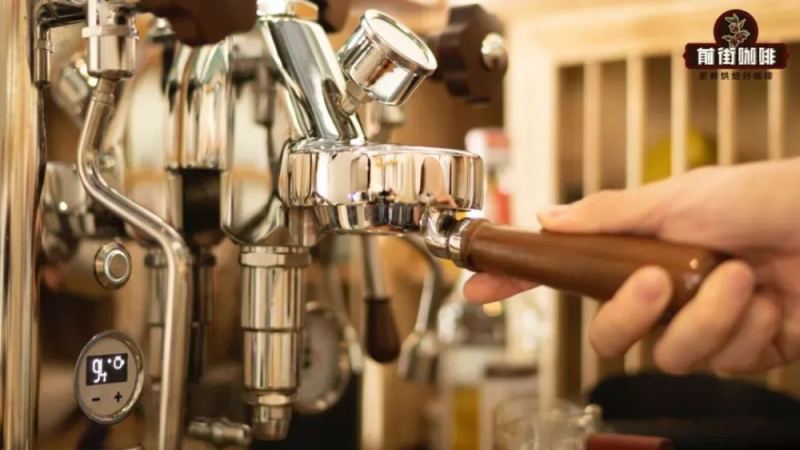
Then turn on the machine's extraction switch and release water for 1–2 seconds, in order to moisten the brewing head and also carry away coffee grounds stuck to it. Place an electronic scale under the cup that will receive the espresso, and tare the weight to 0, placing it together under the brewing head during extraction. Gently and slowly lock the portafilter onto the brewing head, and begin by flipping down the extraction switch.
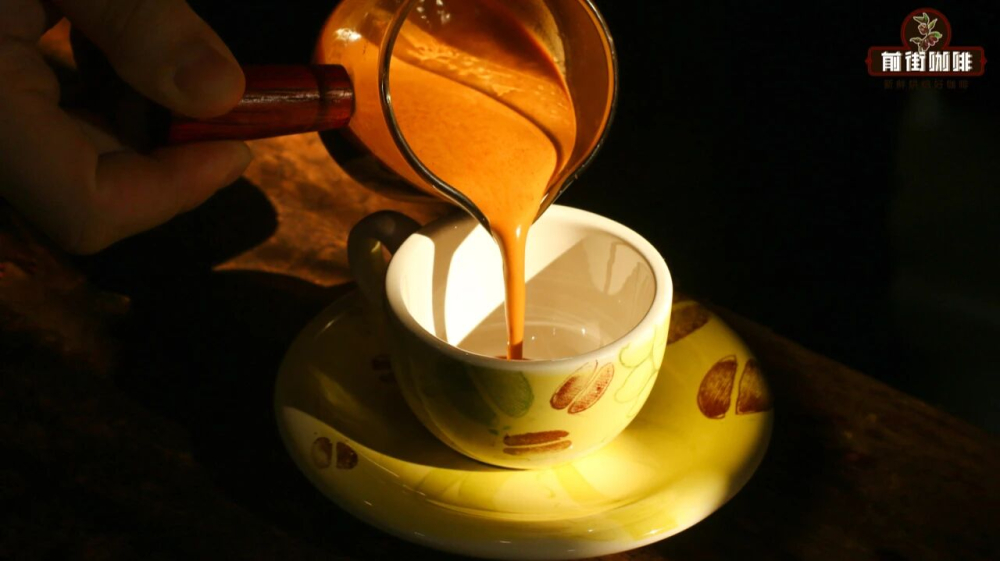
Observe the changes in the extracted liquid. When the electronic scale shows that 40 grams of coffee liquid has been extracted, at about 30 seconds, flip down the extraction switch and pour the Espresso into the pre-prepared ceramic coffee cup. After obtaining the espresso, we can add an appropriate amount of water or fresh milk according to our preference to make an Americano or a latte.
The above content is compiled by CoffeeHunters, a coffee news website.


