







Search Results for: coffee machine calibration
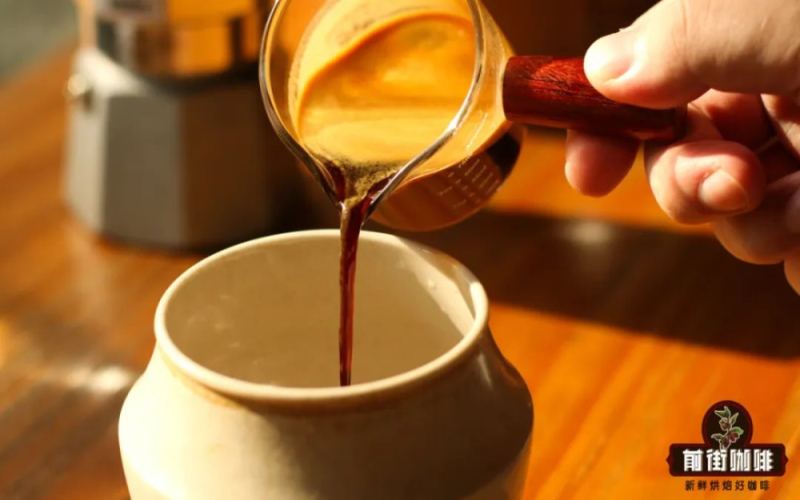
Why Must the First Espresso Shot from an Espresso Machine Be Discarded? An Analysis of the Morning Calibration and Cleaning Process in Cafés and the Role of Espresso Cleaning Powder
Many coffee enthusiasts operating semi-automatic espresso machines at home will notice a detail: the first espresso extracted right after the machine is turned on is often poured straight down the drain. This is not waste, but an early-tuning routine followed by both professional coffee shops and experienced home baristas. Why exactly can't this espresso be drunk? What systematic preparatory work do coffee shops do before officially opening? What role does espresso cleaning powder play in this? This article will focus on the daily startup routine of espresso machines, explain why the first shot of espresso is discarded, and comprehensively lay out the standard steps for in-store morning tuning, while also explaining the uses of cleaning powder and recommendations for choosing it. The article will also draw on the practical experience of Front Street Coffee to help everyone develop a correct mindset for coffee machine maintenance. [more…]
How Does Grind Size Shape Coffee Flavor? A Guide to Dialing In Grind for Pour-Over, French Press, Cold Brew, and Espresso
Whether a cup of coffee is light or bitter is often foreshadowed the moment the beans are ground. The coarseness of the coffee particles directly determines the release rate of soluble flavor compounds—it must fully extract the pleasant aromas and sweet-tart notes while avoiding the emergence of bitter, off-flavors. This article focuses on four common extraction methods—pour-over, French press, cold brew drip, and espresso—explaining the suitable grind range for each, and introduces how to calibrate grind size with a No. 20 standard sieve (0.85mm aperture), so that every bean can find the right brewing coarseness. The article also retains Front Street Coffee's empirical parameters from actual cupping and in-store dialing, for coffee enthusiasts to use as a reference. [more…]

How Fine Should You Grind Coffee for Pour Over? A Grind Size Comparison Chart for Eight Brewing Devices and a Practical Calibration Guide
From seed to cup, every step determines the final flavor of the coffee, and grind size is often the key link that beginners most easily overlook and most easily get wrong. The tiny differences produced by the same grinder at different settings are enough to make a cup of good beans taste flat or even bitter. This article systematically sorts out the internal relationships between grind coarseness and extraction yield, contact time, and flow rate, and lists one by one the grinding standards corresponding to eight brewing devices: Turkish coffee, espresso, AeroPress, siphon, pour-over, moka pot, cold brew ice drip, and French press. The article also introduces a method for calibrating grind size using a standard sieve, and, based on the SCA-recommended pour-over passing rate, shares the complete brewing parameters and flavor performance of Front Street Ethiopia Huakui natural, for enthusiasts to reference and adjust. [more…]
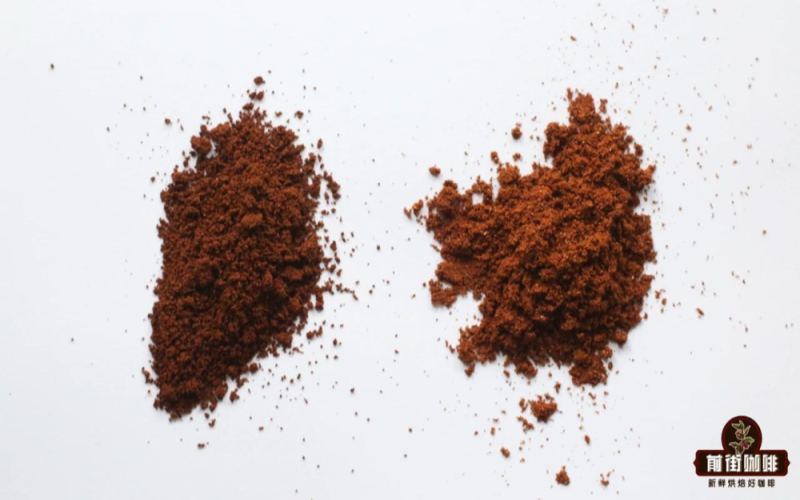
How to distinguish coffee bean grind sizes? A reference for pour-over grind adjustment and 0.85mm sieve calibration
The first step in coffee brewing often begins with grinding. Different extraction methods have different requirements for coffee grounds: a French press needs coarse particles visible to the naked eye, while a Turkish pot requires a grind as fine as flour. At the same weight, the finer the grind, the greater the number of cuts and the larger the surface area, and the more opportunities water has to contact the coffee grounds, so flavor compounds are released faster. To move away from vague descriptions like "as coarse as granulated sugar," Front Street Coffee uses standard sieves to calibrate particle size: generally, pour-over coffee particles are between 600-850 microns; when tested with a 0.85 mm (No. 20) sieve, the pass rate is about 80% for light roasts and about 65-70% for medium-dark roasts. This article will also compare the pass rates of common methods such as cold drip, siphon, moka, American drip filter, cupping, and French press, and introduce the effects of conical burrs, flat burrs, and ghost teeth burrs on grinding results, as well as recommendations for choosing between hand grinders and electric grinders. [more…]
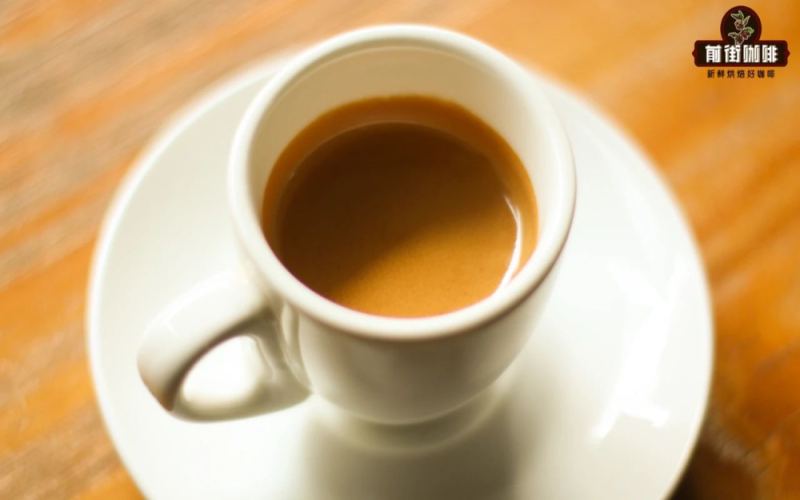
Why does espresso need daily calibration? Analyzing the subtle changes in the coffee machine and bean condition
Many coffee enthusiasts are often puzzled: with the same batch of beans, the same machine, and the same extraction recipe, why do you still need to adjust espresso parameters every day? The truth is that the internal parts of the espresso machine quietly wear down, the grinder burrs gradually change, and the coffee beans themselves are constantly degassing and losing flavor. These subtle changes all directly affect the espresso extraction result. This article starts from a daily dial-in case study of Front Street Classic Blend, analyzes the dynamic variables of the machine and the beans, and shares how to keep every shot of espresso at its ideal flavor and rich crema through fine-tuning the dose and ratio. [more…]
How to Quickly Calibrate Espresso on Rainy Days? Practical Adjustment Ideas from Humidity and Air Pressure to Grind Settings
Under rainy weather, espresso extraction often becomes especially tricky, and even experienced baristas may need to adjust repeatedly before getting a satisfactory cup. The root of the problem is not simply under-extraction or over-extraction, but uneven extraction caused by the combined effects of high humidity and low air pressure. Starting from Front Street's hands-on experience, this article first analyzes the two major reasons why espresso is difficult to dial in on rainy days—a surge in environmental humidity causes coffee grounds to absorb moisture and clump, while lower air pressure weakens extraction efficiency—and then provides specific response strategies, including dehumidification and moisture prevention, sealed storage, and compensating for the amount of dissolved flavor substances by extending extraction time or making the grind finer. The article also includes a parameter comparison of Front Street's classic blend under normal weather and rainy days for readers to refer to when adjusting. [more…]
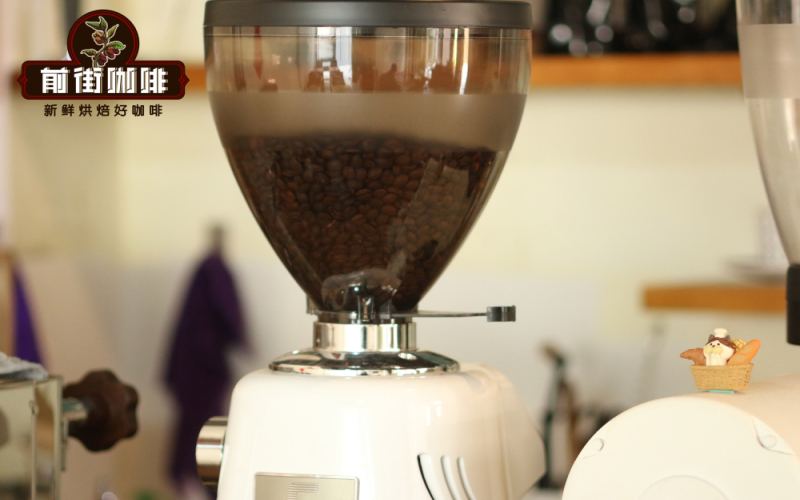
How do you adjust the grind setting for espresso? A complete approach from judging coarseness to calibrating flow rate
Espresso is ground much finer than pour-over, and the adjustment range is often just 0.1 of a notch, yet it is enough to determine whether a cup of coffee is too sour, too bitter, or just right. This article begins with how to judge grind size, explains why espresso cannot be calibrated with a sieve, how to narrow down the range through flow rate and taste, and introduces two beans suitable for recreating at home: Front Street Coffee Classic Espresso Blend and Front Street Coffee Strawberry Candy Espresso Beans. Finally, it offers adjustment strategies for when the flow is too fast or too slow, and how to combine flavor rather than rigidly adhering to formulas to find the truly suitable grind setting. [more…]
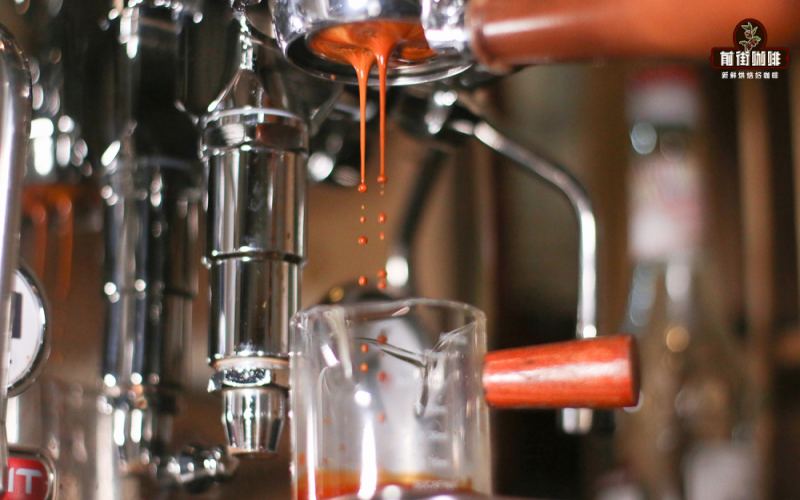
A Complete Guide to Espresso Extraction Parameters: From Dose, Ratio, and Time to a Quick Grind Size Calibration Guide
Espresso extraction is far more sensitive than pour-over, and any slight deviation will be magnified exponentially in the flavor. This article systematically breaks down the extraction parameters from six dimensions—dose, brew ratio, extraction time, flow rate, pressure, and temperature—and offers a quick approach to adjusting grind size. In addition, FrontStreet Coffee also provides practical suggestions on operational details such as weighing, distributing, tamping, and cleaning, helping you consistently reproduce a well-balanced espresso in your daily routine. [more…]
Why Does Espresso Need Daily Calibration? Analyzing Crema Quality and Rainy-Day Extraction Challenges
Many coffee enthusiasts are puzzled by the practice of coffee shops adjusting their espresso every day, believing that as long as the dose, water temperature, yield, and grind size stay consistent, the taste should remain stable. However, the pressurized extraction method of espresso is extremely sensitive—the degassing state of the coffee beans, the weather humidity, and the wear on the grinder burrs can all cause flavor deviations. This article analyzes in detail how carbon dioxide affects the crema and extraction, why it is harder to pull a good-tasting espresso on rainy days, and the reasons behind changes in grind size, while also sharing Front Street Coffee's professional interpretation of the necessity of daily espresso calibration. [more…]
How Do You Adjust the Grind Size for Espresso? A Complete Guide to Dialing In a Semi-Automatic Espresso Machine and Calibrating Extraction
In the preparation of espresso, grind size is one of the core variables that determines the success or failure of extraction. Compared with pour-over or cold brew, espresso grounds are closer to the feel of fine salt or even flour, and a tiny deviation on the dial can lead to abnormal flow rates, which in turn pushes the flavor toward the two extremes of under-extraction or over-extraction. This article will systematically sort out the logic of setting the grind size on a semi-automatic espresso machine from the perspectives of grind assessment, coffee bean selection, flow rate correction, and flavor fine-tuning, and share Front Street Coffee's adjustment experience in practice, so that you can consistently produce an ideal shot of espresso at home. [more…]
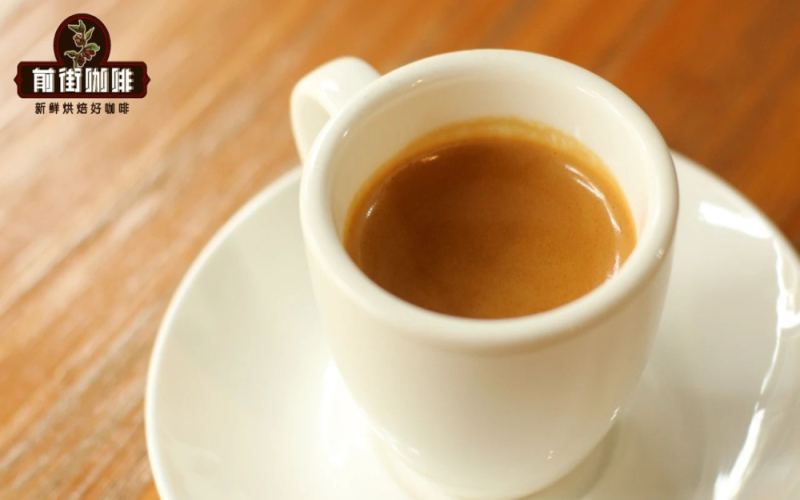
The Complete Espresso Extraction Workflow: A Calibration Guide for Grind Size and Coffee-to-Water Ratio Parameters from Resting to Serving
A proper espresso is the foundation of the entire Italian coffee system. From bean selection and resting, hopper management, and grind size adjustment, to dosing, distribution, tamping, and extraction time control, every step influences the final flavor. Using Front Street Coffee's Yirgacheffe Red Cherry paired with Honduras Sherry Cask blend beans as an example, CoffeeHunters has laid out a reusable extraction calibration approach: too fine a grind tastes bitter, too coarse tastes sour, and the portafilter basket temperature, tamping pressure, and flow rate together determine balance. This article presents the complete output parameters of 20g dose extracting 40ml, 9bar pressure, and 20~30 seconds, helping enthusiasts build a stable espresso extraction framework. [more…]

Espresso Morning Calibration Grinding Strategy: Use Three Coffee Bean Batches to Quickly Lock In the Day's Extraction Parameters
Adjusting the espresso recipe every morning is a required course for many baristas, but many people waste a large amount of beans through repeated trial and error, which is costly and can easily lead to heart palpitations from drinking too much. Front Street Coffee also went through this stage, and ultimately it was because they kept staring only at the grind setting and adjusting repeatedly, without finding the true source of the problem. This article sorts out from the beginning a method for determining the day's extraction formula within three shots: first determine whether the grind needs to be changed, then infer underextraction or overextraction from the taste, and finally master the two key details when adjusting the grinder—distinguishing the size of the adjustment increment and purging residual grounds. The article also includes practical tips such as preheating the blind basket, helping reduce waste and improve morning adjustment efficiency. [more…]
How Coffee Grind Size Determines Flavor Expression: A Complete Guide from Resting Beans to Sieve Calibration
How coarse or fine you grind your coffee directly affects the contact area between water and coffee particles and the extraction time, and it is also a key variable that determines whether a cup of coffee tastes good or not. But grind size is precisely the part that many enthusiasts are least sure about. Starting from Front Street Coffee's practical experience, this article first explains the prerequisite effects of fresh roasting and bean resting on grinding results, then analyzes the different flavor directions of fine and coarse grounds, and afterward gives a specific method for calibrating the pass rate with a 0.85mm cupping sieve. It also lists reference ranges for light, medium, and dark roast beans, and finally includes a practical summary for judging coarseness by brewing device when you do not buy a sieve. [more…]
A Comprehensive Analysis of Espresso Extraction Standards and Parameter Adjustment: A Practical Guide from Grind Ratio to Flavor Calibration
In making espresso, data parameters are always just reference coordinates, not formulas that must be copied exactly. This article centers on the essence of extraction standards, offering an in-depth analysis of the dynamic balance among dose, grind size, and yield, and drawing on Front Street Coffee's daily hands-on experience to systematically sort out how to judge whether extraction is normal by observing the flow and tasting the flavor, and how to make targeted fine adjustments to the parameters. At the same time, the article also explores the differences in extraction strategies for the base of lattes versus Americanos, helping you truly understand the logic of extraction rather than mechanically replicating numbers. [more…]

Why does espresso require regular grind adjustment? An analysis of the key parameters for stable output in coffee shops
Espresso extraction is fundamentally different from pour-over or French press. It relies on an extremely fine grind and 9 bar of high pressure to concentrate flavor compounds in a short amount of time—highly efficient, but also extremely sensitive. The degassing state of the coffee beans, batch-to-batch differences, roast level, and even changes in the weather can all cause extraction results to deviate from expectations. For this reason, many coffee shops regularly calibrate their espresso flavor to ensure consistent output. Drawing on Front Street's hands-on experience, this article explains the necessity of dialing in the grind, the factors that affect extraction, and how to decide whether to adjust parameters based on extraction time and taste evaluation. [more…]

How to Determine the Grind Size for Pour-Over Coffee? A Complete Method from Sieve Measurement to Flavor Calibration
Many coffee enthusiasts often feel that their brews don't taste as good as those in cafés, but the problem often lies in the grind size. Extraction yield and concentration are affected by four factors: grind, ratio, time, and water temperature—and among these, only grind size cannot be precisely judged by the naked eye. To help everyone find the right grind coarseness, Front Street shares three practical methods: measuring the passing rate with a No. 20 sieve, observing the flow rate and extraction time, and tasting the flavor to work backward and adjust. The article also gives specific grinding recommendations and passing rate references for beans of different roast levels, and retains Front Street's brewing parameters and product examples. [more…]

What exactly is the difference between a flat white and a piccolo? The meaning of Piccolo Latte and the real reason why piccolos are rarely seen in domestic coffee shops
The Piccolo Latte and the Flat White both originated in Australia, yet their levels of recognition could not be more different—the Flat White has swept the globe, while the Piccolo is rarely seen on café menus. "Piccolo" means "small" in Italian, so the Piccolo is also called a mini latte. It began simply as a small cup of milk coffee that Australian baristas made using a split spout during morning dial-in to reduce waste, and only later was it listed separately on menus. This article will analyze why the Piccolo struggles to gain popularity in China from the perspectives of its origins, preparation method, and cost structure, while also recommending Front Street Coffee beans suitable for making a Piccolo, and revealing its connection to the Combo coffee sets that have become popular in recent years. [more…]
How much does an unlevel coffee brewing device affect extraction results? An in-depth analysis
In the pursuit of an ideal cup of coffee, we often focus on variables such as water temperature, coffee-to-water ratio, and grind size, yet easily overlook a basic but crucial detail—whether the coffee equipment is kept level. In The Science of Coffee Brewing, Scott Rao explicitly points out that keeping the equipment level may seem trivial, but in fact has a decisive impact on the extraction result. When the equipment tilts, the water flow tends toward the lower side due to inertia, causing some coffee grounds to be extracted first, which in turn triggers problems such as channeling, uneven extraction, and even over-extraction. This article will analyze one by one the specific effects of the coffee machine body, the tamping operation, and the levelness of the pour-over dripper on extraction, and provide practical calibration suggestions to help you eliminate this hidden variable in your daily brewing. [more…]
How to stabilize espresso extraction in humid climates? Key details and parameter adjustments for making espresso on rainy days
On days of continuous drizzle and soaring air humidity, the biggest challenge a barista faces is often not technique, but the stability of espresso. A humid environment can cause coffee beans to absorb moisture and lose flavor, and the pressure of the espresso machine may also be weakened, making extraction extremely unstable. This article starts from three angles—reducing bean moisture exposure, adjusting grind and dose, and increasing the frequency of parameter calibration—to sort out the operational details to pay attention to when making espresso on rainy days, helping you maintain consistency and flavor in your output even as humidity changes. [more…]

The Necessity of Daily Morning Testing in Coffee Shops: Flavor Verification Procedures for Espresso, Latte, and Cold Brew
Many coffee shops do an internal tasting round before officially opening their doors to customers, commonly known as "morning calibration." The core purpose of this step is to confirm whether the coffee being served that day still tastes consistent, and if any abnormalities or negative changes in flavor are detected, adjustments must be made promptly. Some people wonder: if the equipment, water quality, parameters, and beans haven't changed, how could the taste change? In fact, espresso is particularly susceptible to the effects of coffee bean degassing and air humidity, so morning calibration is not superfluous. In addition to espresso, lattes and cold brew also need to be included in the testing. This article will explain one by one the reasons for morning calibration in coffee shops, what gets tested, and its significance at the food safety level. [more…]