







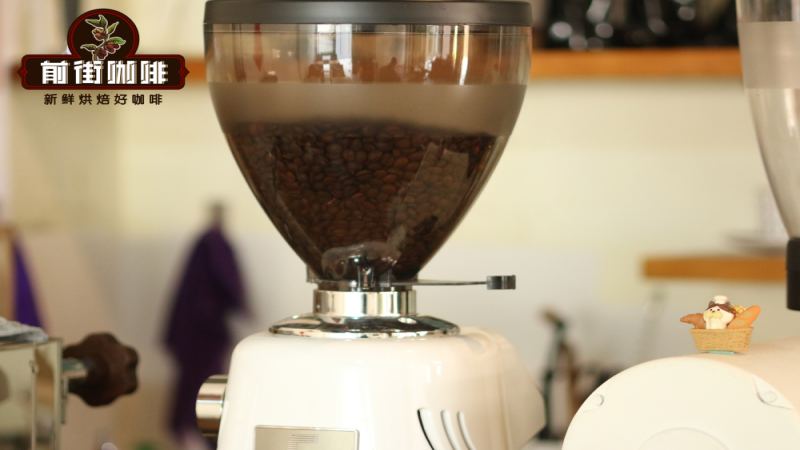
The grind size for espresso is much finer than for pour-over, and adjustments are often made in increments of just 0.1 on the dial, yet this is enough to determine whether a cup of coffee is too sour, too bitter, or just right. This article begins with how to judge grind coarseness, explains why espresso cannot be calibrated using a sieve, how to narrow down the range through flow rate and taste, and introduces two beans suitable for replicating at home—Front Street Classic Espresso Blend and Front Street Strawberry Candy Espresso Beans. Finally, it provides adjustment strategies for when the flow rate is too fast or too slow, and how to combine flavor rather than rigidly adhering to formulas to find the truly appropriate grind setting.
Automatic Coffee Machine Grind Settings - Espresso Grind Coarseness Settings
Most people who make coffee understand that grind coarseness directly determines success or failure. Once the grind setting is off or the particle size is uneven, under-extraction and over-extraction will follow one after another. Compared to methods like pour-over and cold brew, espresso requires much finer grounds and more precise adjustments to capture the flavor of the shot.
How fine exactly is espresso grind?
To judge the coarseness of pour-over coffee, Front Street typically uses a Chinese No. 20 standard sieve, checking the proportion of coffee grounds that can pass through a fixed aperture for calibration. Espresso is different—it relies on pressure to complete extraction in a short time, which magnifies all the bean's characteristics exponentially. Good flavors are amplified, and flaws are equally amplified, so the demands on grinding are naturally stricter. Its grind is finer than fine salt; with the naked eye, you can neither see the coarseness nor judge the consistency, let alone measure it with a sieve.
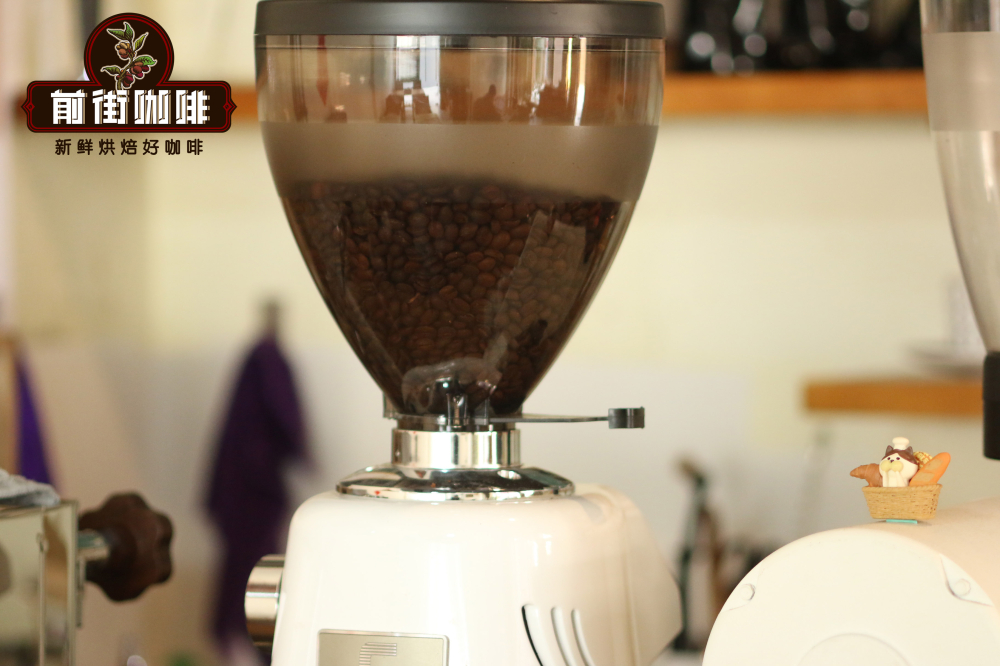
If the grind is slightly finer, water passes through the coffee bed more slowly, making over-extraction likely; if slightly coarser, water flows through quickly, making under-extraction likely. Such deviations can result from a difference of just 0.1 on the dial. Therefore, in practice, we usually observe the flow rate and taste of the espresso during extraction and work backward to find the appropriate coarseness range.
Choosing the Right Coffee Beans
Actually, when making espresso, besides controlling all the parameters well, Front Street believes that choosing the right beans is equally crucial—after all, the beans are the fundamental factor determining whether the cup tastes good or not.
If you want to recreate that café-style espresso flavor at home, you can choose Front Street Classic Espresso Blend. This blend combines coffees from Brazil, Indonesia, and Vietnam, offering both the caramel sweetness of American beans and the wild character of Asian beans. To maximize the rich aroma and to make it easier for everyone to extract a thick, dense crema, Front Street Coffee uses a dark roast. It works well as an Americano diluted with water or as a latte with milk. It can be purchased from the Front Street Taobao store or the Front Street Tmall flagship store.
If you prefer a fruity espresso, then focus on medium-roast beans. We recommend Front Street Strawberry Candy Espresso Beans, available for direct order on Taobao or Tmall. This bean is known for its honey processing, selected from Front Street Costa Rica Tarrazu and Ethiopia, the birthplace of coffee, blended with Colombian coffee beans. The resulting espresso is smooth on the palate, with good crema and a dense texture after extraction, carrying a sweet-and-tart sensation reminiscent of strawberry gummy candy.
How to First Determine the Appropriate Grind Range?
When you get a bag of unfamiliar beans and want to brew a delicious cup, the first step is to set the grind size. If the equipment is new and you're unsure which setting to start with, you can first try grinding a small amount of beans at different settings. When the ground coffee feels like flour—soft to the touch with no rough particles—it's about right.
Next, you can apply the common espresso formula for extraction. Front Street recommends a brew ratio of 1:2, meaning 1 gram of coffee yields about 2 grams of espresso liquid, with the time controlled between 25 and 30 seconds. For example, if Front Street uses a 20-gram capacity portafilter basket, dose 20 grams of coffee and extract 40 grams of espresso. If the time is under 20 seconds, the flow rate is too fast; if the espresso flow exceeds 35 seconds, the flow rate is too slow.
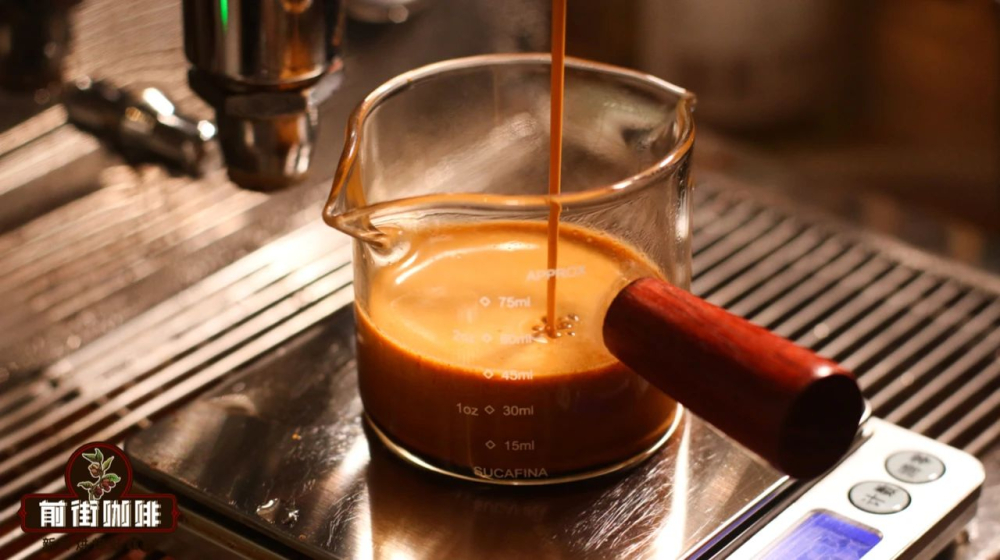
A fast flow rate means water doesn't spend enough time passing through the coffee grounds, and the taste is often weak or sour—this is when you need to grind finer. Adjusting the grind setting relies on accumulated experience: if you're within 5 seconds of the target time, adjust by 0.2 increments each time; if the gap is larger, be bolder and adjust by 0.5–1 increment. Even if it jumps from too long to too short, you can use that to lock in a rough range and then narrow it down gradually. Conversely, a flow rate that's too slow means the grind is too fine, water struggles to pass through the coffee bed, and the taste tends toward bitterness—then you need to grind coarser.
How to Find the Correct Grind Setting?
The formula mentioned earlier by Front Street is only for quickly finding a usable grind range; it doesn't mean the espresso extracted this way will necessarily taste good. Ultimately, you still need to consider the bean's own characteristics and flavor to judge whether the extraction is up to standard.
If the espresso has a pronounced burnt-bitter taste but the strength is still moderate, it may be that the time is too long and bitter compounds have been released excessively—you can adjust the grind slightly coarser. If the crema on top of the espresso is pale in color and thin in texture, it may be that the tail end of extraction has gone too far. You can reduce the espresso yield—that is, extract less—and it's recommended to increase the brew ratio to between 1:1.5 and 1:1.7. When the espresso flavor is rich but the aftertaste is short, you can extract a bit more espresso and try adjusting the ratio to 1:2.5.
After all, the extraction formula is just a reference. If you're boxed in by it, it actually becomes harder to dial in good flavor, and you end up repeatedly adjusting the grind, wasting beans for nothing. You don't have to rigidly stick to 25–30 seconds either; sometimes 36 seconds or 24 seconds is the state where this bean tastes best. When Front Street makes coffee, parameter adjustments are all based on daily experience. If you make few cups at home and find it hard to grasp, Front Street suggests recording the parameters and flavors each time, and summarizing the relationship between extraction parameters and flavor performance. This way, adjustments become faster and unnecessary waste is avoided.
The above content is compiled by CoffeeHunters, a coffee news website.


