







Search Results for: brewing grams

Comparison of Pour-Over Parameter Adjustments and Extraction Results for the V60 #01 Dripper with 10g, 15g, and 25g Coffee Doses
The V60#01 dripper is typically suited for 1 to 2 servings, with 15 to 20 grams of coffee being its optimal working range. But in reality, when drinking alone and not wanting too much, people reduce the dose, and when sharing with friends, they increase it. So, when brewing different doses in the same dripper, do the parameters really need to be changed? Front Street Coffee conducted three sets of comparative experiments using Ethiopian Yirgacheffe natural Red Cherry, with doses of 10 grams, 15 grams, and 25 grams, a fixed water temperature of 90°C, a 1:15 coffee-to-water ratio, medium-fine grind (80% passing through a Chinese standard No. 20 sieve), and circular pouring. The results showed that with a smaller dose, the flavor tends to be thin, while with too large a dose, bitterness may appear and the liquid level may awkwardly approach the rim of the cup. This article will break down the three brewing recipes one by one, their flavor performance, and the adjustment approaches for 10 grams and 25 grams, to help you find a more reasonable extraction method in this small dripper. [more…]
Multi-Serve Pour-Over Coffee Brewing Plan | Does the Amount of Coffee Grounds Affect the Flavor and Mouthfeel of Pour-Over Coffee? How to Adjust Extraction Parameters for Pour-Over Coffee for 4 People?
Front Street Coffee uses a standard dose of 15 grams of coffee per serving, so when sharing brewing methods, 15 grams is always used as the demonstration standard. However, the dose used to brew coffee varies widely. Based on Front Street Coffee's observations, the most common doses are multiples of 6—12 grams, 18 grams, and 24 grams—and these are mostly used to make a single serving of 120 [more…]
How to Hand-Brew 15g, 20g, and 30g Coffee Grounds? A Guide to Coffee-to-Water Ratios and Filter-Cup Adjustments for Four Servings
The choice of coffee dose for pour-over seems simple, but in reality it involves multiple coordination factors: the dripper model, the number of drinkers, and the pouring rhythm. Front Street Coffee's daily demonstration uses 15g of coffee as the baseline, but in actual brewing, doses that are multiples of 6 such as 12g, 18g, and 24g, doses that are multiples of 5 such as 15g, 20g, and 25g, and even 16g each have their own adherents. Behind different doses lie different reasoning logics—some start from the volume of brewed coffee, some compromise based on the dripper's recommended value, and others aim for easier calculations during pulse pouring. This article will focus on three typical doses—15g, 20g, and 30g—explaining the brewing approaches suited to each, and providing adjustment suggestions for dose, water amount, and dripper selection in a four-person pour-over scenario, helping you achieve consistent results even when sharing with multiple people. [more…]
Is It Feasible to Use 30 Grams of Coffee for a Single Pour-Over? Adjustment Approach and Practical Tips for Large-Dose Extraction
During holidays and family gatherings, there's always someone hoping the coffee enthusiast will brew a fresh pot on the spot. But when the dose jumps from the usual 15 grams to 30 grams, the same technique tends to cause water to pool at the end of the drawdown, drag out the brew time, and leave the flavor low and muddy. Why does extraction change so much once the dose goes up? Front Street Coffee breaks down the challenges of large-dose pour-over one by one—from dripper model and blooming method to pouring rhythm—and offers adjustment plans for both the 02 and 01 drippers, helping you brew coffee close to your everyday standard even at gatherings with many people. [more…]
What Happens When You Adjust Pour-Over Coffee Grounds by 1 Gram? Analyzing the Relationship Between Coffee-to-Water Ratio and Extraction Flavor
Among the many variables in pour-over coffee, the coffee-to-water ratio is always the key parameter determining the direction of flavor. Front Street Coffee usually recommends a safe range of 1:15 to 1:16, and once you get used to it, 15 grams of coffee with 225 milliliters of water becomes almost the default operation. But in reality, we are not necessarily that precise every time, and the amount of coffee may be one gram more or one gram less. If the amount of water poured remains unchanged and only the coffee dose deviates by 1 gram, will the taste of the coffee show a noticeable difference? Through three controlled brewing experiments with 14 grams, 15 grams, and 16 grams, this article analyzes the impact of slight coffee dose adjustments on extraction yield and concentration, and provides parameter adjustment suggestions after the coffee dose changes, helping you achieve consistent results in daily brewing. [more…]
Pour-Over Coffee Small-Dose Brewing Guide: How to Adjust Parameters for 7g of Coffee to Get Great Flavor
In the practice of pour-over coffee, the coffee dose is one of the key variables determining the extraction result. Many coffee enthusiasts run into this problem: at the end of a bag of beans there are always a few grams left, too little for a single cup on its own, yet too wasteful to throw away. Based on Front Street Coffee's hands-on testing experience, this article systematically explores the differences between brewing with a small dose of around 7 grams and a conventional 15-gram dose, analyzes the extraction challenges caused by a thinner coffee bed and faster water flow, and offers two sets of adjustment plans for different levels of water-control skill—one that relies on a finer grind combined with a thin stream and three-pour approach, and another that uses a heavy stream and staged raising of the water level to lower the barrier to execution. Whether you are a complete beginner or a pour-over player with some experience, you can find a small-dose strategy that suits you. [more…]
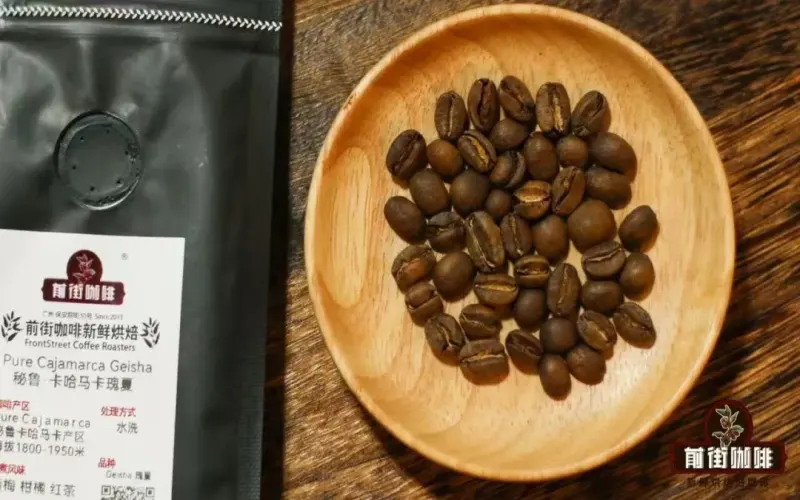
What is the minimum amount of coffee grounds for pour-over? Can 5 grams of beans brew a good cup of coffee? Analysis of brewing ideas and methods for extremely small doses
The standard dose for pour-over coffee is usually around 15 grams, but when dealing with a rare bean variety or when you just want to taste a sample, can you push the dose down to 5 grams or even lower? Once the dose is reduced, the ratio of hot water to coffee grounds, the extraction time, and the pouring method all change in a chain reaction, and one wrong move can produce a thin or bitter cup. Starting from practical operation, this article sorts out the lower limit of the pour-over coffee dose, analyzes the core difficulties faced by brewing with a small dose, and offers pouring strategies and equipment selection suggestions for extremely small doses such as 5 grams and 8 grams. The article also draws on the store practice of Front Street Coffee to explain the scenarios in which small-dose brewing is suitable and the points to note, helping coffee lovers preserve as much flavor layering as possible while saving beans. [more…]
Summer Iced Pour-Over Coffee Brewing Guide: From the Universal Formula to a Detailed Explanation of the One-Pour Simple Method
On a scorching summer day, a refreshing glass of iced pour-over coffee is undoubtedly the best choice for cooling off and refreshing yourself. Compared with cold brew and iced drip, iced pour-over is quick to make and requires no special equipment, making it a favorite among many coffee lovers. Starting from the universal formula for iced pour-over, this article explains in detail the coffee-to-water-to-ice ratio, grind size adjustments, and the three-stage pouring technique, and uses Tanzania Kilimanjaro as an example to demonstrate the complete brewing process. It also introduces the "one-pour iced pour-over" developed by Tetsu Kasuya, which eliminates cumbersome techniques and uses the Mugen infinite cross-star dripper with 20 grams of Panama Abu Estate sun-dried Caturra to easily obtain a smooth, sweet-finish iced coffee. Whether you are a beginner or a seasoned enthusiast, you can find a summer iced coffee solution that suits you. [more…]
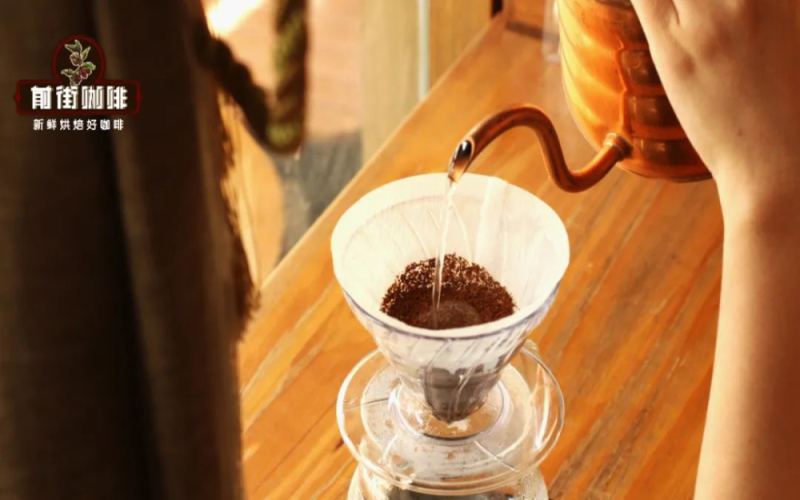
How to Make Iced Pour-Over Coffee? Front Street Shares a Universal Formula and a Detailed Guide to the One-Pour Iced Brewing Method
A glass of iced pour-over in summer always brings a uniquely refreshing experience, but many coffee enthusiasts encounter all kinds of questions when trying to recreate it at home: How should the coffee-to-water-to-ice ratio be balanced? What water temperature should be used? What are the key points of the pouring technique? Drawing on practical experience from its stores, Front Street Coffee has summarized a simple and easy-to-follow universal formula for iced pour-over—coffee grounds paired with 10 times hot water and 5 times ice—and also provides a grind size adjustment plan to address the problem of under-extraction. In addition, it has also compiled Mr. Tetsu Kasuya's "one-pour iced pour-over" method, which is more direct to perform and suitable for friends seeking convenience. The full text covers specific parameters, operating steps, and flavor descriptions to help you easily make café-quality iced pour-over. [more…]
A Practical Guide to Iced Pour-Over Coffee for Summer: The Universal Formula and One-Pour Method Explained
On a scorching summer day, a refreshing glass of iced pour-over coffee is nothing short of a lifesaver. This article focuses on the key points of brewing iced pour-over, starting with a simple, easy-to-remember universal formula—coffee grounds, hot water, and ice in a 1:10:5 ratio—then breaking down variables one by one, such as fine grinding, water temperature, and pouring rhythm, to help you recreate café-quality iced coffee at home. It then uses Tanzania Kilimanjaro as an example to demonstrate the standard three-pour iced brewing process, along with a grind size reference from Front Street Coffee shops. At the end, it also introduces Tetsu Kasuya's "one-pour iced pour-over," which needs only a slow-flow dripper and a spoon: pour with a strong stream of water and then stir, and the whole process takes less than two minutes, yielding a round, sweet cup. Whether you pursue precise control or want to save effort, you can find a suitable method. [more…]
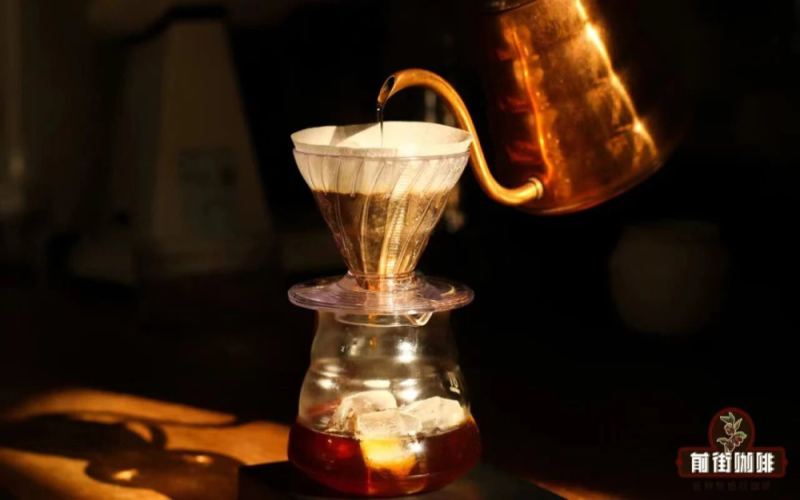
Japanese-style iced pour-over coffee brewing demonstration | What is single-pour iced pour-over? What is a suitable coffee-to-water ratio for iced pour-over coffee?
The recent weather is so hot it feels like it could melt you in minutes. In this kind of weather, anyone still willing to happily meet up at a café is definitely a friend for life! But even in such hot weather, you can't just give up coffee, right? So, if you don't want to go out, can't afford a cold drip tower, and can't wait several hours for cold [more…]
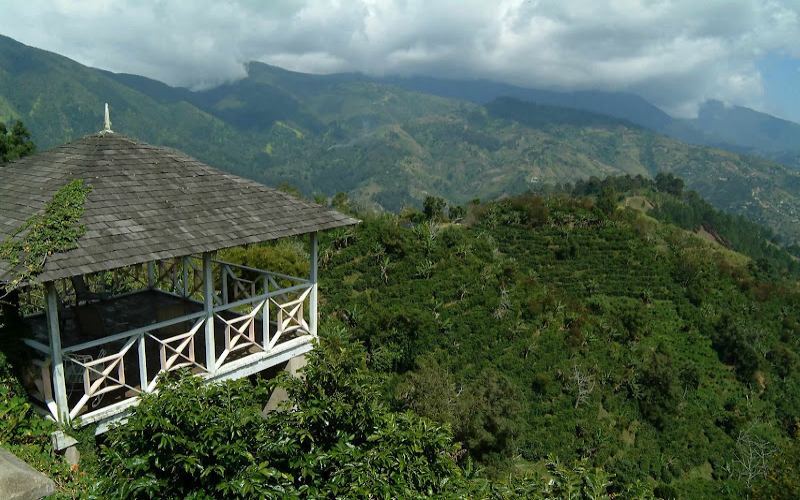
How to brew Jamaican Blue Mountain coffee for the best taste? A complete guide from bean grades to 7 brewing methods
Blue Mountain coffee is famous for its scarce production and high price, but products sold under the "Blue Mountain" name on the market are a mix of genuine and fake. This article first helps you understand the origin certification, grading system, and estate system of authentic Jamaican Blue Mountain coffee, then breaks down in detail seven brewing methods for Front Street Blue Mountain No. 1 coffee beans—espresso, pour-over, siphon, AeroPress, French press, cold drip, and Japanese iced pour-over. Each method comes with parameters and flavor descriptions, making it easy for coffee lovers to choose according to their own taste. [more…]
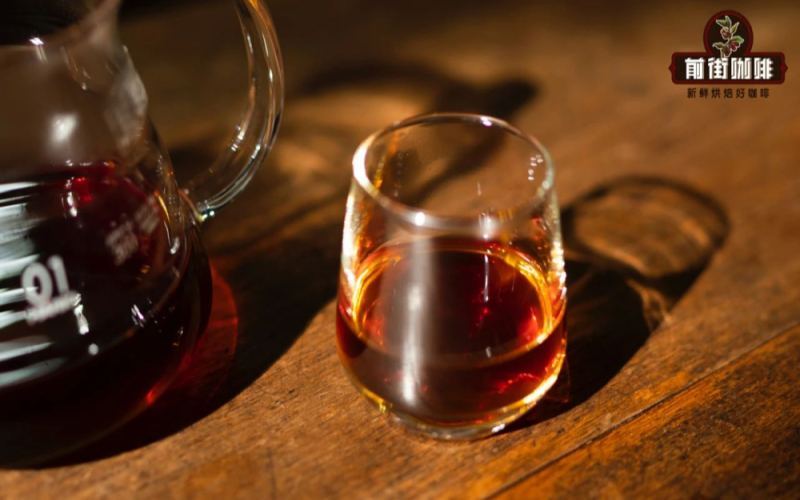
A Detailed Guide to Seven Extraction Methods for Jamaican Blue Mountain Coffee: A Complete Brewing Guide for Front Street Blue Mountain No. 1 from Espresso to Cold Drip
Jamaican Blue Mountain coffee is renowned for its clean, mild character and balanced acidity, sweetness, and bitterness. The Front Street Blue Mountain No. 1 coffee beans produced by FrontStreet Coffee come from Clifton Estate—an old farm with Rainforest Alliance certification. This article will start with basic knowledge such as the origin background, grade standards, and washed processing, and systematically outline seven brewing methods for Blue Mountain No. 1, covering espresso, pour-over, siphon, AeroPress, French press, cold drip, and Japanese iced pour-over, along with the parameters, techniques, and flavor performance of each method, helping coffee lovers fully explore the diverse possibilities of this bean in daily life. [more…]
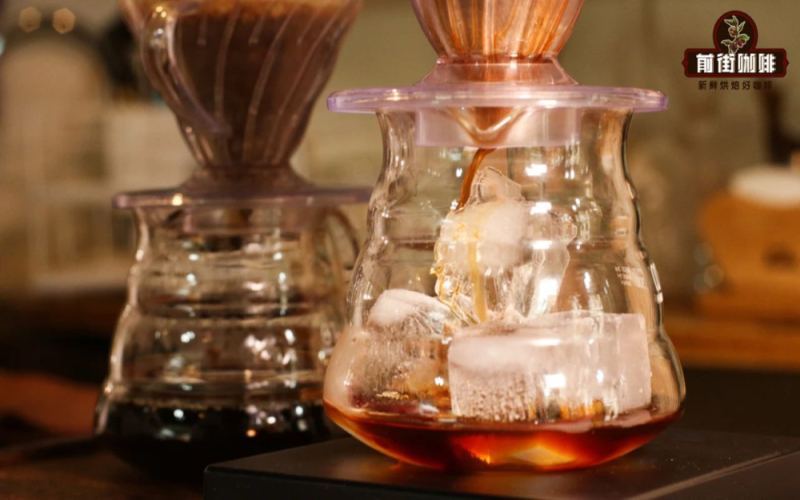
Comparison of Ice Addition Timing for Iced Hand-Brewed Coffee: An Analysis of Front Street's Japanese-Style Iced Hand-Brew Parameters and Sensory Differences
Should ice be added before or after brewing when making iced pour-over coffee? This question puzzles many coffee lovers. Front Street Coffee conducted a controlled experiment using 15 grams of Kaffa Forest coffee beans, a 1:10 coffee-to-water ratio, a water temperature of 90-91°C, and a grind setting of 9 on an EK43s grinder, testing two brewing sequences: ice added first and ice added last. The experiment found that after thorough shaking, the two methods performed quite similarly overall, but the coffee with ice added first tasted cleaner and more refreshing, while the one with ice added last had a more concentrated and intense aroma. The root of the difference lies in how much ice melts. This article will present the complete experimental parameters, step-by-step procedure, and sensory comparison results to help readers understand how the timing of ice addition affects the flavor of iced pour-over coffee. [more…]
How is the coffee-to-water ratio for pour-over calculated? Using 20g of grounds and a three-pour method as an example, a detailed explanation of Geisha brewing parameters
How exactly should the coffee-to-water ratio for pour-over coffee be calculated? Front Street Coffee's everyday hot pour-over typically uses 1:15, while iced pour-over follows a coffee-to-water-to-ice ratio of 1:10:5, returning to 1:15 once the ice melts. But when it comes to beans that withstand extraction well, such as Panama Geisha, Front Street deliberately widens the ratio to 1:16, using 20 grams of coffee and 320 grams of water in a three-pour sequence, making the floral notes and sweet-tart juiciness clearer, with a finish that offers the lingering sweetness of Tieguanyin. This article starts from the principles of extraction and, combined with the origin background of Hacienda La Esmeralda washed Green Label Geisha and brewing examples, helps you understand the logic behind the coffee-to-water ratio. [more…]
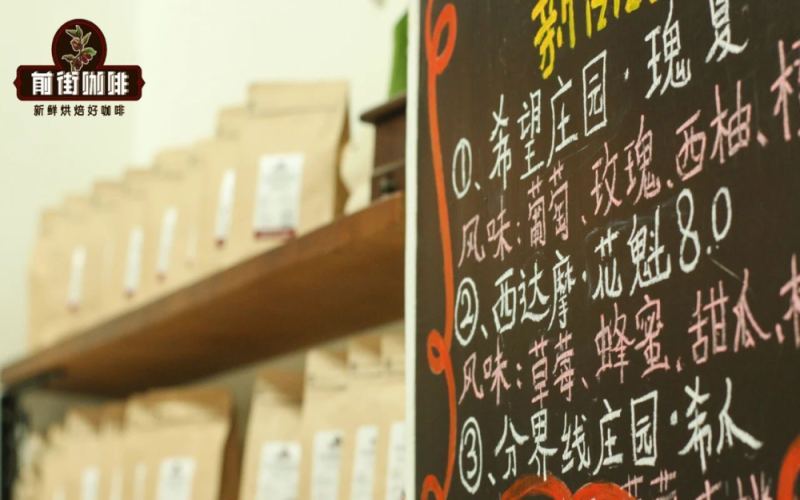
A Complete Analysis of Pour-Over Coffee Brewing Time: Extraction Logic from Dripper Structure to Pouring Technique and a 2-Minute Standard Recipe
How long exactly should the brew time for pour-over coffee be controlled to? This question seems simple, but in reality it involves the combined effects of multiple variables such as the structure of the dripper, the dose of coffee, the pouring speed, and the grind size. Brew time is essentially the duration of contact between coffee grounds and water, which directly determines the degree to which flavor compounds are dissolved. This article will start from the principles of extraction, analyze one by one the various factors that affect brew time, and share a basic brewing recipe commonly used in Front Street Coffee stores—15 grams of coffee, a 1:15 coffee-to-water ratio, a V60 dripper, three-stage pouring, with a total time of about 2 minutes—suitable for beginners new to pour-over to imitate and practice. [more…]

Panama Geisha Pour-Over Coffee | Is the coffee-to-water ratio for pour-over always 1:15? What grind size is suitable for pour-over single-origin beans?
Pour-over coffee is a process where flavor extraction and filtration happen simultaneously, with extraction occurring centered around the spot where water is poured, and the key lies in how to control and balance it. At Front Street, when adjusting pour-over coffee parameters, we usually consider the grind size of the coffee beans and the brewing water temperature first, but in fact the coffee-to-water ratio is also very important. During brewing, the water [more…]
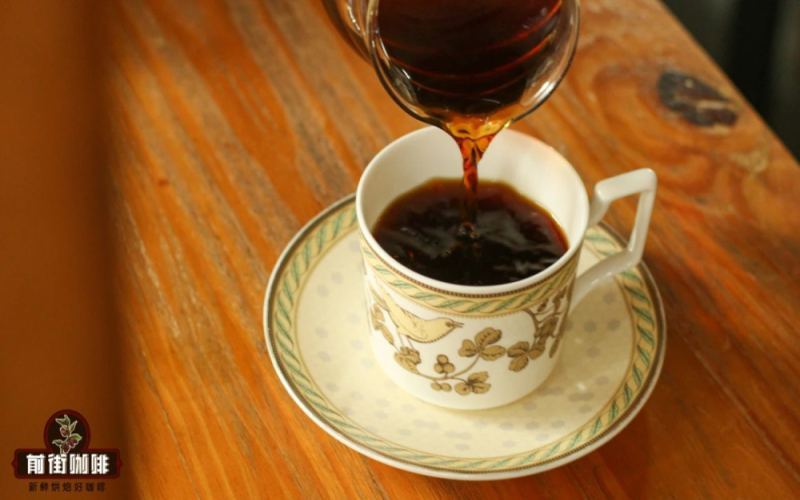
How to determine the coffee-to-water ratio for pour-over coffee? How much water for 15 grams of coffee to get enough flavor?
The appeal of pour-over coffee lies in its ability to bring out different flavors by adjusting parameters, and the coffee-to-water ratio is one of the most critical variables among them. The ratio not only determines the strength of the coffee, but also directly affects the extraction yield and the direction of the taste. Starting from the definition of the coffee-to-water ratio and drawing on the brewing experience of Front Street Coffee shops, this article explains how to find a suitable ratio range and provides a detailed introduction to the operation method and parameter settings of three-pour brewing. Whether you are a beginner just getting into pour-over or an enthusiast looking to refine your technique, you will find practical references here. [more…]
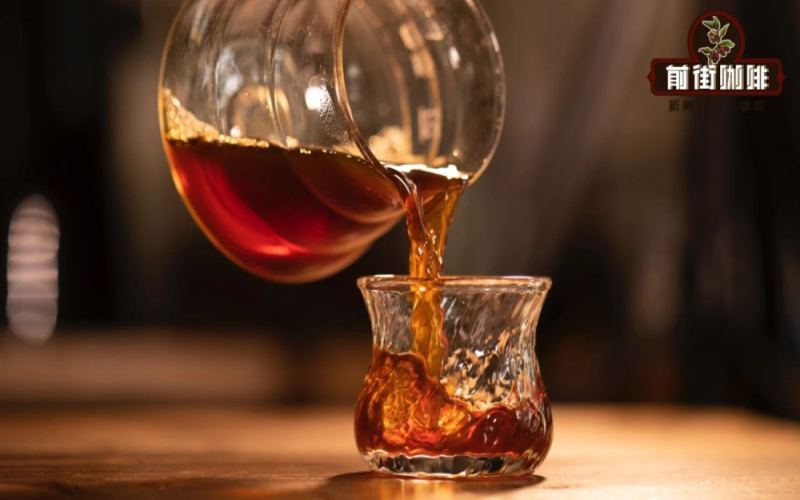
How to Control the Extraction Time of Pour-Over Coffee? The Combined Effects of Dripper Structure, Coffee Dose, and Pouring Speed on Flow Rate and Flavor
The extraction time of pour-over coffee directly affects the final flavor strength and mouthfeel. This article breaks down how four dimensions—dripper structure, coffee dose, pouring speed, and grind size—influence the contact time between coffee grounds and water, and in turn change the coffee's layering and body. Using 15 grams of coffee, a 1:15 coffee-to-water ratio, and a V60 or KONO dripper as an example, a Front Street Coffee barista shares a 2-minute brewing recipe suitable for beginners, helping enthusiasts consistently recreate café flavors at home while understanding the logic behind different combinations such as fast brewing with a fine grind and slow brewing with a coarse grind. [more…]
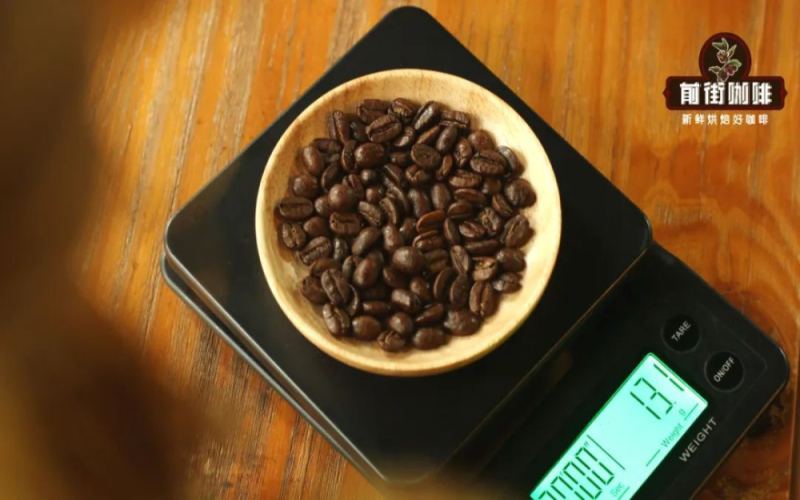
What Is the Right Amount of Coffee for a Single-Serve Pour-Over? V30 Cone Dripper Testing and Brew Parameter Breakdown
How should the coffee dose for pour-over be determined? The common Hario V60 01 dripper is recommended to hold 15–20 grams of coffee grounds, but when there aren't enough beans left or you only want to brew a single cup, using a large dripper with a small dose easily leads to a thin extraction. The 30-degree conical dripper launched by Japan's Tarachine (commonly known as the V30) is designed specifically for small doses of under 15 grams. After getting this transparent resin dripper, Front Street Coffee conducted brewing comparisons using Kenya, Blue Mountain, and three medium-roast beans, and found that the V30 can form a thicker coffee bed with a small dose, extending the extraction path, making the coffee flavor more intense and the mouthfeel fuller. This article documents in detail the filter paper folding method, brewing parameters, and the comparison results with the V60, and offers dose control suggestions, providing a reference for coffee enthusiasts who enjoy small-dose pour-over. [more…]