







Blue Mountain coffee is famous for its scarce production and high price, but products sold under the "Blue Mountain" banner on the market are a mix of genuine and fake. This article first helps you understand the origin certification, grade classification, and estate system of authentic Jamaican Blue Mountain coffee, then breaks down in detail seven brewing methods for Front Street Blue Mountain No. 1 coffee beans — espresso, pour-over, siphon, AeroPress, French press, cold drip, and Japanese iced pour-over. Each method comes with parameters and flavor descriptions, making it easy for coffee lovers to choose according to their own taste.
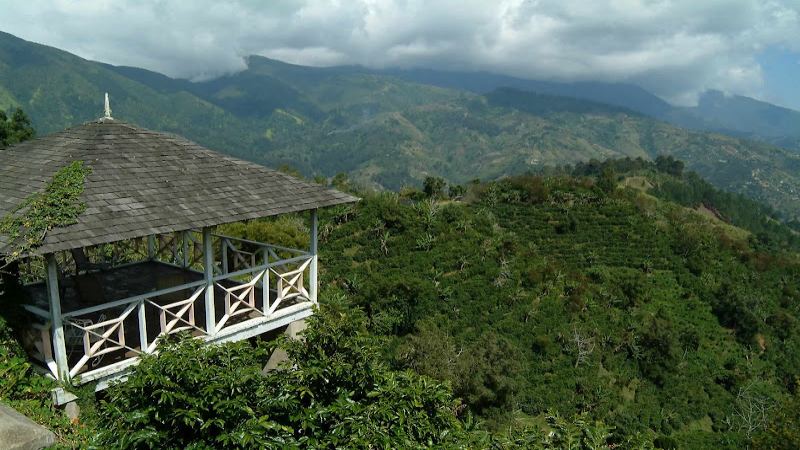
The fundamental reason Blue Mountain coffee commands such a high price is limited production combined with consistently strong market demand. Only coffee beans grown in Jamaica's Blue Mountain region, within the officially designated cultivation belt (at an altitude of 3,000 to 5,500 feet), and certified by the Jamaican government, qualify as true Blue Mountain coffee. Jamaica's Blue Mountains sit at an altitude of over 2,100 meters, with fertile volcanic soil, a cool and foggy climate, and ample rainfall. Constrained by the limited growing area, local annual output is only about 12,000 tons, over eighty percent of which is exported to Japan. Top-grade Blue Mountain is even rarer. Those vacuum-packed so-called Blue Mountain coffees on supermarket shelves, such as Melitta and Movenpick, are actually just Blue Mountain "flavor" products, in which Blue Mountain beans may account for as little as one percent, or may not be present at all.
Blue Mountain coffee beans are classified into several grades by quality:
Blue Mountain No. 1: the highest grade, the most expensive, with the largest beans, requiring over 96% of beans to reach 17/20 screen size and no more than 2% defective beans.
Blue Mountain No. 2: requires over 96% of beans to be 16/17 screen size, with no more than 2% defective beans.
Blue Mountain No. 3: requires over 96% of beans to be 15/16 screen size, with no more than 2% defective beans.
Blue Mountain Peaberry: requires over 96% round peaberry beans, with no more than 2% defective beans.
Blue Mountain Triage: a blend of the above four types of Blue Mountain beans, with a defect limit of 4%.
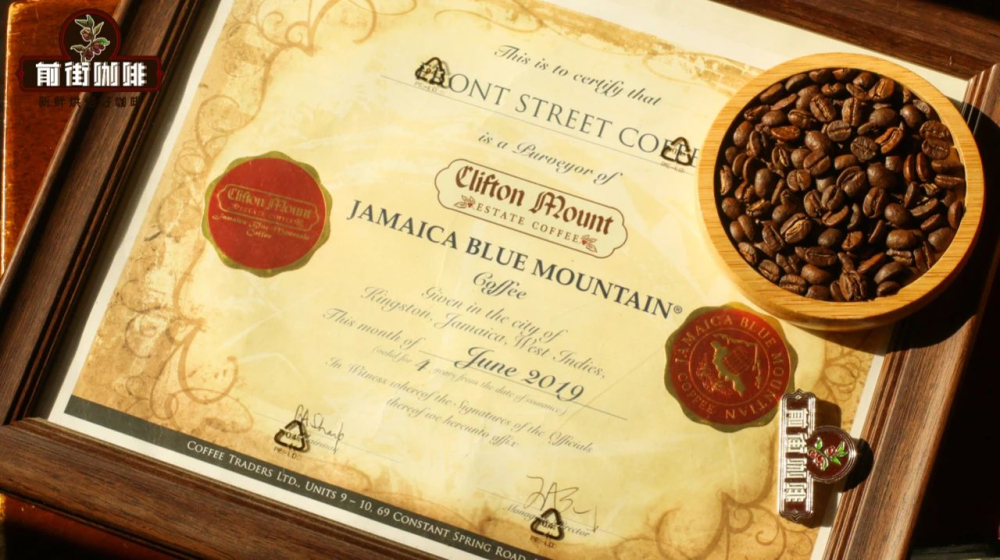
Authentic Blue Mountain coffee comes with a certificate of origin:
Blue Mountain coffee beans exported from Jamaica must pass inspection by the Coffee Board and obtain a certificate of origin before they are permitted to leave the country, and must also bear the Jamaican Blue Mountain Coffee trademark registered by the Coffee Board in more than twenty countries worldwide, only then can they truly be called authentic Jamaican Blue Mountain coffee beans. Jamaica's Coffee Board stipulates that only coffee grown in the legally designated coffee-producing regions deserves the name Jamaican Blue Mountain Coffee, and is authorized to use the Coffee Board's registered trademark: Blue Mountain Coffee.
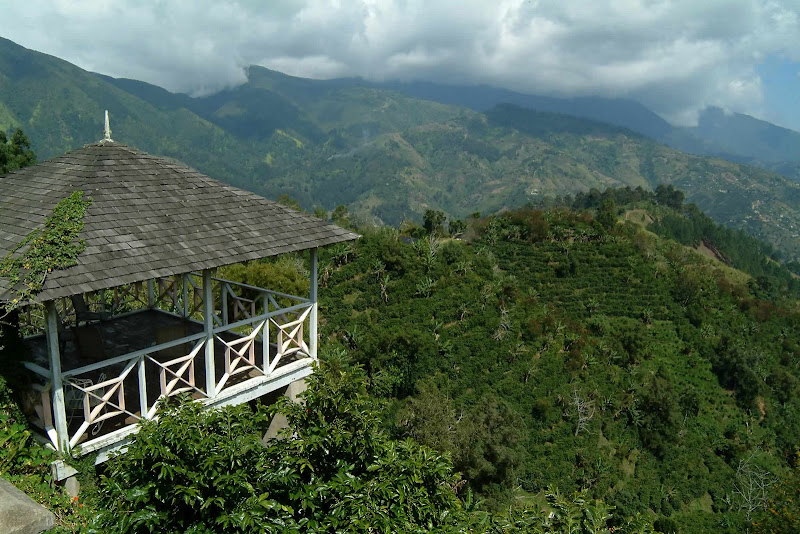
Quality control is also reflected at the estate level:
Just as wine values its famous château origins, Jamaican Blue Mountain coffee also values which estate it comes from. The processing standards of renowned estates far surpass ordinary processing plants, and these estates are known as authorized estates. Under Jamaica's Coffee Industry Regulation, the Jamaica Coffee Board authorizes a number of large estates to centrally process coffee cherries, export Jamaican Blue Mountain coffee beans, and use the Blue Mountain coffee trademark, thereby safeguarding the reputation and quality of Jamaican Blue Mountain coffee.
The prices of Blue Mountain coffee available on the market vary enormously. Besides differences in grade, some merchants blend Blue Mountain beans with beans from other producing countries for sale, so when buying, be sure to check whether the packaging states that the Blue Mountain bean content is 100%. Some packages labeled "Blue Mountain flavor" coffee may not contain a single Blue Mountain bean — it is merely a "flavor."
Is Blue Mountain really the best coffee in the world?
Whether something tastes good is highly subjective and varies from person to person. Some prefer intensity, some prefer lightness, some crave acidity, some favor bitterness. Those who love Blue Mountain appreciate its mild, smooth body and alluring fragrance, with bitterness turning to sweetness on the palate, full-bodied and with a long finish. However, Front Street has also met people with no interest in Blue Mountain at all, who find it "bitter and nothing special to drink" — and we respect everyone's taste preferences.
Now that the Front Street Blue Mountain No. 1 coffee beans everyone ordered have arrived, how should they be brewed? Front Street Coffee (FrontStreet Coffee) here recommends 7 brewing methods:
1. [Espresso] and [Latte]
You wouldn't expect that Front Street [Blue Mountain No. 1] can also make espresso! How do you make Blue Mountain SOE? The correct distribution technique is to level the surface of the coffee grounds, then tamp, with a pressure of about 25kg/m2 (we use a calibrated tamper, so tamping force is basically consistent), at an extremely fine grind (close to the coarseness of fine salt).
Extract 40 grams of liquid from 20.5 grams of grounds, with an extraction time of 26 seconds (14 grams for a single basket at full capacity, 22 grams for a double). Because the beans are relatively fresh, the crema has a medium thickness and golden color, with a rich caramel aroma. On tasting, you first sense a soft fruit acidity, then caramel sweetness gradually emerges, with chocolate and brown sugar in the finish.
Adding hot water to Blue Mountain espresso to make an [Americano] noticeably boosts the sweetness, which becomes lighter, while the fruit acidity decreases, leaving a high-concentration dark chocolate flavor in the mouth.
[Blue Mountain Latte]: Front Street uses fresh milk, steamed to 60 degrees; once the milk foam and milk are evenly combined and mixed with the espresso, it carries a hazelnut-like sweetness, with a prominent creamy chocolate flavor, while not masking the fresh sweetness of the milk — a surprising taste.
2. [Pour-over Coffee]
(1) Brewing with Kalita wave, cake cup, or Kono dripper:
Coffee brewed with a Kalita wave, cake cup, or Kono dripper has a full body and lasting flavor. During extraction, the Kono dripper uses air pressure generated by the siphon effect to extract; after the coffee grounds are saturated with water in the initial stage, extraction proceeds by immersion, raising the concentration, and soluble substances are carried out with the water flow. If you prefer a heavy body, this is the dripper to choose.
Prepare 15 grams of grounds, water temperature 88 degrees, medium-coarse grind (coarse sugar size, 70% passing rate on the Chinese standard No. 20 sieve), water-to-coffee ratio 1:15.
Technique: first bloom with 30 grams of water for 30 seconds, pouring close to the coffee bed; for the first pour, stop at 125 grams, and when the water level drops by one-third to one-half, make the second pour, stopping at 225 grams, then end extraction once all the water has passed through the coffee grounds. Keep total extraction time at around 2 minutes 15 seconds.
(2) Brewing with a V60 dripper:
The Hario V60 series dripper has a wide opening, and with its unique spiral curved ribs, airflow is more easily conducted out, thus improving extraction quality; the rib design can extract soluble substances in a short time, mainly by washing, giving a light, juice-like body with pronounced acidity, sweetness, and aroma. Paired with different pouring techniques, you can get coffee with different bodies and flavors — highly versatile.
Prepare 15 grams of grounds, water temperature 88 degrees, medium grind (white sugar size, 75% passing rate on the Chinese standard No. 20 sieve), water-to-coffee ratio 1:15.
Brewing technique: first bloom with 30 grams of water for 30 seconds, pouring close to the coffee bed; for the first pour, stop at 120 grams, and when the water level drops by one-third to one-half, make the second pour, stopping at 225 grams, then once all the water has passed through the coffee grounds, keep total extraction time at around 2 minutes 05 seconds.
Front Street Blue Mountain No. 1 coffee flavor: Blue Mountain's taste is very clean and very mild, with prominent chocolate sweetness and a very high body. Rich and mellow in flavor, the coffee's sweetness, acidity, and bitterness are perfectly balanced, with no bitterness at all, only a moderate and perfect acidity, and a lasting fruity note in the finish.
When brewed with Kono, Kalita wave, or cake cup, the concentration increases, the body is solid and heavy, and the flavor is strong; whereas brewing with a V60 dripper presents a crisp sweetness, with pronounced sucrose sweetness and, in the latter stage, a lingering finish and returning sweetness of nuts and high-concentration dark chocolate.
3. [Siphon Coffee]
Preparation steps:
(1) Add water to the lower chamber of the siphon; for two servings of coffee, add water 5 millimeters above the 2-serving mark on the siphon, because the coffee grounds will absorb water, so if you want two servings of coffee liquid, you need to add a bit more water.
(2) Grind the coffee beans, preparing 25 grams of grounds (about 15 grams per single cup), medium-coarse grind (65% passing rate on the Chinese standard No. 20 sieve), with a particle size between white sugar and brown sugar.
(3) After adding the water, wipe the outside of the lower chamber dry with a soft cloth, leaving no water stains, to avoid the pot bursting when heated.
(4) Put hot water into the lower chamber and heat with a gas burner; generally about 180 grams of water for a single cup and 300 grams for two servings (coffee-to-water ratio 1:12).
(5) Once ready, begin heating the water. When the water reaches brewing temperature, fit the cloth filter into the upper chamber, and be sure to hook the hook as shown in the picture below, otherwise the filter will be pushed open when the water from the lower chamber rushes up into the upper chamber.
[Late addition of grounds]: the taste is relatively rich, with the caramel and honey flavors of the middle stage more prominent.
Opposite to adding grounds first, late addition of grounds means adding the coffee grounds only after the water from the lower chamber has fully risen into the upper chamber. Before adding the grounds late, we have ample time to turn the heat down to just enough to keep the water in the upper chamber from falling back, then adjust the lower filter to center it, and finally wait a few minutes for the water temperature to drop slightly. When the water in the lower chamber has just risen into the upper chamber, the temperature is about 90 to 95 degrees, so you can wait for it to drop 2 to 5 degrees before adding the coffee grounds.
(1) When the temperature reads 90°C, straighten the upper chamber; after the water rises into the upper chamber, pour in the coffee grounds, stir, and start timing; stir in a circular motion, making sure the grounds are fully saturated;
(2) Adjust the heat to a suitable level, and after a 30-second bloom, stir a second time;
(3) Stir a third time at around 50 seconds; after stirring, remove the heat source and wipe the lower chamber with a semi-damp cloth to let the coffee liquid flow back; total time about 2 minutes 15 seconds.
Flavor: freshly brewed siphon coffee is very hot, so taste it after it cools a little. Rich caramel flavor, with a heavier body, yet without compromising its clean texture; the fruit acidity becomes more grounded, with a noticeable returning sweetness.
4. [AeroPress]
It combines the immersion extraction of a French press, the paper filtration of pour-over coffee, and the rapid pressure extraction principle of espresso. In theory, coffee brewed with an AeroPress can combine the richness of espresso, the clarity of pour-over, and the smoothness of a French press.
Standard AeroPress accessories: body (with rubber head already attached), funnel, filter paper holder, filter cap, filter paper, scoop, stirrer.
Advantages of the AeroPress:
(1) Clean and smooth taste: with suitable warm water and appropriate pressure, you can brew coffee that is low in acidity, free of bitterness, and full of flavor, with pronounced clean sweetness.
(2) Rich body: a perfect cup in 2 minutes, with the actual pressing time only 20 seconds. But the pressure extraction during pressing, on the contrary, yields a fresher expression than other immersion-style coffees.
Technique: inverted method, 15 grams of grounds for a single serving, medium-fine grind (80% passing rate on the Chinese standard No. 20 sieve), 85-degree water. Preheat the AeroPress first, pour in hot water and stir 2 circles to wet all the grounds, bloom with 35 grams of water for 30 seconds, then pour in 200 grams of water, stir gently a few circles at 1 minute 45 seconds, flip and press at 1 minute 50 seconds, applying pressure vertically and evenly, and finish extraction at 2 minutes 17 seconds.
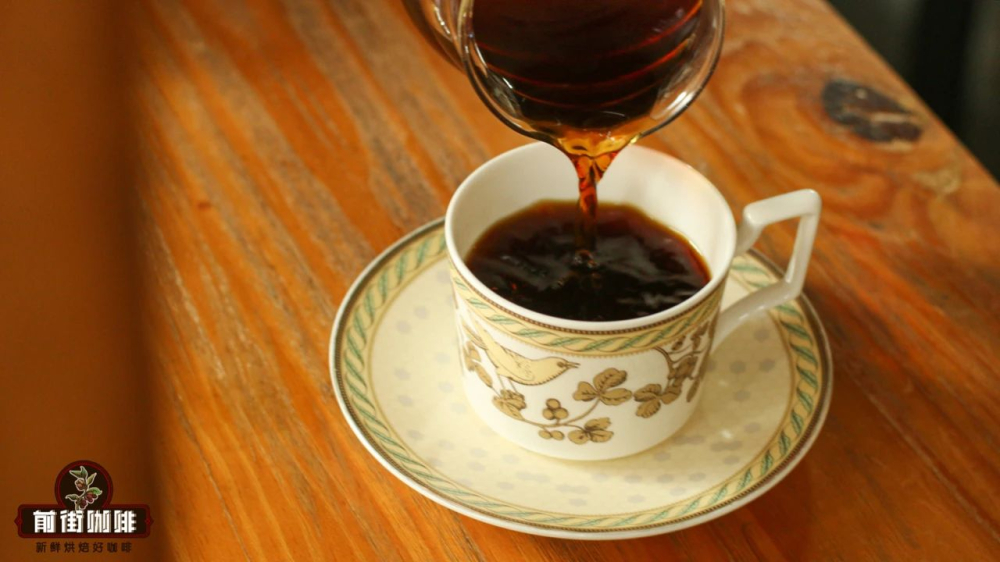
Flavor: the sweetness becomes quite fresh and prominent, with light fruit acidity; amid the clean sweetness there is a milk chocolate flavor, with a slight returning sweetness in the finish, and an overall taste like tea.
5. [French Press]
Not much technique required, no filter paper needed, convenient to use.
Grind: medium-coarse grind BG 6M (70% passing rate on the Chinese standard No. 20 sieve).
Technique: 20 grams of coffee beans, water-to-coffee ratio 1:14, pour 88-degree water into the French press up to 280 grams, start timing, put on the lid with the filter mesh resting at the highest position, wait two and a half minutes, then press the filter mesh all the way down.
Analysis: using immersion extraction, extraction is faster in the early stage and slower in the later stage; the coffee grounds are all immersed in water and extracted evenly, making [Front Street Jamaican Blue Mountain] taste balanced and not prone to bitterness. Pressing and filtering the grounds with a metal mesh retains rich oils, increasing the smooth mouthfeel and enhancing the body and caramel sweetness.
Flavor: compared with the AeroPress, the caramel flavor is more pronounced, but it retains more dark chocolate finish and fruit acidity, with an enhanced body.
6. [Cold Drip Coffee]
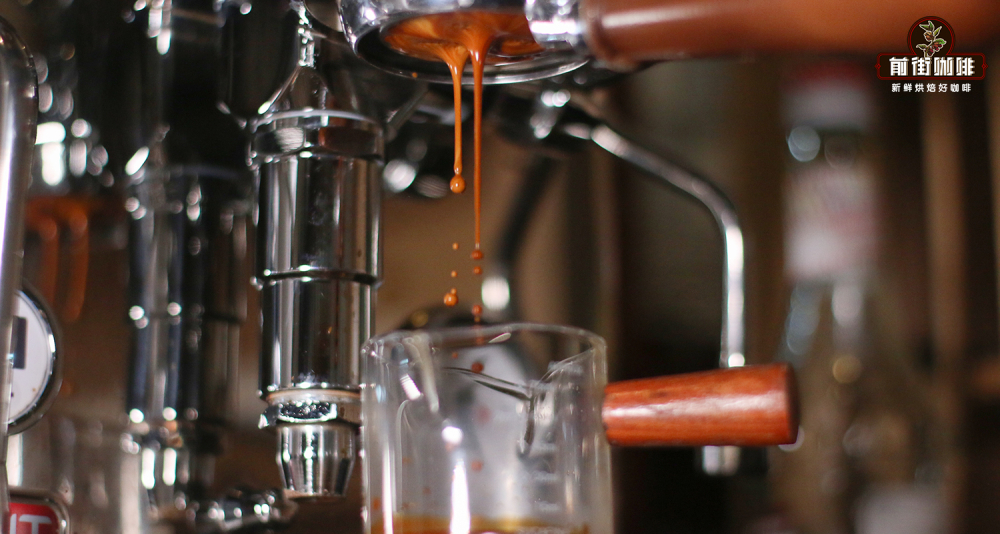
Medium grind (75% passing rate on the Chinese standard No. 20 sieve); cold drip has low requirements for grind; 60 grams of grounds drip-brew 600 milliliters of liquid, generally using a 1:10 or 1:12 coffee-to-water ratio, with 0 to 2 degree ice water, ice and water at a 1:1 ratio, dripping at a rate of 7 drops per 10 seconds.
After dripping is complete, seal and refrigerate for 3 to 4 nights to ferment. Why? Because freshly dripped coffee liquid does not taste full, and drinking it feels somewhat dry; medium-dark roasted beans especially need a longer fermentation time, which makes the taste smoother and the flavor fuller.
Details to note: for cold drip coffee, be sure to press the grounds gently so the coffee grounds structure in the filter tube stays even; place a piece of filter paper on the surface of the grounds so the water evenly saturates the particles; "pre-infusion" is also necessary, similar to the blooming process in pour-over.
Flavor: when drunk without ice cubes, the palate immediately has the sweetness of caramel, brown sugar, and dark chocolate; after adding ice cubes, the taste becomes smooth, with a faint fermented note, refreshing, carrying a soft fruit acidity.
7. [Japanese Iced Pour-over]
Prepare equipment: ice cubes, coffee beans, a set of pour-over gear (V60 dripper and filter paper, server, electronic scale, thermometer, pouring kettle, small spoon).
Technique: medium grind (75% passing rate on the Chinese standard No. 20 sieve), water temperature 89 degrees, pre-place 100 grams of ice cubes in the lower server, bloom water 40 grams, bloom for 30 seconds, stirring with a small spoon along the way to promote degassing and speed up the dissolution of soluble substances, then pour with a small stream up to 160 grams, and finally give it a shake — the iced pour-over is done.
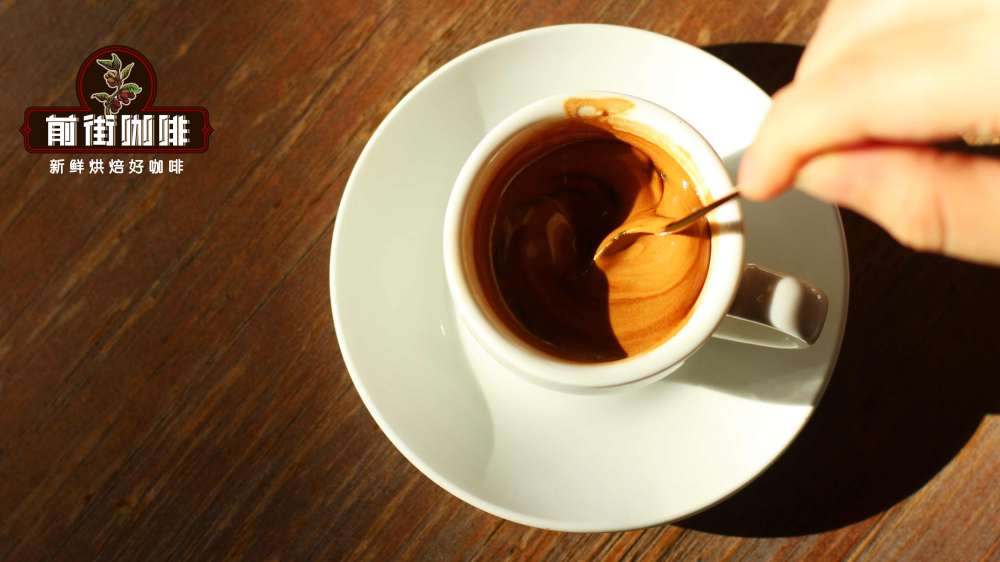
Flavor: after the ice cubes melt, the concentration is somewhat diluted, while the viscous, silky mouthfeel is enhanced, the fruit acidity intensifies, and a faint finish of melon, nuts, and roasted peanuts gradually emerges. Iced pour-over is somewhat weaker in layering than hot pour-over, with little change in flavor from start to finish.
[Front Street Coffee (FrontStreet Coffee) Jamaican Blue Mountain No. 1 Coffee] has many ways to be enjoyed, each with a different taste; this is provided here for your reference, and you can also adjust according to your own preferences.
The above content is compiled by CoffeeHunters, a coffee news website.


