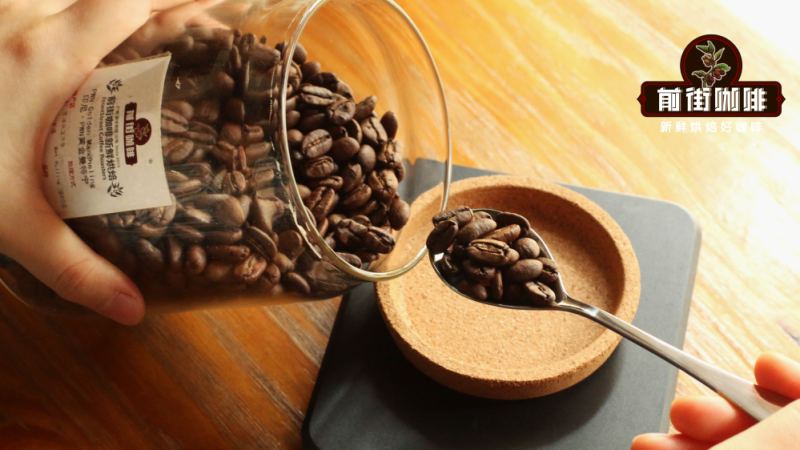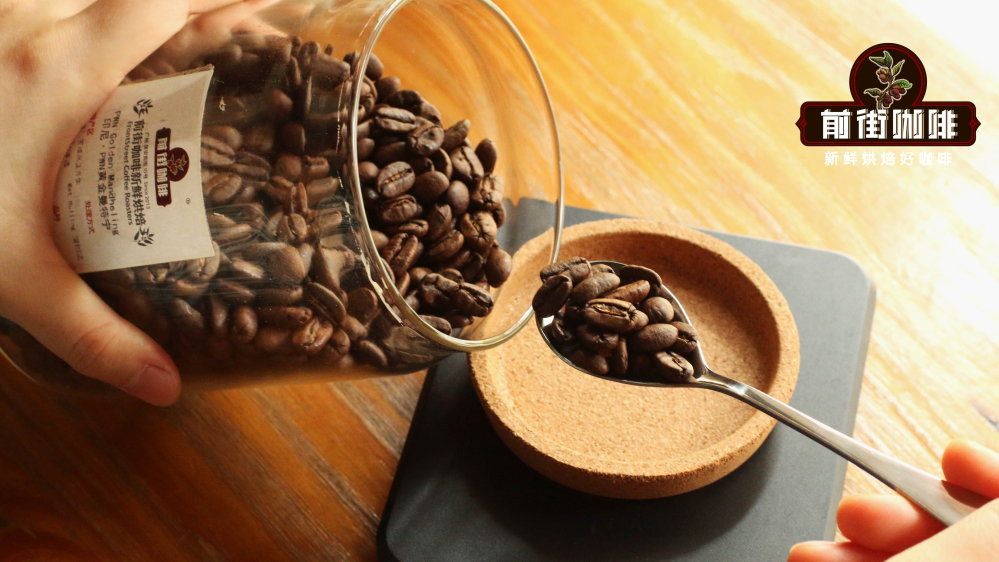
Front Street Coffee's standard coffee dose is 15 grams, so when sharing coffee brewing methods, 15 grams is always used as the demonstration standard.
However, the coffee doses used for brewing vary widely. Based on Front Street Coffee's observations, the most common ones are multiples of 6 — 12 grams, 18 grams, and 24 grams — which are mostly derived from the dose needed to produce a single 120ml serving of coffee. There are also multiples of 5, such as 15 grams, 20 grams, and 25 grams, which represent a compromise based on the filter's recommended dose — that is, the brewing amount suited to the filter model, while also making it easy to calculate the ratio of water. Some also use 16 grams, which has the advantage of making it easier to calculate when pouring in stages at a 1:15 brewing ratio.

How do different doses affect brewing performance?Friends who are used to brewing with 15 grams will develop a conditioned reflex (the same applies to those used to other doses). When 15 grams of coffee is poured into a 01-size V60 dripper, it sits right at the halfway point of the cone's height. With a steady, familiar pour, that coffee bed state gives a certain inexplicable sense of familiarity — and it's no exaggeration to say that even without a scale, you can reliably control the coffee-to-water ratio.
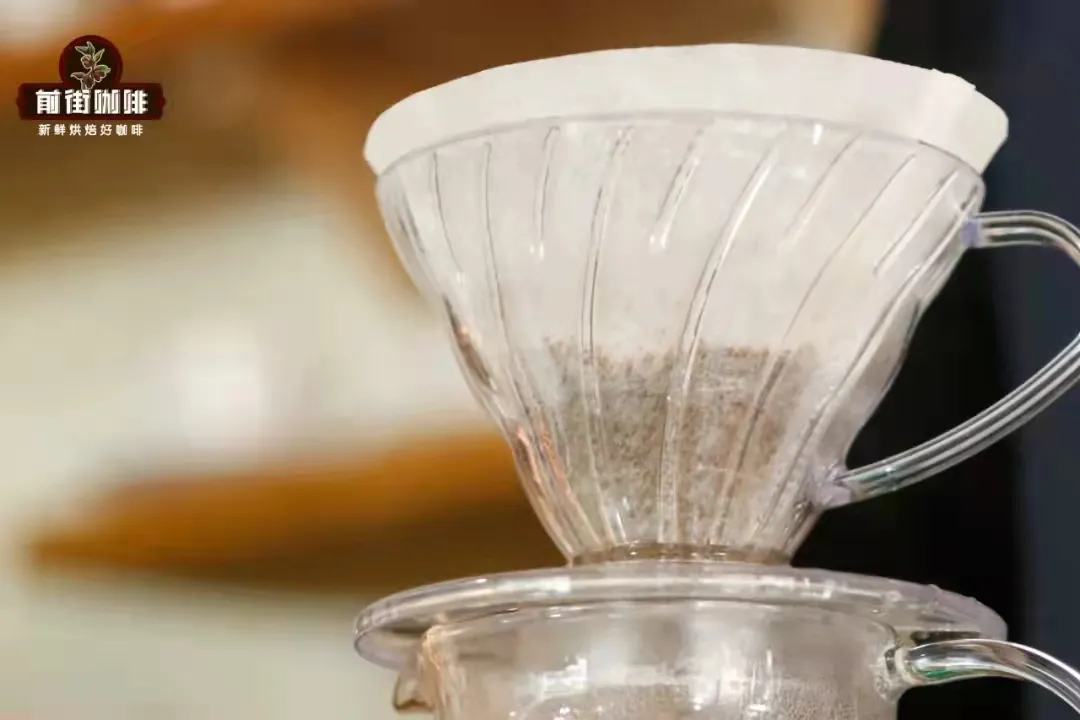
So the first difference is that the coffee bed behaves differently. When the dose difference is small (such as 15 vs. 16 grams), the coffee bed doesn't change much. But when the dose difference is larger (such as 15 vs. 20 grams), the coffee bed's behavior changes very noticeably.Using the same 01-size V60 dripper to brew 15 grams and 20 grams respectively, the coffee bed for 20 grams will be higher than for 15 grams, but no adjustments to the pouring method or parameters are needed, because this falls within the range of quantitative change. If you use a 01-size dripper to brew 25 grams and still brew the same way, there's a high chance it will go wrong. This is because the dripper's reasonable capacity is 10–20 grams, and if you exceed that dose, the dripper can't hold that much water.

Therefore, some adjustments need to be made to ensure the brewed flavor stays the same as usual. When using a small dripper to brew a large dose, multiple pours are unavoidable. To avoid over-extraction from prolonged immersion, Front Street Coffee recommends slightly coarsening the grind to reduce the risk of over-extraction. Taking the EK43s as an example, when brewing a large dose, Front Street Coffee will coarsen by 0.3 of a setting. Next is the pouring issue: as the dose increases, the base surface area of the coffee bed also increases accordingly, so to keep up with the rhythm, the flow rate also needs to be increased accordingly. In fact, a large dose has a much higher margin for error than the standard dose — it's very forgiving of pour technique, circling, and so on. It only feels difficult because you're not yet familiar with the process.If you switch to a properly matched dripper, there's much less trouble. Major manufacturers have also released 02-size drippers suited for larger brews. Taking the 02-size V60 dripper as an example, it's suitable for 2–4 servings, or 20–40 grams of coffee. When brewing, there are no hardware limitations. But be mindful of timing: Front Street Coffee says the extraction time for a cup of coffee is about 2 minutes, and this time is based on a three-pour brew with 15 grams of coffee.
So when the dose increases, the brewing time will increase accordingly. Following the three-pour brewing method, 15 grams of coffee extracts in about 2 minutes, 20 grams in about 2 minutes 20 seconds, and 30 grams in under 3 minutes.

Changes in dose also require corresponding control of the pouring speed. With a large dose, increase the flow rate appropriately; with a small dose, reduce it. That's why some brewing kettles with extremely narrow spouts aren't suitable for brewing large doses (this is where the advantage of the hand grenade kettle shows).
The above content is compiled by CoffeeHunters, a coffee news website.