







Search Results for: brewing framework
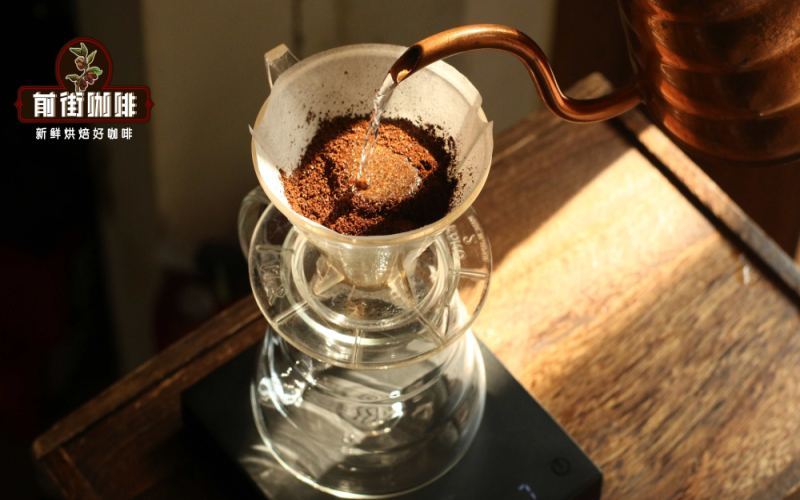
The Secrets of Pour-Over Coffee Extraction Time: A Complete Analysis from Grind Size to Brewing Framework
In the world of pour-over coffee, time is a unique presence—it is not a parameter that can be directly adjusted, but rather a comprehensive reflection of all brewing variables working together. For this very reason, extraction time becomes an important benchmark for judging whether other parameters are reasonable. This article will explore in depth how time affects coffee extraction yield, and why Front Street Coffee insists on using a brewing framework of 2 minutes ±10 seconds. From the direct impact of grind size on water flow rate, to the coordinated interplay of coffee-to-water ratio, water temperature, dripper model, and other parameters, we will break down each key factor affecting extraction time one by one, helping you understand how to use time as a window to diagnose and correct deviations in coffee flavor, so that every cup of pour-over consistently delivers the ideal taste. [more…]
How to Design a Pour-Over Recipe for Unfamiliar Coffee Beans: From Building a Brewing Framework to Precise Matching
When faced with a coffee bean you've never encountered before, how do you quickly develop a suitable pour-over plan? This article starts with simplifying the brewing framework and shares a practical method: first roughly categorize coffee beans by roast level, establish a highly versatile brewing plan for each category, and then identify where unfamiliar beans belong through flavor descriptions and bean color. As experience accumulates, gradually refine the categories, deriving medium roast from light roast and dark roast, and even making further adjustments for special varieties such as Geisha. Front Street Coffee uses its own two brewing plans as examples to show that by keeping the dose, ratio, and technique consistent and adjusting only the water temperature, grind size, and dripper, most beans can be handled. This approach not only reduces decision-making costs but also leaves room for subsequent optimization. [more…]

How Long Should Pour-Over Coffee Extraction Take? Is Two Minutes a Hard Requirement? An Analysis of Factors Affecting Brewing Time
How long exactly should the extraction time for pour-over coffee be controlled? Is two minutes truly an unshakable standard? Starting from the relationship between extraction yield and time, this article explains why Front Street recommends 2 minutes ±10 seconds as a reference range, and clarifies the logic behind how this time matches Front Street's current brewing framework. At the same time, the article will sort out which variables directly change the speed at which water passes through the coffee bed during the entire pour-over process, among which grind size is one of the most critical influencing factors. Only by understanding the parameter interactions behind time can you more accurately judge the source of flavor deviations and make effective adjustments. [more…]
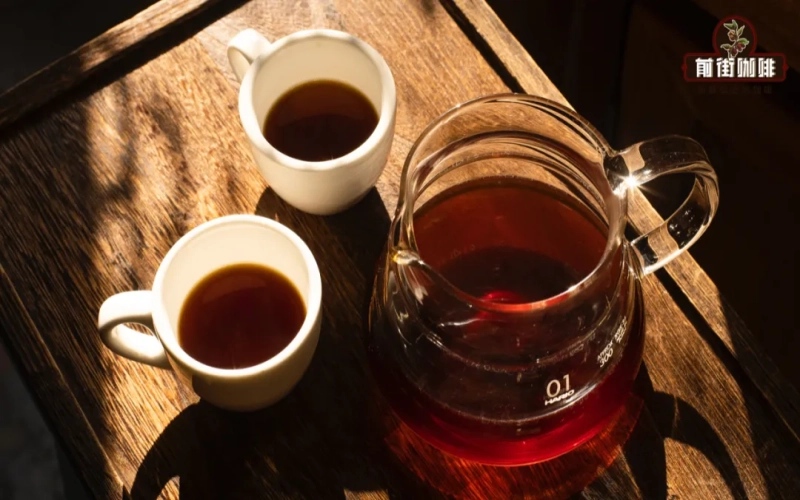
Pour-Over Coffee Intermediate Guide: Water-Pouring Strategies and Flavor Balance Points for Hario V60 and Kono Drippers
Those just getting into pour-over coffee often need repeated practice to find the flavor they truly enjoy. However, mastering a few key techniques and professional insights can make the learning curve much smoother. Among these, the choice of dripper and the corresponding pouring method have a significant impact on the final flavor. This article will use two classic drippers, the Hario V60 and the Kono, as examples to analyze how to match them with coffee beans of different roast levels, and explore how to build a stable brewing framework. At the same time, we'll also discuss the priorities of sweet-sour balance versus concentration in coffee tasting, and recommend a few Front Street coffees that are suitable for beginners, with a balanced taste, to help you brew a great cup more easily. [more…]
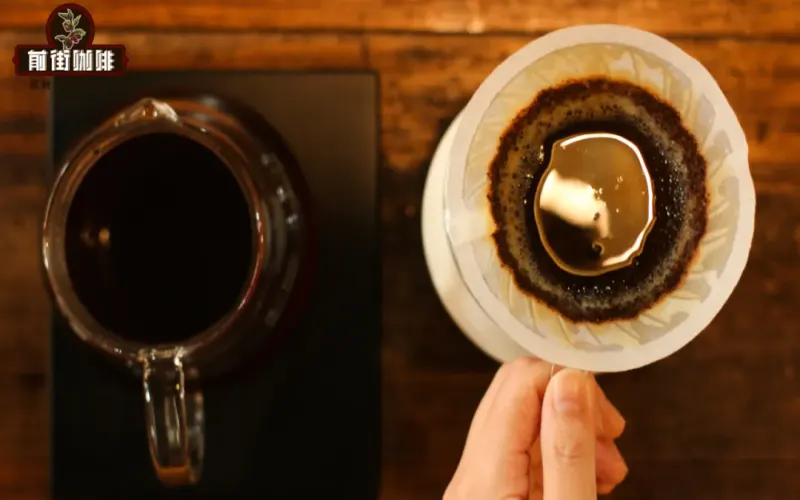
A Complete Guide to Bypass Brewing in Pour-Over Coffee: The Difference Between Coffee-to-Water Ratio and Coffee-to-Beverage Ratio, and When to Use Bypass Correctly
In the practice of pour-over coffee, "cutting off" the brew is a technique that is often mentioned. Many enthusiasts believe that the tail-end coffee liquid carries bitterness, and so habitually remove this portion at the end of brewing. However, cutting off the brew is not a universal key—improper use can instead destroy the coffee's complete flavor. From the perspective of Front Street, this article takes a deep dive into the dissolution patterns of bitter substances, explains why the tail end does not produce negative flavors under reasonable parameters, and distinguishes in detail between the two concepts of coffee-to-water ratio and coffee-to-liquid ratio, while also sorting out the two scenarios in which cutting off the brew truly applies—actively incorporating the cutoff into the brewing framework, and being forced to cut off due to clogging. By understanding these principles, coffee enthusiasts can use the cutoff more scientifically and improve their brewing quality. [more…]
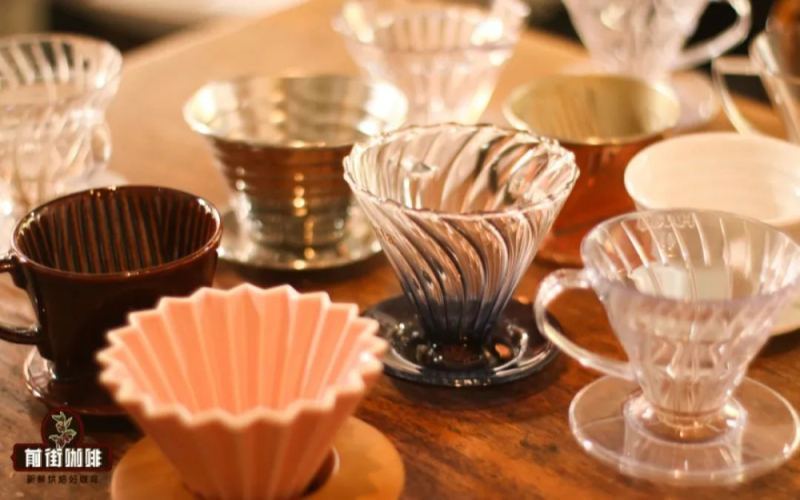
Should pour-over parameters be adjusted according to differences in dripper shape and flow rate?
In the practice of pour-over coffee, many enthusiasts directly apply common brewing frameworks, such as controlling the total extraction time to around two minutes. But in actual brewing, the same parameters may show significant time deviations due to different drippers. What exactly is going wrong behind this? The shape of the dripper, the size of the holes, and the distribution of the flow-guiding ribs all change the drainage speed, which in turn affects the final flavor. This article compares the measured performance of the V60 and the cake dripper to explore a core question: when facing drippers with different flow rates, must we re-plan the brewing framework? And how should we view the parameter of extraction time? [more…]
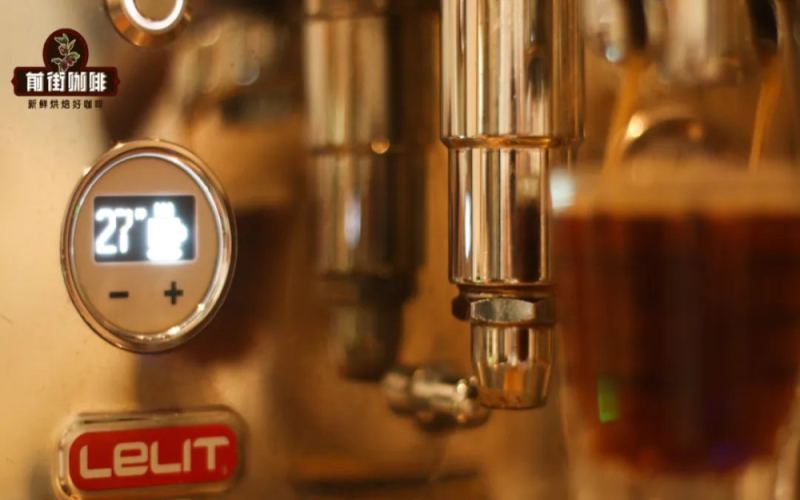
How to Control Espresso Extraction Time? A Complete Interpretation from Traditional Standards to Modern Parameters
Espresso is far more sensitive to extraction time than any other brewing method—a difference of just a few seconds can make the flavor worlds apart. This article will take you back to the classic 20-30 second standard in early espresso textbooks, analyze why the old formula no longer applies now that contemporary coffee bean quality has improved, and introduce in detail the current new-generation extraction framework based on double baskets, measured by weight, with a 1:2 brew ratio and a 25-30 second extraction time. At the same time, the article will also recommend two espresso beans suited to different scenarios—Front Street Classic Blend and Front Street Dark Cocoa Blend—to help you quickly find a stable extraction solution. [more…]
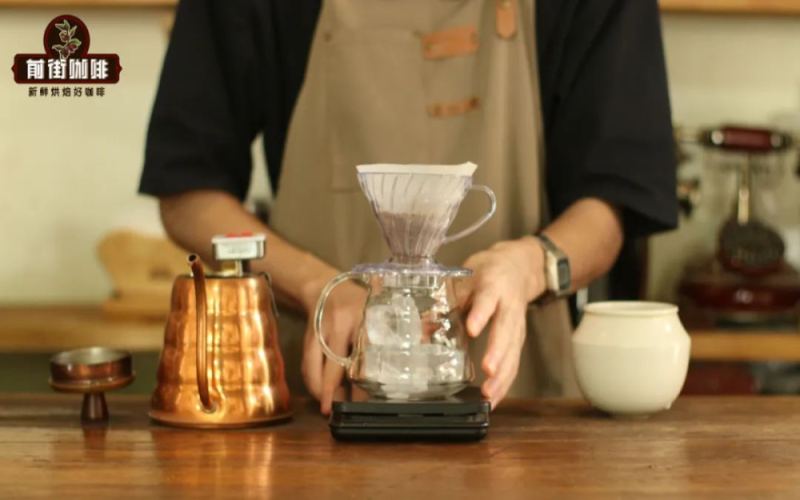
When encountering unfamiliar coffee beans for the first time, how to quickly find a suitable brewing recipe
When you bring home a bag of coffee beans you've never tried before, many coffee lovers find themselves at a loss: what temperature should the water be? How fine should the grind be? Especially when the beans are expensive, one failed brew means real money down the drain. Through practice, Front Street Coffee has distilled a simple approach: rather than trial-and-error on every new bean, first build a highly adaptable brewing framework, then match each bean to its proper slot based on its characteristics. This article focuses on the roast-level classification method, breaking down in detail the core differences between light and dark roasts in grind size, water temperature, and dripper choice, and further exploring the variables introduced by processing method and bean variety, to help you quickly lock in a preliminary plan when facing unfamiliar beans and minimize the odds of a disastrous brew. [more…]
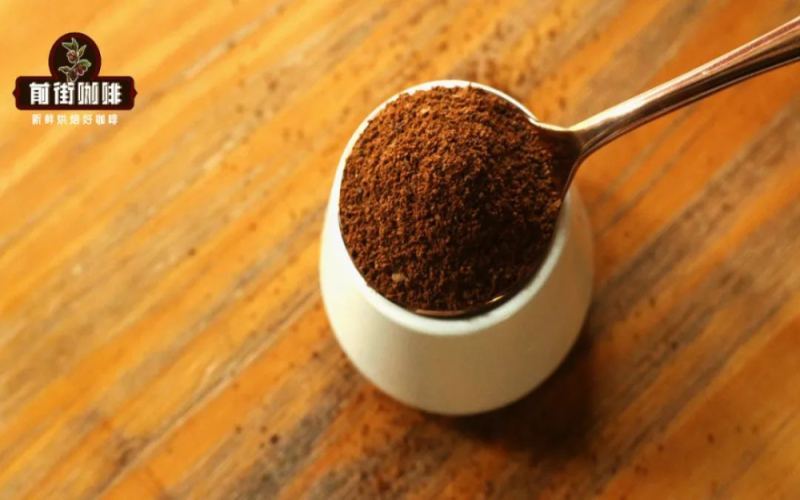
Pour-Over Coffee Grind Size Self-Test Guide: From Spice Analogies to Blind Tasting Practice
Among the many variables in pour-over coffee, grind size is often the hardest to describe precisely in words. Every enthusiast uses a different grinder, so when baristas communicate with customers, they usually have to rely on everyday seasonings as analogies. Although this approach has its limitations, it is an effective way to quickly establish a brewing framework. This article will systematically sort out the applicable scenarios for four grind reference points—fine salt, fine granulated sugar, coarse granulated sugar, and sea salt texture—and, using a natural-process red cherry coffee as an example with the MAVO Wizard 2.0 manual grinder, demonstrate how to gradually "blind-test" your ideal setting when faced with an unfamiliar grinder by observing the bloom pattern, drawdown time, and coffee grounds condition, helping you find your own cup of good coffee. [more…]
How to identify Phoenix Dancong Songzhong Huangzhixiang? What taste and aftertaste characteristics should a good tea have?
You often hear people say, "There is no good or bad tea; what suits your taste is precious," but as tea suppliers, this saying is somewhat of an evasion. We sample countless teas and, while we don't score each one, we judge whether a tea is excellent from three specific dimensions: whether the aroma settles into the liquid, whether the aftertaste lingers, and whether the mouthfeel is mellow and smooth. This article uses Phoenix Dancong Songzhong Huangzhixiang as an example to break down these three criteria and help you build a foundational framework for tasting good tea, so you no longer conclude based solely on "it smells fragrant and goes down smoothly." [more…]

Introduction to Coffee Tasting: Flavor Description Methods and Characteristics of Pour-Over Coffee, from Aroma to Aftertaste
Tasting specialty coffee is like tasting wine: you must not only drink it, but also learn to perceive and express it. This article unfolds from two levels: the tasting process and the tasting dimensions. First, it lays out the complete steps of smelling dry aroma, wet aroma, and tasting at high and low temperatures; then, drawing on the subdivided COE cupping categories—aroma, cleanliness, sweetness, acidity, mouthfeel, flavor, aftertaste, and balance—it explains one by one how to describe the flavor of a cup of coffee. At the same time, it answers why we use "flavor" rather than "taste" to express coffee, and introduces the characteristics of pour-over coffee in terms of aroma layering and mouthfeel performance. The article also combines recommended products from Front Street Coffee to help enthusiasts build a systematic tasting framework, making every brew a well-grounded sensory exercise. [more…]
Top Ten Specialty Coffee Bean Brands Roundup: A Detailed Guide to Pour-Over Black Coffee Brewing Methods
Want to know which specialty coffee beans are currently the most popular? This article rounds up the world's top ten hot single-origin coffee beans, covering renowned origins such as Panama Emerald Estate Red Label Geisha, Jamaica Blue Mountain No. 1, Indonesia Golden Mandheling, and Ethiopia Yirgacheffe, along with the origin, altitude, processing method, and flavor description of each bean. At the same time, using the Yirgacheffe Gudingding Cooperative coffee beans as an example, it explains in detail the three-pour technique for pour-over black coffee, including the coffee-to-water ratio, grind size, water temperature control, and pouring rhythm, helping coffee enthusiasts build a stable brewing framework. [more…]
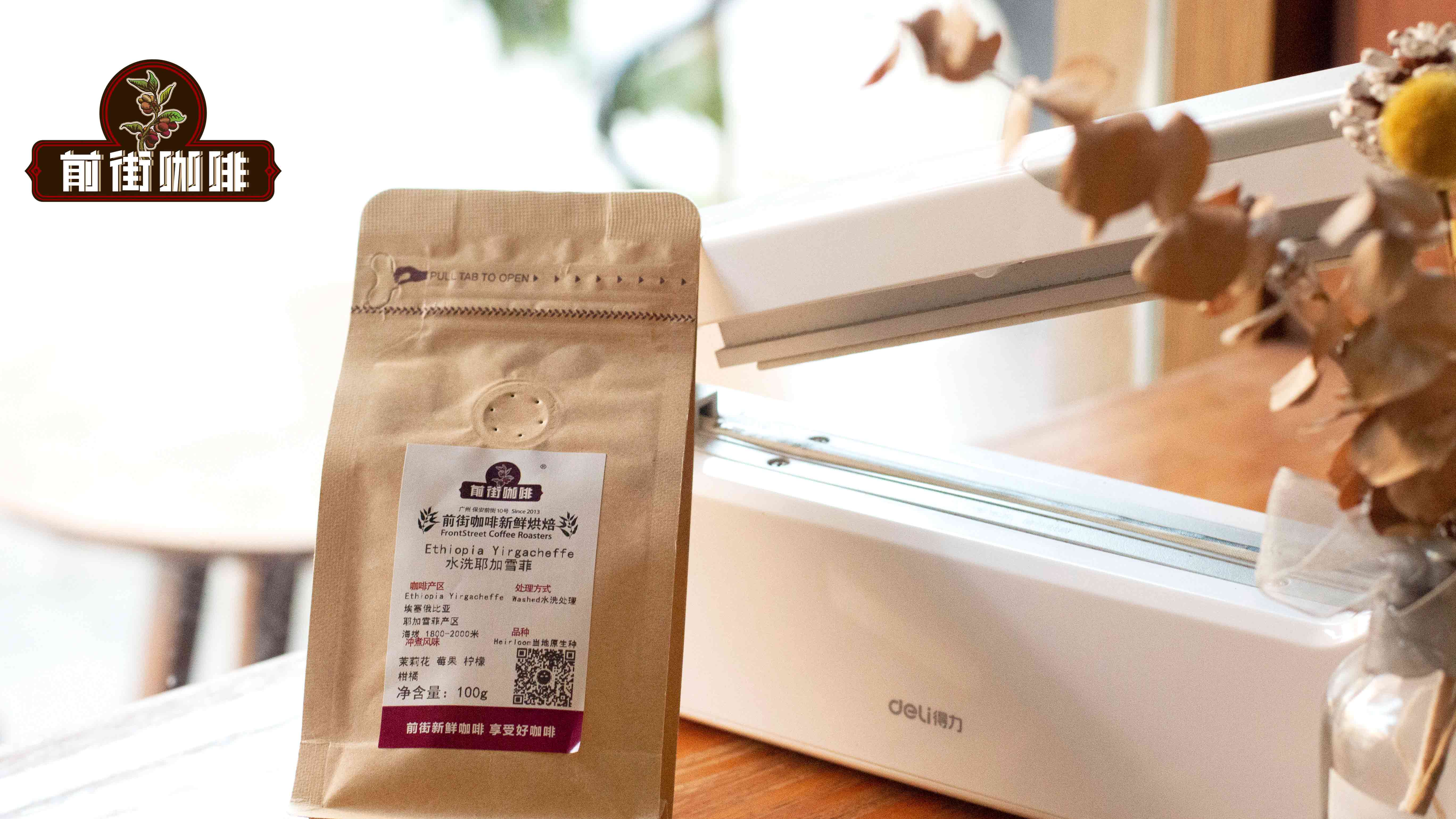
Yirgacheffe Gedeb Gotiti Cooperative Coffee Beans: A Complete Guide to Roasting Key Points and Pour-Over Parameters
Yirgacheffe is known for its citrus, lemon, and berry-like sweet-tartness and rich floral aroma, often roasted to a medium-light level and presented via pour-over. This article focuses on Front Street Coffee's Yirgacheffe Gedeb Cooperative coffee beans, outlining their growing region background, washed processing flow, and green bean information, and provides complete pour-over parameters and a three-stage pouring procedure to help coffee enthusiasts understand how variables such as grind size, water temperature, and coffee-to-water ratio affect flavor, and to build a reusable brewing framework. [more…]
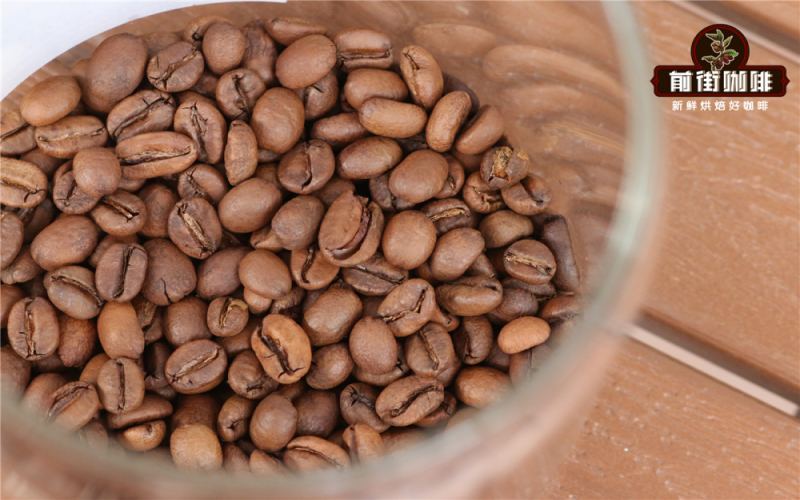
Complete Guide to Yirgacheffe Pour-Over: Practical Guide to Staged Pour Ratios and Extraction Parameters
Front Street washed Yirgacheffe is known for its jasmine, citrus, lemon, and berry aromas, but to brew out its clean, bright floral and fruity character, you need to control everything from the bean's characteristics, grind size, and water temperature to the pouring technique. This article focuses on the medium-light roast style of Front Street Yirgacheffe, walks through hand-brewing equipment preparation, grind and water temperature parameters, and the extraction logic of the V60 dripper, and provides the specific ratios and steps for a three-stage pour, helping coffee lovers build a reusable brewing framework so that Yirgacheffe's aromas come through more clearly. [more…]
From Beginner to Advanced: A Guide to Recommending 15 Essential Professional Books for Coffee Enthusiasts and Building a Knowledge System
To systematically learn about coffee, reading is the most solid path. Compiled by Front Street Coffee, this article reviews 15 quality books suitable for coffee enthusiasts, from beginner to advanced to professional development. Whether you are a newcomer just getting into coffee or a professional hoping to refine your skills, you can find a learning direction that suits you. The article covers multiple dimensions including basic coffee knowledge, bean varieties and origins, brewing techniques, sensory tasting, and roasting science, helping you efficiently build a coffee knowledge framework. [more…]
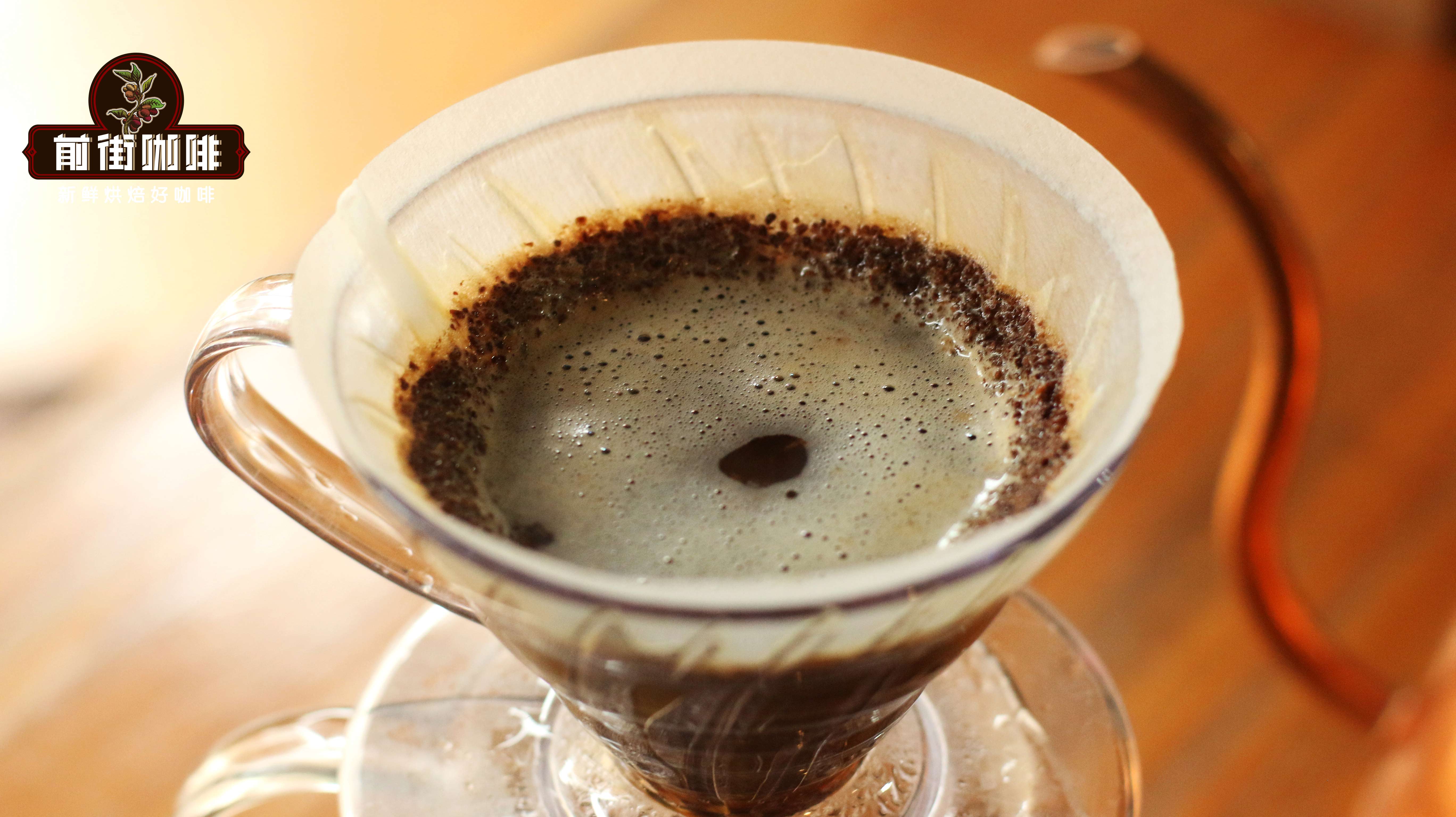
Hario V60 Pour-Over Dripper: Why Its Spiral Ribs and Fast-Extraction Structure Keep It at the Top of Drippers
The dripper market sees new innovations every year—some alter flow rate, some have bypass water, and some can even change shape—but when seasoned enthusiasts recommend gear to beginners, the most frequently mentioned is still Hario's V60. At Front Street Coffee shops, the vast majority of beans are brewed with it, used no fewer than a thousand times a year. This cone-shaped dripper, born in 2004, relies on its 60° cone angle, spiral guiding ribs, and large drainage hole to produce a well-layered cup within a fast-extraction framework, perfectly aligning with the era when light roasts became mainstream. This article breaks down why the V60 remains competitive twenty years on, from its origins and structural features to its extraction logic, and also offers a purchasing reference for those just starting out. [more…]
The Complete Guide to Light-Roast Yirgacheffe Pour-Over: Flavor Analysis of Gudingding Washed Beans and the Three-Stage Bloom Pouring Technique
Yirgacheffe is renowned for its bright, sweet-tart citrus, lemon, and berry notes, along with its rich floral aroma. It is usually given a medium-light roast and prepared as pour-over. This article uses Front Street Coffee's Yirgacheffe Gudingding Cooperative washed beans as an example, breaking down everything from the producing region's background and the washed processing flow to brewing parameters and blooming technique. You will see how Gudingding became independent from the Worka Cooperative in 2012 and grew into a representative of Yirgacheffe's specialty micro-regions; you will also learn the details of fermentation, channel washing, and African raised-bed drying in washed processing. The brewing section covers the complete setup of a V60 dripper, 92°C water temperature, 15 grams of coffee, a 1:15 coffee-to-water ratio, and medium-fine grinding, with a three-stage pouring timeline and water distribution to help beginners build a reusable pour-over framework. [more…]
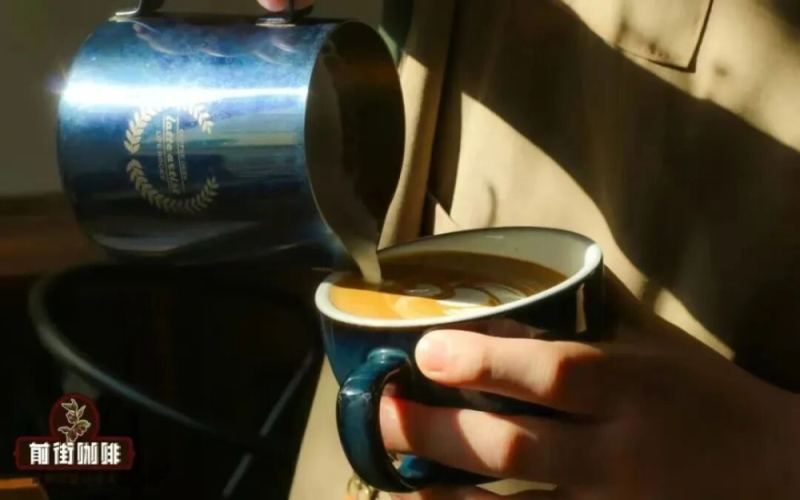
Standard Latte Coffee Recipe and Extraction Parameters Explained: What Cup Size to Use for Different Roast Levels
Latte coffee is the classic fusion of espresso and milk, yet the cup sizes produced by different cafés often vary noticeably. Starting from the framework of Italian coffee culture, this article systematically sorts out the logic behind latte cup size choices, and, combined with the flavor characteristics of three types of espresso beans—medium roast, medium-dark roast, and dark roast—provides specific recommendations for coffee dose, espresso yield, milk ratio, and cup size respectively. It also explains the finer points of dine-in latte cup types, as well as the complete parameter schemes for making lattes with three beans—Front Street Strawberry Candy, Queen's Estate, and the commercial blend—to help you find the optimal balance between coffee and milk. [more…]
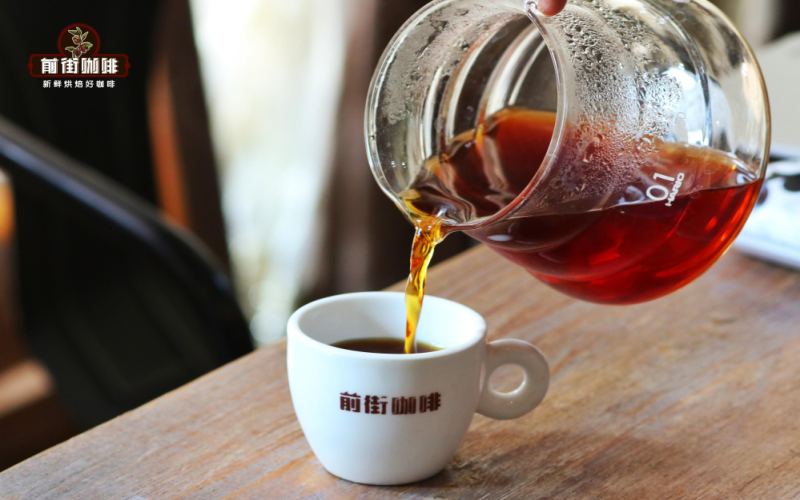
Yirgacheffe Pour-Over Technique Explained: A Complete Guide to Single-Origin Bean Coffee-to-Water Ratios and Brewing Parameters
Yirgacheffe is known for its citrusy sweet-tartness, white floral aromas, and tea-like body, making it a classic choice for pour-over enthusiasts just getting started. To brew its light, elegant flavors, roast level, grind size, water temperature, and pouring technique are all indispensable. This article begins with the background of Yirgacheffe's growing region, explains the reasons for a medium-light roast, and shares the washed everyday-bean recommendations from Front Street Coffee along with their brewing plan. It breaks down in detail the complete process for 15 grams of grounds, a 1:15 coffee-to-water ratio, and a three-stage pour, including blooming, water distribution, and timing control, helping beginners build a reusable pour-over framework while understanding the extraction logic behind each parameter. [more…]

Ten easily overlooked details in pour-over coffee, Front Street breaks them down for you one by one
Many coffee enthusiasts, when brewing pour-over coffee, follow established parameters yet the final flavor often deviates from expectations—the problem usually lies in those easily overlooked operational details. Front Street Coffee has compiled ten points that beginners most often neglect, covering pre-grinding burr rinsing, filter paper fitting, tapping the dripper, checking before pouring, timing of water temperature confirmation, parameter execution, bloom saturation, focusing on the coffee bed rather than the scale, shaking for evenness, and correctly interpreting the shape of the spent coffee bed. These details may seem minor, but they directly affect extraction uniformity and the final taste. Mastering them will help you pinpoint the source of problems more quickly during troubleshooting, bringing every cup closer to the ideal state. [more…]