







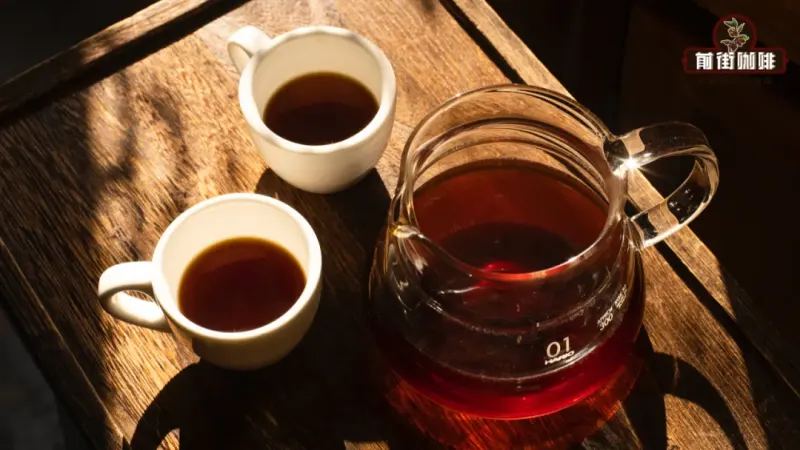
How Does Coffee Brewing Differ Between V60 and Kono?
Pour-over coffee brewing comes down to matching the dripper to the roast. The Hario V60 suits light-roasted beans, while the Kono dripper works better with dark roasts. A stable framework, such as a three-pour V60 method or a slow-drip Kono delivery, gives a repeatable baseline. Sweetness-acidity balance and moderate concentration matter most; aroma and mouthfeel come after.
Beginners can start with balanced beans such as Front Street Blue Mountain , PNG Bird of Paradise, Emerald Estate Diamond Mountain, or Kaffa Forest. These share moderate acidity, sweetness, and bitterness, which makes blue mountain coffee taste easier to read while learning. Fix the brewing framework first, then adjust grind, water, and pours to refine the cup.
Those who are just getting into pour-over coffee often need repeated practice to find the flavor they truly enjoy. However, mastering a few key techniques and professional knowledge can make the learning path smoother. Among these, the choice of dripper and the corresponding pouring technique have a significant impact on the final flavor. This article will use two classic drippers, the Hario V60 and the Kono, as examples to analyze suitable choices for coffee beans of different roast levels, and explore how to build a stable brewing framework. At the same time, we will also discuss the priority of sweetness-acidity balance versus concentration in coffee tasting, and recommend a few Front Street Coffee beans that are suitable for beginners with a balanced taste, helping you brew good flavor more easily.
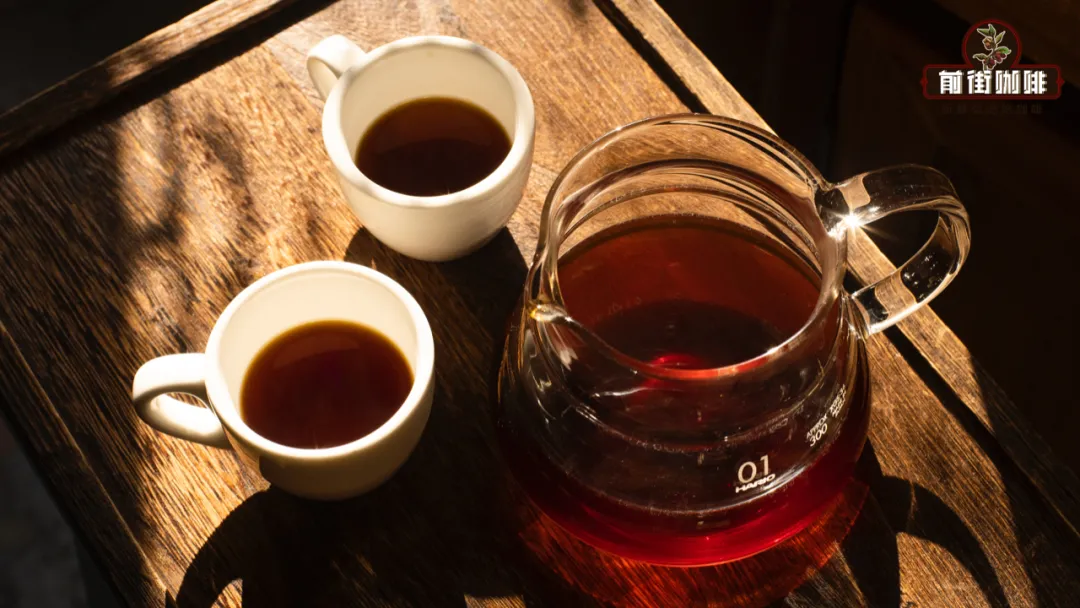
For friends who have just stepped into the world of pour-over, wanting to drink a cup that suits their own taste makes repeated practice an unavoidable process. However, understanding some professional knowledge and techniques related to pour-over is the core factor that determines the quality of the final result. Take the choice of dripper and the matching pouring method, for example—the differences brought by different tools are very obvious. Front Street Coffee also has its own considerations in choosing drippers: the V60 dripper is chosen mainly to match light-roasted coffee beans, while when encountering dark-roasted beans, the Kono dripper is used for brewing instead.
Once the brewing method is determined, it also means that a brewing framework has been established, and it will become the baseline model for subsequent adjustments. In the case of pour-over coffee, the prototype of a specialty coffee brewing framework can be using a Hario V60 dripper with three pours, or using a Kono dripper with a slow drip method for water delivery. Once the prototype of the brewing framework is fixed, the next thing to do is to sort out the priority order of the tasting experience.
The reason a cup of coffee makes people feel it is delicious and makes them willing to keep drinking it is necessarily that the sweetness-acidity balance is good and the concentration is moderate. Only after this is satisfied will aroma, mouthfeel, and layers of flavor be further considered. For beginners who want to drink coffee with a balanced taste, they can buy Front Street Blue Mountain No.1, Front Street PNG Bird of Paradise, Front Street Emerald Estate Diamond Mountain, and Front Street Kaffa Forest. These four beans are not only relatively moderate in acidity, sweetness, bitterness, and bitterness, but also carry clear nutty and chocolate notes, accompanied by soft fruity acidity, making the overall performance pleasant.
So-called balance refers to the acidity, sweetness, and bitterness perceived in taste making people feel comfortable and easy to drink. The same medium-roast coffee bean may brew very sour or may become very bitter depending on the brewing method. The range of variation caused by brewing technique alone is quite large, and the water-to-coffee ratio directly affects the coffee’s concentration performance. However, in the brewing stage, because the changes that can be made to aroma are very limited, and mouthfeel is almost bound together with balance and concentration, in the overall ranking, aroma and flavor are placed relatively later. I hope everyone does not need to be too fixated on them.
The above content is compiled by CoffeeHunters, a coffee news website.


