







Search Results for: bloom collapse

During pour-over blooming, the coffee bed puffs up and then collapses—is this normal? An analysis of the causes and adjustment methods.
In the blooming stage of pour-over coffee, the coffee bed usually forms a fluffy "hamburger" dome, which is an important signal for judging the freshness of coffee beans. But some friends have found that although the coffee bed puffs up briefly after pouring water, it quickly collapses. Is this actually normal? This article will analyze the causes of "expanding first, then sinking" from three angles—water volume, grind size, and pouring technique—and, combined with Front Street Coffee's brewing experience, provide specific judgment and adjustment suggestions to help you master the blooming stage more precisely. [more…]
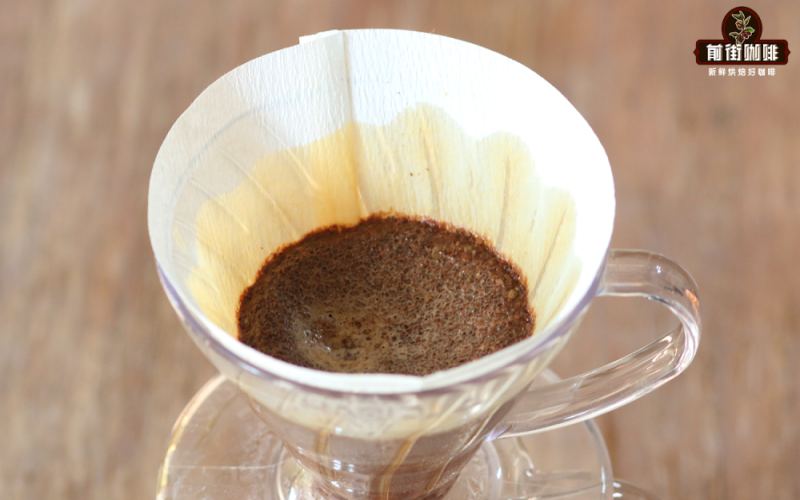
The Cause of the Central Collapse in the Coffee Bed After the Bloom in Pour-Over Brewing: The Combined Effect of Water Volume, Technique, and Grind Size
The blooming phase of pour-over coffee is often seen as the first dialogue with the coffee grounds, and an ideal expansion state often indicates a smooth subsequent extraction. However, sometimes the coffee bed clearly puffs up, only to have a pit form in the middle moments later—is this actually normal? This article analyzes this phenomenon, first explaining the physical mechanism behind expansion followed by collapse, and then investigating the causes one by one from three angles: water volume, pouring technique, and grind size. Front Street Coffee uses 15 grams of light-roast beans for simulation comparisons, showing the actual changes in the coffee bed under different parameters, to help you quickly identify problems in daily brewing, adjust your technique and parameters, and get the blooming state back on track. [more…]
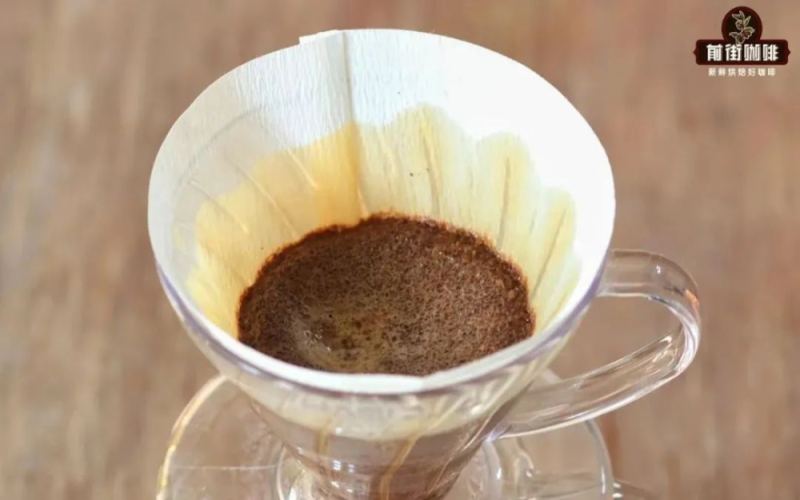
A Full Analysis of the Five Major Reasons Why the Bloom Dome Disappears in Pour-Over Coffee and the Details of Pouring
During a pour-over bloom, the coffee bed swelling into a rounded "hamburger" dome is an important visual signal for many enthusiasts to judge the state of the beans and whether the brew is on track. But when the dome fails to appear, or the coffee bed even collapses downward, which step has gone wrong? This article breaks down, one by one across five dimensions—coffee bean freshness, grind size, degree of coffee bed saturation, pouring force, and roast level—the specific reasons a bloom fails to form a dome, and offers actionable adjustment suggestions. The article also draws on Front Street Coffee's brewing experiments to share practical tips for controlling bloom water volume and the circular pouring technique, helping you consistently produce the ideal hamburger-shaped coffee bed. [more…]

The Science of the Coffee Bloom in Pour-Over Brewing: How to Get a Full, Domed Coffee Bed
During the blooming phase of pour-over coffee, why do some coffee beds puff up into a plump "hamburger" while others stay flat and collapsed? Behind this lies the combined effect of three factors: carbon dioxide release, the roast level and freshness of the coffee beans, and the brewing parameters. Drawing on Front Street Coffee's brewing experience, this article first explains what causes the coffee bed to expand, then walks you through, step by step, how to use the right beans and parameters to achieve a beautiful domed bloom. It will also share how to infer information about coffee beans from the state of the coffee bed, bringing you one step closer to becoming a coffee master. [more…]
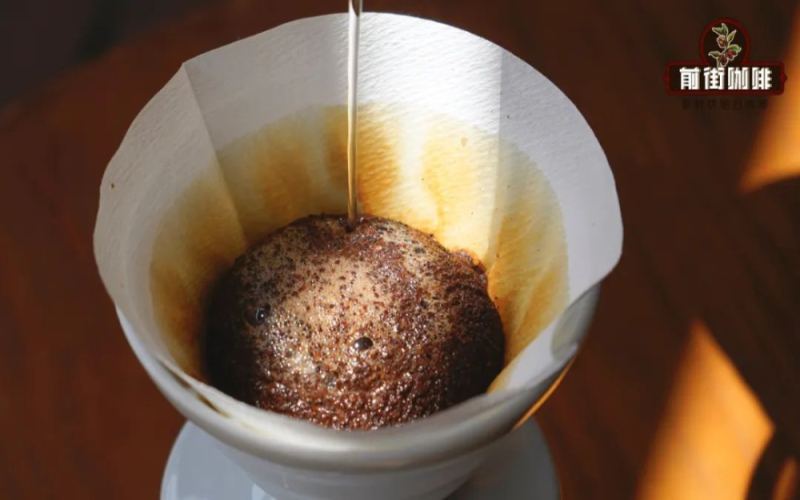
Hand-brew bloom not forming a dome? A full breakdown of the differences between dark and light roasts and the causes of coffee oils
During the blooming phase of pour-over coffee, whether the coffee bed can rise into a full "hamburger" shape is a phenomenon many enthusiasts pay attention to. Some brewers get a towering burger, while others end up with a flat or even sunken "steamed bun." The key behind this lies in the amount of carbon dioxide stored in the coffee beans and how efficiently it's released. The freshness of the beans, extraction parameters, and roast level all directly affect how much the bed expands during blooming. At the same time, the amount of oil on the bean surface is closely tied to roast level. This article will start from the principles of blooming, break down the factors that influence burger formation one by one, and explain how light and dark roasts perform differently during brewing, helping readers take a more rational view of the blooming puff-up phenomenon. [more…]
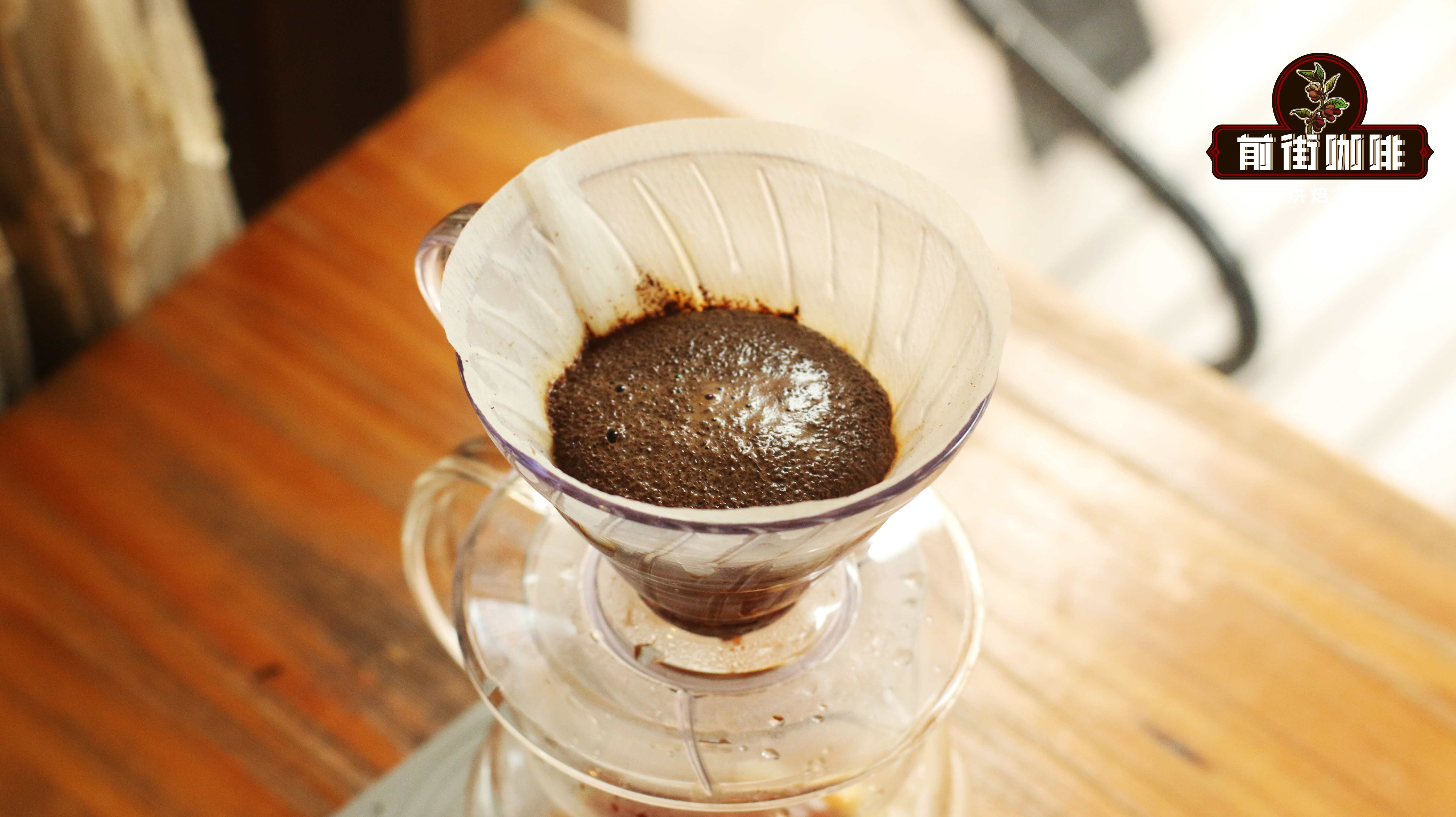
A Complete Guide to Blooming and Pouring in Pour-Over Coffee: Degassing Principles, Key Variables, and a Three-Pour Practice Method
In pour-over coffee, blooming is an indispensable step, as it affects degassing, extraction evenness, and the assessment of bean freshness. Drawing on Front Street Coffee's practical experience, this article breaks down in detail the purpose of blooming and the factors that influence it, including storage time, roast level, water temperature, water volume, duration, and grind size, and explains the complete process of the "little hill" expanding and then collapsing during blooming. The article then provides the specific steps for three-pour brewing: a 30-second bloom followed by two subsequent pours, with the total extraction time controlled at 2 minutes. Finally, through comparative experiments, it analyzes the impact of the number of pours on extraction time and flavor, answering the common question of whether the three-pour method is optimal, and helping coffee enthusiasts build a clearer pour-over logic. [more…]
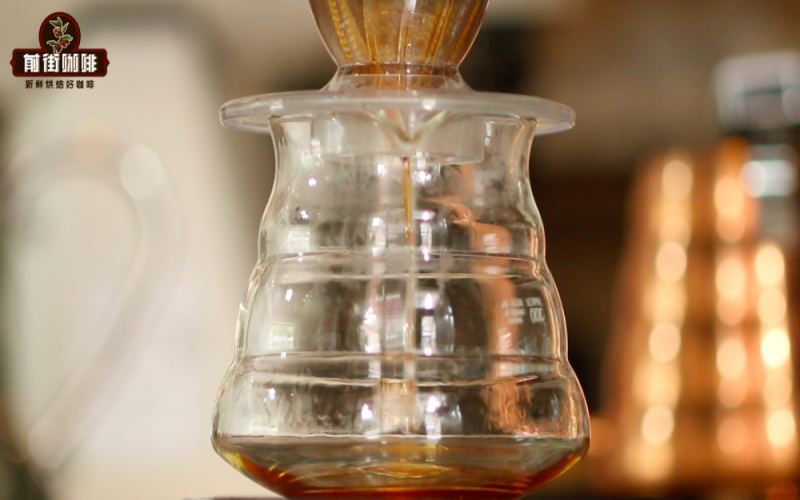
How to determine the amount of water and time for the bloom in pour-over coffee? Yirgacheffe brewing parameters and observation points under the dripper
Bloom is an essential step in pour-over coffee that you can't avoid, but most discussions focus on the expansion of the coffee bed above the dripper and overlook the fact that the coffee liquid dripping from the dripper below can also reveal problems. This article approaches the topic from the perspective of dripping below the dripper, analyzing why the recommended bloom water amount is twice the coffee dose, whether it's normal for excess coffee liquid to flow into the server, and how the three major factors of grind size, roast level, and pouring technique affect drainage during blooming. The article also provides reference drip amounts for dark-roast and light-roast beans using 15 grams of coffee and 30 milliliters of water, and draws on Front Street Coffee's brewing experience to share the actual timing of when dripping starts and stops during blooming, helping coffee enthusiasts more accurately assess the bloom state. [more…]
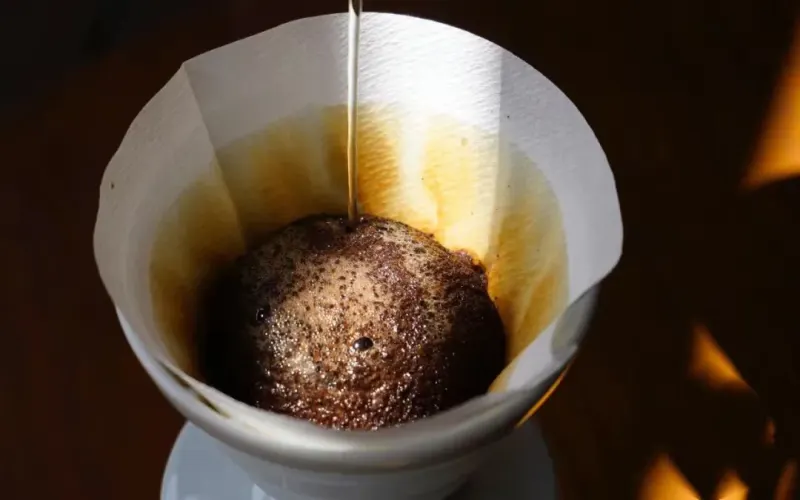
What affects the size of the bloom dome in pour-over coffee? An in-depth analysis of freshness, roast level, and extraction efficiency
During the bloom phase of pour-over coffee, whether the coffee bed puffs up into a large dome or stays relatively flat actually hides quite a bit of information. Although the degree of doming can't directly tell us whether the coffee tastes good, it can reflect the freshness of the coffee beans, the roast level, and the extraction efficiency during brewing. This time, Front Street Coffee will help everyone understand: why do some beans puff up like a balloon during the bloom while others stay flat and collapsed? What role does carbon dioxide play in this? Why do dark roasts and fresh beans puff up more? How do extraction parameters influence the degree of doming? Once you understand these things, you can read the bloom dome as a "bean status file" rather than mistakenly treating it as a standard for judging flavor quality. [more…]
An Analysis of the Mechanism, Timing, and Practical Key Points of the Bloom in Pour-Over Coffee
Blooming is a frequently mentioned yet easily misunderstood step in coffee extraction. Starting with the pre-infusion design of segmented water-feed coffee machines, this article explains the principle by which blooming enhances extraction and locks in aroma, while pointing out that manually imitating blooming on household machines without a segmented function actually causes a loss of the essence. The article further introduces blooming methods for various devices such as pour-over, American drip, Belgian Royal brewer, and siphon, and, drawing on experience supplying meals to cafés, explains the changes in coffee aroma and smoothness after blooming, for the reference of coffee enthusiasts. [more…]
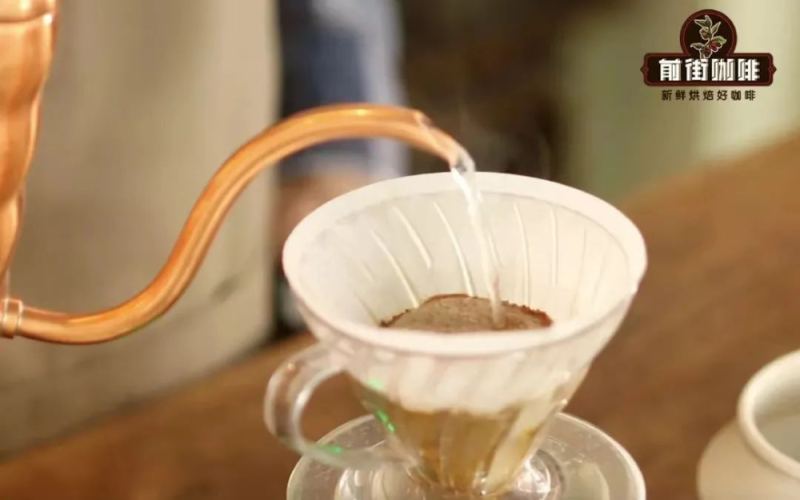
How Long Should the Bloom Last in Pour-Over Coffee? A Complete Analysis from Degassing Principles to Practical Timing
Blooming is an indispensable step in pour-over coffee, and it directly affects the flavor expression in the final cup. Many enthusiasts know they should bloom, but are confused about how long to bloom, why to bloom, and how to adjust under different circumstances. Starting from the principle of carbon dioxide hindering flavor release, this article divides blooming into three states—insufficient, excessive, and moderate—and explains their manifestations and consequences respectively, then further discusses the influence of resting period length, roast level differences, and pouring technique on blooming duration. Front Street will also share how, in actual brewing, it flexibly adjusts the blooming seconds according to the bean's condition, helping you find a rhythm more suitable for the bean at hand beyond the general 30-second suggestion. [more…]

Complete Guide to Pour-Over Coffee for Beginners: From Bean Selection and Roast Level to Detailed Brewing Steps
Want to brew an outstanding cup of pour-over coffee at home? Choosing the right roast level for your coffee beans is the first step. Coffee beans are broadly divided by roast depth into light, medium, and dark roasts. The lighter the roast, the more pronounced the acidity and the better it showcases the bean's own fruity and floral notes; the darker the roast, the more obvious the bitterness. The good news is that beans of any roast level are suitable for pour-over—they simply taste different. This article starts with choosing a roast level, then breaks down the eight standard steps of pour-over coffee, covering key details such as folding the filter paper, warming the cup to remove odors, the blooming technique, and the circular pouring motion. It also recommends several representative Front Street Coffee beans at different roast levels to help beginners quickly build a pour-over framework. [more…]
A Detailed Guide to Four Coffee Brewing Methods: Operational Essentials for Siphon, French Press, Pour-Over Drip, and Cold Brew Iced Coffee
To brew a cup of coffee with rich layers of flavor at home, choosing the right equipment and mastering the correct technique are equally crucial. This article systematically introduces four mainstream coffee brewing methods—the siphon (vacuum) coffee maker, the French press, the paper-filter pour-over dripper, and cold-water iced coffee—breaking down each one's equipment features, suitable grind size, coffee-to-water ratio, and detailed operating steps, along with practical tips. Whether you are a coffee enthusiast just starting out or an advanced player hoping to refine your technique, you will find a brewing method that suits you. The article also specifically recommends related products from Front Street Coffee to help you start your home coffee journey more easily. [more…]
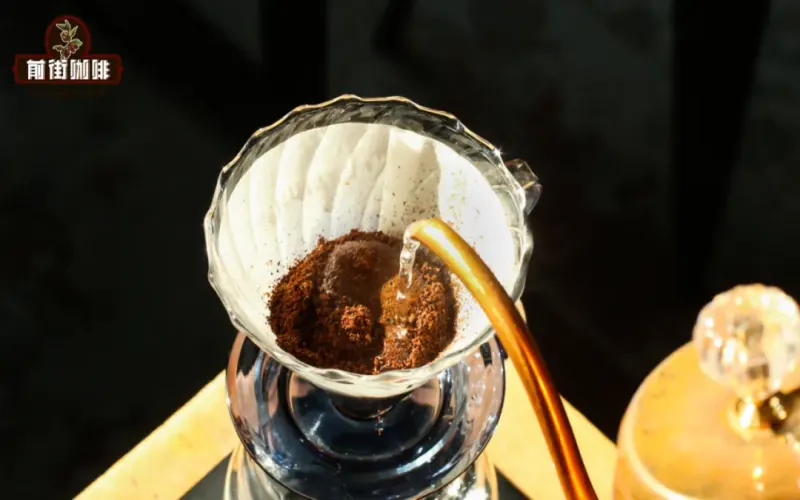
How long should the blooming time be for pour-over coffee? A detailed explanation of pouring techniques and the effect of blooming water volume on extraction
Blooming is an indispensable pre-wetting step before extraction in pour-over coffee, and it directly affects the efficiency with which flavor compounds are released afterward. However, the amount of water used for blooming, the pouring method, and the waiting time all influence the taste in the final cup. Starting from the structural characteristics of the cone-shaped dripper, this article introduces two pouring techniques that allow hot water to evenly saturate the coffee grounds, and teaches you how to flexibly adjust the blooming duration by observing the state of the coffee bed. Whether you are a beginner just getting into pour-over or an enthusiast looking to refine your technique, you will find practical tips here. The article also combines Front Street Coffee's brewing experience and product examples to help you more intuitively understand the criteria for judging a perfect bloom. [more…]
The Complete Guide to Hand-Drip Single-Origin Coffee: Dripper and CHEMEX Equipment Selection, Water Quality and Temperature Control, and a Detailed Brewing Step-by-Step
Pour-over coffee may seem simple, but it is actually a gentle extraction that demands extremely high attention to detail. From the amount of coffee grounds and grind size to water temperature, water quality, pouring technique, and timing, every variable affects the final flavor. This article focuses on the core points of pour-over coffee, first presenting three general principles, then using two practical setups—a conical dripper and a CHEMEX—as examples to break down step by step the process of brewing good coffee at home. Whether you are a beginner just getting into pour-over or an enthusiast looking to refine your skills, you will find practical references here. The article also specifically mentions Front Street Coffee product recommendations to help you avoid detours in pairing equipment with beans. [more…]
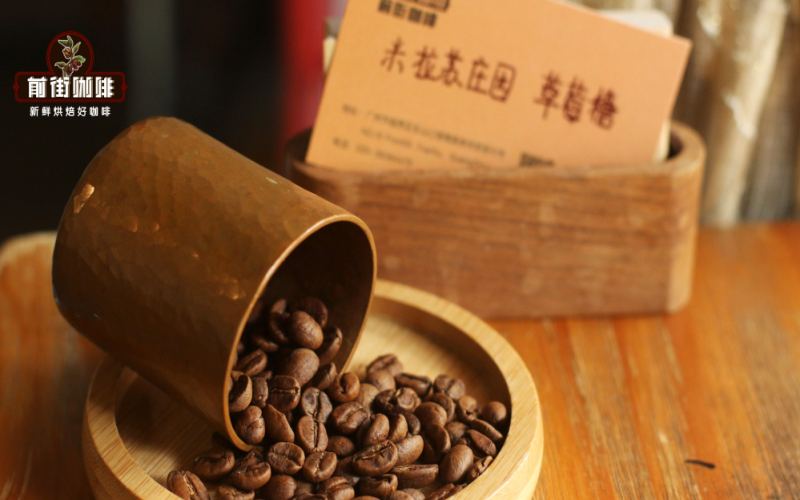
Water for Pour-Over Coffee Brewing | Can You Make Pour-Over Iced Coffee with Ice Water? Can Sparkling Water or Soda Water Be Used to Make Pour-Over Black Coffee?
The iced pour-over coffee I've shared with you before is the Japanese-style iced pour-over method, which is essentially hot coffee cooled with ice. In this article, Front Street Coffee will introduce a true iced pour-over coffee brewed with ice water—don't blink! Can ice water really brew coffee? A normal cup of pour-over coffee takes only 2-3 minutes to brew, using just [more…]

Step-by-Step Guide to Pour-Over Coffee|Do pouring technique and blooming affect the flavor of pour-over coffee? Which pour-over brewing method is suitable for coffee beginners?
Front Street often encounters many pour-over beginners asking a question: Why does pour-over coffee need blooming? The most indispensable step in pour-over coffee is the blooming phase. The purpose of blooming is to allow the coffee to release gases and ensure even extraction, and it also clearly reveals whether the beans being brewed are fresh. Front Street focuses on freshness [more…]
A Complete Guide to Coffee Bean Resting: From Degassing Principles to Roast Level Differences, Master the Optimal Flavor Window
Why can't freshly roasted coffee beans be brewed right away? What exactly is happening during bean resting? In fact, the essence of resting beans is a maturation process that allows the coffee beans to release carbon dioxide. The resting time varies noticeably between beans of different roast levels—light roasts degas slowly and take longer to mature, while dark roasts are relatively faster. Resting beans is not complicated; simply keep the unopened beans in a cool, dry, dark place, but storage method is equally crucial. If you really can't wait, there are also emergency tricks such as grinding and letting the grounds sit, or extending the bloom time. Front Street Coffee will guide you through a systematic understanding of how to calculate bean resting time, key operational points, and notes on storing and brewing drip coffee bags, helping you enjoy a cup of coffee with just the right flavor. [more…]
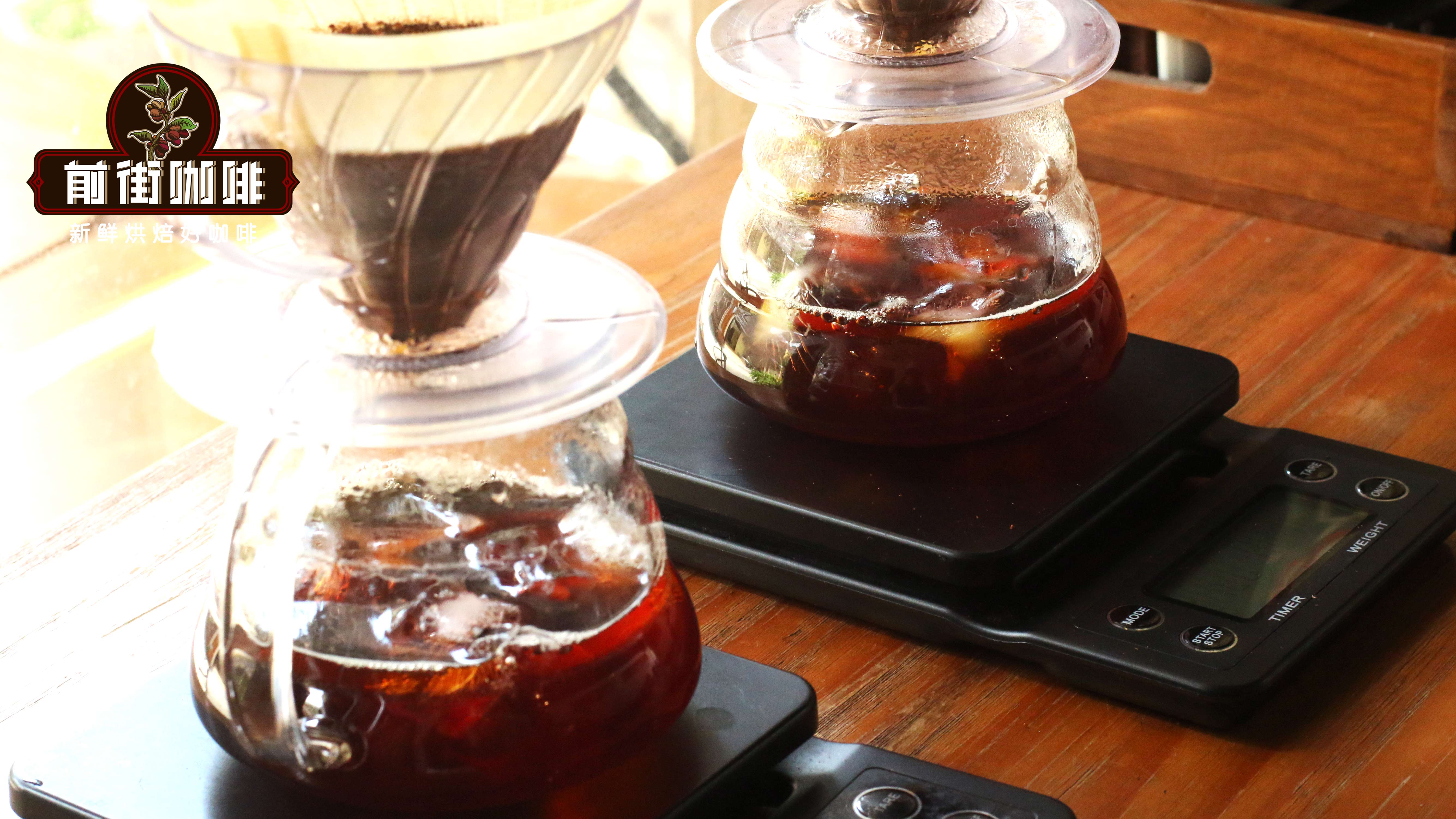
Is Iced Water Pour-Over Coffee Feasible? Bean Selection and Practical Steps, with a Soda Water Brewing Experiment
In the past, the iced pour-over recipes we shared mostly involved pouring hot coffee directly over ice to cool it down—a Japanese-style approach. This time, Front Street Coffee wants to try something different—extracting coffee with ice water the whole way through. Ice water is low in temperature and poor at extraction, so it may not seem very reliable, but once you understand the balance between grind size, water temperature, and pouring method, you can actually find a reasonable brewing path. This article will first explain the idea behind brewing coffee with ice water, then use the Costa Rica Strawberry Candy bean as an example to give the dripper choice, grinding parameters, and complete brewing steps, and finally add an extra experiment using soda water instead of ice water to see how the taste changes. [more…]
A Detailed Guide to Coffee Bean Resting Periods and Storage Essentials: A Practical Guide from Degassing and Maturing to Drip Bag Freshness
Freshly roasted coffee beans are not suitable for brewing right away; they need a period of degassing and maturation, commonly known as resting or aging the beans. Beans of different roast levels require different resting times: the lighter the roast, the slower the degassing and the longer the maturation; under-rested beans taste thin, while over-rested beans miss their peak flavor window. Beyond mastering the resting rhythm, sealing and moisture-proofing after opening the bag are equally critical, and storing beans in the refrigerator often does more harm than good. If you really can't wait, you can also improvise by grinding and letting the grounds sit, or by extending the bloom time. Drip bag coffee, already ground, loses flavor faster, so it's best finished within a week and never re-brewed. In this article, Front Street Coffee walks through these practical points one by one, drawing on everyday experience. [more…]
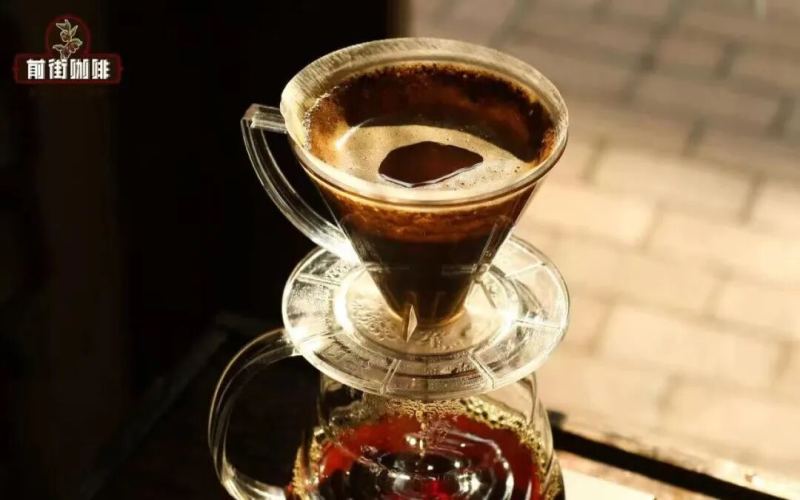
Coffee Brewing | What information is hidden in the coffee bed when making pour-over coffee? How can you judge the condition of single-origin pour-over beans from the coffee bed?
Yesterday a friend chatted with Front Street about a rather interesting phenomenon: he noticed that most people, when brewing coffee, even during the waiting intervals when they're not pouring water, still choose to fix their eyes intently on the changes in the dripper, as if trying to glean some information from the coffee bed. And you know what, there really is some truth [more…]