







How Long Should Coffee Beans Rest After Roasting?
Freshly roasted coffee beans are not ready to brew right away. They release carbon dioxide for a period after roasting, a process called degassing, resting, or maturing. Single-origin beans usually rest two to three days before pour-over, since brewing too soon blocks extraction channels and leaves a thin, sharp cup, while over-resting skips the peak flavor window.
Roast level sets the pace: lighter roasts degas more slowly and need longer rest than darker roasts. After opening a bag, seal it against moisture, and note that the refrigerator often does more harm than good. If time is short, grind the beans and let the grounds sit, or extend the blooming time. Drip bag coffee is already ground and is usually finished within a week.
Freshly roasted coffee beans are not suitable for immediate brewing; they need to go through a process of degassing and resting, commonly known as resting or awakening the beans. Different roast levels require different resting times—the lighter the roast, the slower the degassing and the longer the resting period. Insufficient resting results in a thin flavor, while over-resting means missing the optimal flavor window. Besides mastering the resting rhythm, sealing and moisture-proofing after opening the bag is equally crucial, and storing in the refrigerator often does more harm than good. If you really can't wait, you can also resort to grinding and letting the grounds sit, or extending the blooming time. Drip bag coffee, because it is already ground, loses flavor even faster—it's best to finish it within a week and avoid re-brewing. In this article, Front Street Coffee combines everyday experience to explain these practical points one by one.
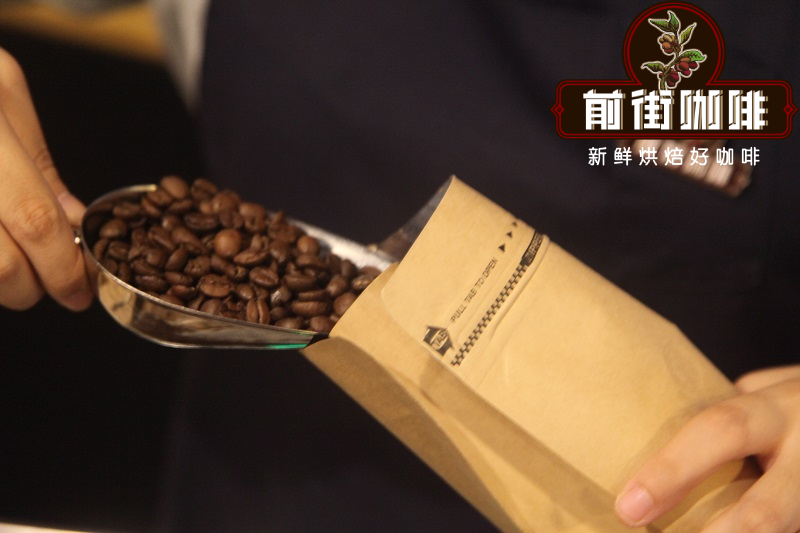
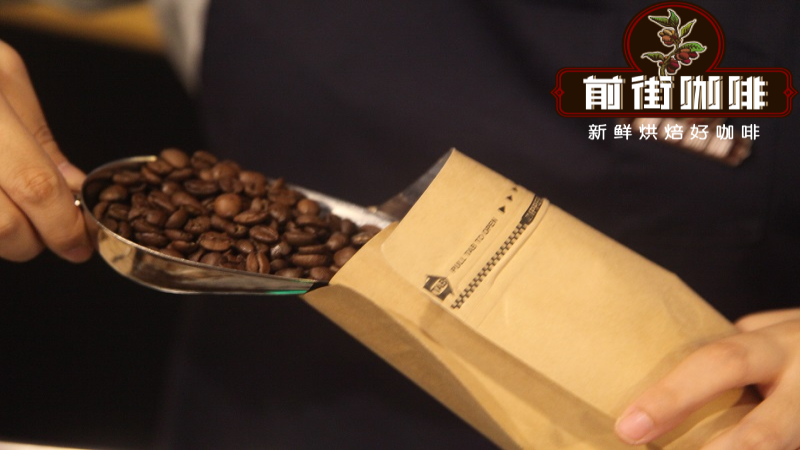
Among the many customers who buy beans at Front Street, everyone's expectations for coffee beans tend to focus on two things: first, the flavor must suit their taste; second, it must be fresh enough—ideally straight off the roaster. Coffee is exactly the opposite of ordinary agricultural products in this regard—vegetables and fruits are best eaten fresh-picked, but coffee beans are precisely the exception. Let Front Street explain the reasons slowly.
Generally speaking, freshly roasted single-origin coffee beans are not suitable for pour-over right away. Front Street Coffee (FrontStreet Coffee) usually recommends letting the beans rest and degas for two to three days first; drinking them at that point gives the most ideal flavor performance. So-called bean resting is actually not mysterious—from a biological perspective, it is simply a process of gas release, also called awakening, resting, or maturation.
Freshly roasted coffee beans accumulate a large amount of carbon dioxide inside, which slowly escapes into the air, and this really only begins about three hours after roasting is completed. If you rush to brew without waiting for the degassing, the carbon dioxide in the beans will release violently upon contact with hot water, blocking the extraction channels so that flavor compounds cannot come out. The resulting coffee will not only taste sharp but also tend to carry over-extracted bitterness and jarring acidity—even if your brewing time is perfectly controlled.
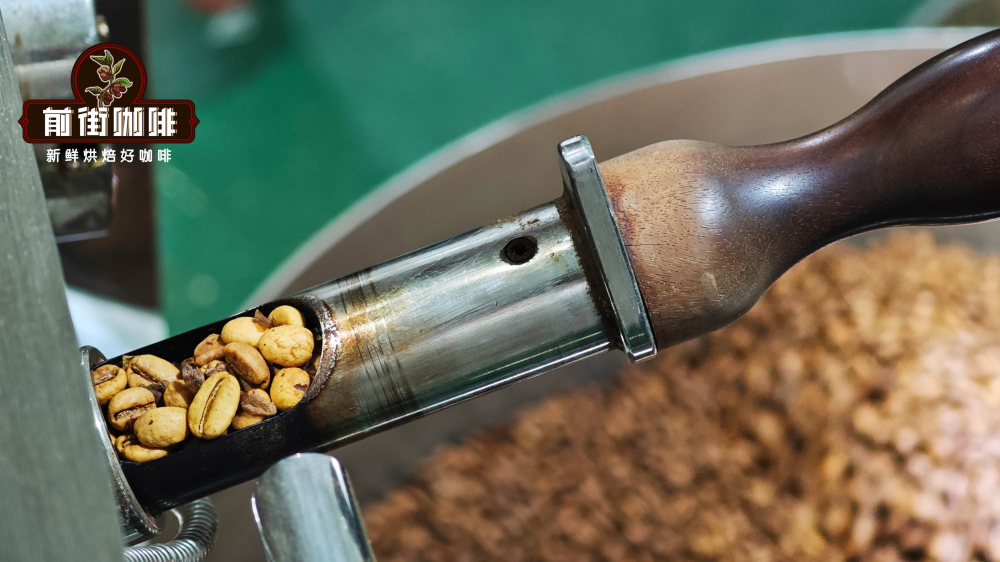
Of course, there is no uniform standard for resting time. Too short, and the flavors haven't fully opened up, making the coffee taste thin; too long, and the beans have passed their optimal flavor window, with flavor declining as well. Therefore, beans of different roast levels have different resting periods. The more vigorous the degassing, the faster the maturation; conversely, the lighter the roast, the weaker the degassing, and the longer the maturation time needed. So Front Street suggests that when buying beans, besides checking the shelf life, pay even closer attention to the roast date, and directly ask the barista how long the beans need to rest—only then can you enjoy the beans at their best.
The resting process itself is not complicated: just place the unopened coffee beans in a cool, dry, dark place free of strong odors, and once the resting period is over, seal the one-way valve with clear tape. Resting is important, but the storage method for coffee beans is equally not to be overlooked. Once the package is opened and not resealed properly, the beans easily absorb moisture and the aroma quickly dissipates. Front Street recommends transferring them to an airtight container and placing it in a cool, ventilated spot; if you don't have an airtight container at home, just leave them in the original bag with a one-way degassing valve and a good seal, in a cool, dry place.
Some friends are in the habit of putting opened coffee beans in the refrigerator, which Front Street does not endorse. Coffee beans are highly absorbent, so putting them in the fridge makes them prone to picking up odors from inside, while the refrigerator's moisture can also seep into the packaging, adversely affecting preservation.
If you really can't wait for the beans to rest and just want to taste them immediately, Front Street has two emergency tips. First, let the ground coffee sit for two to three minutes. After grinding, the contact area between grounds and air increases greatly, allowing carbon dioxide to escape from more locations and volatilize faster; but at the same time, some small-molecule gases that affect flavor will also escape—which is also why coffee should be brewed as soon as possible after grinding.
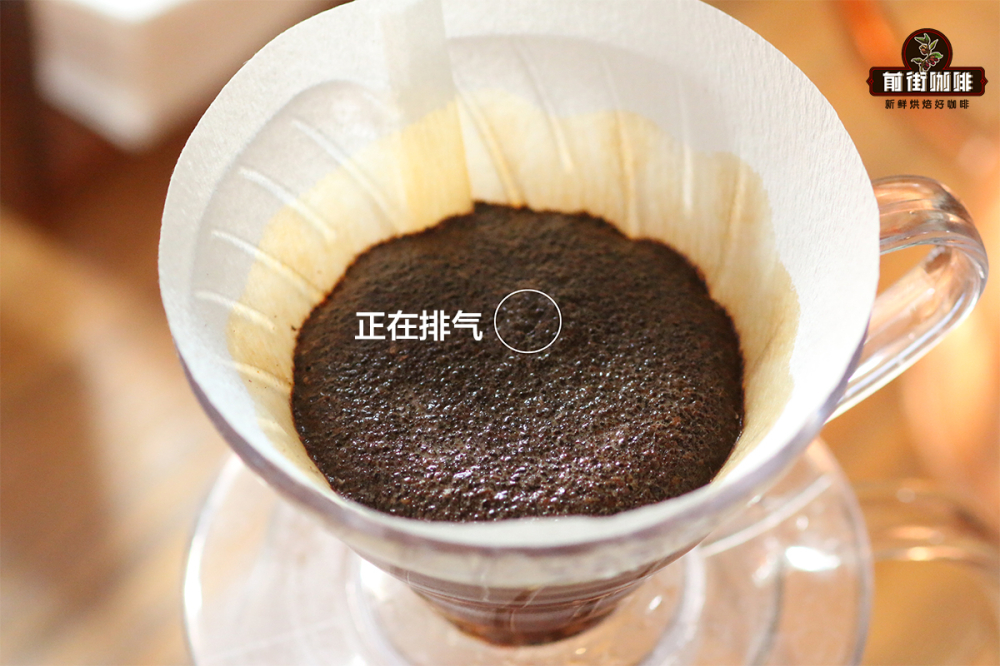
Another method is to appropriately extend the blooming time. During brewing, first pour about twice the weight of the grounds in water, then wait 30 seconds—this step is the bloom, aimed at releasing carbon dioxide so that subsequent pours can better contact and extract from the coffee grounds. Extending the bloom time slightly allows more gas to escape, reducing interference with extraction. Conversely, beans that have been sitting for a long time may need a shorter bloom, which also explains why some cafés only bloom for 5 seconds when making pour-over.
As for drip bag coffee, since it is already ground at the factory, Front Street recommends finishing it within a week. Within a week, the aroma of ground coffee dissipates extremely quickly, so the optimal flavor window for drip bag coffee becomes quite short. During brewing, if you notice that the coffee bed doesn't dome up like a hamburger during the bloom but instead collapses, that indicates the beans may no longer be fresh enough. Drip bag coffee wins on convenience, requiring no other cumbersome steps, so many customers come to Front Street to buy drip bag coffee packets.

Convenient as it is, drip bag coffee also has a few small issues to watch out for. Can drip bag coffee be re-brewed? A single drip bag usually contains 10 grams of grounds, and 10 grams is generally only enough for one brew. When re-brewing, you might feel the taste is still quite strong and it seems you could drink more, but that's not actually the case. Prolonged steeping causes more and more caffeine to be released—this is in fact over-extraction, bringing bitterness and astringency along with it, and the bean's original flavor is basically gone. So Front Street generally does not advocate re-brewing the same drip bag.
Additionally, Front Street reminds everyone that when buying drip bag coffee, try not to choose products made more than five days ago. Once coffee beans are ground, their distinctive aroma quickly dissipates and the flavor suffers greatly. Just as with customers who come to Front Street Coffee (FrontStreet Coffee) to buy beans, we usually suggest grinding fresh for each drink; but many customers don't have a grinder at home and have it ground directly in the store—Front Street still recommends drinking it within as short a time as possible.
For more specialty coffee beans, please add the private WeChat of Front Street Coffee (FrontStreet Coffee), WeChat ID: kaixinguoguo0925
The above content is compiled by CoffeeHunters, a coffee news website.


