








To brew an outstanding cup of pour-over coffee at home, choosing the right roast level for your coffee beans is the first step. Coffee beans are broadly categorized by roast depth into light, medium, and dark roasts. The lighter the roast, the more pronounced the acidity and the more the bean's inherent fruity and floral notes shine through; the darker the roast, the more prominent the bitterness. The good news is that beans of all roast levels are suitable for pour-over—they simply yield different flavor profiles. This article will start with roast level selection and then break down the eight standard steps of pour-over coffee, covering key details such as filter paper folding, warming the cup to remove odors, blooming techniques, and circular pouring methods. It also recommends several representative beans from Front Street Coffee at different roast levels to help beginners quickly build a pour-over framework.
Front Street Coffee Pour-Over Coffee Making Steps Beginner Tutorial

Coffee beans can be roughly divided by roast level into three categories: light roast, medium roast, and dark roast. A coffee cherry is essentially a fruit, and high-quality beans often carry rich notes of fruit, flowers, cocoa, or nuts. Generally speaking, the lighter the roast, the more pronounced the acidity and the more you can taste the bean's own flavor characteristics; conversely, the darker the roast, the more bitterness dominates.
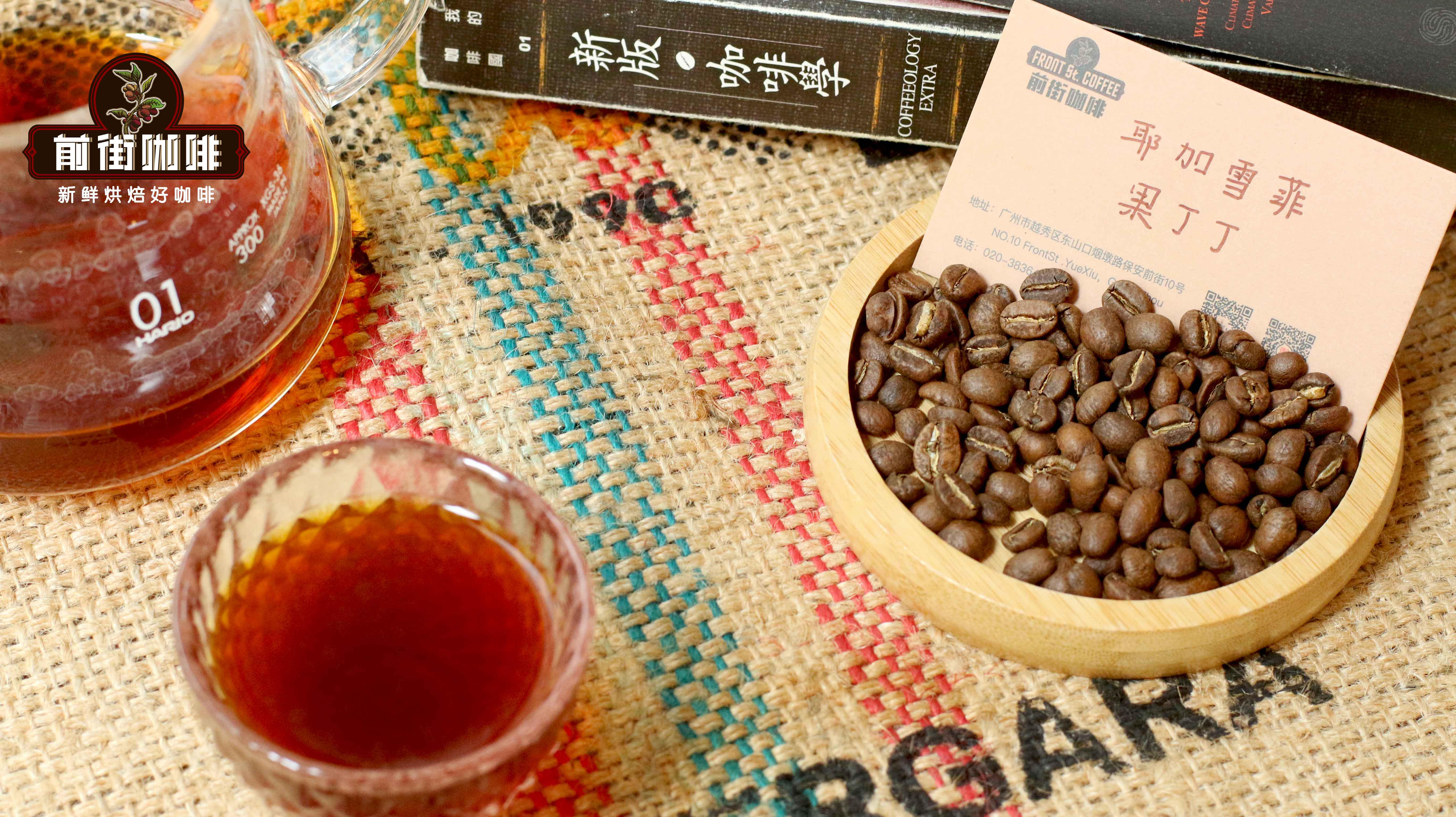
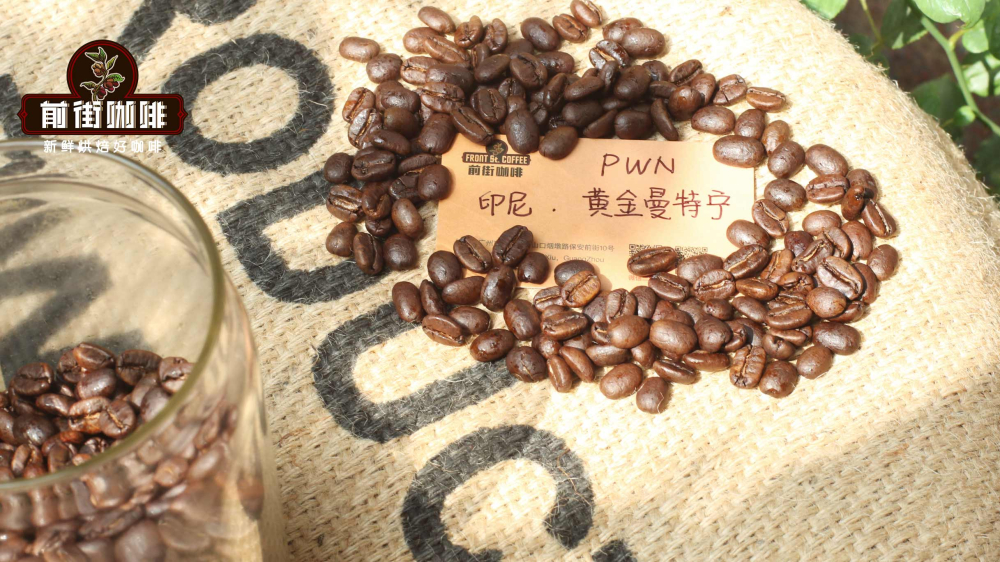
For pour-over, coffee beans of all roast levels are actually suitable for extraction. For example, the bright floral light roast - Front Street Coffee Gutingding Cooperative, the tropical fruit-forward medium-light roast - Front Street Coffee Strawberry Candy, the nutty and creamy medium roast - Front Street Coffee Paradise Bird, and the caramel and woody very dark roast - Front Street Coffee PWN Golden Mandheling are all perfect options for pour-over coffee.
The world of coffee is incredibly rich. From aroma, bean variety, and producing region to the brewing process, every aspect is worth delving into. Many coffee enthusiasts are especially fascinated by "pour-over coffee," a beverage full of ritual, because everyone brews a slightly different taste—making each cup carry a unique personality and style. All you need is filter paper, a dripper, and a pour-over kettle to easily make a great cup of coffee.
[Perfect Brewing Guide: Pour-Over Coffee ]
Step 1: Fold the filter paper and place it into the dripper.
Step 2: Rinse the filter paper with hot water, just enough to wet it completely, to remove the papery taste. (Although the water used to rinse the filter paper is only a small amount, don't forget to pour it out before proceeding.)
Step 3: Add the coffee grounds, distribute them evenly, and use your pinky to make a small hole in the center.
Step 4: Using hot water at 86–93°C, first pour 30g of hot water into the small hole, then slowly expand in a clockwise or counterclockwise direction to the surrounding coffee grounds until there is a slight dripping sensation, then stop the water and let it bloom for 30 seconds. (Blooming allows the coffee grounds to absorb hot water and release carbon dioxide, which helps with the extraction of aromatic compounds later.)
Step 5: During blooming, the coffee grounds will expand and puff up (the fresher the coffee grounds, the more they puff up). Once the puffing is about to collapse, you can pour in the hot water.
Step 6: When pouring, use the center as the pivot and slowly expand in circles so that the hot water can spread horizontally through the coffee grounds, extracting rich coffee flavors. (When pouring in circles, don't pour directly onto the outermost ring—doing so will cause the hot water to fall straight down along the edge of the filter paper, not only failing to extract but also diluting the coffee.)
Step 7: Before finishing the pour, you can slightly raise the kettle and swirl it in the center of the coffee grounds to increase brewing pressure, using the hot water under pressure to stir up the coffee grounds for a final extraction before finishing.
Step 8: Stop the water and let the water in the filter paper slowly drip through. Once it has dripped to your preferred coffee-to-water ratio, you can pick it up and enjoy.
The above content is compiled by CoffeeHunters, a coffee news website.


