







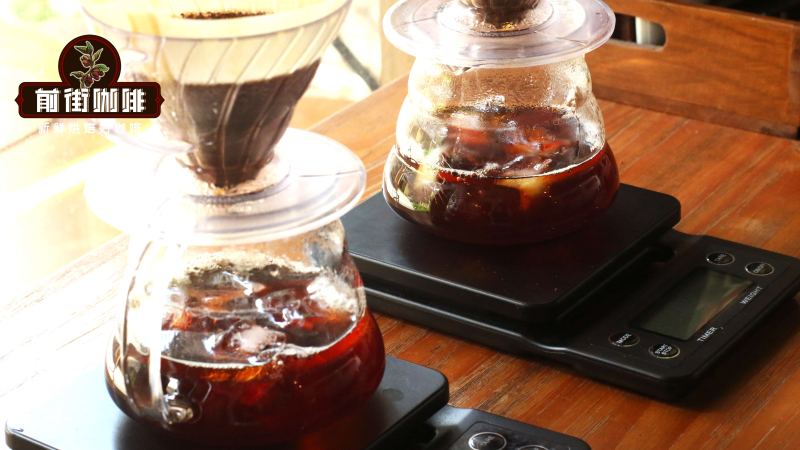
Can ice water work for pour-over coffee brewing?
A normal pour-over finishes in two to three minutes, and only hot water forces flavor compounds out in that window; ice water is far weaker at extraction. Even so, a workable path exists once grind size, water temperature, and pouring method are balanced against each other. The article tests this with the Costa Rica Strawberry Candy bean and gives filter choice, grind, and full steps.
The comparison is useful: ice drip and cold brew take hours precisely because low temperatures extract slowly. A soda water experiment replaces ice water to show how the cup changes. Understanding how grind and temperature constrain each other matters more than following one fixed recipe, since coffee brewing has more than one viable route to a good result.
In the past, when we shared iced pour-over, it usually meant pouring hot coffee directly over ice to cool it down—a Japanese-style approach. This time, Front Street Coffee wants to try something different: extracting coffee with ice water throughout the entire process. Ice water is low in temperature and poor in extraction efficiency, so it seems unreliable, but once you understand the balance between grind size, water temperature, and pouring method, you can actually find a reasonable brewing path. This article will first explain the idea behind brewing coffee with ice water, then use the Costa Rica Strawberry Candy bean as an example to give the filter cup choice, grinding parameters, and complete brewing steps. Finally, we also did an extra experiment using soda water instead of ice water to see what the taste would become.
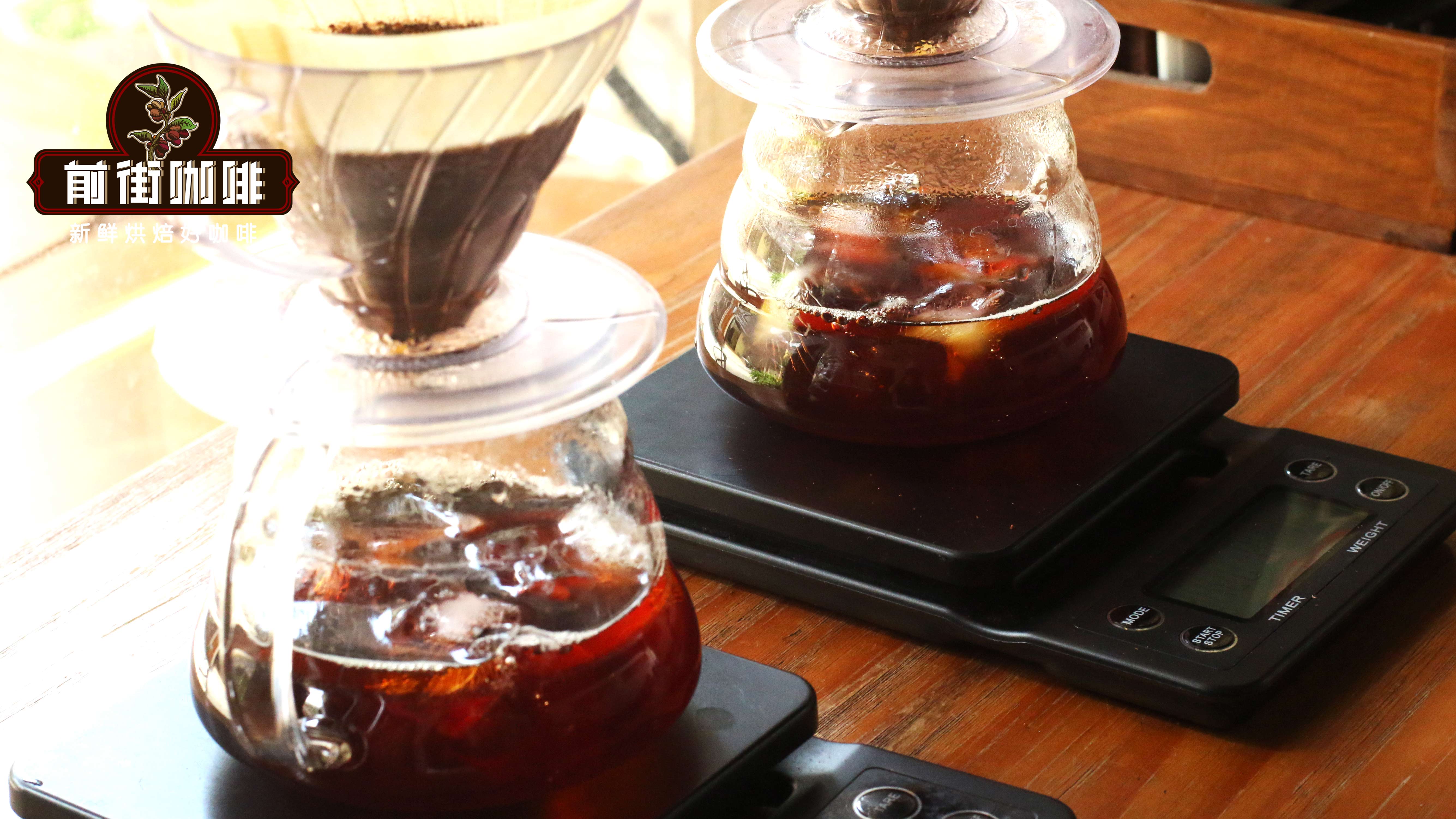
The iced pour-over we introduced before followed a Japanese route—basically hot coffee plus ice to cool it down. Today, Front Street Coffee wants to talk about iced pour-over coffee that is genuinely brewed with ice water. Keep reading, don’t go away!
Can ice water really brew coffee?
A normal pour-over takes only two to three minutes from start to finish. Only with high-temperature hot water can flavor compounds be forced out in such a short window. Switching to ice water sounds almost impossible—just look at ice drip and cold brew, those methods take hours.
But this time, let’s break down the principles of how coffee releases substances. The pour-over extraction logic we usually understand is actually the product of a large amount of brewing practice and theoretical summary. For example, someone tells you that with a certain water temperature, a certain grind size, and a certain pouring technique, you can brew delicious coffee—and the result is indeed so.
But if you carefully examine the relationships involved—how grind size and water temperature constrain each other, and how different pouring methods affect taste—once you understand these clearly, you have a chance to figure out other viable brewing methods. There has never been only one path to deliciousness.
Back to brewing coffee with ice water. Ice water’s extraction ability is of course much weaker than hot water, but anyone familiar with the relationships among pour-over extraction variables understands: water temperature is not better the higher it is, and grinding is not better the finer it is. Everything has a reasonable landing point.
Let’s now look at FrontStreet Coffee’s ice water coffee brewing plan and analysis.
First, the goal must be clear: make a cold, delicious pour-over with ice water. For bean selection, Front Street Coffee chose Costa Rica Strawberry Candy. This bean has performed quite brilliantly in previous iced pour-overs and cold brews, with light rose floral notes paired with strawberry gummy-like sweetness and acidity, making it comfortable and pleasant to drink.
Next is the filter cup. Considering that ice water has low extraction efficiency and coffee grounds tend to accumulate, Front Street Coffee chose the Kalita wave flat-bottom 3-hole cake filter cup. The advantage of a flat bottom over a cone is that it is less likely to clog the outlet holes, and this filter cup itself drains slowly, which exactly meets the need.
Then comes the grind size. There are two main trade-offs: whether it will cause accumulation and clogging, and whether it will easily lead to under-extraction. After repeated testing and adjustment, Front Street Coffee finally determined a grind size of 90% passing through a No. 20 sieve, EK43s setting 7.
Ready to brew. We also need two pour-over kettles (one filled with hot water, one filled with a mixture of ice and water), as well as a spoon for stirring (to prevent clogging).
①Set up the filter paper, add 20g coffee grounds, and pour 35ml using a kettle filled with 96℃ hot water to wet all the coffee grounds, then let it bloom for 1 minute 30 seconds.
After multiple verifications, 35ml of water is just enough to wet all the coffee grounds, while also being the minimum amount of water that drips into the server; extending the bloom time is also intended to improve subsequent extraction efficiency.
②Switch to the kettle filled with ice water and pour 100ml of ice water in a circular motion with a strong stream, using the impact of the water column to make the coffee bed tumble.
③When the water level drops to the halfway point, pour another 100ml of water, then stir the coffee bed with a small spoon to prevent fines from clogging the drain hole. Wait for all the coffee liquid to flow into the server. Extraction ends, with a total time of 4 minutes 20 seconds.
The just-brewed coffee is very cold. On the palate, the blueberry fruit flavor is strong, the body is full, and there is no watery feel. Drinking it in summer is especially refreshing and comfortable.
Can soda water be used to brew coffee?
The ever-experimental Front Street Coffee team didn’t want to waste this testing opportunity and decided to use soda water as the ice water source to brew again and see what the taste would be like.
The barista’s double happiness
The brewing method and parameters were basically the same as above, except that the ice water was replaced with iced soda water. Ordinary hot water was still used for the bloom. There was nothing unusual through the end of the bloom, until soda water was used to brew the coffee, when a large number of bubbles gushed out.
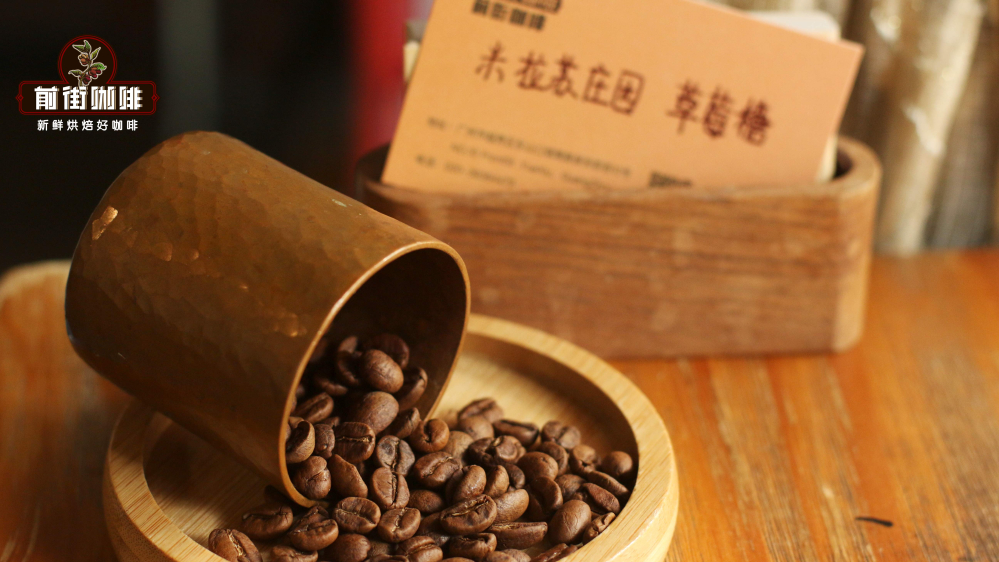
The coffee bed was lifted higher than usual, and the inside of the coffee grounds was also made very fluffy by the bubbles from the soda water. In the end, when the coffee liquid flowed into the server, the coffee bed, having lost its support, collapsed.
Coffee brewed with soda water carries a bitter taste from the soda water, and the bubbles had already dissipated completely during brewing, so there is no fizzy sensation when drinking it.
The above content is compiled by CoffeeHunters, a coffee news website.


