







How Long Should the Bloom Last in Pour-Over Coffee?
The bloom lasts about 30 seconds for most beans, but that figure is only a starting point. Freshly ground coffee holds carbon dioxide that blocks flavor compounds from dissolving, so the bloom gives gas a chance to escape. The right duration depends on how the coffee has rested, its roast level, and how the water is poured.
Blooming falls into three states: too short, too long, and just right. Too short leaves residual gas that forms large bubbles during later pours, producing a thin body and astringency. Too long lets carbon dioxide escape past the useful point and wastes time. Checking how the bed expands and settles, then adjusting the seconds to the bean in front of you, works better than following the 30-second rule blindly.
Blooming is an indispensable step in pour-over coffee, directly affecting the flavor in the final cup. Many enthusiasts know they should bloom but are confused about how long to bloom, why it's necessary, and how to adjust under different conditions. Starting from the principle that carbon dioxide hinders flavor release, this article categorizes blooming into three states—insufficient, excessive, and optimal—explaining their manifestations and consequences respectively, and further discusses how the resting period, roast level differences, and pouring techniques affect blooming duration. Front Street Coffee will also share how, in actual brewing, it flexibly adjusts blooming seconds based on the bean's condition, helping you find a rhythm beyond the universal 30-second suggestion that suits the current bean better.
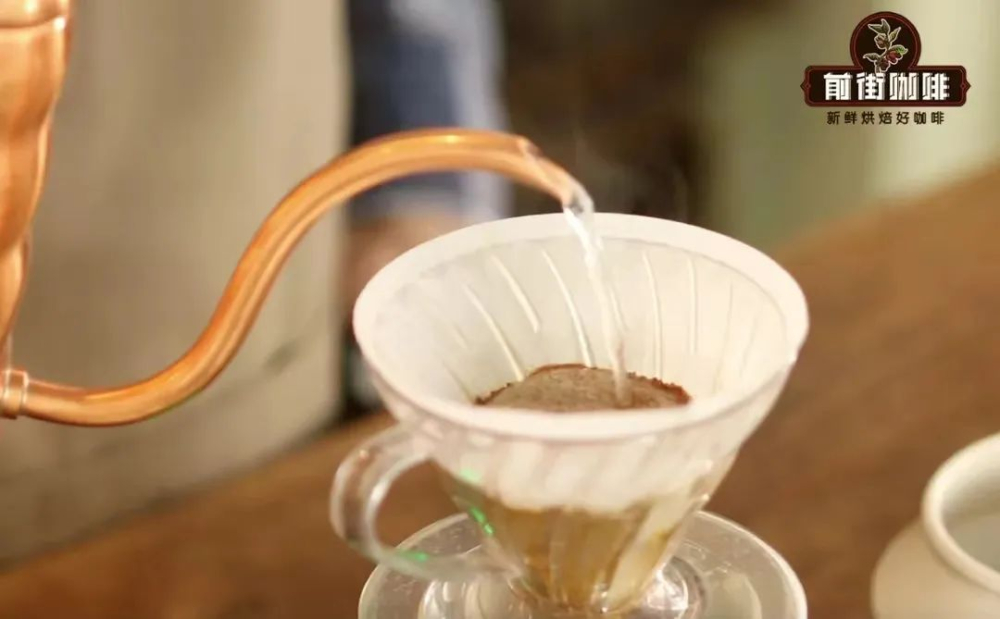
In the entire process of pour-over coffee, blooming holds a pivotal position. Whether a cup of coffee ultimately tastes good can often be glimpsed from the blooming stage. Therefore, mastering blooming techniques is a required lesson for every pour-over enthusiast.
In learning about blooming, the core is to clarify three things: what impact it has on the final flavor, how much water to pour, and how long to wait. Regarding water amount and pouring techniques, Front Street Coffee has previously published dedicated articles, so this piece will focus on the question of blooming duration.
First, let's answer a basic question: why must pour-over coffee be bloomed? The reason is that freshly ground coffee contains not only rich flavor compounds but also a large amount of trapped carbon dioxide. These gases create a barrier, making it difficult for flavor substances to be released smoothly.
The number 30 seconds is a relatively safe duration set based on the expansion of the coffee bed and degassing conditions when most coffee beans are bloomed with conventional circular pouring. Specifically, blooming can be divided into three scenarios: insufficient time, excessive time, and just right.
Insufficient blooming means not giving the coffee grounds enough of a window to degas. Residual gas will continue to escape during subsequent pouring, forming large bubbles that interfere with the extraction process, ultimately resulting in a thin-bodied coffee with astringency.
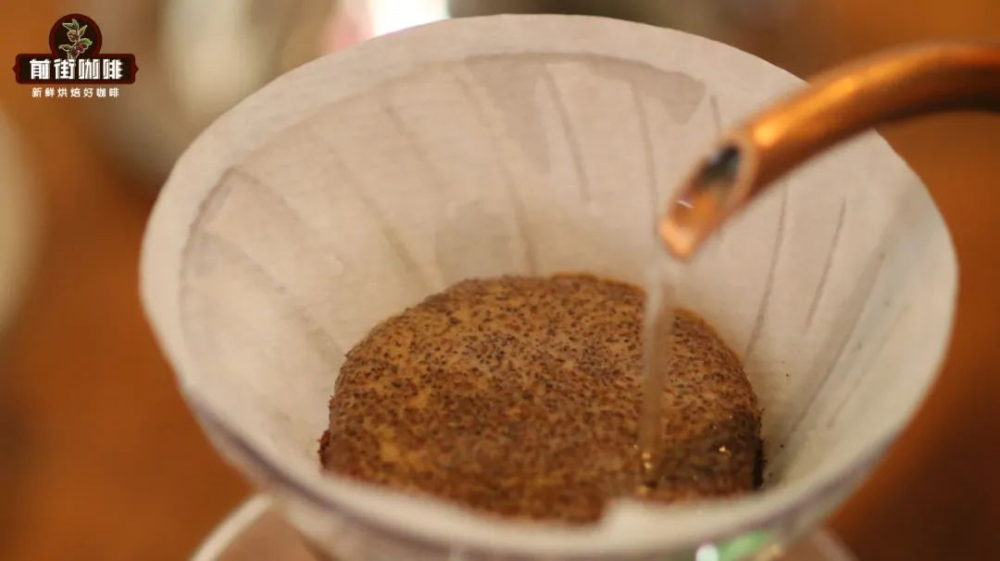
Excessive blooming refers to waiting longer than necessary. By then, the carbon dioxide has long been released, and excess water has flowed down the filter cup's guide channels into the server. The entire coffee bed looks dry and collapsed, with gaps even appearing between particles. This situation tends to give the coffee bitterness and off-flavors.
Another sign of over-blooming is that during subsequent pouring, the water first punches a hole through the bed, and only then does foam slowly rise up.
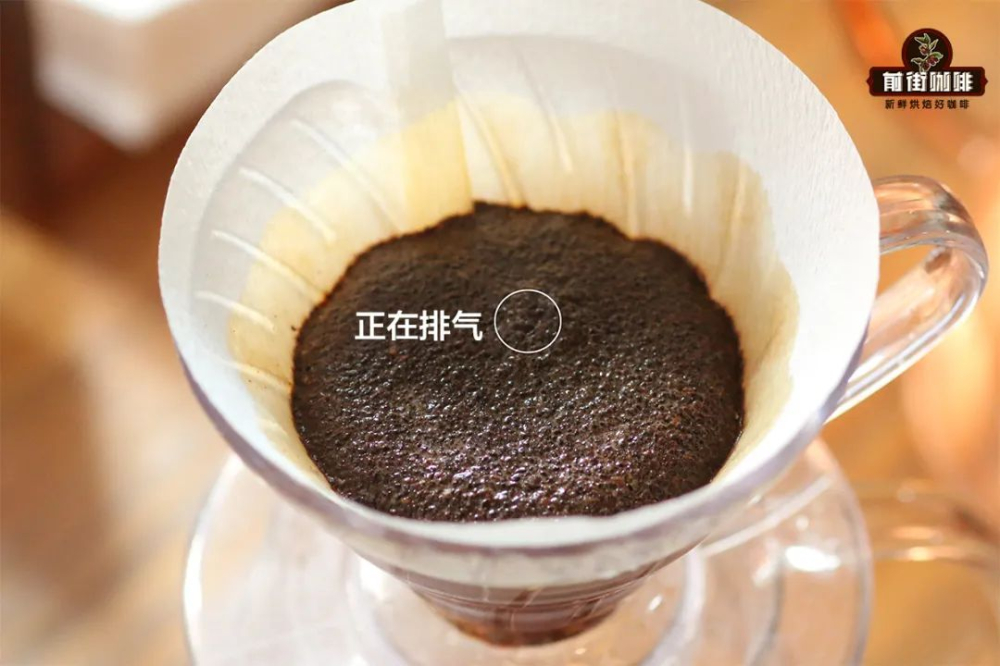
The optimal blooming state is: the surface of the coffee bed is evenly saturated with water and fully expanded, the gas has just finished escaping, and the bed stabilizes, no longer emitting gas. So-called "optimal" is actually a process lasting several seconds, not a precise instant. Precisely because of this, the 30-second duration works for most coffee beans—even if beginners don't yet understand the principles behind blooming, following the recommended time still yields a good-tasting cup.
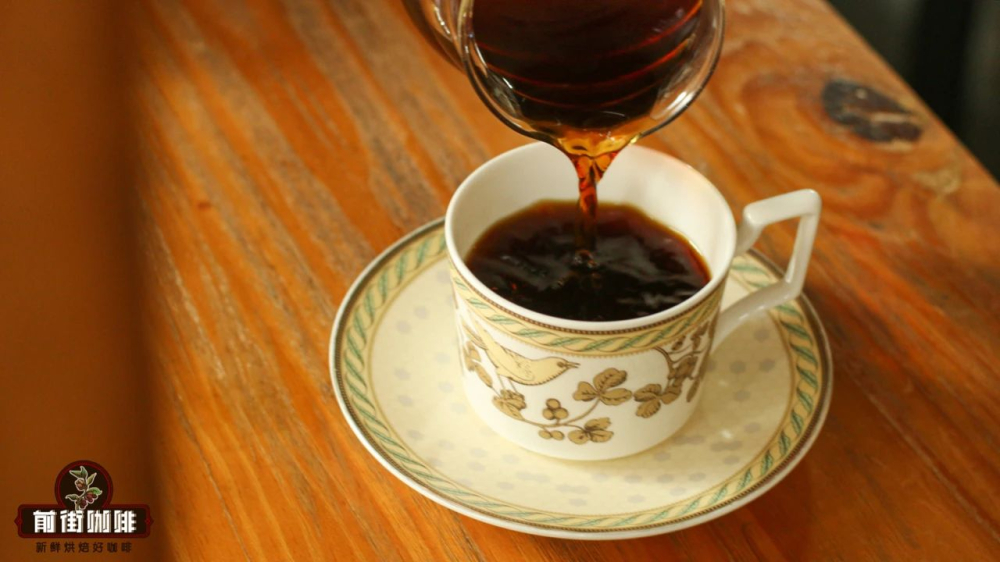
However, the universal 30 seconds clearly doesn't satisfy all pour-over enthusiasts, so many turn to deeply investigating the mechanism of blooming, trying to find the optimal time themselves.
As mentioned earlier, the essential purpose of blooming is to help coffee grounds release their internal carbon dioxide. Therefore, the amount of gas, the speed of release (i.e., the blooming state), and the pouring method all influence the optimal blooming duration.
After a 4-to-7-day resting period, the gas inside the coffee beans gradually stabilizes. Within the 4-to-30-day range, Front Street Coffee adjusts the blooming time to around 28–30 seconds based on the bean's actual condition.
After 30 days, however, the gas inside the beans has almost entirely dissipated, and during blooming the coffee bed no longer domes or only rises slightly. At this point, the blooming time needs to be shortened accordingly to around 20–25 seconds.
Additionally, beans of different roast levels degas at different rates. Although dark-roasted beans contain more gas, their loose fibrous structure gives them good water absorption capacity, so both water uptake and degassing are smoother. When blooming dark-roasted coffee, the bed rises into a tall "hamburger," with an even, unhurried degassing rhythm. Light-roasted beans, being harder in texture, are less easily penetrated by water into the particle interiors, resulting in relatively lower degassing efficiency, so more ample time is needed for the gas to escape.
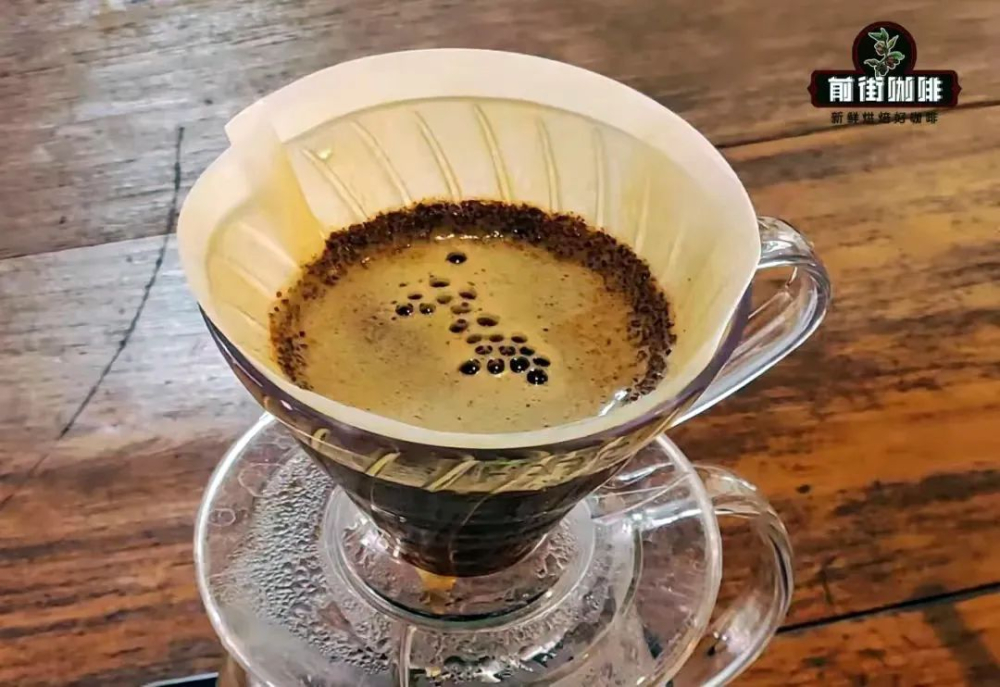
Different pouring methods also change the time required for degassing. What we commonly call a 30-second bloom corresponds to the most common circular pouring method—this approach allows the coffee grounds to be evenly wetted, resulting in higher degassing efficiency. For brewing methods like the Japanese drip method, the dripping process itself is the coffee's degassing process, i.e., blooming, and this form of blooming continues for 2 to 3 minutes.
The above content is compiled by CoffeeHunters, a coffee news website.


