







Search Results for: attention to detail
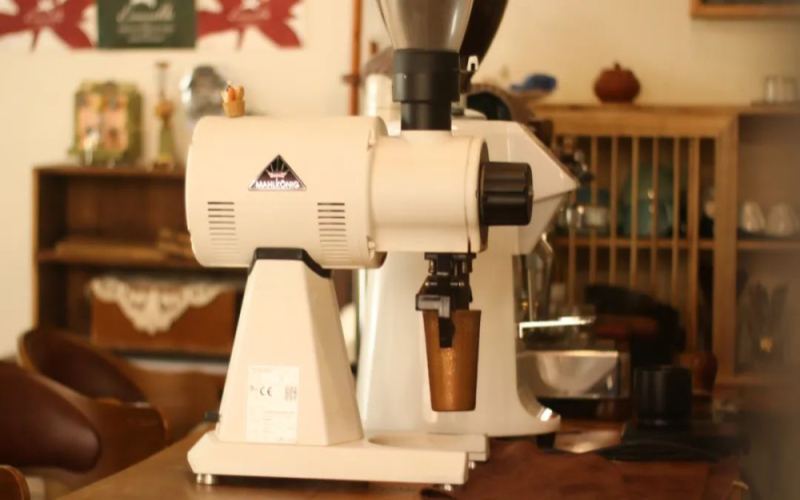
Analysis of the Advantages of Electric Grinders Over Hand Grinders, and the Details to Pay Attention to When Grinding for Single-Origin Pour-Over Coffee
In the daily preparation of pour-over single-origin coffee, electric grinders are being chosen by more and more enthusiasts. Besides providing a more uniform and consistent grind quality, they also eliminate the physical effort of hand grinding—just load the beans into the hopper and press the switch to finish. However, there are many details to pay attention to when using an electric grinder, otherwise the machine will wear out much faster than expected. For example, the seemingly simple question of when to add beans involves the key principle of burr protection. In addition, cleaning an electric grinder has two levels: daily and periodic, and only good maintenance can effectively extend its service life. This article addresses these practical points one by one to help you grind single-origin coffee beans with greater ease. [more…]
Is Geisha coffee good for espresso and iced Americano? A detailed guide to extraction parameters, coffee-to-water ratios, and latte pairing tips
Geisha coffee has become a favorite among countless coffee lovers thanks to its white floral aroma, citrus fruit notes, and fresh tea-like feel. We usually reach for a pour-over or French press to showcase its delicate flavors, but occasionally someone wants to try extracting Geisha with an espresso machine to make a latte or an Americano. So is Geisha actually suitable for espresso? The answer is: setting aside the price factor, absolutely, but you must pay attention to two key details—full extraction and ratio control. Light-to-medium roasted Geisha is denser and requires a finer grind and a longer extraction time than regular medium-dark roasted beans to avoid sharp acidity. At the same time, the ratio of coffee to milk or water also needs adjustment, so the fresh floral notes don't get diluted. Using the Costa Rica Strawberry Candy Geisha blend as an example, Front Street Coffee shares the specific parameters for Americano and latte, helping you avoid detours and easily make a delicious Geisha espresso drink. [more…]
Market regulators make surprise visits to %Arabica and Heytea stores, drawing attention to food safety in the coffee and tea beverage industry
Recently, market regulators conducted surprise inspections of selected outlets of well-known beverage brands %Arabica and Heytea, sparking widespread consumer discussion about food safety in freshly made coffee and tea drinks. The operation focused on raw material storage, operational standards, and hygiene conditions, with the inspection results revealing that some outlets still have room for improvement in detail management. As coffee lovers, we should not only pay attention to flavor performance but also prioritize the safety and quality of beverages. This article will recount the inspection process and findings, and, in conjunction with the product characteristics of brands such as Front Street Coffee, explore how the industry can uphold the bottom line of food safety amid rapid expansion. [more…]
A Detailed Guide to Jamaican Blue Mountain Coffee Grades: Price Differences Between Grade 1 and Grade 2 Beans and Key Identification Points
As one of the world's top coffees, Blue Mountain coffee's grade classification and price differences have always been a focus of attention for coffee enthusiasts. Jamaican law explicitly stipulates that only coffee beans produced in the Blue Mountain region can bear the name Blue Mountain. High-grade Blue Mountain coffee is divided into three grades: No. 1, No. 2, and No. 3. Although the taste is consistent, the bean sizes differ, and the prices also show clear differences. In addition, green beans must be exported in wooden barrels, with the estate, importer abbreviations, and batch information printed on the barrel, along with a green certificate of origin. Defective and flawed beans, however, can only be shipped in gunny sacks or exported after heavy roasting. Understanding these details helps identify authentic Blue Mountain coffee and avoid buying the lowest-grade products. Front Street Coffee reminds you to pay close attention to grade and packaging information when making a purchase. [more…]
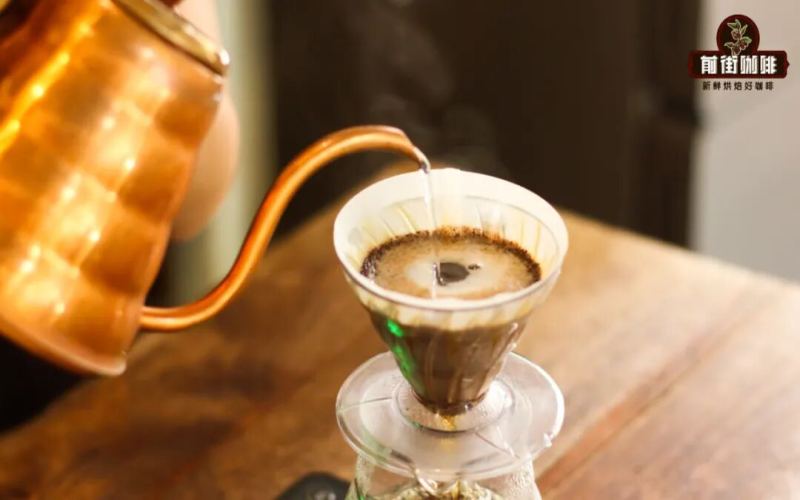
Pour-Over Coffee Water Pouring Techniques | How Should Coffee Beginners Learning Pour-Over Coffee Pour Water? What Details Should Be Paid Attention to When Pouring Water in Pour-Over Coffee?
At Front Street Coffee shops, we often meet friends who have been teaching themselves pour-over coffee at home and come to discuss brewing-related questions with us. Many of them say that although the parameters they use are exactly the same as those we recommend in the shop, the coffee they brew always tastes inconsistent—sometimes good, sometimes bad—and they have no idea where the problem lies. In cases like this, [more…]
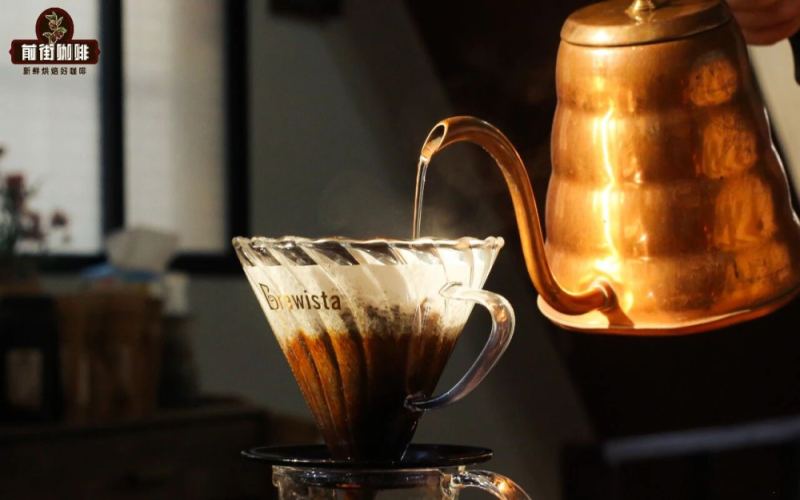
Must-Read for Pour-Over Coffee Beginners: Grind Size, Timing, and Five Easily Overlooked Key Details
Pour-over coffee seems simple, but it actually hides many details that are easy to overlook. Many beginners focus their attention on the big picture of brewing, yet often overlook details in grinding, equipment, timing, and other steps, ultimately ending up with coffee that tastes as bland as water or is burnt and bitter beyond swallowing. This article compiles five key points summarized by Front Street, covering grinder selection, grinding timing, pre-pouring checks, extraction time control, and post-brewing handling, along with Front Street Coffee bean recommendations suitable for beginners. If you are practicing pour-over, these details are worth checking one by one to help you avoid detours and brew a satisfying cup of coffee more quickly. [more…]
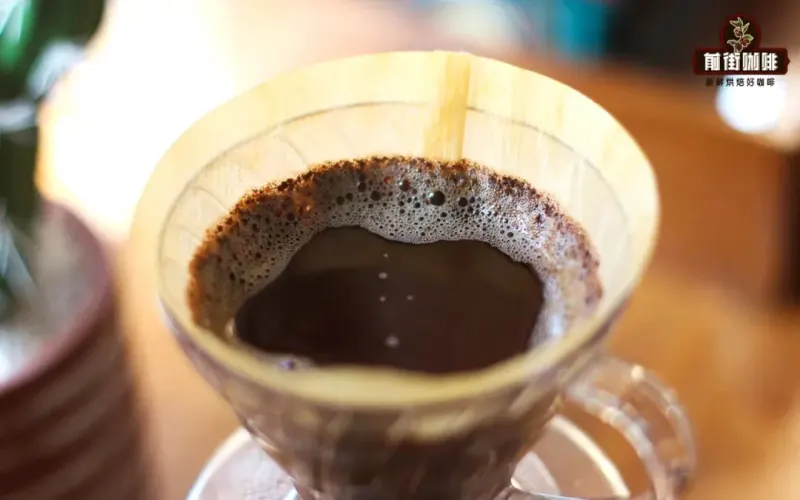
The Correct Way to Use a Showerhead Drip Filter in Pour-Over Coffee: A Detailed Guide to Flow Strength, Clogging Risks, and Stirring Techniques
For beginners, mastering the pouring technique in pour-over coffee is often difficult to stabilize, and in recent years many small辅助 brewing tools have appeared on the market. Front Street Coffee recently got its hands on a pour-over accessory called the "showerhead dripper," whose shape closely resembles a lotus seedpod and can automatically split hot water so it drips gently, thereby making extraction more even. In addition to the showerhead itself, it also comes with a stirring rod, used to make up for the drop in extraction efficiency caused by insufficient water flow impact. However, when using this kind of tool, details such as flow rate and the number of holes still need attention. This article will combine actual operation to explain in detail how to use the showerhead dripper, whether excessively strong water flow can cause clogging, and the specific key points of the stirring method. [more…]
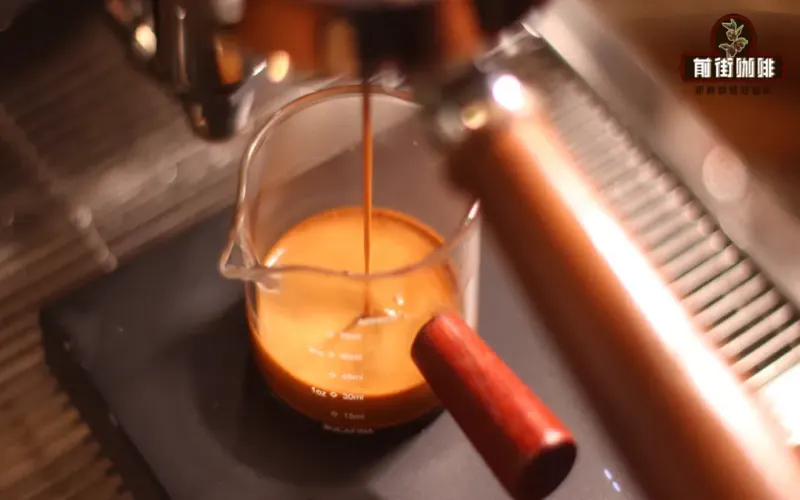
The Complete Espresso Extraction Process: Eight Key Details from Grinding to Serving That You Can't Overlook
An espresso from grinding to extraction often takes less than a minute; it seems simple, but in fact it hides quite a few subtleties. Many enthusiasts finally find an ideal set of extraction parameters during their morning dial-in, only to overlook details in subsequent operations, resulting in inconsistent output and a greatly diminished flavor. This article follows the actual order of operations and goes through, one by one, the easily overlooked points in eight stages: puck pressure, portafilter basket cleaning, observing the grounds condition, distribution and tamping, pre-flushing, knocking the portafilter, extraction timing, and cleanup afterward, helping everyone consistently get full-flavored, parameter-stable espresso on a home espresso machine. [more…]

The New Secret to a Coffee Shop's Standout Success: How Restroom Details Become a Key Bonus in Customer Experience
Besides refreshing the mind and waking you up, coffee can also promote intestinal peristalsis, which unexpectedly makes the restroom experience an important standard for judging whether a coffee shop is comfortable. Recently, a netizen from Shandong posted on social media, reviewing some of the coffee shops they had visited from the perspective of the restroom, with a unique angle and rich details. Cleanliness and hygiene, along with smooth flushing, are the basics, while spaciousness and ventilation, pleasant aromas, and the provision of disposable toilet seat covers, wet wipes, sanitary pads, and hand cream become bonus points. A layout with dry-wet separation and a reasonable flow also greatly increases favorability. At the same time, many coffee shops cannot provide restrooms due to space or plumbing limitations, or they impose restrictions on customers using the toilet. Those shops with complete facilities not only meet physiological needs, but also win repeat customers and reputation through detailed service. Front Street Coffee reminds us that paying attention to these often overlooked experiences may bring coffee shops an unexpected win-win effect. [more…]
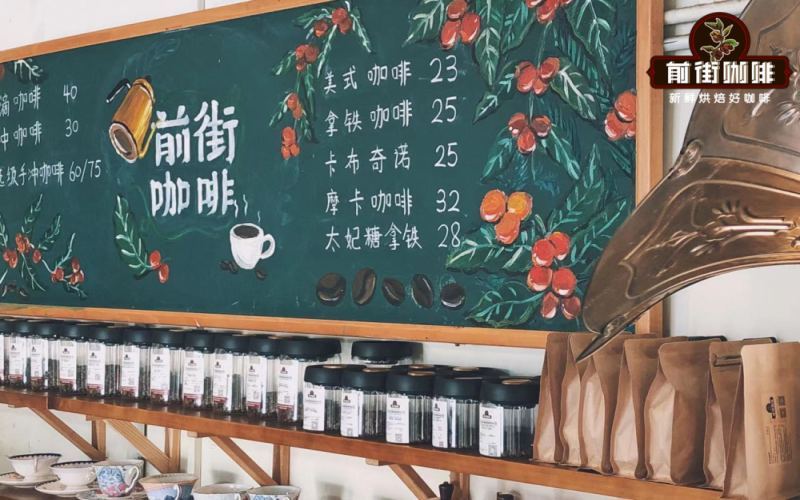
A Complete Guide to Three-Pour Pour-Over Coffee: The Principles and Practical Details from Blooming and Degassing to Staged Extraction
Pour-over coffee may seem complex, but its core lies in how to balance flavor extraction. As the most widely used brewing method, the three-pour technique uses staged extraction to give distinct layers of flavor in the front, middle, and back ends. Drawing on the practical experience of Front Street Coffee, this article explains in detail the principles of blooming and degassing, control of the pouring rhythm, the matching of water temperature and roast level, and a complete brewing recipe using Kenya Asalia coffee beans as an example. Whether you are a beginner just getting into pour-over or an enthusiast looking to refine your technique, you will find actionable references here. [more…]
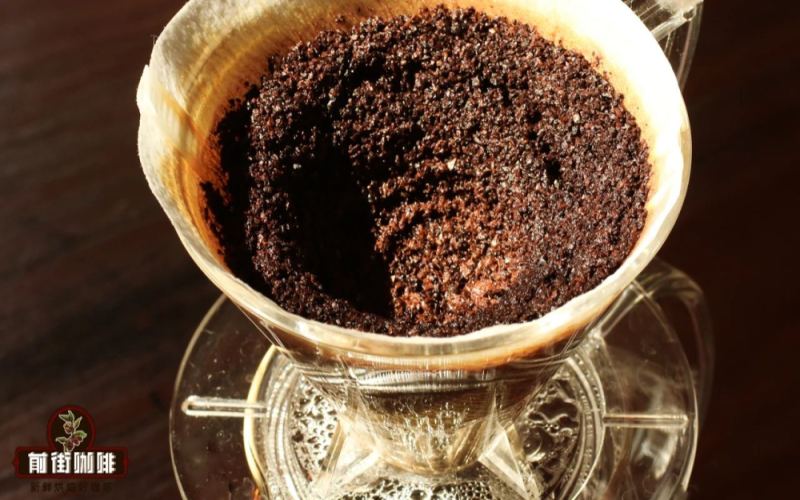
A Detailed Guide to the Key Steps of Distribution and Tamping in Espresso Extraction: How to Make a Complete Puck
When extracting espresso, many coffee enthusiasts strive to knock out a complete puck. Although whether the puck is complete does not directly determine the flavor of the coffee, it can indirectly reflect whether the extraction process is standardized. The formation of the puck is closely related to operations such as distribution and tamping, and these steps are precisely the key to affecting coffee quality. Based on the practical experience of Front Street Coffee, this article explains in detail how to reduce channeling by choosing an appropriate dose, distributing the grounds evenly, and tamping correctly, ultimately obtaining a complete puck and thereby increasing the chances of making delicious coffee. [more…]

Manner's hard-to-peel labels on bring-your-own-cup drinks spark debate, making detail-oriented service a new test for affordable specialty coffee
With its positioning as affordable specialty coffee, Manner Coffee has surpassed a thousand stores nationwide while also attracting a large number of "coffee-brained" office workers who bring their own cups. However, recently some netizens complained that after a friend helped buy coffee with a bring-your-own cup, the label on the cup could not be completely peeled off, sparking widespread resonance. Similar experiences are not uncommon on social platforms. Some question whether baristas "deliberately" attach the labels, while others believe it is an oversight during peak hours, and some stores use easy-peel stickers as a base layer. This small controversy over labels reflects consumers' attention to baristas' attention to detail in service. For coffee enthusiasts pursuing quality, a good cup of coffee is not only about taste, but also about the warmth and care in the experience. [more…]
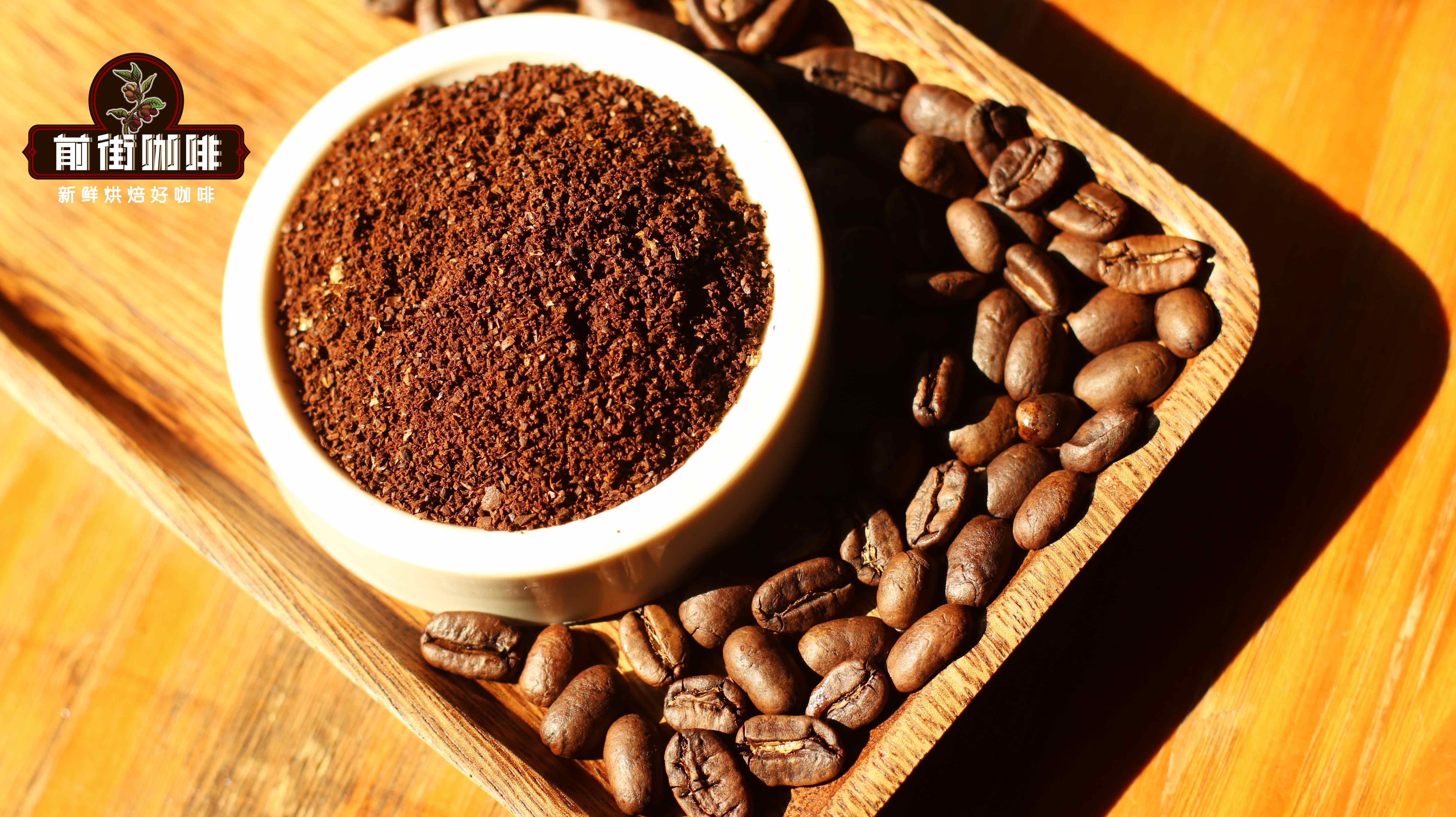
Key Points for Using a Coffee Grinder | Do You Need to Clean the Grinder Before Grinding Coffee Beans? What Should You Watch Out for When Using a Coffee Bean Grinder?
Many friends who originally used hand grinders have purchased an electric coffee grinder to grind coffee beans, with the aim of freeing their hands and no longer needing to go through the tedious grinding process. However, electric grinders are different from hand grinders, and there are many details to pay attention to when using them. If you are not careful, it is easy to shorten the life of the grinder and affect the grinding quality. [more…]
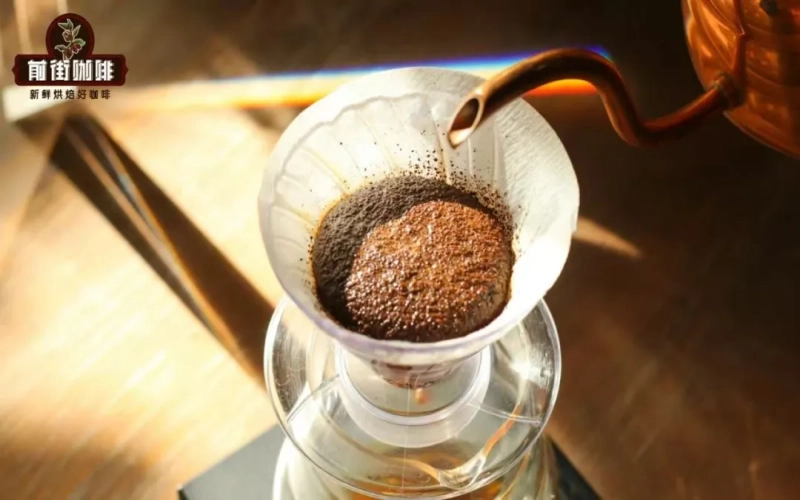
Should you rinse the filter paper with hot water before brewing? Practical details on water quality, blending, and grinder cleaning
Besides the coffee-to-water ratio, water temperature, and pouring technique, the final flavor of a cup of coffee is also influenced by many easily overlooked steps. Drawing on Front Street Coffee's practical experience, this article outlines four operational details worth paying attention to: whether the paper filter needs to be pre-wetted with hot water, how the hardness of the brewing water affects extraction, whether the coffee liquid should be swirled after dripping, and how to simply clean the grinder before grinding to avoid flavor carryover. These seemingly minor steps often inadvertently change the aroma, mouthfeel, and cleanliness of the coffee. Whether you prefer espresso or pour-over, you can find ideas here to optimize your daily brewing. [more…]

Why Dirty Coffee Doesn't Layer: Master Three Key Details to Make a Perfectly Layered Dirty Coffee
Dirty coffee may seem to require only two ingredients—milk and espresso—but the actual preparation hides a fair amount of know-how. Many people who try it at home often run into problems like no layering or overly blended flavors, and the result falls far short of what a coffee shop produces. In fact, as long as you avoid three common pitfalls—ignoring the layering, choosing the wrong cup, and adding ice blindly—you can easily make a Dirty with distinct layers and a strong contrast between hot and cold. Front Street Coffee will combine real brewing experience with a classic blend bean to break down the principles behind every detail and the correct methods, helping you make a dirty coffee even better than a café's. [more…]
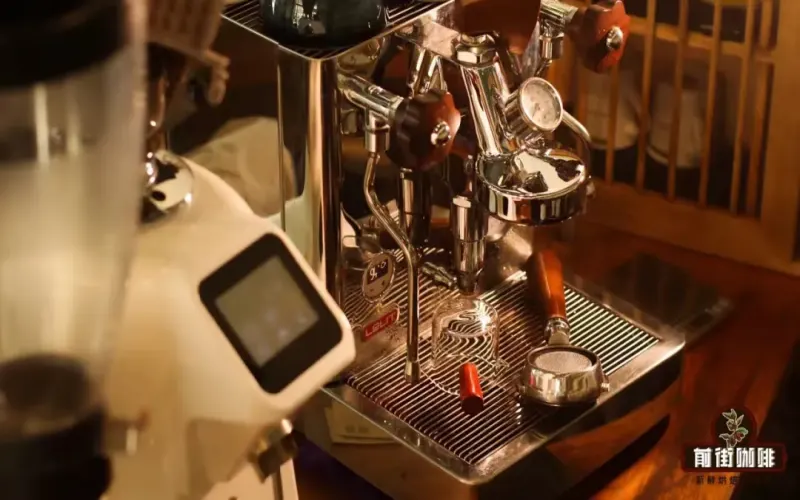
Espresso Extraction Details and Tamping Pressure Standards: Front Street Reviews Six Commonly Overlooked Operational Points
Espresso extraction is extremely short—just twenty to thirty seconds—yet it releases a large amount of flavor compounds from the coffee beans. Because of this, even a small operational oversight can cause the flow rate to spiral out of control and the flavor to become unbalanced. Many enthusiasts follow the same parameters and imitate the same steps, yet their output still falls short of the ideal. The problem often lies in those seemingly insignificant details. In this article, Front Street Coffee systematically reviews six operational points that are easily overlooked but can significantly affect extraction results, including common issues such as a wet portafilter basket, uneven distribution, repeated tamping, knocking the portafilter, forgetting to flush, and delaying the start after locking in the portafilter. It further explains the correct understanding of tamping pressure and the standard technique, helping everyone improve the consistency of their espresso output by paying attention to the details. [more…]
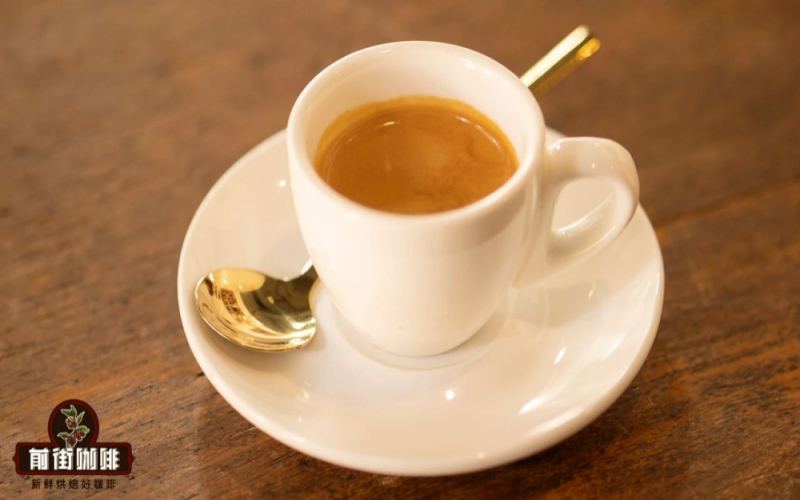
A Detailed Guide to Espresso Making Standards and Extraction Parameters, and a Buying Guide for Front Street Coffee's Espresso Blend Beans
As the soul of a café's offerings, espresso's preparation process and extraction standards have always been a focal point for coffee enthusiasts. Starting from international technical standards, this article will provide a detailed interpretation of how the six major extraction parameters—dose, ratio, time, flow rate, pressure, and water temperature—affect espresso flavor, helping readers understand how to make a proper Espresso. At the same time, the article will introduce several espresso blend coffee beans currently sold by Front Street Coffee, including Black Cocoa Blend, Specialty Blend, Commercial Blend, and Strawberry Candy Blend, covering specific recipes, flavor descriptions, and suitable applications. Finally, we will also remind everyone to pay attention to the roasting date and optimal flavor period when purchasing coffee beans, ensuring that every cup of coffee can present its best state. [more…]
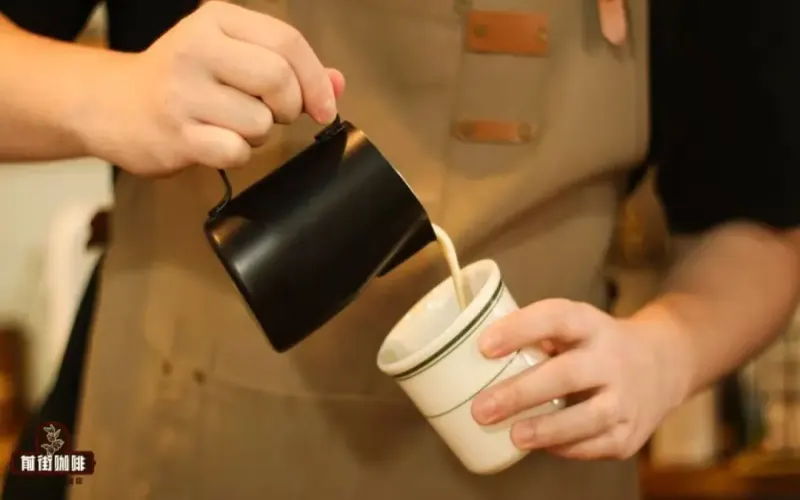
Key details in the milk-pouring and integration stage of latte art: how flow rate, pouring distance, and milk volume affect the final result
When making an espresso latte, the success of the latte art pattern often depends on whether the integration step is done properly. When integrated well, the pattern background is clean and the coffee flavor is unified; when integrated poorly, not only does the image look messy, but the mouthfeel also feels disjointed. Front Street Coffee points out that there are three easily overlooked details in the integration stage: the flow rate of the milk being poured, the distance between the milk pitcher and the liquid surface (the pouring distance), and the amount of milk used for integration. This article will break down these three key points one by one, explaining why a low flow rate combined with a high pouring distance is more conducive to integration, as well as the specific requirements for integration milk volume for different latte art patterns, helping you make latte coffee with consistent flavor and a clean image at home. [more…]
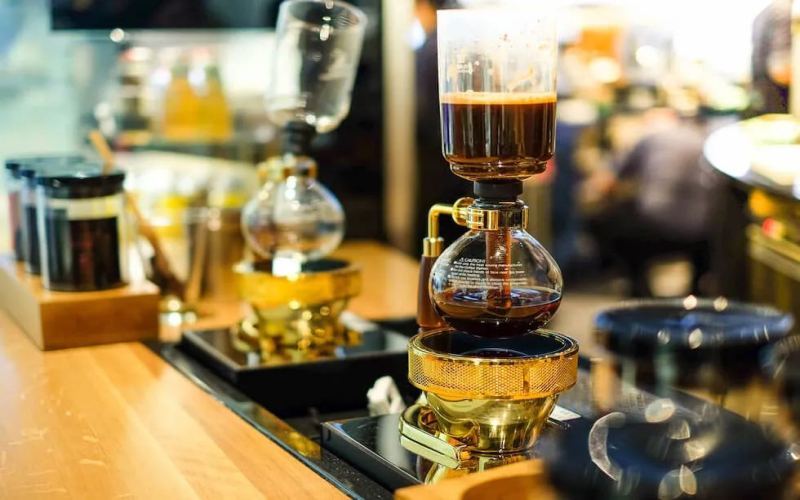
A Detailed Explanation of the Siphon Brewer's Extraction Principle and Operating Steps, and Which Coffee Beans Pair Best for Flavor?
The siphon pot, with its unique appearance resembling chemical apparatus, often appears in nostalgic film and television works, carrying a certain air of mystery. For coffee professionals and enthusiasts, what is more worthy of attention is its extraction principle and actual brewing performance. This article will start with the structure of the siphon pot, gradually break down its pressure-difference extraction mechanism, explain in detail the key parameters and operating procedures such as water temperature, grind size, and coffee-to-water ratio, and recommend suitable coffee beans for different flavor preferences, including Front Street brand's Jamaica Blue Mountain, Golden Mandheling, Brazil Queen Estate, Natural Red Cherry, Costa Rica Mozart, and Natural Huakui, to help readers fully master the essentials of making siphon coffee. [more…]

Espresso Special Milk-Washed Latte Making Guide: Ingredient Ratios, Step-by-Step Details, and Practical Recipe
Milk washing is a process that involves mixing an acidic ingredient with milk to curdle the casein, then filtering out a transparent milk serum. Thanks to its striking visual presentation and unique mouthfeel, it is used by many coffee shops in the making of specialty coffee drinks. However, although the process is not complicated, there are quite a few details to pay attention to. If you simply add an acidic substance and coffee directly to milk, the resulting clarified liquid is often difficult to drink as is. To make a good-tasting milk-washed coffee, in addition to the basic ingredients, flavoring components such as sugar are needed to balance the acidity, while the choice of coffee beans, the usage ratio, and the steeping time will all significantly affect the final flavor. This article will cover the ingredients, steps, and recipes for milk washing, and share Front Street Coffee's specific recommendations on bean selection. [more…]