







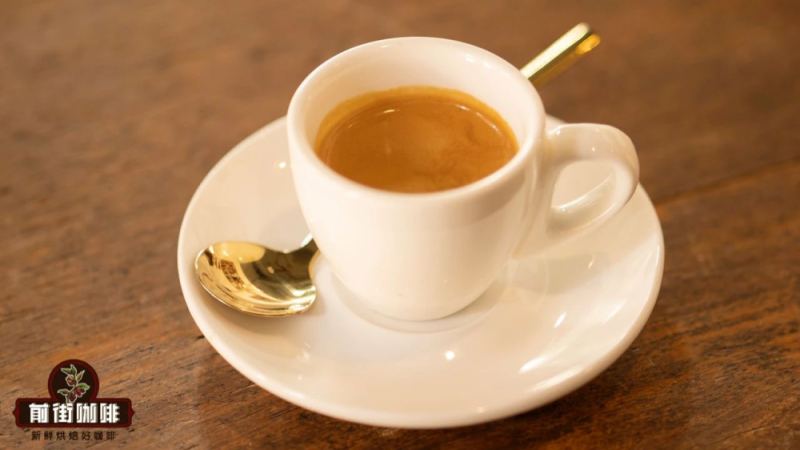
As the soul of a café's offerings, espresso's production process and extraction standards have always been a focus of attention for coffee enthusiasts. Starting from internationally accepted technical standards, this article will provide a detailed interpretation of how the six major extraction parameters—dose, ratio, time, flow rate, pressure, and water temperature—affect the flavor of espresso, helping readers understand how to make a qualified Espresso. At the same time, the article will also introduce several Italian-style blended coffee beans currently sold by Front Street Coffee, including Black Cocoa Blend, Specialty Blend, Commercial Blend, and Strawberry Candy Blend, covering specific formulas, flavor descriptions, and suitable scenarios. Finally, we will also remind everyone of the roasting date and optimal tasting period issues to pay attention to when purchasing coffee beans, ensuring that every cup of coffee can present its best state.
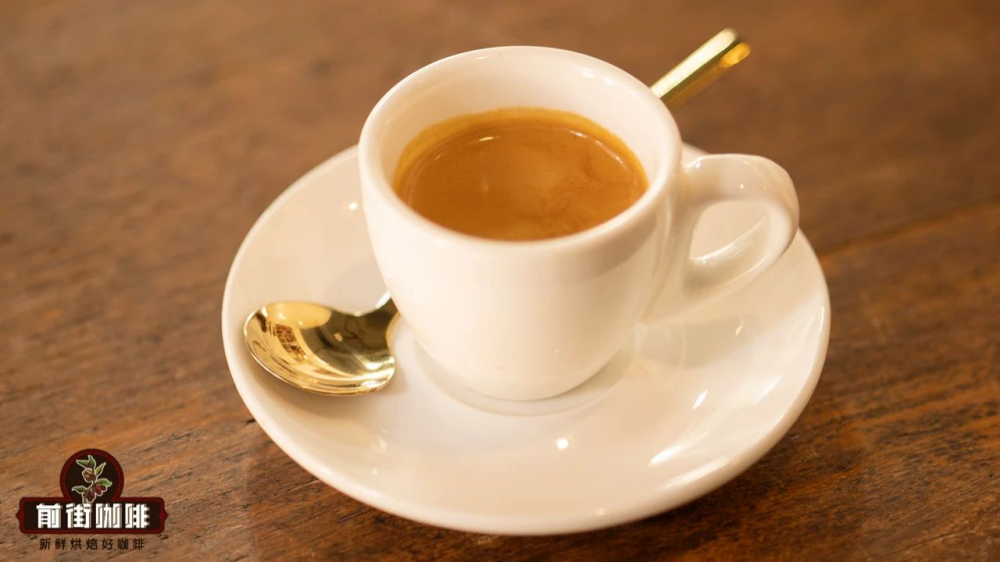
You may be wondering: what exactly does a double Espresso refer to? How many milliliters does a standard espresso served by a café usually have? How is espresso made? How should it be consumed to achieve the best experience?
You may also be looking for: where can you buy reliable Italian-style blended coffee beans? From which channels do cafés usually purchase Italian-style blend beans? Are there any recommended retail or wholesale brands of Italian-style blended coffee beans?
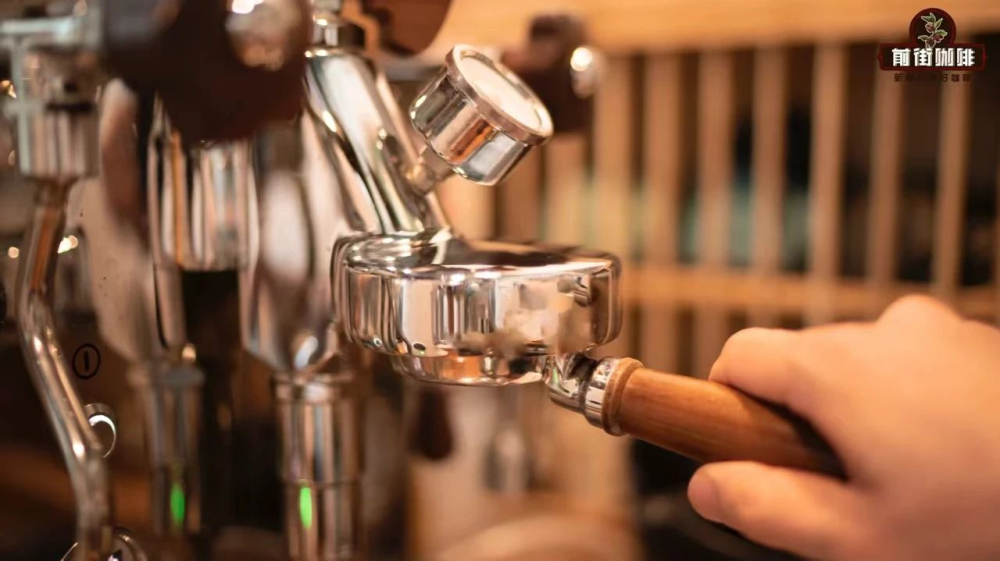
Front Street Espresso Italian-style Espresso Preparation Method
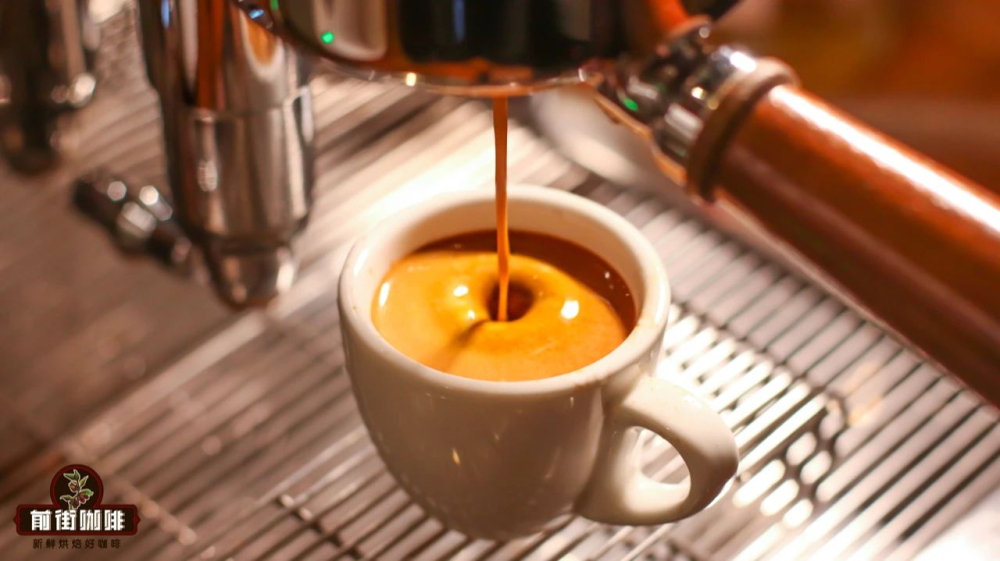
According to internationally accepted technical specifications: weigh about 7 grams of freshly ground coffee powder, use hot water at about 92 degrees Celsius, and under a pressure of about 9Bar, extract for 20 to 30 seconds, finally obtaining a cup of 20 to 30 milliliters of coffee liquid. The surface of this cup of coffee should be covered with a layer of crema.
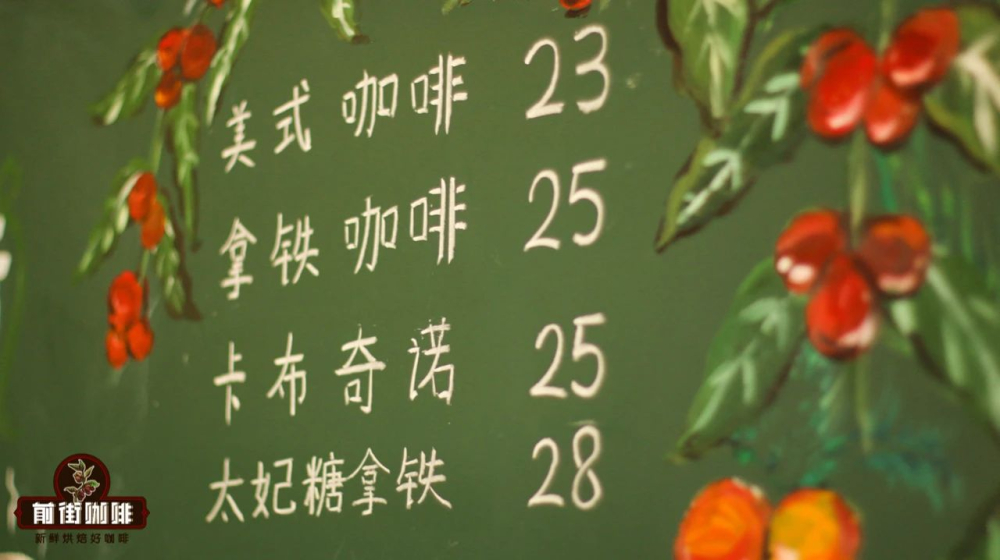
With the advancement of the specialty coffee wave, new coffee theories are constantly being discovered; independent cafés are blooming everywhere, and each store's espresso extraction scheme also varies.
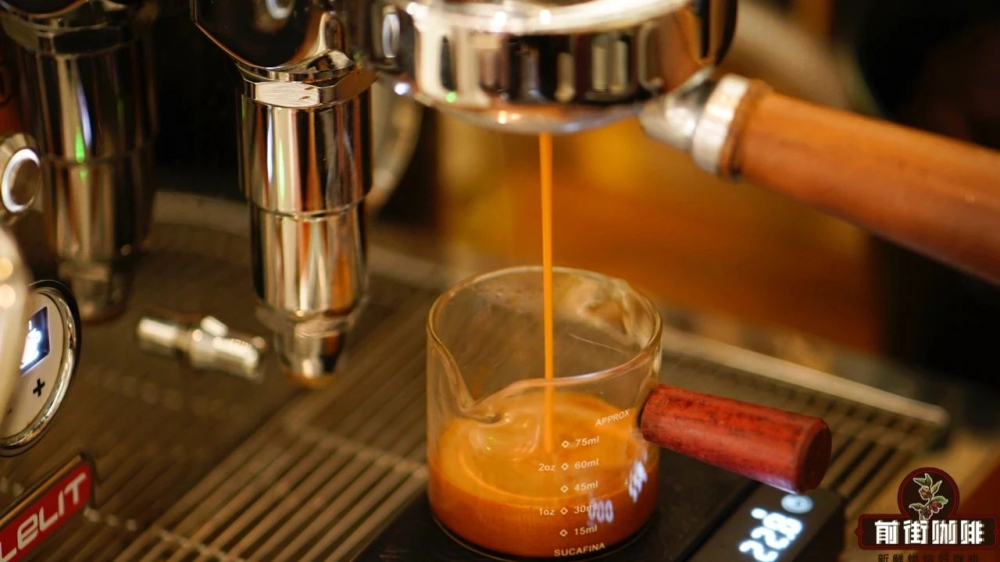
As for Front Street's own espresso serving standard, making a cup of espresso is based on 2 shots (that is, 1 serving of espresso), using 19 grams of coffee powder, at a powder-to-liquid ratio of 1:2, extracting 38 grams of espresso liquid, with the extraction time controlled at 28 seconds.
However, these values can only serve as a reference. How many milliliters must be extracted for a serving of espresso to be considered qualified? Front Street's view is that the key is still to judge comprehensively based on the coffee-to-water ratio and the final flavor performance of the coffee.
Front Street baristas often exchange insights on making coffee with everyone. I believe everyone is clear that there are many variables affecting the flavor of a cup of coffee, including ratio, water temperature, grind size, extraction time, and so on. Today Front Street will break these down one by one.
How to understand espresso extraction parameters?
[Dose] The amount of dose depends on the capacity of the filter basket.
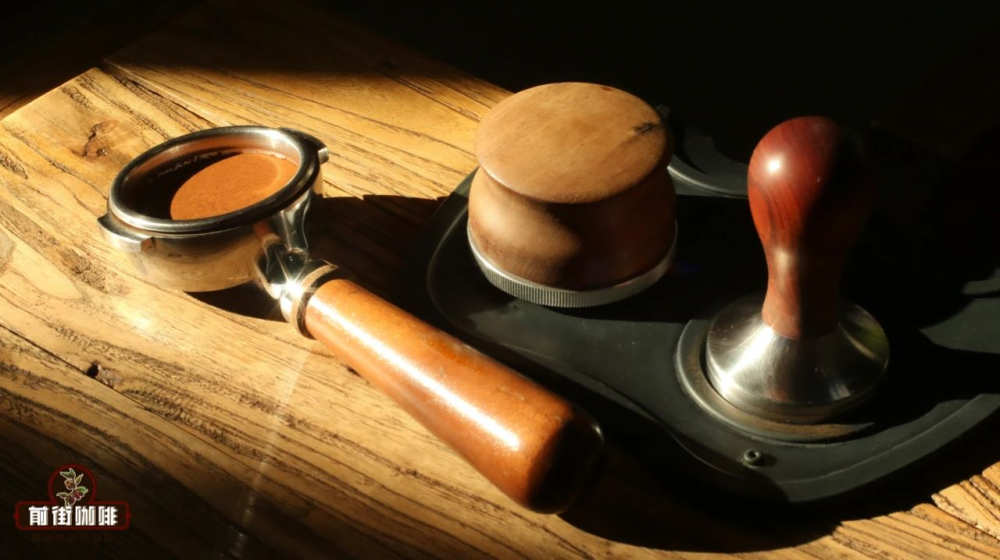
It is not recommended to use a dose much smaller than the basket capacity, nor is it recommended to use a dose much larger than the basket capacity;
The amount of dose directly affects the density of the coffee puck. Under the same tamping pressure, too little coffee powder will cause the water flow rate to be too fast due to a sparse powder layer, resulting in under-extraction; conversely, too much coffee powder will make the puck too dense, slow down the water flow rate, and make it difficult for the coffee liquid to be extracted smoothly.
[Ratio] Ratio refers to the ratio between the amount of coffee powder and the amount of coffee liquid. There are two factors affecting the ratio: dose and water amount.
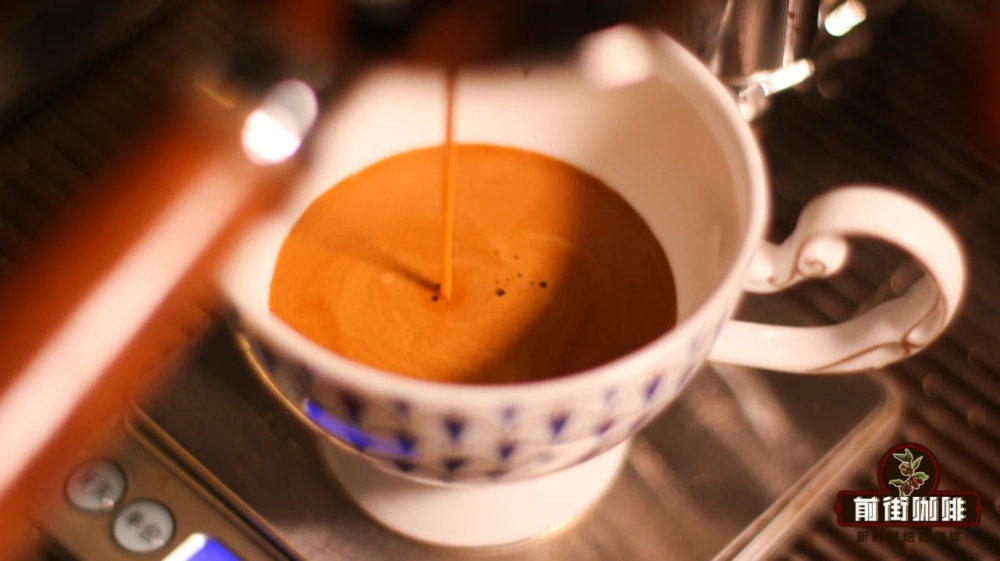
Usually the ratio is between 1:1.5 and 1:2.5. The most common is 1:2, for example, extracting 34 grams of coffee liquid from 17 grams of coffee powder. But if the ratio is too low, the coffee will taste too rich and heavy, and it is easy to produce a bitter taste due to over-extraction; if the ratio is too high, it will lead to a thin mouthfeel, insufficient flavor, and a sharp acidity brought by under-extraction.
[Time] Time refers to the duration of the entire process from pressing the extraction button to the end of extraction. There are two factors affecting extraction time: grind size and ratio.
The ratio is relatively easy to understand: the higher the ratio, the more water is needed for extraction, and the time will naturally be longer; the grind size determines the coarseness of the coffee powder, and the coarseness directly affects the density of the puck. The finer the coffee powder, the denser the puck after tamping, making it difficult for water to penetrate, and the time will be prolonged, likely causing over-extraction.
[Flow Rate] Flow rate refers to the speed at which the coffee liquid flows out. The ultimate goal of extraction parameters is actually to control the flow rate well.
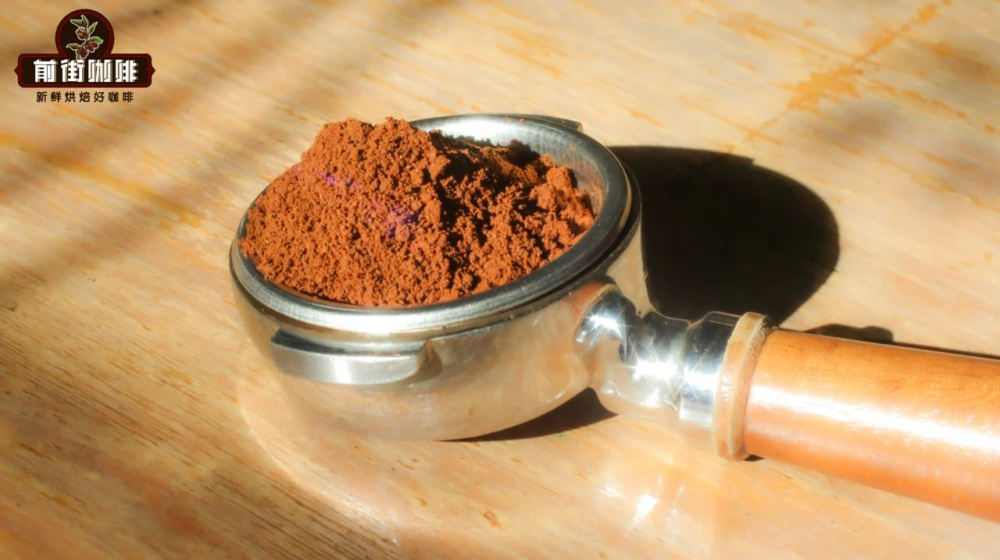
Our espresso needs to drip its first drop of coffee liquid at the 5th to 6th second after pressing the extraction button. For even extraction, if using 20 grams of coffee powder to extract 40 milliliters of coffee liquid and the time happens to fall at 30 seconds, it indicates the flow rate is normal; if the time is less than 25 seconds, it means the flow rate is too fast, and when the coffee tastes sharply acidic and lacks aroma, it is very likely under-extracted.
If the time exceeds 35 seconds, it means the flow rate is too slow, and the possibility of over-extraction increases. At this time, it can be adjusted by reducing the amount of coffee powder or making the grind coarser.
[Pressure] The pressure averages around 9bar and is determined by the performance of the espresso machine. Insufficient pressure leads to low extraction efficiency, while excessive pressure easily causes over-extraction.
[Water Temperature] The water temperature is generally controlled between 90 and 94 degrees Celsius. Too high a water temperature easily causes over-extraction, making the coffee taste bitter; too low a water temperature easily causes under-extraction, resulting in a sharp sour taste in the coffee.
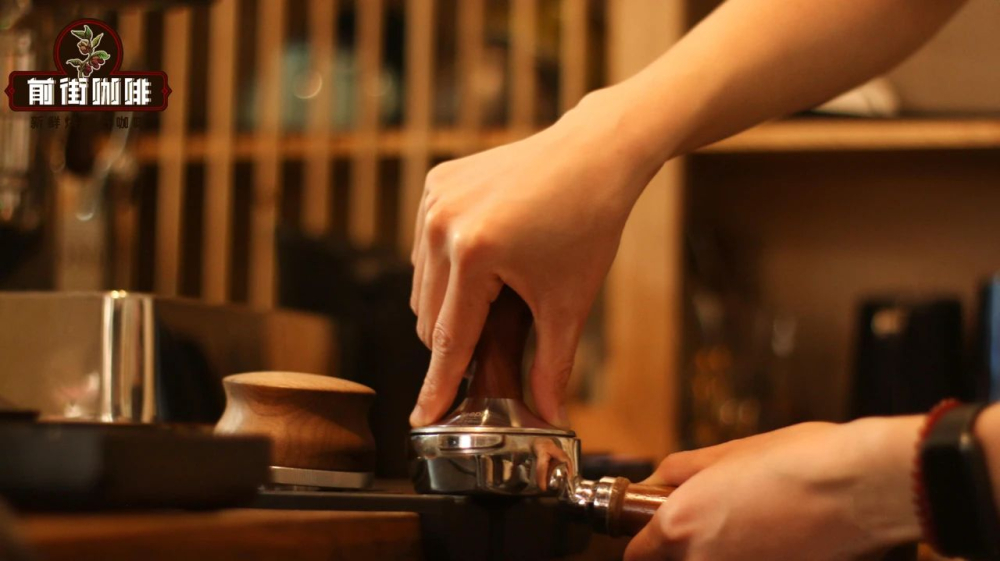
Detailed Introduction to Front Street Italian-Style Blend Coffee Beans (with Specific Formulas)
As is well known, the Italian-style blended coffee beans used by cafés are made by mixing coffee beans from multiple different origins. So what is the purpose of making Italian-style blend beans? Front Street's currently sold Italian-style coffee beans include two types: blended beans and SOE.
[Italian-Style Coffee Beans Recommended by Many Baristas - Front Street Black Cocoa Blend Italian-Style Coffee Beans]
Flavor: cream, nuts, chocolate
Front Street's basic coffee beans have extremely high cost performance. It uses balanced-flavored Brazilian coffee beans as the base, and on this basis adds Yunnan small-bean coffee, whose flavor and mouthfeel are weaker than Brazilian beans, for blending. It presents the most popular taste and flavor, and whether it is a beginner just starting to drink coffee or a heavy veteran coffee lover, they can easily accept this Italian-style coffee bean.
This blend is medium-dark roasted by Front Street. When made into espresso, the taste has slight acidity, light sweetness, and a nutty sweet aftertaste. The overall feeling is balanced and not too aggressive. The crema performance is at a medium level, able to meet the daily needs of most stores serving lattes.
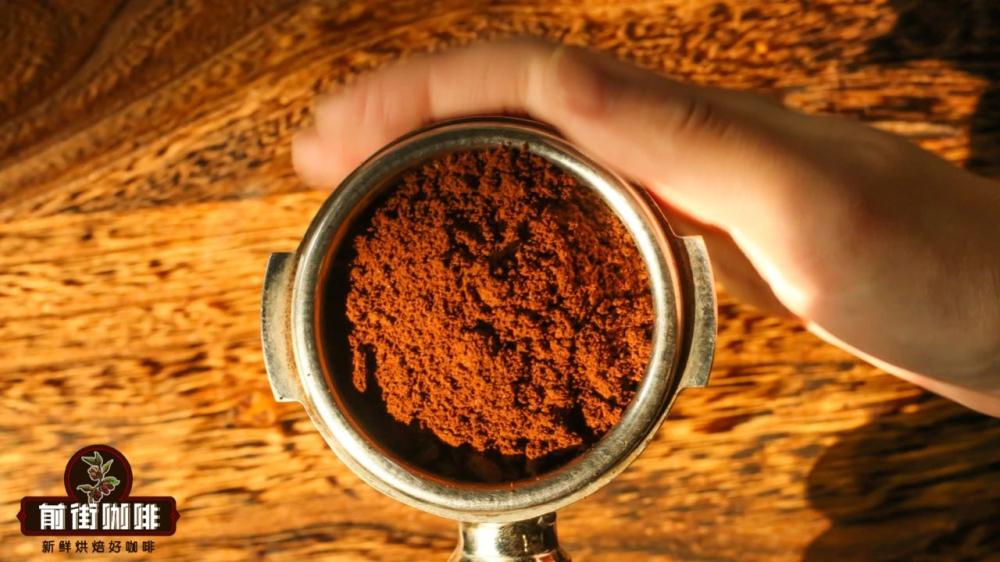
Café store operations cannot do without cost control. While keeping costs as low as possible, providing stable coffee output is what every operator hopes for. Front Street · Italian-Style Coffee Beans Recommended by Many Baristas — Front Street Black Cocoa Blend is an Italian-style bean that can meet the needs of businesses opening coffee shops.
[Front Street Specialty Blend Italian-Style Coffee Beans] Flavor: aromatic and mellow, nuts, strong sweetness when paired with milk
For customers who do not like overly extreme flavors, do not care for single-origin coffee, but pursue coffee quality, this specialty Italian-style coffee bean will be the first choice. This blend is medium-dark roasted by Front Street. With balanced-flavored Brazilian coffee beans as the main body, paired with Colombian coffee beans that have soft fruit acidity and a nutty sweet aftertaste, the flavor is classic.
This blend is also the blend we have been using in our own store. We have been using it from about half a year after opening until now. When discussing this blend, we hope to use American beans as the main body to enhance the blend's nutty and sweet aromas, while minimizing any bitter taste.
[Front Street Commercial Blend Italian-Style Coffee Beans]
Flavor: aromatic and mellow, nuts, strong sweetness when paired with milk
This blend tastes rich in crema and mouthfeel, as well as caramel sweetness, and also has flavors of nuts, cocoa, and dark chocolate. The acidity and sweetness are balanced, with a slight bitterness, and a lasting aftertaste. A small amount of Robusta coffee beans is added to increase the richness of the crema. Because the amount used is small, it will not greatly change the flavor.
The reason Front Street named this blend "Commercial Blend Coffee Beans" is that it performs well whether made into Americano or milk coffee, and with its price advantage, it is very suitable for commercial cafés. The espresso has very rich crema, a smooth and slightly bitter taste, and a very mellow texture.
[Front Street · Strawberry Candy Italian-Style Blend Coffee Beans] Flavor: rose, grape, dried fruit, blueberry, fruit gummy
To make an espresso with fruity notes, medium-roasted coffee beans should be the main choice. Front Street Strawberry Candy espresso coffee beans are recommended, and can be ordered directly from the Taobao or Tmall store. This is based on two major origins: Front Street Costa Rica Tarrazu, known for its honey processing, and Ethiopia, the birthplace of coffee, plus Colombian coffee beans. The espresso blended in this way is not only not aggressive, but under extraction by the espresso machine also has good crema and a velvety texture, while also having a sweet-and-sour taste like strawberry gummy.
Front Street Coffee (FrontStreet Coffee) stores adjust parameters every day according to the condition of the beans, for example, using 20 grams of coffee powder to extract 40 grams of coffee liquid. The extraction time is controlled between 26 and 28 seconds. The espresso made with these parameters will have medium acidity, medium bitterness, and medium body, with good balance. The flavor shows obvious black cocoa and citrus, and the finish is fermented wine aroma. When made into Americano, it has obvious winey chocolate and citrus acidity; when made into a latte, it has flavors such as vanilla cream and liqueur chocolate.
Front Street reminds everyone of several precautions when buying coffee beans daily
Roasting (production) date: When purchasing coffee beans, pay attention to the roasting date. Front Street's coffee beans generally have the roasting date printed on the back of the bag.
Drink within the optimal tasting period: The optimal tasting period for freshly roasted coffee beans is within 30 days after the resting period (4-7 days). After that, it will be lost over time, and in the end only a woody taste remains. The flavor substances lost first are mainly volatile compounds such as floral and fruity aromas, while water-soluble compounds such as sugars, nuts, and chocolate are relatively less likely to volatilize.
So we generally remind customers buying beans that the best tasting period for coffee is within the 4th to 30th day after the roasting date. However, even if the optimal tasting period has passed, it does not mean this coffee cannot be drunk. It will just be slightly inferior in flavor performance.
It should be emphasized here that the optimal tasting period is different from the shelf life. The shelf life of general roasted coffee beans is maintained between 6 months and 12 months. Therefore, when purchasing roasted coffee beans, it is not that the fresher the better, and at the same time remember not to store them too long before remembering to drink them. When buying coffee beans, pay attention to the roasting date to ensure that you can finish drinking them within a fixed period of time and avoid waste.
The above content is compiled by CoffeeHunters, a coffee news website.


