







Can Geisha Coffee Be Used for Espresso Drinks?
Yes, Geisha coffee can be pulled as espresso and turned into an Americano or latte, as long as two details are handled: full extraction and ratio control. Medium-light roasted Geisha is denser than typical medium-dark espresso beans, so it needs a finer grind and a longer extraction time to avoid sharp acidity. The coffee-to-milk or coffee-to-water ratio also has to be adjusted so the delicate floral and citrus notes are not diluted.
Pour-over and French press are the usual brewing methods because their high fault tolerance releases Geisha's white floral, citrus, and tea-like flavors most easily. An espresso machine is simply a different coffee extraction medium, so any bean can be pulled as a shot. Drawing on a Costa Rica Strawberry Candy Geisha, the guide shares specific grind, timing, and coffee-to-water and coffee-to-milk ratios for Americano and latte.
Geisha coffee, with its white floral notes, citrus fruitiness, and fresh tea-like quality, has become a favorite for countless coffee lovers. Usually, we are used to showcasing its delicate flavors through pour-over or French press, but occasionally some people want to try extracting Geisha with an espresso machine to make a latte or Americano. So is Geisha actually suitable for espresso? The answer is: setting aside the price factor, absolutely, but you must pay attention to two key details—full extraction and ratio control. Medium-light roasted Geisha has a higher density and requires finer grinding and a longer extraction time than regular medium-dark roasted beans to avoid sharp acidity. At the same time, the ratio of coffee to milk or water also needs adjustment to prevent the fresh floral notes from being diluted. Front Street Coffee uses the Costa Rica Strawberry Candy Geisha blend as an example to share the specific parameters for Americano and latte, helping you avoid detours and easily make a delicious Geisha espresso drink.
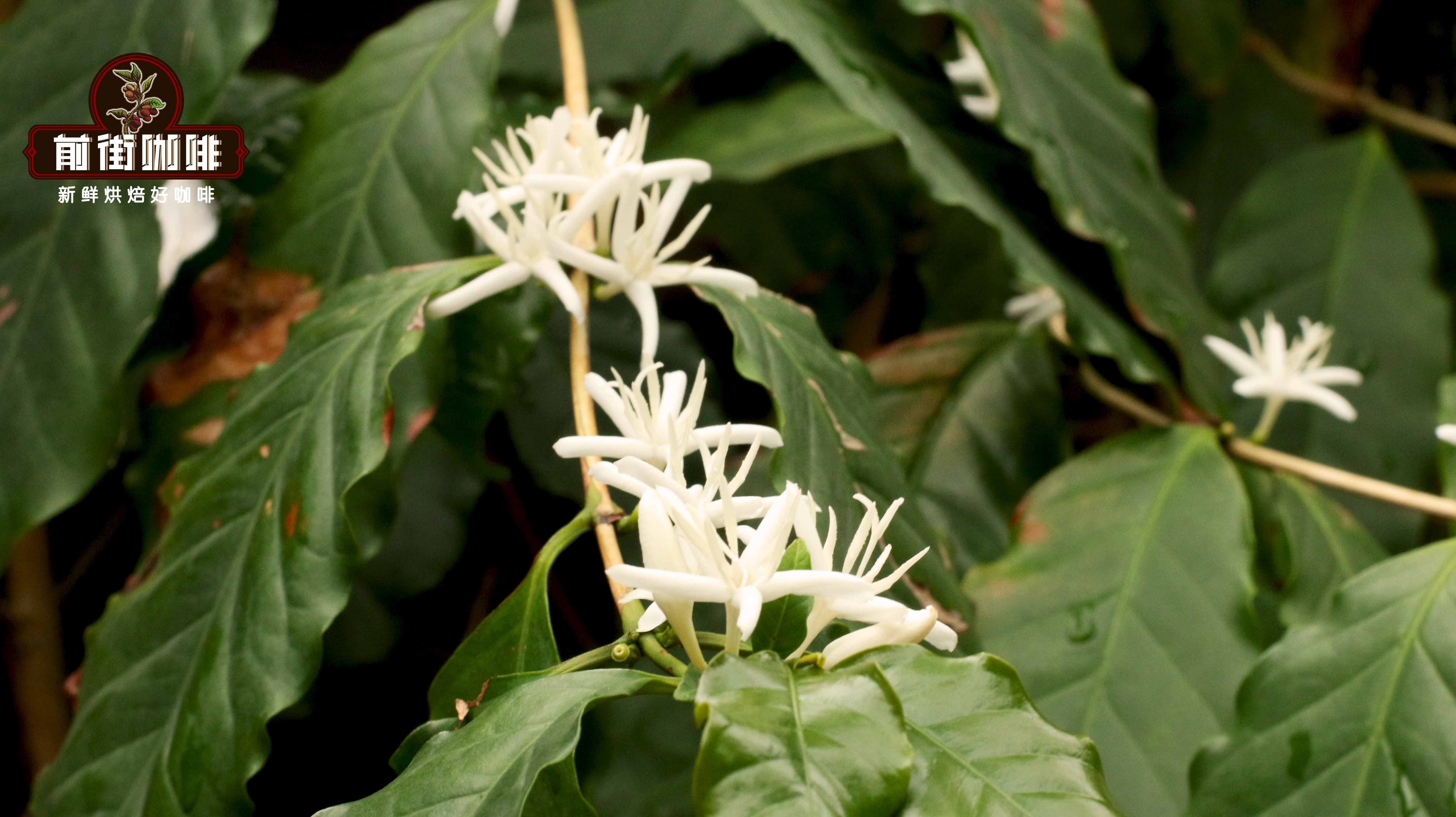
White floral notes, citrus fruitiness, and a fresh tea-like quality—these are the main flavors traditionally showcased by Geisha coffee. Because it really doesn't taste like a cup of coffee, the Geisha variety has been pursued by countless people since its introduction and has become the coffee “white moonlight” in many people's hearts.
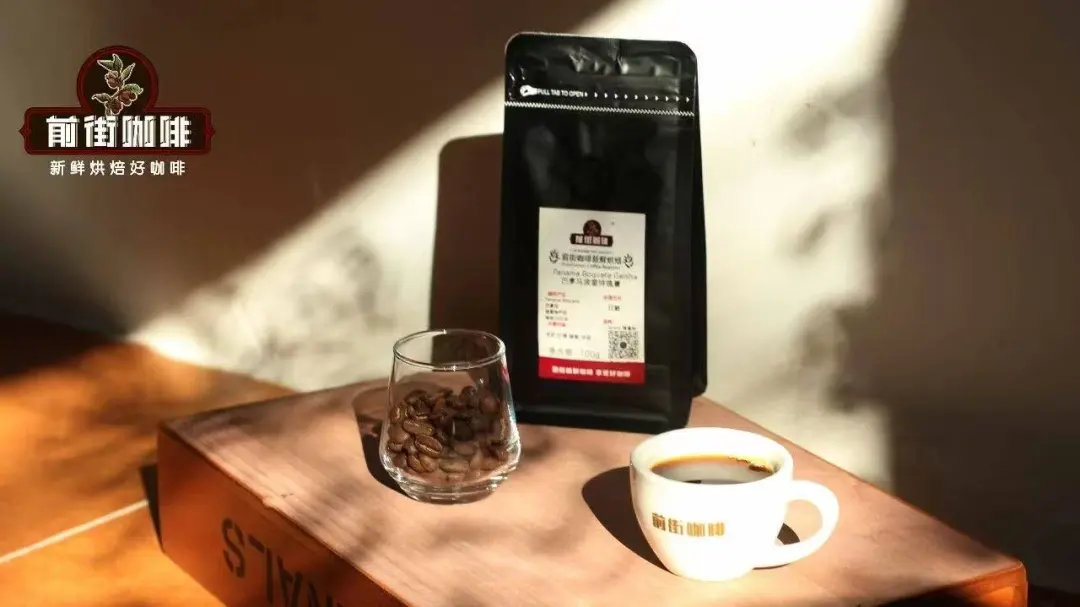
Normally, we make Geisha coffee using methods like pour-over or French press, because these methods have an extremely high fault tolerance and can more easily dissolve out the excellent flavors of Geisha coffee.
But occasionally some friends want to use Geisha to make espresso drinks, because they also want to experience a different expression of Geisha, such as a latte. So friends often ask Front Street when buying Geisha: “Can Geisha be used to make espresso?”
If we set price aside, then Geisha can indeed be used to make espresso. After all, the difference between an espresso machine and other brewing devices is merely a different coffee extraction medium; any coffee can be extracted with it. If you want to use Geisha to make a delicious espresso drink, such as an Americano or a latte, of course you can—it's just that you need to pay attention to two details during preparation, so that the Geisha Americano or Geisha latte you make will be even more delicious~
1. Allow the coffee to be fully extracted
The first point to note is to allow the coffee to be fully extracted! We cannot extract Geisha completely according to the usual espresso extraction parameters. Why?
Because the coffee beans most friends use for espresso in daily life are medium-dark roasted, and those parameters are mainly formulated around the extraction of medium-dark roasted coffee. But the Geisha we usually buy is medium or medium-light roasted, because if Geisha is to show excellent floral notes, then the roast cannot be too dark.
Medium-dark roasted beans, because their density is relatively lower, have soluble substances that are easier to dissolve out, so they do not require too much effort to achieve full extraction. But medium-light roasted Geisha usually has higher density. To fully extract the floral and fruity notes within Geisha, we need to use parameters with higher extraction efficiency than those used for traditional medium-dark roasted coffee. Otherwise, the consequence is that it is very easy to end up with a cup of coffee with extremely high acidity.
2. Pay attention to the ratio
The second detail to note is something Front Street often shares: pay attention to the ratio of coffee to other materials. For example, when making an Americano, pay attention to the ratio of coffee to water; when making a latte, pay attention to the ratio of coffee to milk.
The reason is simple: medium-light roasted coffee does not have as intense a flavor as medium-dark roasted coffee, especially those medium-light roasted coffees with floral notes and washed processing, whose flavors are relatively fresh, such as Geisha. Because their flavors are relatively fresh, if too much of other materials is used, it can easily mask the coffee's own flavor, and it becomes harder for us to taste the floral and fruity notes from it.
So Front Street usually recommends that when using medium or medium-light roasted coffee beans to make espresso, everyone slightly increase the ratio a bit to avoid the coffee's flavor and aroma being over-diluted.
After learning the above two points, it is basically hard for us to make a bad-tasting Geisha espresso drink. The remaining problem we need to face is asking whether our wallet agrees, because besides its unique flavor, Geisha's other characteristic is that it's expensive......
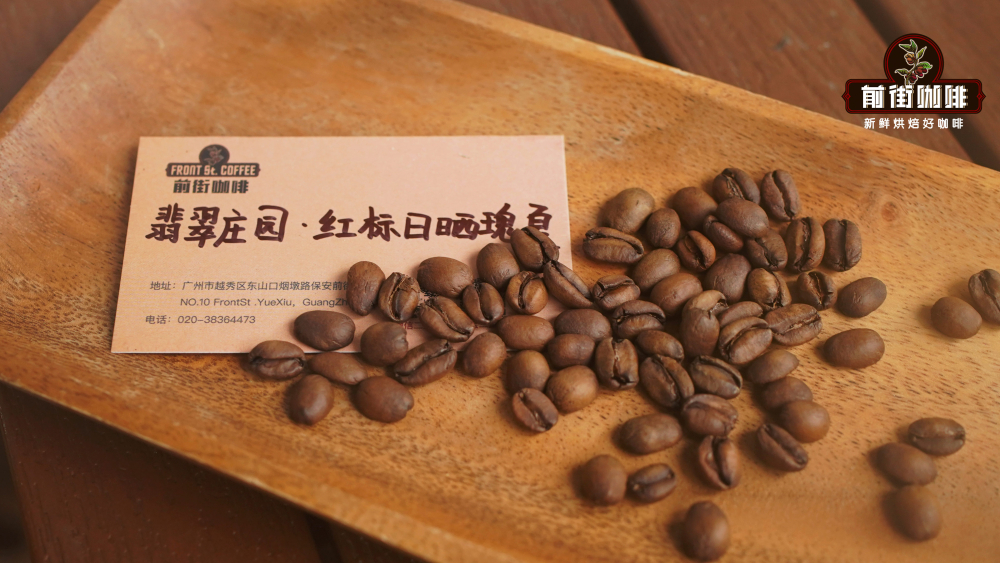
But it doesn't matter! In Front Street's bean list, there happen to be some high-cost-performance Geisha beans that are suitable both for espresso and pour-over coffee, for example the one that often appears in Front Street articles—Front Street Costa Rica Strawberry Candy. It is a Geisha blend. Besides having Geisha flavors such as white floral notes and citrus, it also has sweet aromas like strawberry gummy candy and raisins. Very nice!
So if any friends plan to use Geisha to make espresso drinks, you might as well refer to the extraction parameters used by Front Street. It should help you avoid “detours” and quickly make a delicious Geisha espresso drink.
Extraction of Geisha espresso
The coffee beans used in this demonstration by Front Street are the Front Street Costa Rica Strawberry Candy Geisha blend mentioned above. When using it to extract espresso, Front Street will adjust the grind slightly finer and make the extraction time slightly longer, thereby improving extraction efficiency and increasing the dissolved flavor substances in the coffee. When making different espresso drinks, the parameters used will differ slightly, as follows:
Espresso for making Americano: dose 18–20 g, coffee-to-liquid ratio 1:1.7, extraction time 30–35 seconds.
Since many friends prefer to drink an Americano with lower bitterness, when extracting the espresso used for Americano, we do not need to extract so much liquid weight, reducing some bitter substances. The espresso extracted with this parameter mainly tastes sweet and sour. Diluted with an appropriate amount of water at a ratio of 1:3.5, it becomes an Americano. It tastes with the sweet-sourness of strawberry and citrus, elegant white floral notes, and a slight raisin aroma—very refreshing.
Regular espresso/espresso for making latte: dose 18–20 g, coffee-to-liquid ratio 1:2, extraction time 30–38 seconds. If you expect to drink a cup of espresso with a balanced taste, or if it is espresso to be used for making a latte, then the extracted liquid weight can be slightly more, extracting more bitter substances to balance the acidity, so that the coffee will not be easily masked by the milk's flavor.
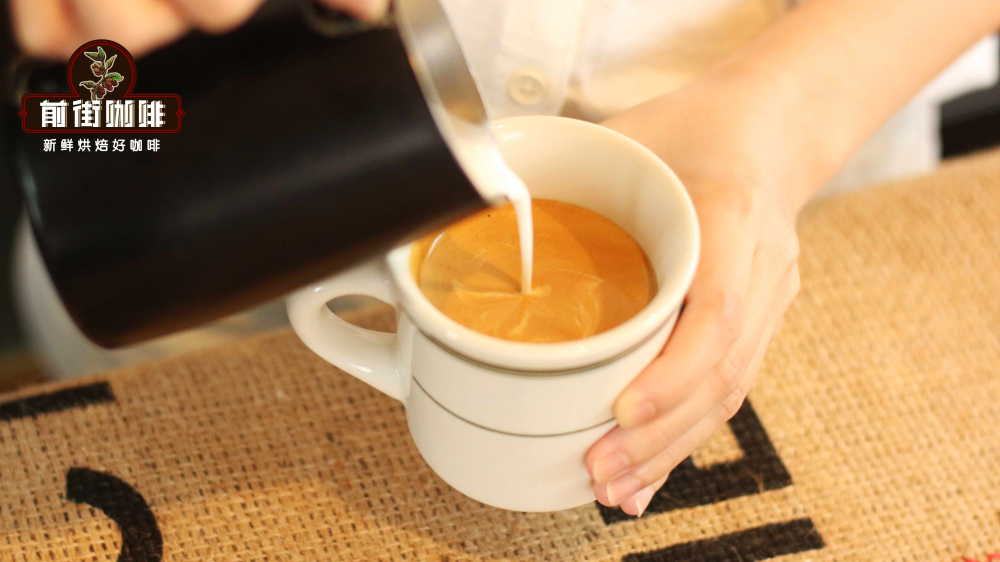
The espresso extracted with this parameter has a very balanced taste! When making a latte, we can add an appropriate amount of milk at a ratio of 1:4. The latte made this way tastes with the sweet, rich aromas of strawberry chocolate, butter cookies, and caramel, with a silky, mellow mouthfeel—very nice~
So the above is all the content shared by Front Street this time. Friends who are interested can try it at home—it's really very nice~
The above content is compiled by CoffeeHunters, a coffee news website.


